Department of Biotechnology and Life Science, Graduate School of Engineering, Tokyo University of Agriculture and Technology, 2-24-16 Naka-cho, Koganei, Tokyo 184-8588, Japan.
Joint Department of Biomedical Engineering, The University of North Carolina at Chapel Hill and North Carolina State University, Chapel Hill, NC 27599, USA.
Int J Mol Sci. 2020 May 27;21(11):3797. doi: 10.3390/ijms21113797.
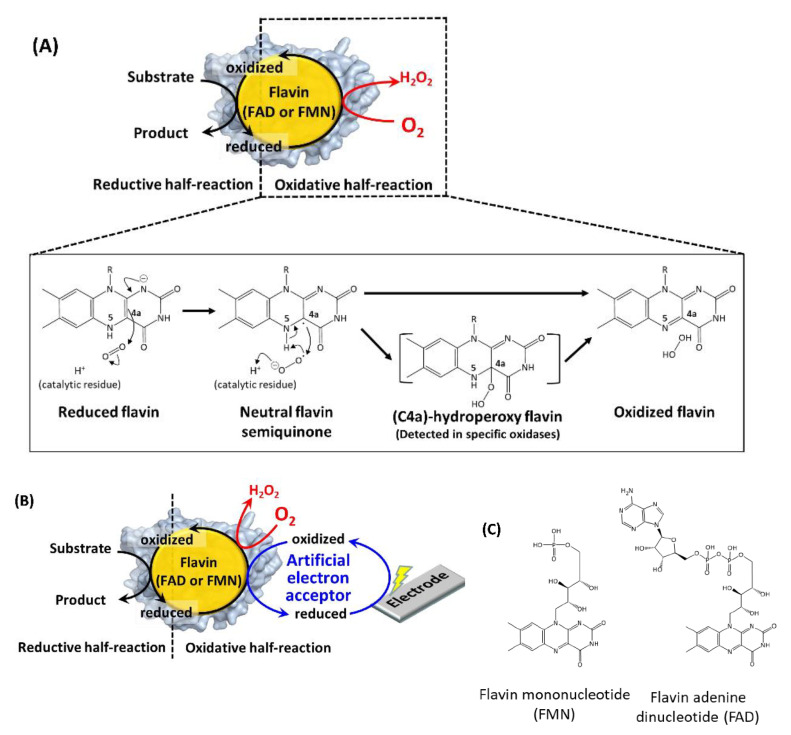
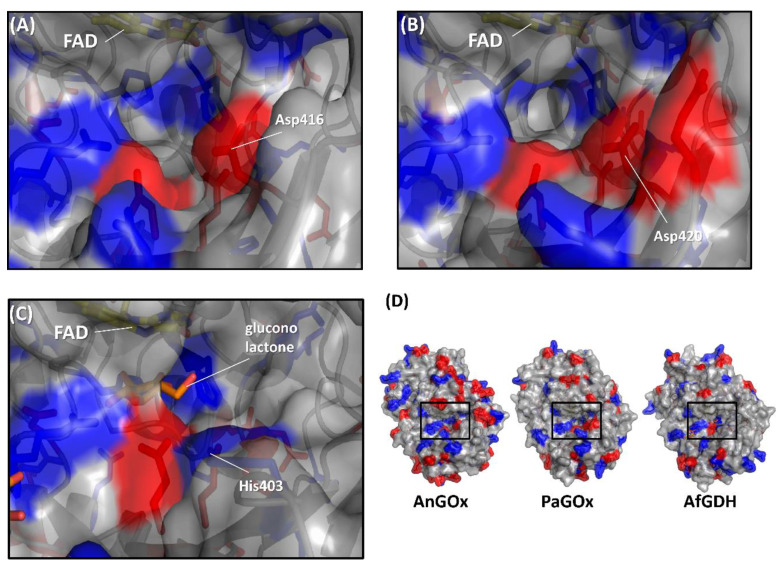
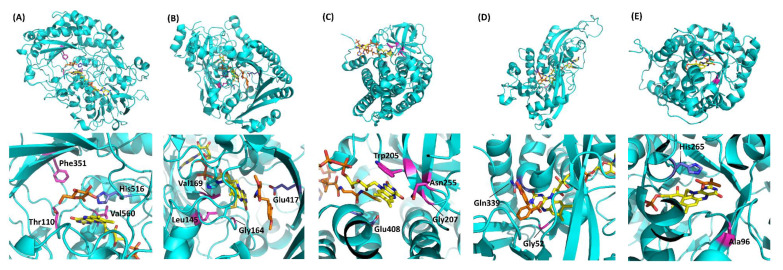
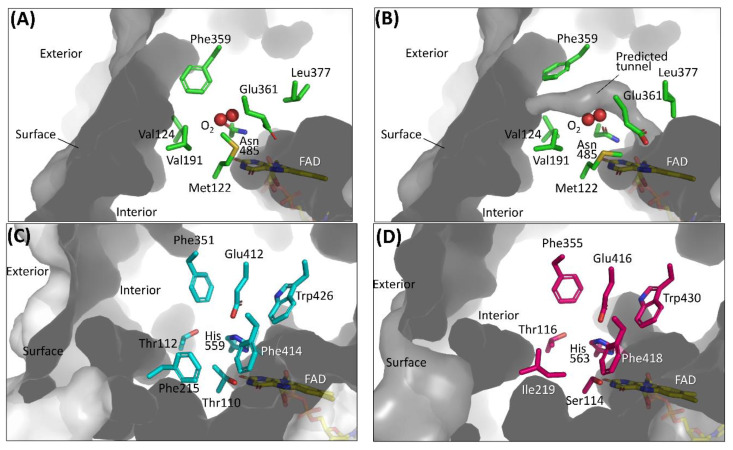
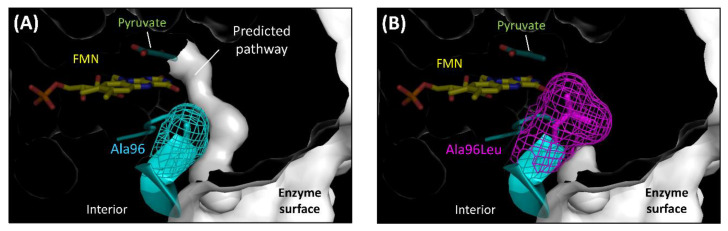
In this review, recent progress in the engineering of the oxidative half-reaction of flavin-dependent oxidases and dehydrogenases is discussed, considering their current and future applications in bioelectrochemical studies, such as for the development of biosensors and biofuel cells. There have been two approaches in the studies of oxidative half-reaction: engineering of the oxidative half-reaction with oxygen, and engineering of the preference for artificial electron acceptors. The challenges for engineering oxidative half-reactions with oxygen are further categorized into the following approaches: (1) mutation to the putative residues that compose the cavity where oxygen may be located, (2) investigation of the vicinities where the reaction with oxygen may take place, and (3) investigation of possible oxygen access routes to the isoalloxazine ring. Among these approaches, introducing a mutation at the oxygen access route to the isoalloxazine ring represents the most versatile and effective strategy. Studies to engineer the preference of artificial electron acceptors are categorized into three different approaches: (1) engineering of the charge at the residues around the substrate entrance, (2) engineering of a cavity in the vicinity of flavin, and (3) decreasing the glycosylation degree of enzymes. Among these approaches, altering the charge in the vicinity where the electron acceptor may be accessed will be most relevant.
在本综述中,讨论了黄素依赖氧化酶和脱氢酶氧化半反应的工程最新进展,同时考虑了它们在生物电化学研究中的当前和未来应用,例如生物传感器和生物燃料电池的开发。在氧化半反应的研究中有两种方法:用氧工程氧化半反应和工程对人工电子受体的偏好。用氧工程氧化半反应的挑战进一步分为以下几种方法:(1)突变组成可能包含氧的腔的假定残基,(2)研究可能发生与氧反应的邻近区域,以及(3)研究可能进入异咯嗪环的氧气进入途径。在这些方法中,在异咯嗪环的氧气进入途径上引入突变代表了最通用和有效的策略。对人工电子受体偏好的工程研究分为三种不同的方法:(1)在底物入口周围的残基上修饰电荷,(2)在黄素附近修饰腔,以及(3)降低酶的糖基化程度。在这些方法中,改变电子受体可能进入的附近的电荷将是最相关的。