Genewerk GmbH, 69120 Heidelberg, Germany.
Heidelberg University Hospital, 69120 Heidelberg, Germany.
Viruses. 2020 May 27;12(6):588. doi: 10.3390/v12060588.
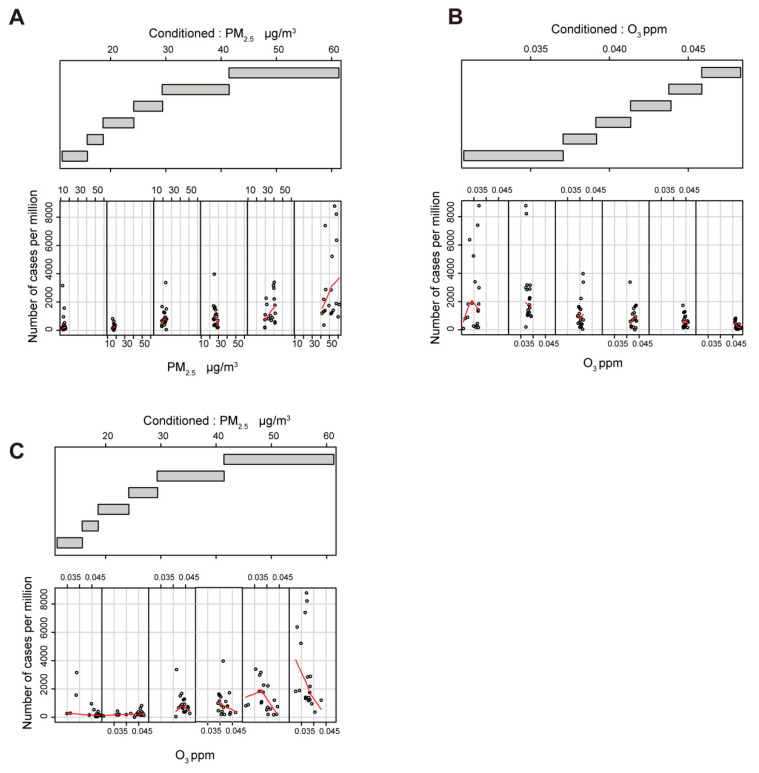
The global outbreak of severe acute respiratory syndrome coronavirus 2 (SARS-CoV-2) infection causing coronavirus disease 2019 (COVID-19) has reached over five million confirmed cases worldwide, and numbers are still growing at a fast rate. Despite the wide outbreak of the infection, a remarkable asymmetry is observed in the number of cases and in the distribution of the severity of the COVID-19 symptoms in patients with respect to the countries/regions. In the early stages of a new pathogen outbreak, it is critical to understand the dynamics of the infection transmission, in order to follow contagion over time and project the epidemiological situation in the near future. While it is possible to reason that observed variation in the number and severity of cases stems from the initial number of infected individuals, the difference in the testing policies and social aspects of community transmissions, the factors that could explain high discrepancy in areas with a similar level of healthcare still remain unknown. Here, we introduce a binary classifier based on an artificial neural network that can help in explaining those differences and that can be used to support the design of containment policies. We found that SARS-CoV-2 infection frequency positively correlates with particulate air pollutants, and specifically with particulate matter 2.5 (PM), while ozone gas is oppositely related with the number of infected individuals. We propose that atmospheric air pollutants could thus serve as surrogate markers to complement the infection outbreak anticipation.
严重急性呼吸系统综合症冠状病毒 2(SARS-CoV-2)引发的全球疫情已导致全球超过 500 万例确诊病例,且感染人数仍在迅速增长。尽管疫情广泛爆发,但各国/地区的病例数量和 COVID-19 症状严重程度的分布存在显著差异。在新病原体爆发的早期阶段,了解感染传播的动态至关重要,以便随着时间的推移跟踪传染情况并预测近期的疫情形势。虽然可以推断出观察到的病例数量和严重程度的差异源于最初的感染人数、检测政策以及社区传播的社会方面的差异,但仍不清楚是什么因素导致了在医疗保健水平相似的地区存在如此大的差异。在这里,我们引入了一种基于人工神经网络的二进制分类器,它可以帮助解释这些差异,并可用于支持遏制政策的设计。我们发现,SARS-CoV-2 感染的频率与空气颗粒物污染物呈正相关,特别是与 2.5 微米颗粒物(PM2.5)呈正相关,而臭氧气体与感染人数呈负相关。因此,我们提出大气空气污染物可以作为补充感染爆发预测的替代标志物。