Johns Hopkins Center for Communication Programs, 111 Market Pl Ste 310, Baltimore, MD, 21202, USA.
Centre for Tropical Medicine and Global Health, Nuffield Department of Medicine, University of Oxford, Oxford, UK.
Malar J. 2020 Jun 1;19(1):196. doi: 10.1186/s12936-020-03267-9.
Ghana has made impressive progress against malaria, decreasing mortality and morbidity by over 50% between 2005 and 2015. These gains have been facilitated in part, due to increased financial commitment from government and donors. Total resources for malaria increased from less than USD 25 million in 2006 to over USD 100 million in 2011. However, the country still faces a high burden of disease and is at risk of declining external financing due to its strong economic growth and the consequential donor requirements for increased government contributions. The resulting financial gap will need to be met domestically. The purpose of this study was to provide economic evidence of the potential risks of withdrawing financing to shape an advocacy strategy for resource mobilization.
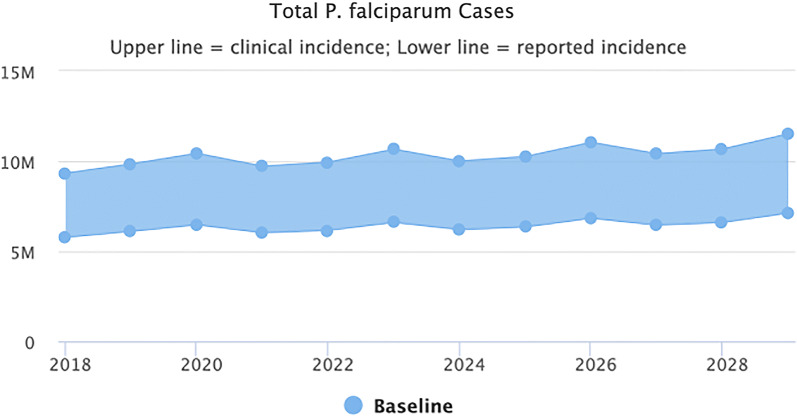
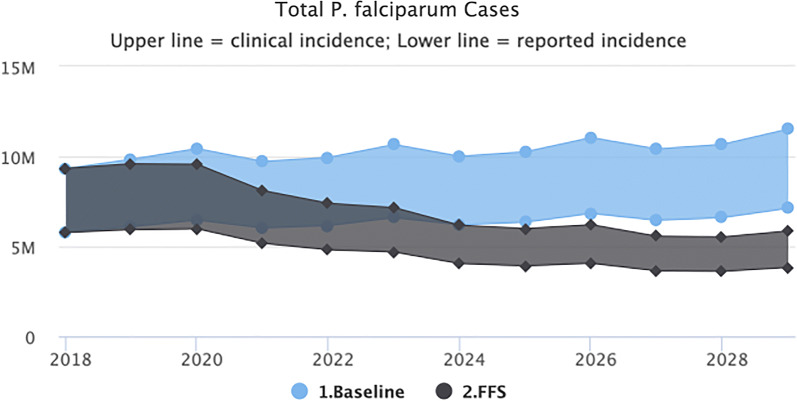
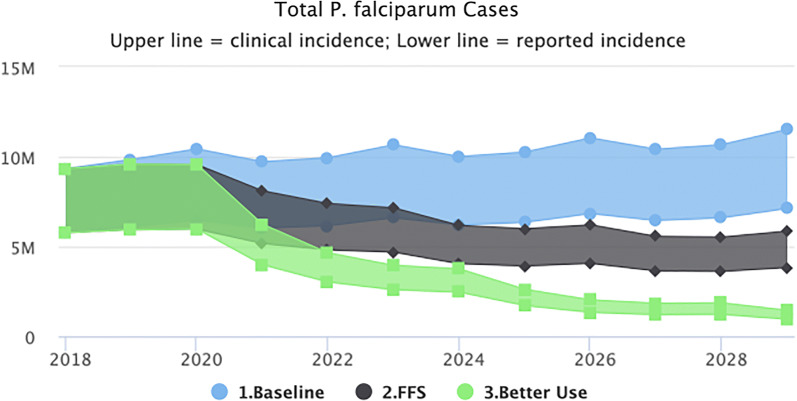
A compartmental transmission model was developed to estimate the impact of a range of malaria interventions on the transmission of Plasmodium falciparum malaria between 2018 and 2030. The model projected scenarios of common interventions that allowed the attainment of elimination and those that predicted transmission if interventions were withheld. The outputs of this model were used to generate costs and economic benefits of each option.
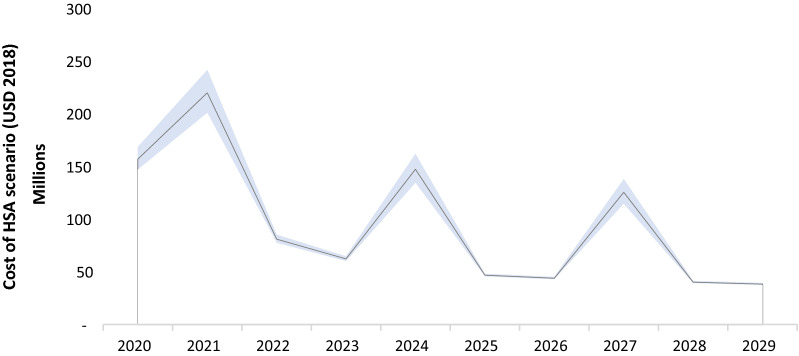
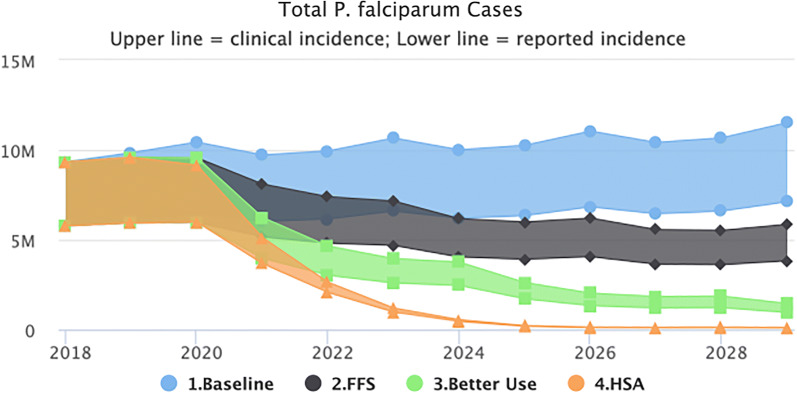
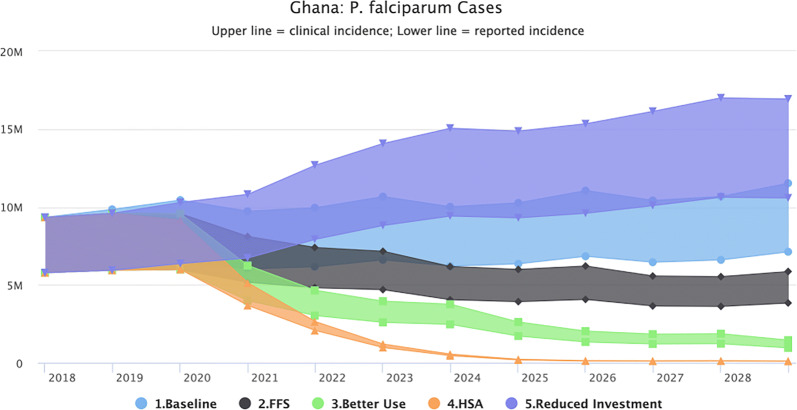
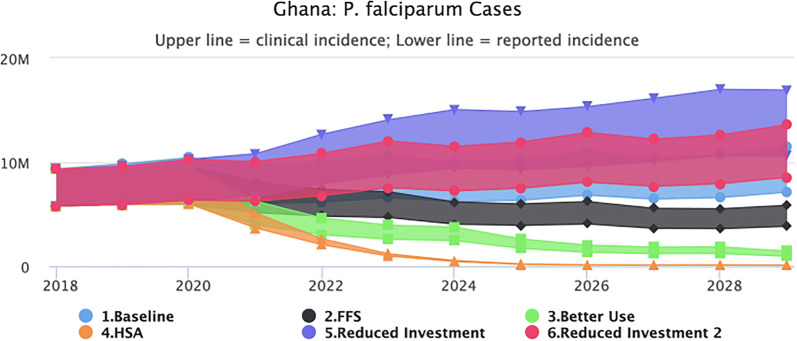
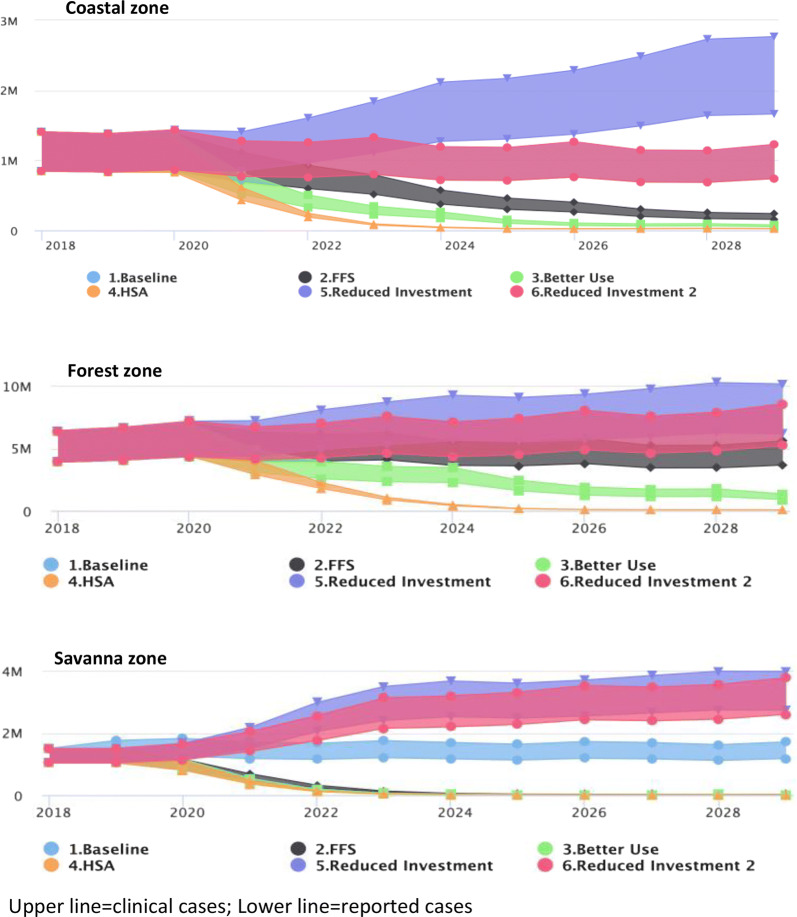
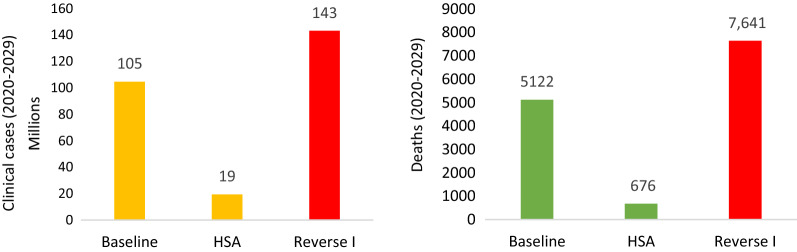
Elimination was predicted using the package of interventions outlined in the national strategy, particularly increased net usage and improved case management. Malaria elimination in Ghana is predicted to cost USD 961 million between 2020 and 2029. Compared to the baseline, elimination is estimated to prevent 85.5 million cases, save 4468 lives, and avert USD 2.2 billion in health system expenditures. The economic gain was estimated at USD 32 billion in reduced health system expenditure, increased household prosperity and productivity gains. Through malaria elimination, Ghana can expect to see a 32-fold return on their investment. Reducing interventions, predicted an additional 38.2 clinical cases, 2500 deaths and additional economic losses of USD 14.1 billion.
Malaria elimination provides robust epidemiological and economic benefits, however, sustained financing is need to accelerate the gains in Ghana. Although government financing has increased in the past decade, the amount is less than 25% of the total malaria financing. The evidence generated by this study can be used to develop a robust domestic strategy to overcome the financial barriers to achieving malaria elimination in Ghana.
加纳在抗击疟疾方面取得了显著进展,2005 年至 2015 年期间,疟疾死亡率和发病率降低了 50%以上。部分原因是政府和捐助者增加了财政承诺,疟疾总资源从 2006 年的不足 2500 万美元增加到 2011 年的 1 亿多美元。然而,该国仍面临着沉重的疾病负担,由于经济强劲增长以及捐助者要求政府增加捐款,该国面临着外部供资减少的风险。由此产生的资金缺口需要在国内填补。本研究的目的是提供关于撤资风险的经济证据,以制定资源调动的宣传策略。
开发了一个隔室传播模型,以估计一系列疟疾干预措施对 2018 年至 2030 年期间间日疟原虫疟疾传播的影响。该模型预测了达到消除目标的常见干预措施方案和如果不采取干预措施的预测传播方案。该模型的输出用于生成每种方案的成本和经济效益。
使用国家战略中概述的一揽子干预措施,特别是增加网具使用率和改进病例管理,预计加纳将消除疟疾。加纳在 2020 年至 2029 年期间消除疟疾预计将花费 9.61 亿美元。与基线相比,消除疟疾预计将预防 8550 万例病例,挽救 4468 条生命,并避免卫生系统支出 22 亿美元。经济效益估计为卫生系统支出减少 320 亿美元,家庭繁荣和生产力提高。通过消除疟疾,加纳预计将获得 32 倍的投资回报。减少干预措施预计会导致另外 382 例临床病例、2500 人死亡和 141 亿美元的额外经济损失。
消除疟疾提供了强大的流行病学和经济效益,然而,加纳需要持续的融资来加速这方面的进展。尽管过去十年政府的融资有所增加,但金额不到疟疾总融资的 25%。本研究产生的证据可用于制定一项强有力的国内战略,以克服加纳实现消除疟疾目标的财政障碍。