Champalimaud Research, Champalimaud Centre for the Unknown, Lisbon, Portugal.
Neurobiology Department, Harvard Medical School, Boston, MA, USA.
Nat Commun. 2020 Jun 2;11(1):2757. doi: 10.1038/s41467-020-16196-7.
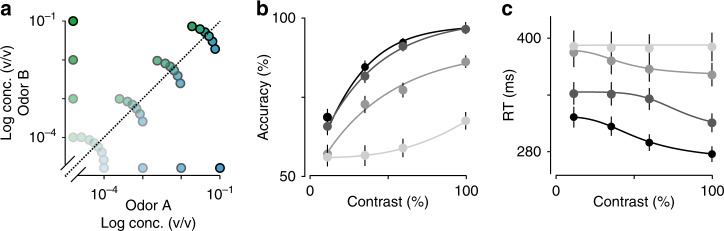
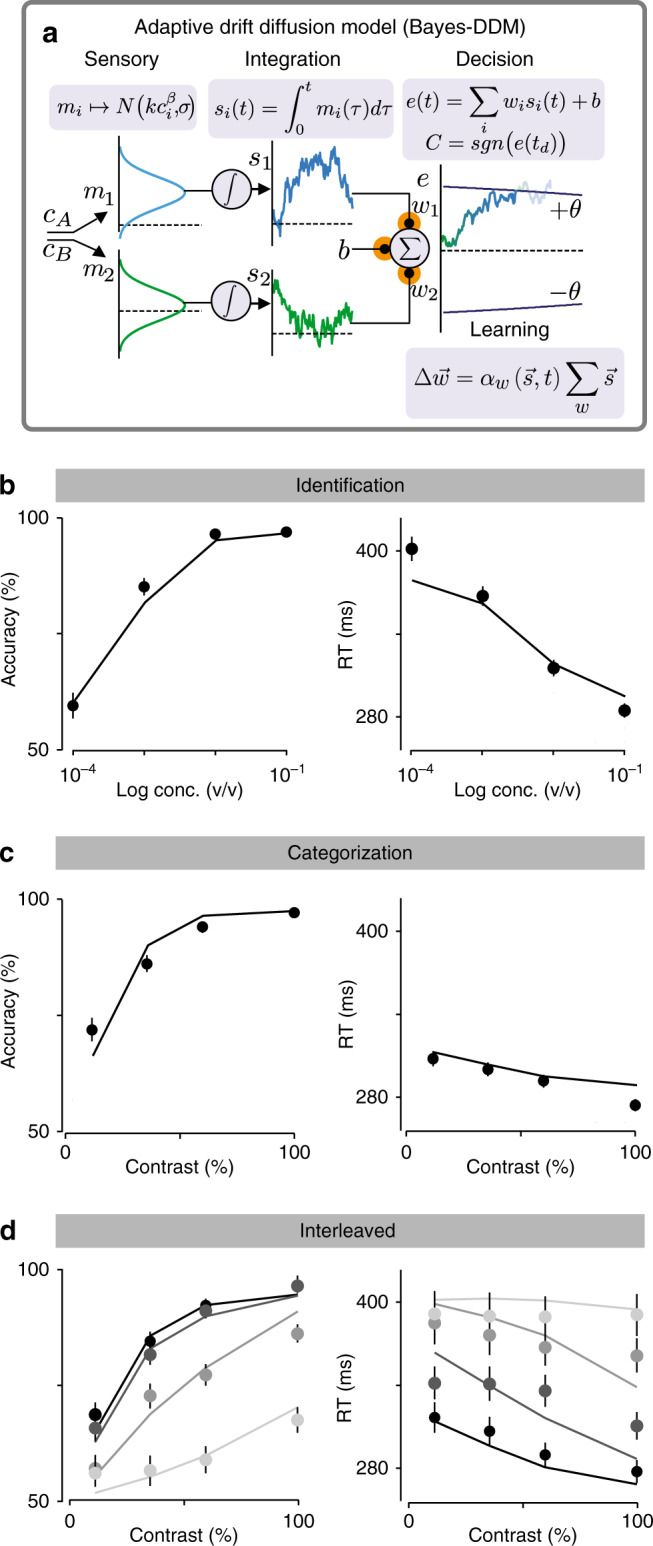
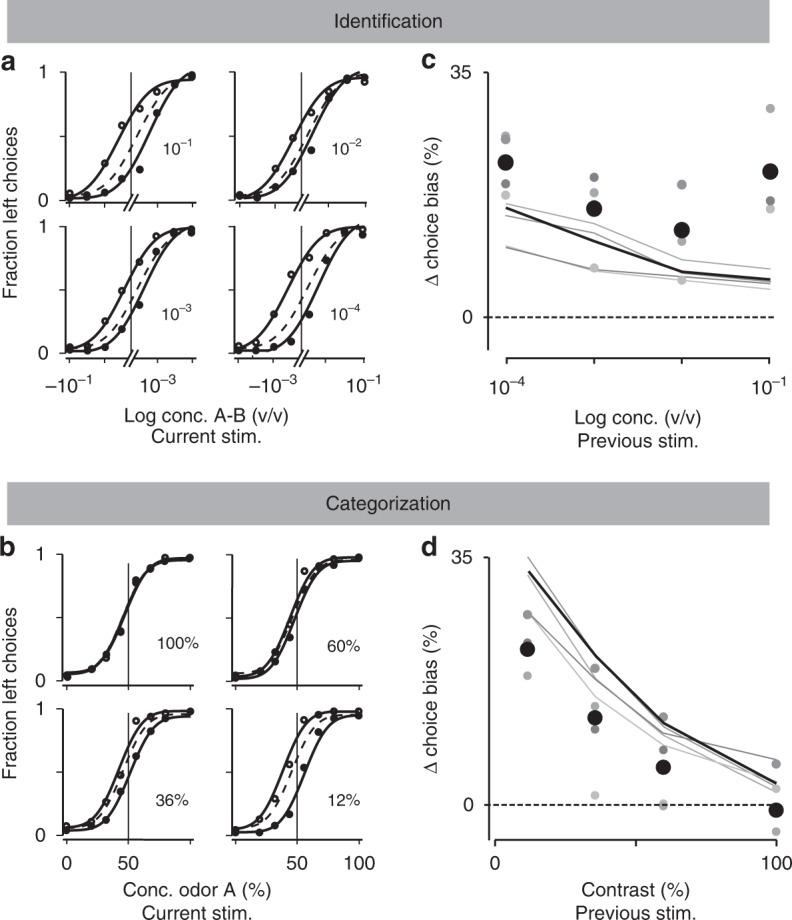
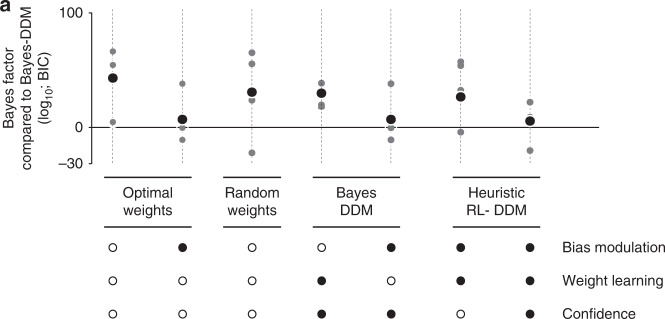
In standard models of perceptual decision-making, noisy sensory evidence is considered to be the primary source of choice errors and the accumulation of evidence needed to overcome this noise gives rise to speed-accuracy tradeoffs. Here, we investigated how the history of recent choices and their outcomes interact with these processes using a combination of theory and experiment. We found that the speed and accuracy of performance of rats on olfactory decision tasks could be best explained by a Bayesian model that combines reinforcement-based learning with accumulation of uncertain sensory evidence. This model predicted the specific pattern of trial history effects that were found in the data. The results suggest that learning is a critical factor contributing to speed-accuracy tradeoffs in decision-making, and that task history effects are not simply biases but rather the signatures of an optimal learning strategy.
在感知决策的标准模型中,噪声性的感觉证据被认为是选择错误的主要来源,而克服这种噪声所需的证据积累则导致了速度-准确性权衡。在这里,我们使用理论和实验相结合的方法研究了最近的选择历史及其结果如何与这些过程相互作用。我们发现,大鼠在嗅觉决策任务中的表现速度和准确性可以通过将基于强化的学习与不确定感觉证据的积累相结合的贝叶斯模型得到最好的解释。该模型预测了在数据中发现的特定试验历史效应模式。结果表明,学习是决策中速度-准确性权衡的一个关键因素,任务历史效应不是简单的偏差,而是一种最优学习策略的特征。