Yaqoob Asim Ali, Ahmad Hilal, Parveen Tabassum, Ahmad Akil, Oves Mohammad, Ismail Iqbal M I, Qari Huda A, Umar Khalid, Mohamad Ibrahim Mohamad Nasir
School of Chemical Sciences, Universiti Sains Malaysia, Pulau Pinang, Malaysia.
Centre for Nanoscience and Nanotechnology, Jamia Millia Islamia, New Delhi, India.
Front Chem. 2020 May 19;8:341. doi: 10.3389/fchem.2020.00341. eCollection 2020.
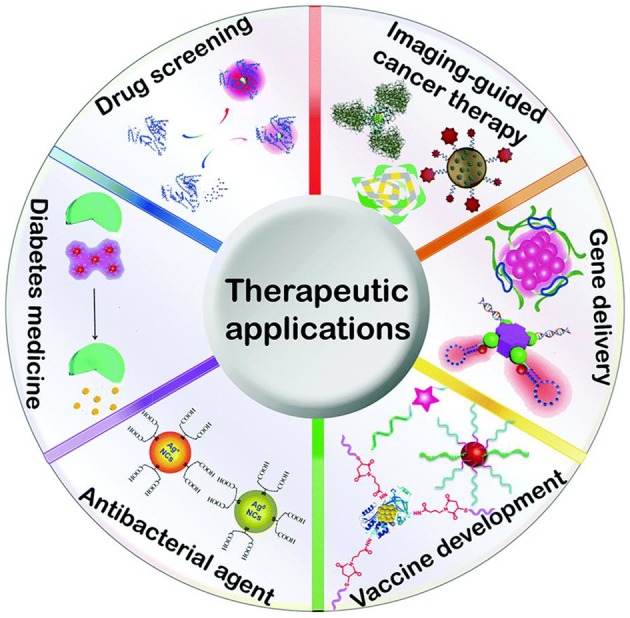
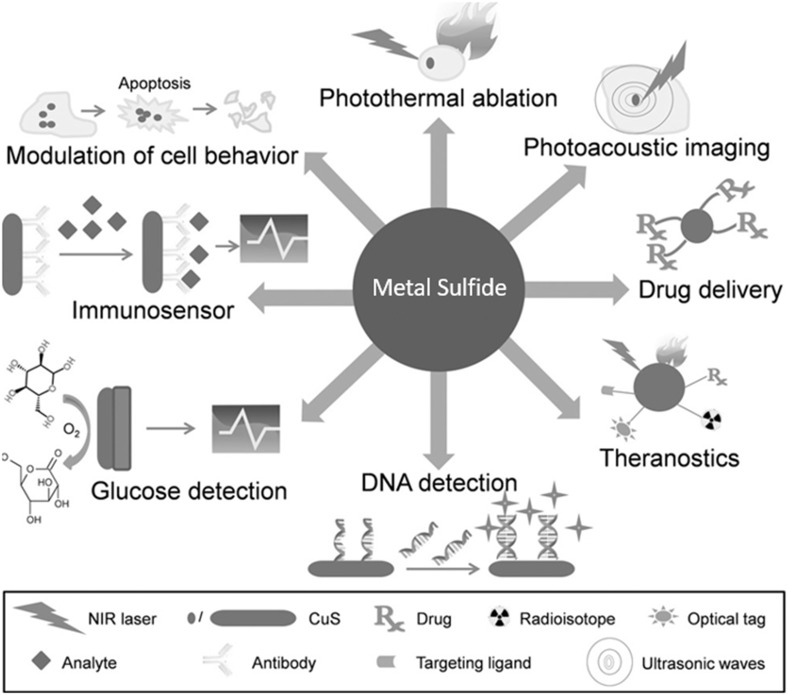
Nanoparticles (nanoparticles) have received much attention in biological application because of their unique physicochemical properties. The metal- and metal oxide-supported nanomaterials have shown significant therapeutic effect in medical science. The mechanisms related to the interaction of nanoparticles with animal and plant cells can be used to establish its significant role and to improve their activity in health and medical applications. Various attempts have been made to discuss the antibiotic resistance and antimicrobial activity of metal-supported nanoparticles. Despite all these developments, there is still a need to investigate their performance to overcome modern challenges. In this regard, the present review examines the role of various types of metal-supported nanomaterials in different areas such as antibacterial, antifungal, anticancer, and so on. Based on the significant ongoing research and applications, it is expected that metal-supported nanomaterials play an outstanding role not only in medical but also in other important areas.
纳米颗粒因其独特的物理化学性质在生物应用中备受关注。金属和金属氧化物负载的纳米材料在医学领域已显示出显著的治疗效果。与纳米颗粒与动植物细胞相互作用相关的机制可用于确立其重要作用,并提高它们在健康和医学应用中的活性。人们已进行了各种尝试来探讨金属负载纳米颗粒的抗生素抗性和抗菌活性。尽管有这些进展,但仍有必要研究它们的性能以应对现代挑战。在这方面,本综述考察了各种类型的金属负载纳米材料在抗菌、抗真菌、抗癌等不同领域中的作用。基于正在进行的大量研究和应用,预计金属负载纳米材料不仅将在医学领域,而且还将在其他重要领域发挥突出作用。