Institute of Biotechnology, Gebze Technical University, Gebze, 41400 Kocaeli, Turkey.
Institute of Medical and Biomedical Education, St George's University of London, Cranmer Terrace, Tooting, London SW17 0RE, UK.
Viruses. 2020 Jun 4;12(6):614. doi: 10.3390/v12060614.
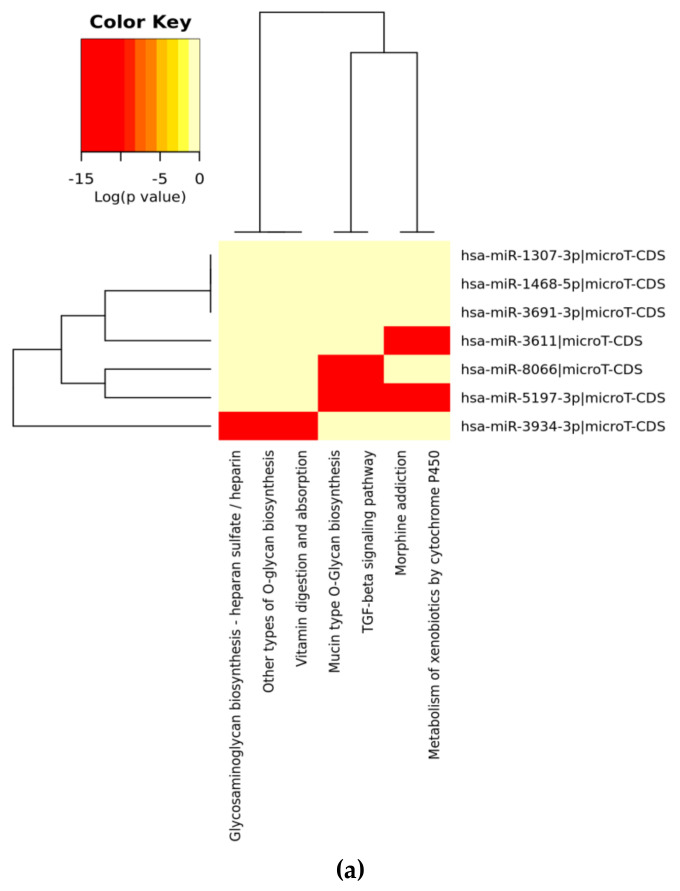
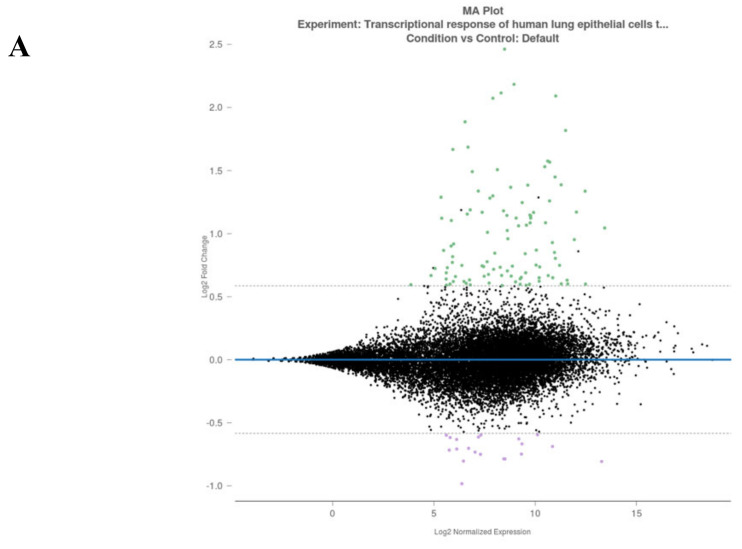
Severe acute respiratory syndrome coronavirus-2 (SARS-CoV-2) is a member of the family, which causes COVID-19 disease. SARS-CoV-2 pathogenicity in humans leads to increased mortality rates due to alterations of significant pathways, including some resulting in exacerbated inflammatory responses linked to the "cytokine storm" and extensive lung pathology, as well as being linked to a number of comorbidities. Our current study compared five SARS-CoV-2 sequences from different geographical regions to those from SARS, MERS and two cold viruses, OC43 and 229E, to identify the presence of miR-like sequences. We identified seven key miRs, which highlight considerable differences between the SARS-CoV-2 sequences, compared with the other viruses. The level of conservation between the five SARS-CoV-2 sequences was identical but poor compared with the other sequences, with SARS showing the highest degree of conservation. This decrease in similarity could result in reduced levels of transcriptional control, as well as a change in the physiological effect of the virus and associated host-pathogen responses. MERS and the milder symptom viruses showed greater differences and even significant sequence gaps. This divergence away from the SARS-CoV-2 sequences broadly mirrors the phylogenetic relationships obtained from the whole-genome alignments. Therefore, patterns of mutation, occurring during sequence divergence from the longer established human viruses to the more recent ones, may have led to the emergence of sequence motifs that can be related directly to the pathogenicity of SARS-CoV-2. Importantly, we identified 7 key-microRNAs (miRs 8066, 5197, 3611, 3934-3p, 1307-3p, 3691-3p, 1468-5p) with significant links to KEGG pathways linked to viral pathogenicity and host responses. According to Bioproject data (PRJNA615032), SARS-CoV-2 mediated transcriptomic alterations were similar to the target pathways of the selected 7 miRs identified in our study. This mechanism could have considerable significance in determining the symptom spectrum of future potential pandemics. KEGG pathway analysis revealed a number of critical pathways linked to the seven identified miRs that may provide insight into the interplay between the virus and comorbidities. Based on our reported findings, miRNAs may constitute potential and effective therapeutic approaches in COVID-19 and its pathological consequences.
严重急性呼吸系统综合症冠状病毒 2(SARS-CoV-2)是冠状病毒科的一个成员,它导致 COVID-19 疾病。SARS-CoV-2 在人类中的致病性导致死亡率增加,这是由于重要途径的改变,包括一些导致与“细胞因子风暴”和广泛的肺病理学相关的炎症反应加剧,以及与许多合并症有关。我们目前的研究比较了来自不同地理区域的五个 SARS-CoV-2 序列与 SARS、MERS 和两种冷病毒 OC43 和 229E 的 miR 样序列的存在。我们确定了七个关键的 mirs,这些 mirs 突出了 SARS-CoV-2 序列与其他病毒之间的显著差异。与其他病毒相比,五个 SARS-CoV-2 序列之间的保守程度相同,但较差。SARS 显示出最高程度的保守性。这种相似性的降低可能导致转录控制水平降低,以及病毒和相关宿主-病原体反应的生理效应改变。MERS 和症状较轻的病毒显示出更大的差异,甚至存在显著的序列缺口。这种远离 SARS-CoV-2 序列的发散广泛反映了从更长时间建立的人类病毒到最近病毒的全基因组比对中获得的系统发育关系。因此,在从更长时间建立的人类病毒到最近病毒的序列分化过程中发生的突变模式可能导致与 SARS-CoV-2 的致病性直接相关的序列基序的出现。重要的是,我们确定了 7 个关键 microRNAs(miRs 8066、5197、3611、3934-3p、1307-3p、3691-3p、1468-5p),它们与与病毒致病性和宿主反应相关的 KEGG 途径有显著联系。根据 Bioproject 数据(PRJNA615032),SARS-CoV-2 介导的转录组改变与我们研究中确定的 7 个选定 mir 的靶途径相似。这种机制在确定未来潜在大流行的症状谱方面可能具有重要意义。KEGG 途径分析揭示了与七个鉴定的 mirs 相关的一些关键途径,这可能为病毒与合并症之间的相互作用提供了一些见解。基于我们的报告结果,miRs 可能构成 COVID-19 及其病理后果的潜在有效治疗方法。