Centro de Referencia para Lactobacilos (CERELA)-CONICET, Chacabuco, 145, 4000, San Miguel de Tucumán, Tucumán, Argentina.
Department of Pharmacy and Biotechnologies, University of Bologna, Via San Donato 19/2, 40127, Bologna, Italy.
Microb Cell Fact. 2020 Jun 18;19(1):133. doi: 10.1186/s12934-020-01390-5.
Lactobacillus spp. dominating the vaginal microbiota of healthy women contribute to the prevention of urogenital and sexually transmitted infections. Their protective role in the vagina can be mediated by Lactobacillus cells themselves, metabolites or bacterial components, able to interfere with pathogen adhesion and infectivity. Vulvovaginal candidiasis (VVC) is a common genital infection, caused by the overgrowth of opportunistic Candida spp. including C. albicans, C. glabrata, C. krusei and C. tropicalis. Azole antifungal drugs are not always efficient in resolving VVC and preventing recurrent infections, thus alternative anti-Candida agents based on vaginal probiotics have gained more importance. The present work aims to chemically characterize the biosurfactant (BS) isolated from a vaginal Lactobacillus crispatus strain, L. crispatus BC1, and to investigate its safety and antiadhesive/antimicrobial activity against Candida spp., employing in vitro and in vivo assays.
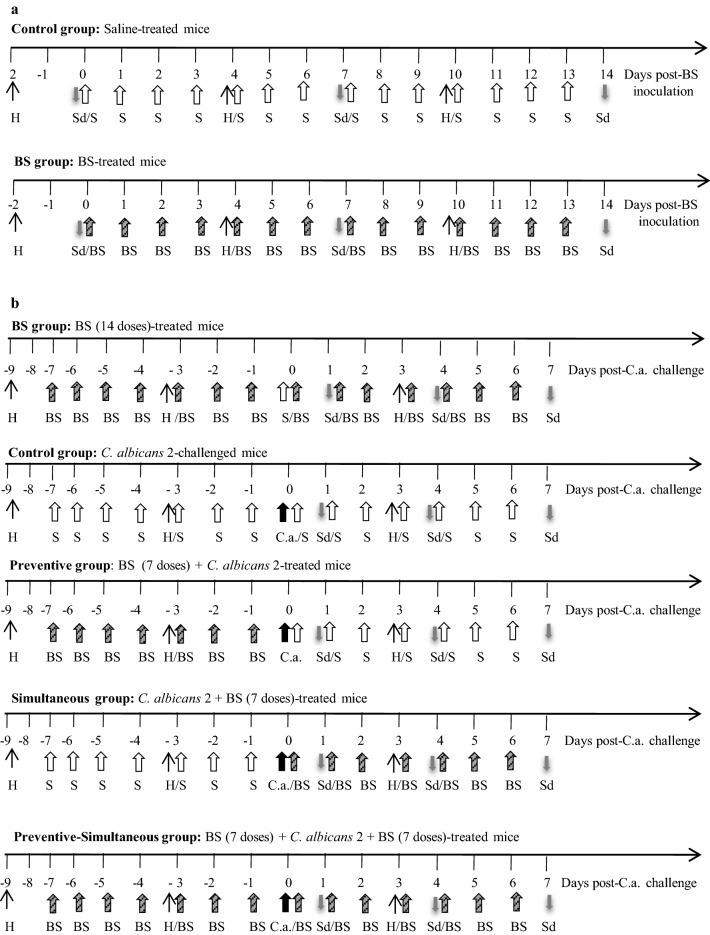
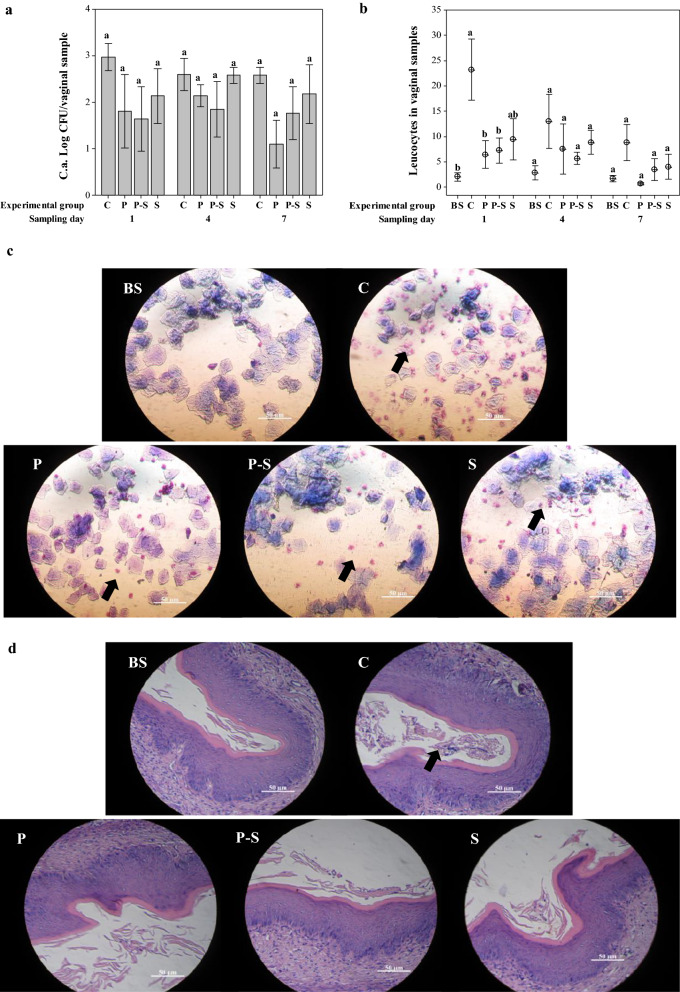
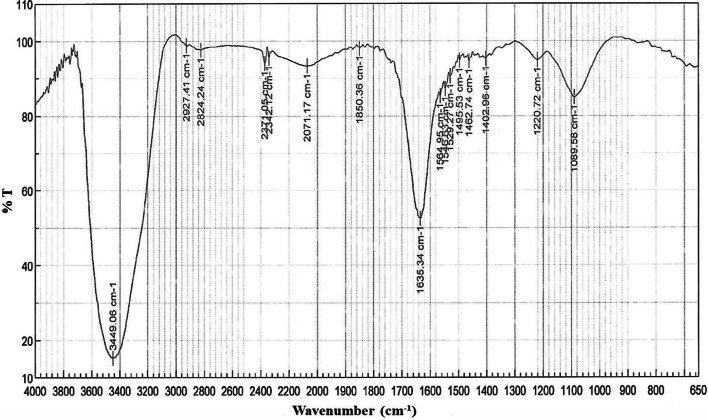
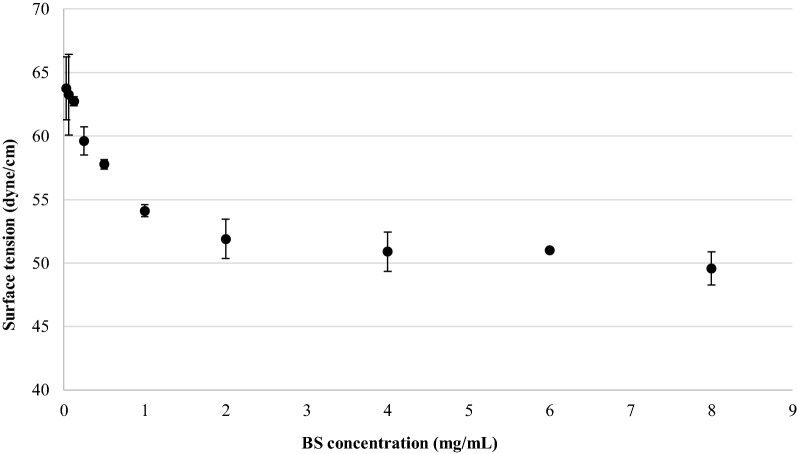
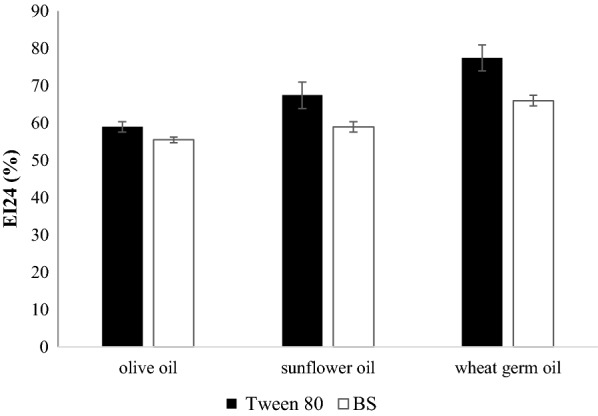
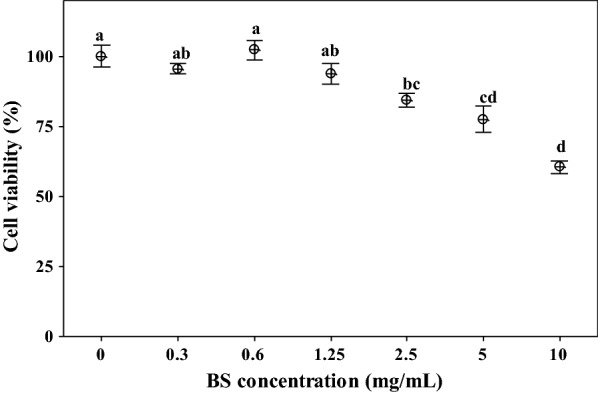
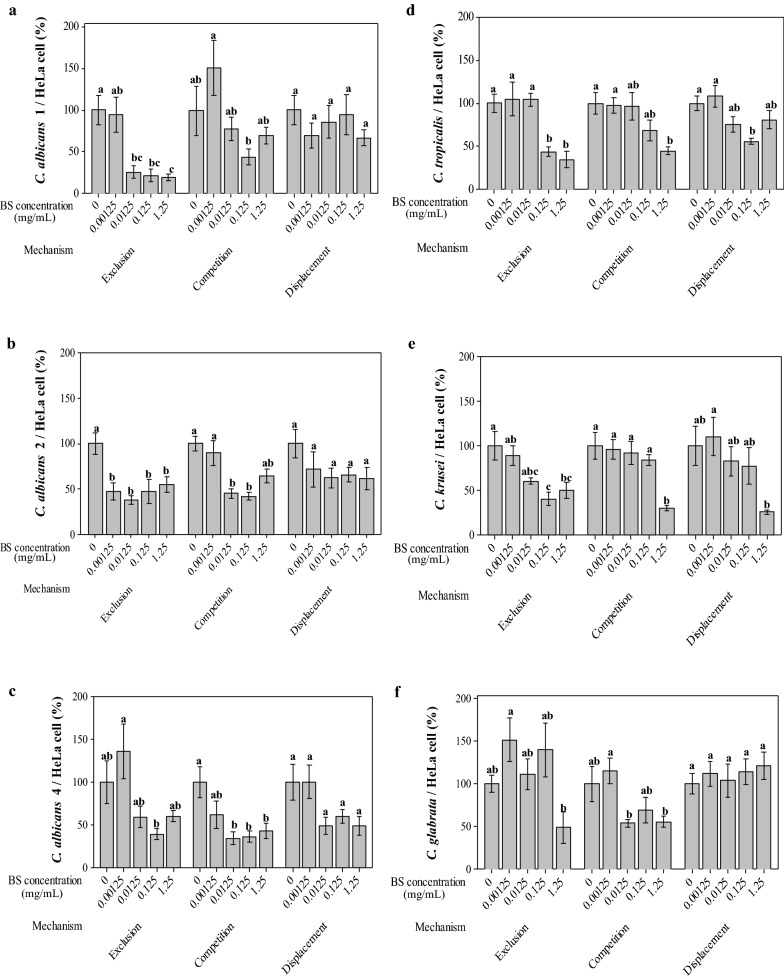
BS isolated from vaginal L. crispatus BC1 was characterised as non-homogeneous lipopeptide molecules with a critical micellar concentration value of 2 mg/mL, and good emulsification and mucoadhesive properties. At 1.25 mg/mL, the BS was not cytotoxic and reduced Candida strains' ability to adhere to human cervical epithelial cells, mainly by exclusion mechanism. Moreover, intravaginal (i.va.) inoculation of BS in a murine experimental model was safe and did not perturb vaginal cytology, histology and cultivable vaginal microbiota. In the case of i.va. challenge of mice with C. albicans, BS was able to reduce leukocyte influx.
These results indicate that BS from vaginal L. crispatus BC1 is able to interfere with Candida adhesion in vitro and in vivo, and suggest its potential as a preventive agent to reduce mucosal damage occasioned by Candida during VVC.
健康女性阴道微生物群中占主导地位的乳杆菌属有助于预防泌尿生殖道和性传播感染。它们在阴道中的保护作用可以通过乳杆菌细胞本身、代谢物或细菌成分来介导,这些成分能够干扰病原体的粘附和感染力。外阴阴道念珠菌病(VVC)是一种常见的生殖器感染,由机会性念珠菌属(包括白念珠菌、近平滑念珠菌、光滑念珠菌和热带念珠菌)过度生长引起。唑类抗真菌药物并不总是能有效地解决 VVC 并预防反复感染,因此基于阴道益生菌的替代抗念珠菌药物变得更加重要。本工作旨在对阴道乳杆菌 L. crispatus BC1 分离的生物表面活性剂(BS)进行化学表征,并通过体外和体内试验研究其对念珠菌属的安全性和抗粘附/抗菌活性。
从阴道 L. crispatus BC1 分离的 BS 被鉴定为非均相脂肽分子,临界胶束浓度值为 2mg/mL,具有良好的乳化和粘膜粘附性能。在 1.25mg/mL 时,BS 没有细胞毒性,并降低了念珠菌菌株粘附人宫颈上皮细胞的能力,主要通过排除机制。此外,BS 在小鼠实验模型中的阴道内(i.va.)接种是安全的,不会干扰阴道细胞学、组织学和可培养阴道微生物群。在阴道内接种 C. albicans 挑战小鼠的情况下,BS 能够减少白细胞浸润。
这些结果表明,阴道乳杆菌 L. crispatus BC1 的 BS 能够在体外和体内干扰念珠菌的粘附,表明其作为一种预防剂的潜力,可减少 VVC 期间念珠菌引起的粘膜损伤。