Institute of Pathophysiology, University Medical Center Mainz, Mainz, Germany.
Leibniz Institute for Resilience Research, Mainz, Germany.
Elife. 2020 Jun 22;9:e53186. doi: 10.7554/eLife.53186.
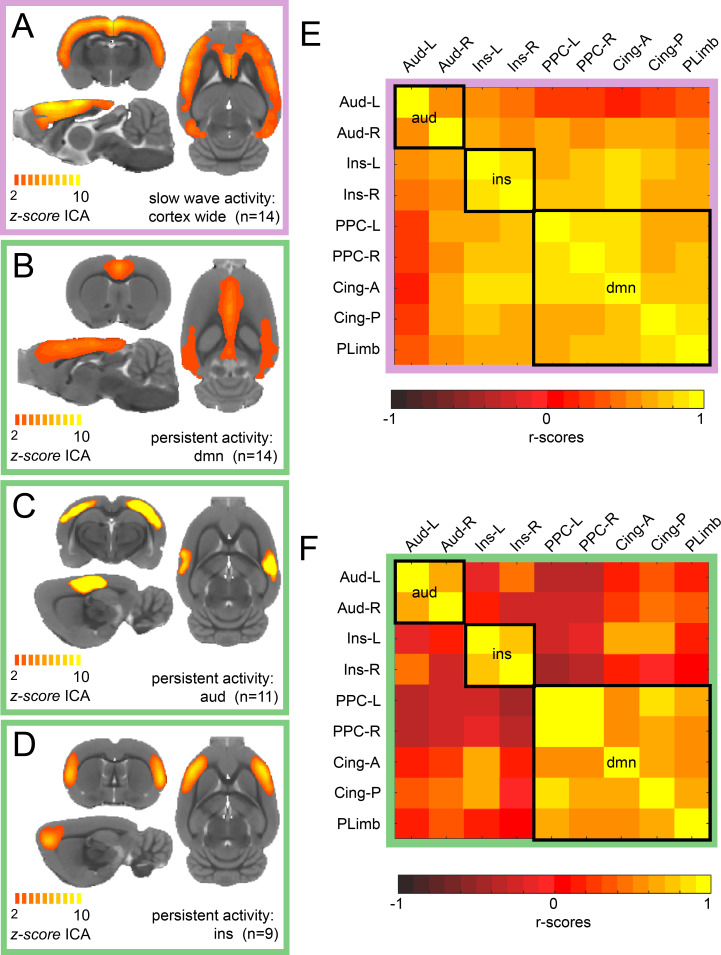
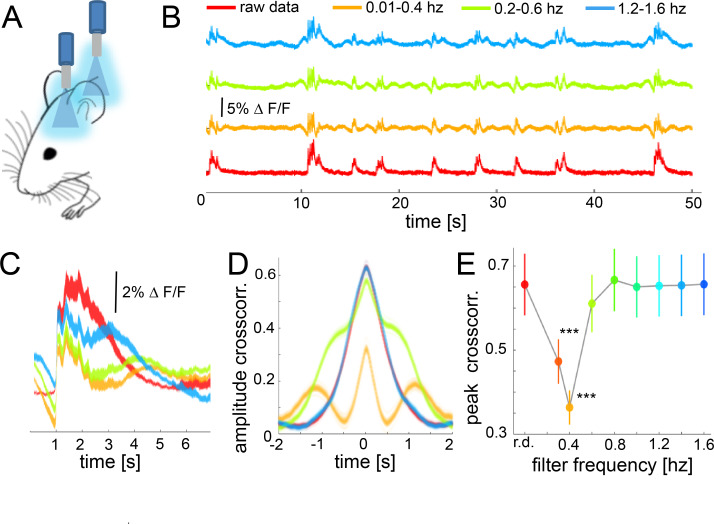
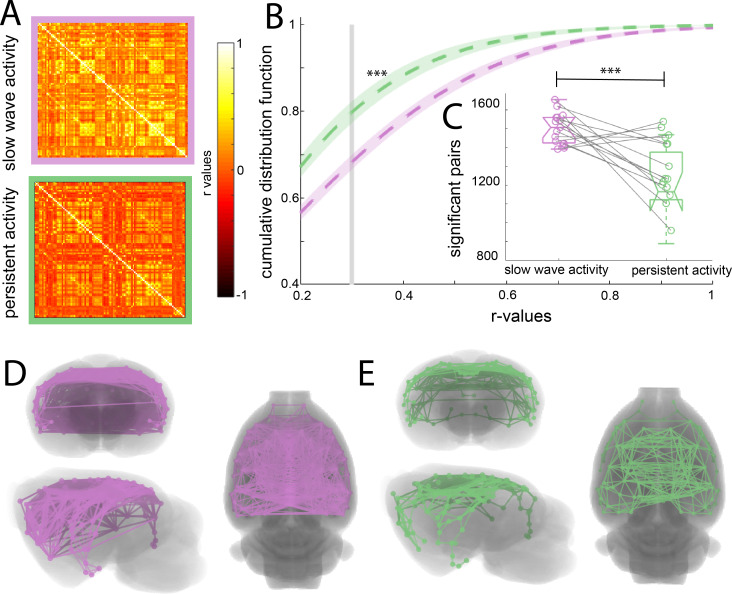
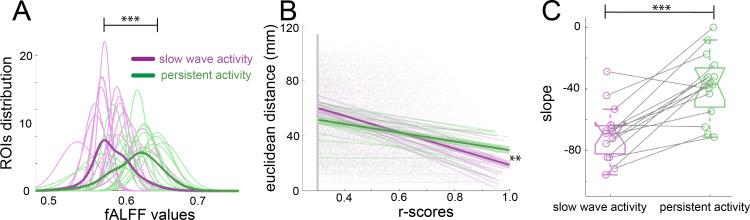
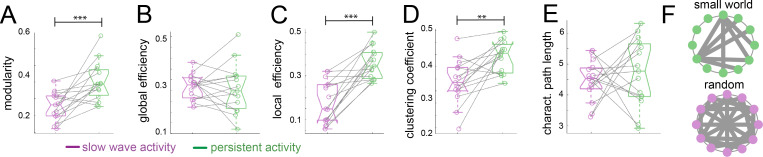
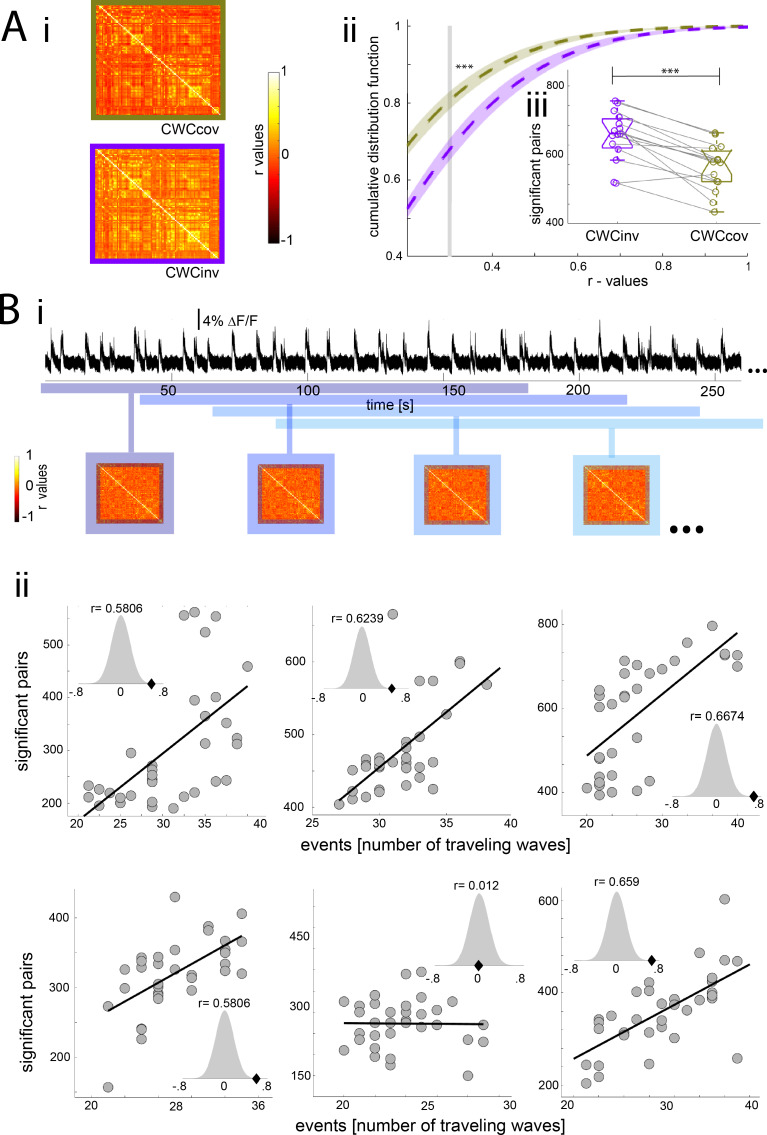
Previously, using simultaneous resting-state functional magnetic resonance imaging (fMRI) and photometry-based neuronal calcium recordings in the anesthetized rat, we identified blood oxygenation level-dependent (BOLD) responses directly related to slow calcium waves, revealing a cortex-wide and spatially organized correlate of locally recorded neuronal activity (Schwalm et al., 2017). Here, using the same techniques, we investigate two distinct cortical activity states: persistent activity, in which compartmentalized network dynamics were observed; and slow wave activity, dominated by a cortex-wide BOLD component, suggesting a strong functional coupling of inter-cortical activity. During slow wave activity, we find a correlation between the occurring slow wave events and the strength of functional connectivity between different cortical areas. These findings suggest that down-up transitions of neuronal excitability can drive cortex-wide functional connectivity. This study provides further evidence that changes in functional connectivity are dependent on the brain's current state, directly linked to the generation of slow waves.
先前,我们在麻醉大鼠中同时使用静息态功能磁共振成像(fMRI)和基于光度量的神经元钙记录技术,直接鉴定出与慢钙波相关的血氧水平依赖(BOLD)反应,揭示了局部记录神经元活动的全脑范围的空间组织相关物(Schwalm 等人,2017 年)。在这里,我们使用相同的技术研究了两种截然不同的皮质活动状态:持续活动,观察到分隔的网络动力学;以及慢波活动,由全脑 BOLD 成分主导,表明皮质间活动的强功能耦合。在慢波活动期间,我们发现发生的慢波事件与不同皮质区域之间功能连接的强度之间存在相关性。这些发现表明,神经元兴奋性的下-上转变可以驱动全脑范围的功能连接。本研究进一步证明了功能连接的变化取决于大脑的当前状态,与慢波的产生直接相关。