Department of Cell Biology and Molecular Genetics, University of Maryland, College Park, Maryland, USA.
Department of Physics, University of Alberta, Edmonton, Alberta, Canada.
J Biol Chem. 2020 Jul 31;295(31):10741-10748. doi: 10.1074/jbc.AC120.013449. Epub 2020 Jun 22.
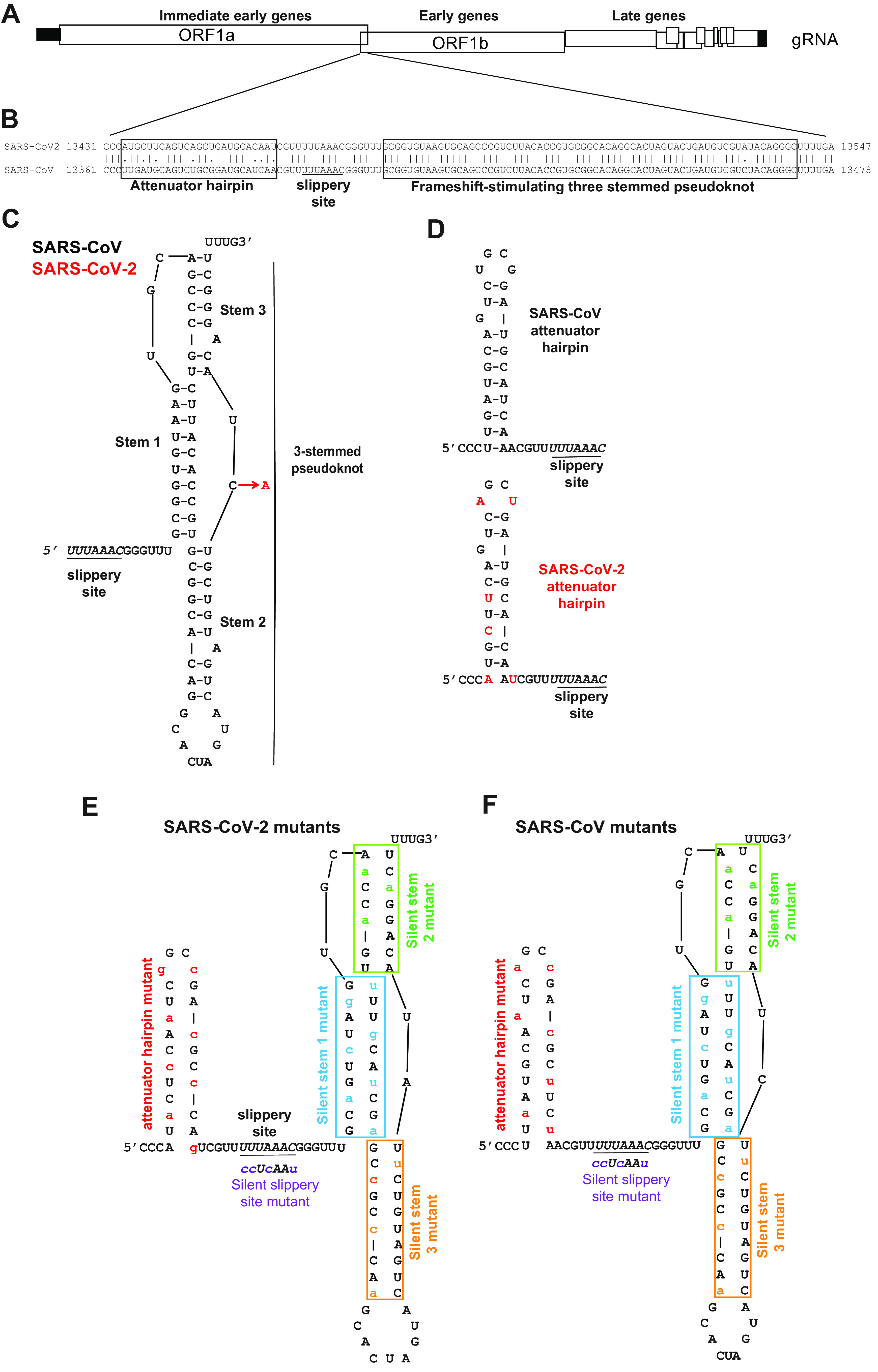
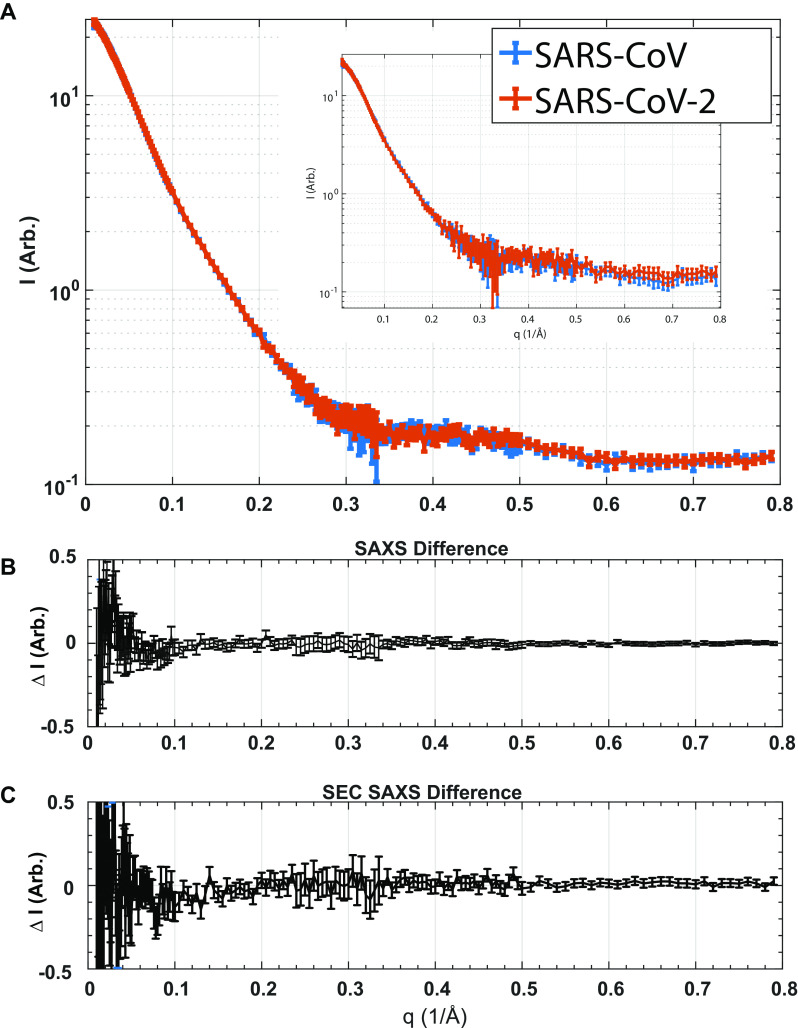
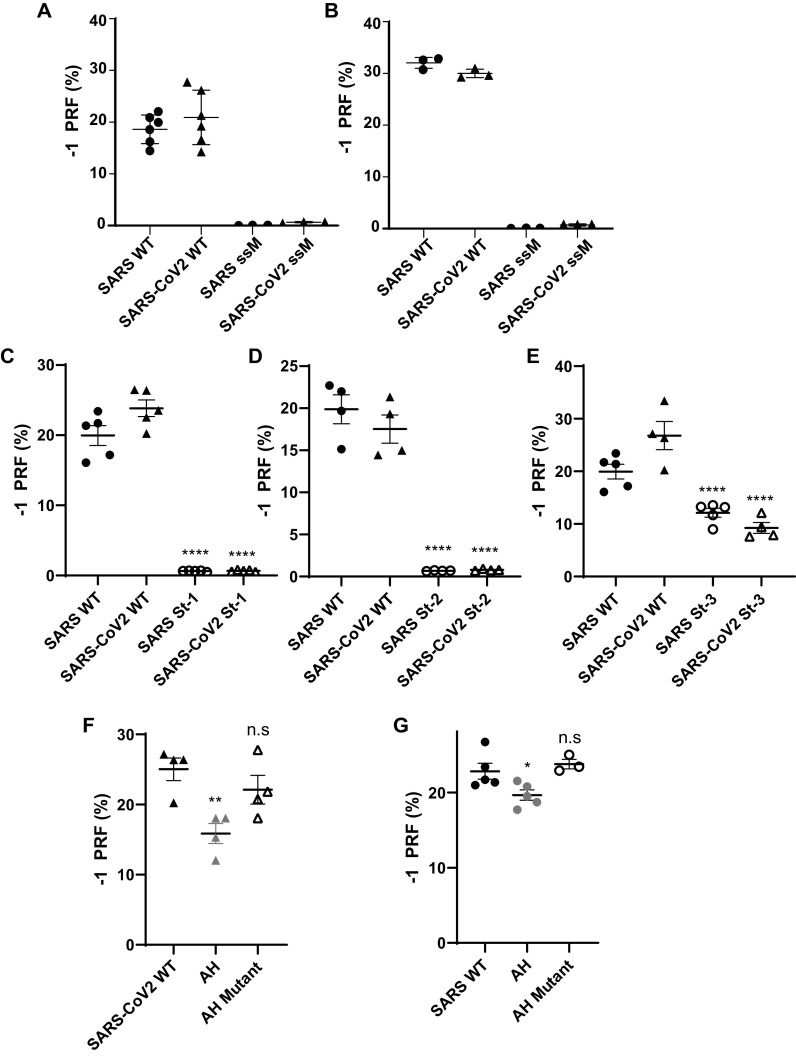
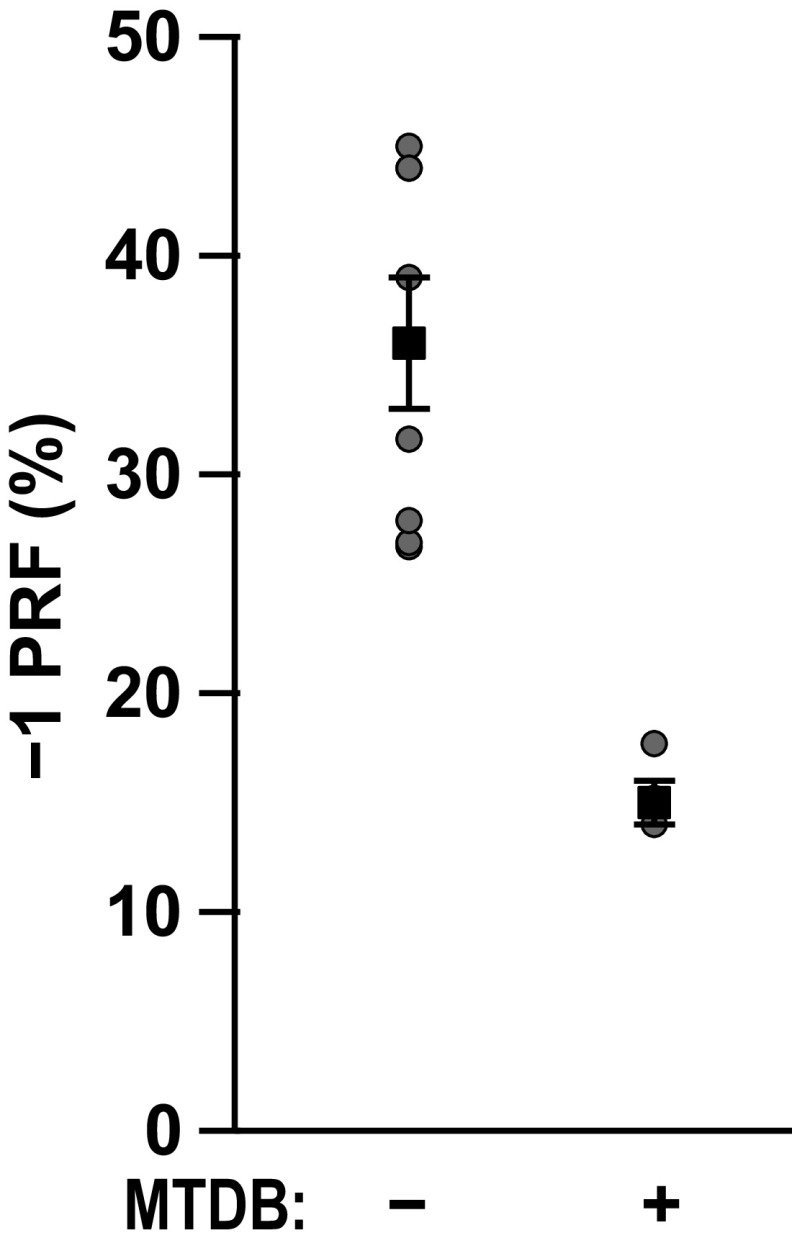
Approximately 17 years after the severe acute respiratory syndrome coronavirus (SARS-CoV) epidemic, the world is currently facing the COVID-19 pandemic caused by SARS corona virus 2 (SARS-CoV-2). According to the most optimistic projections, it will take more than a year to develop a vaccine, so the best short-term strategy may lie in identifying virus-specific targets for small molecule-based interventions. All coronaviruses utilize a molecular mechanism called programmed -1 ribosomal frameshift (-1 PRF) to control the relative expression of their proteins. Previous analyses of SARS-CoV have revealed that it employs a structurally unique three-stemmed mRNA pseudoknot that stimulates high -1 PRF rates and that it also harbors a -1 PRF attenuation element. Altering -1 PRF activity impairs virus replication, suggesting that this activity may be therapeutically targeted. Here, we comparatively analyzed the SARS-CoV and SARS-CoV-2 frameshift signals. Structural and functional analyses revealed that both elements promote similar -1 PRF rates and that silent coding mutations in the slippery sites and in all three stems of the pseudoknot strongly ablate -1 PRF activity. We noted that the upstream attenuator hairpin activity is also functionally retained in both viruses, despite differences in the primary sequence in this region. Small-angle X-ray scattering analyses indicated that the pseudoknots in SARS-CoV and SARS-CoV-2 have the same conformation. Finally, a small molecule previously shown to bind the SARS-CoV pseudoknot and inhibit -1 PRF was similarly effective against -1 PRF in SARS-CoV-2, suggesting that such frameshift inhibitors may be promising lead compounds to combat the current COVID-19 pandemic.
大约在严重急性呼吸综合征冠状病毒(SARS-CoV)流行 17 年后,世界目前正面临由 SARS 冠状病毒 2(SARS-CoV-2)引起的 COVID-19 大流行。根据最乐观的预测,开发疫苗需要一年多的时间,因此,最好的短期策略可能在于确定针对小分子干预的病毒特异性靶标。所有冠状病毒都利用一种称为核糖体 1 移码(-1 PRF)的分子机制来控制其蛋白的相对表达。先前对 SARS-CoV 的分析表明,它使用一种结构独特的三茎 mRNA 假结来刺激高-1 PRF 率,并且它还具有-1 PRF 衰减元件。改变-1 PRF 活性会损害病毒复制,这表明该活性可能是治疗的靶标。在这里,我们比较分析了 SARS-CoV 和 SARS-CoV-2 的移码信号。结构和功能分析表明,这两个元件都能促进类似的-1 PRF 率,并且在滑链和假结的三个茎中的沉默编码突变强烈削弱了-1 PRF 活性。我们注意到,尽管该区域的一级序列存在差异,但上游衰减子发夹活性在两种病毒中也保持功能。小角度 X 射线散射分析表明,SARS-CoV 和 SARS-CoV-2 的假结具有相同的构象。最后,一种先前被证明结合 SARS-CoV 假结并抑制-1 PRF 的小分子对 SARS-CoV-2 的-1 PRF 同样有效,这表明这种移码抑制剂可能是对抗当前 COVID-19 大流行的有前途的先导化合物。