Feinberg Todd E, Mallatt Jon
Icahn School of Medicine at Mount Sinai, Psychiatry and Neurology, New York, NY, United States.
The University of Washington, WWAMI Medical Education Program, The University of Idaho, Moscow, ID, United States.
Front Psychol. 2020 Jun 12;11:1041. doi: 10.3389/fpsyg.2020.01041. eCollection 2020.
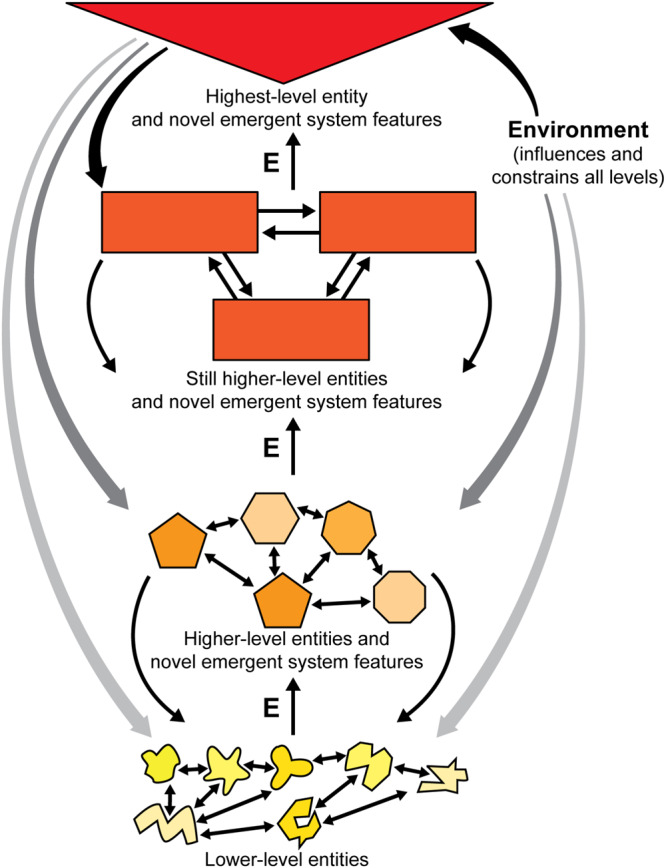
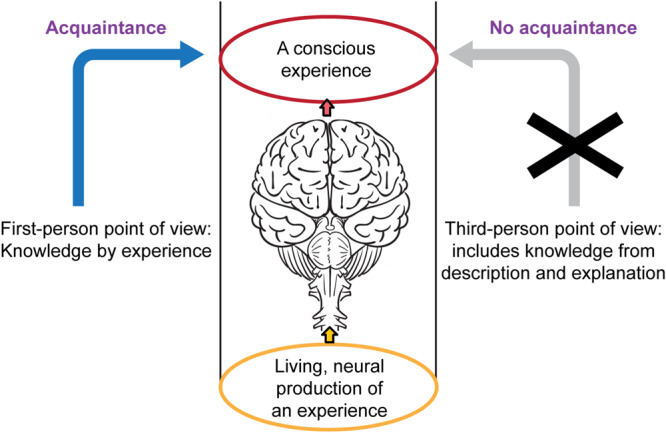
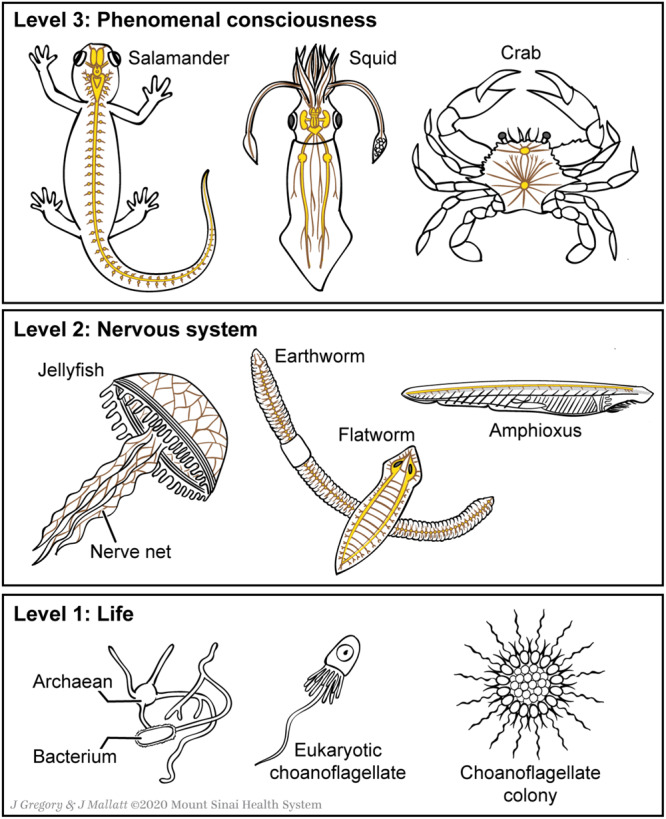
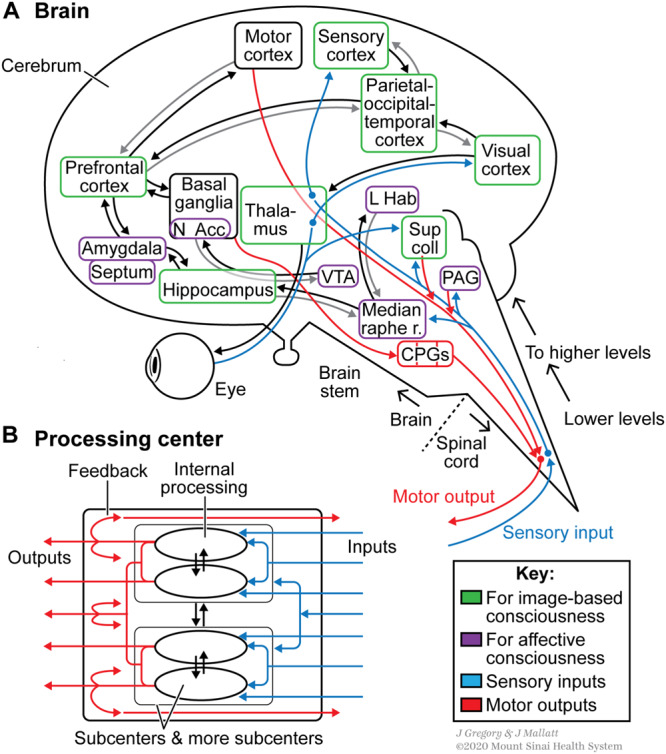
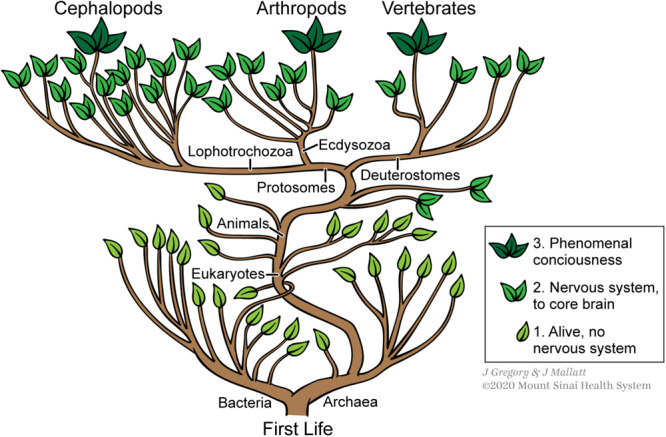
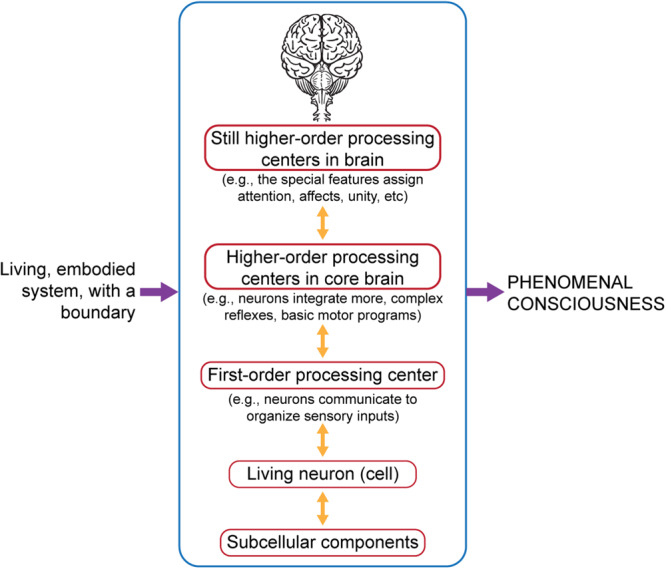
The role of emergence in the creation of consciousness has been debated for over a century, but it remains unresolved. In particular there is controversy over the claim that a "strong" or radical form of emergence is required to explain phenomenal consciousness. In this paper we use some ideas of complex system theory to trace the emergent features of life and then of complex brains through three progressive stages or levels: , and , each representing increasing biological and neurobiological complexity and ultimately leading to the emergence of phenomenal consciousness, all in physical systems. Along the way we show that consciousness fits the criteria of an emergent property-albeit one with extreme complexity. The formulation expresses these relationships. Then we consider the implications of our findings for some of the philosophical conundrums entailed by the apparent "explanatory gap" between the brain and phenomenal consciousness. We conclude that consciousness stems from the personal life of an organism with the addition of a complex nervous system that is ideally suited to maximize emergent neurobiological features and that it is an example of standard ("weak") emergence without a scientific explanatory gap. An "experiential" or epistemic gap remains, although this is ontologically untroubling.
意识产生过程中涌现的作用已经争论了一个多世纪,但仍未得到解决。特别是,对于需要一种“强”的或激进形式的涌现来解释现象意识这一说法存在争议。在本文中,我们运用复杂系统理论的一些观点,通过三个递进的阶段或层次来追溯生命以及复杂大脑的涌现特征: 、 和 ,每个阶段都代表着生物和神经生物学复杂性的增加,最终导致现象意识在物理系统中的涌现。在此过程中,我们表明意识符合涌现属性的标准——尽管是一种极其复杂的属性。公式 表达了这些关系。然后,我们思考了我们的发现对于一些哲学难题的影响,这些难题是由大脑与现象意识之间明显的“解释鸿沟”所引发的。我们得出结论,意识源于生物体的个体生命,并加上一个非常适合最大化涌现神经生物学特征的复杂神经系统,而且它是标准(“弱”)涌现的一个例子,不存在科学解释鸿沟。尽管存在一个“体验”或认知鸿沟,但这在本体论上并无困扰。