Wang Qingge, Zhou Peng, Liu Shifeng, Attarilar Shokouh, Ma Robin Lok-Wang, Zhong Yinsheng, Wang Liqiang
School of Metallurgical Engineering, Xi'an University of Architecture and Technology, No.13 Yanta Road, Xi'an 710055, China.
School of Aeronautical Materials Engineering, Xi'an Aeronautical Polytechnic Institute, Xi'an 710089, China.
Nanomaterials (Basel). 2020 Jun 26;10(6):1244. doi: 10.3390/nano10061244.
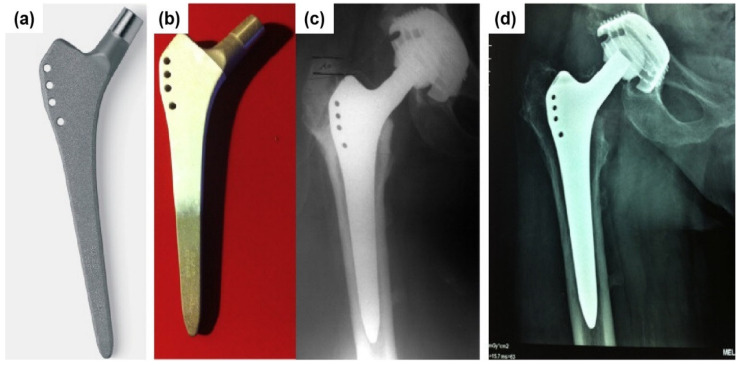
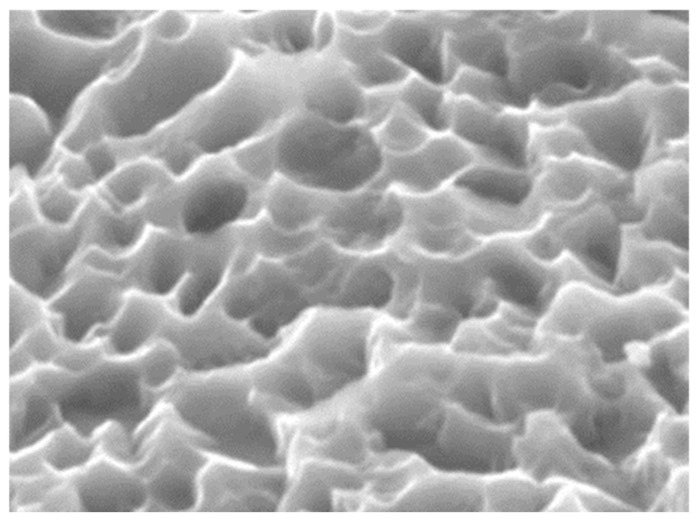
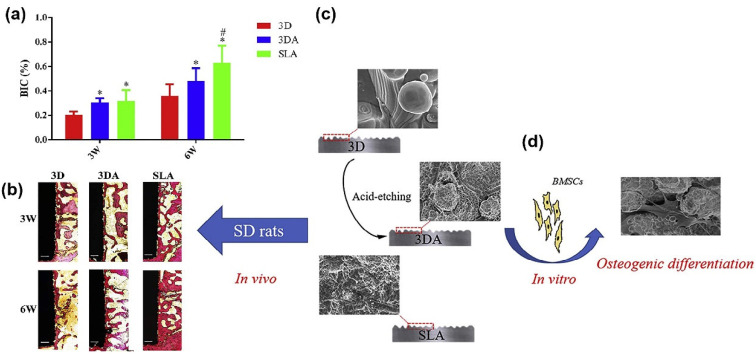
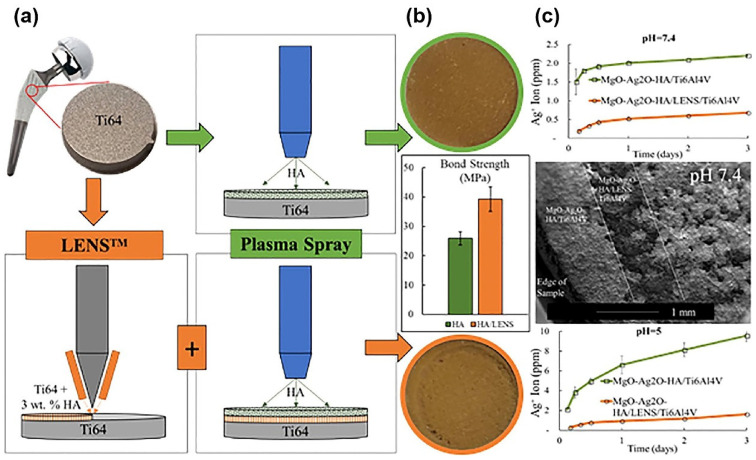
The propose of this review was to summarize the advances in multi-scale surface technology of titanium implants to accelerate the osseointegration process. The several multi-scaled methods used for improving wettability, roughness, and bioactivity of implant surfaces are reviewed. In addition, macro-scale methods (e.g., 3D printing (3DP) and laser surface texturing (LST)), micro-scale (e.g., grit-blasting, acid-etching, and Sand-blasted, Large-grit, and Acid-etching (SLA)) and nano-scale methods (e.g., plasma-spraying and anodization) are also discussed, and these surfaces are known to have favorable properties in clinical applications. Functionalized coatings with organic and non-organic loadings suggest good prospects for the future of modern biotechnology. Nevertheless, because of high cost and low clinical validation, these partial coatings have not been commercially available so far. A large number of in vitro and in vivo investigations are necessary in order to obtain in-depth exploration about the efficiency of functional implant surfaces. The prospective titanium implants should possess the optimum chemistry, bionic characteristics, and standardized modern topographies to achieve rapid osseointegration.
本综述的目的是总结钛植入物多尺度表面技术的进展,以加速骨整合过程。本文回顾了几种用于改善种植体表面润湿性、粗糙度和生物活性的多尺度方法。此外,还讨论了宏观尺度方法(如3D打印(3DP)和激光表面纹理化(LST))、微观尺度方法(如喷砂、酸蚀和喷砂大颗粒酸蚀(SLA))以及纳米尺度方法(如等离子喷涂和阳极氧化),这些表面在临床应用中具有良好的性能。含有有机和无机负载的功能化涂层为现代生物技术的未来发展展现了良好前景。然而,由于成本高且临床验证不足,这些局部涂层目前尚未商业化。为了深入探究功能性种植体表面的有效性,需要进行大量的体外和体内研究。未来的钛植入物应具备最佳的化学性质、仿生特性和标准化的现代形貌,以实现快速骨整合。