Madrid Institute for Advanced studies in Food (IMDEA Food). Ctra. Cantoblanco 8, 28049 Madrid, Spain.
Nutrients. 2020 Jun 30;12(7):1946. doi: 10.3390/nu12071946.
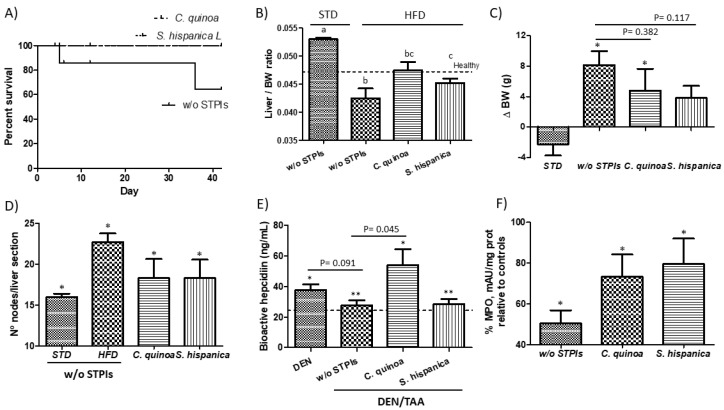
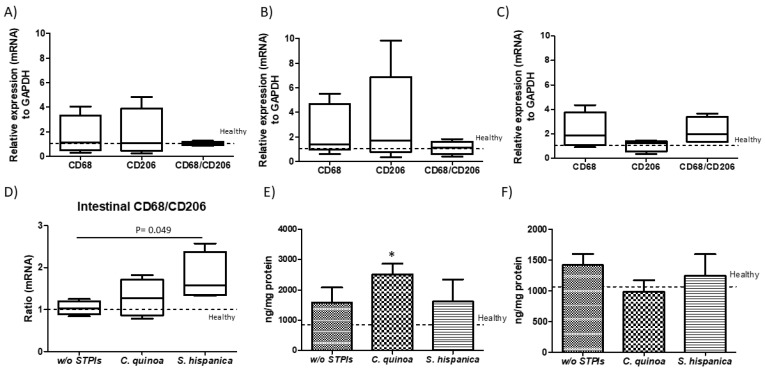
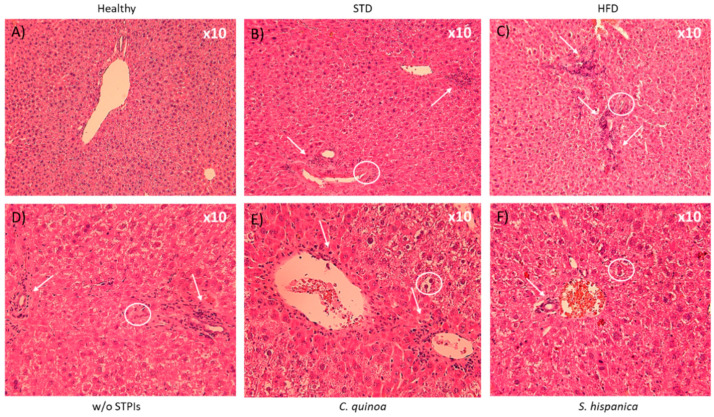
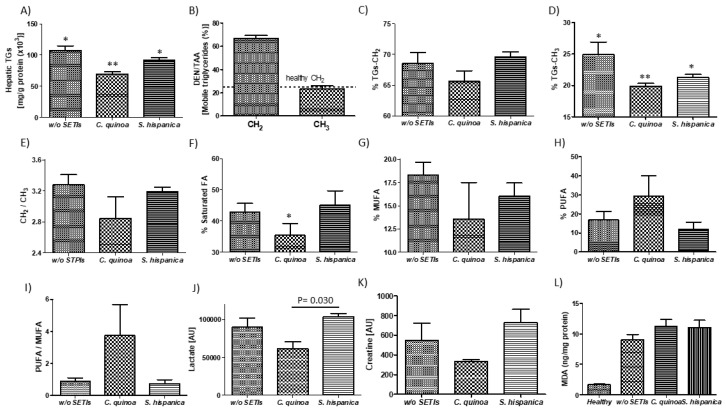
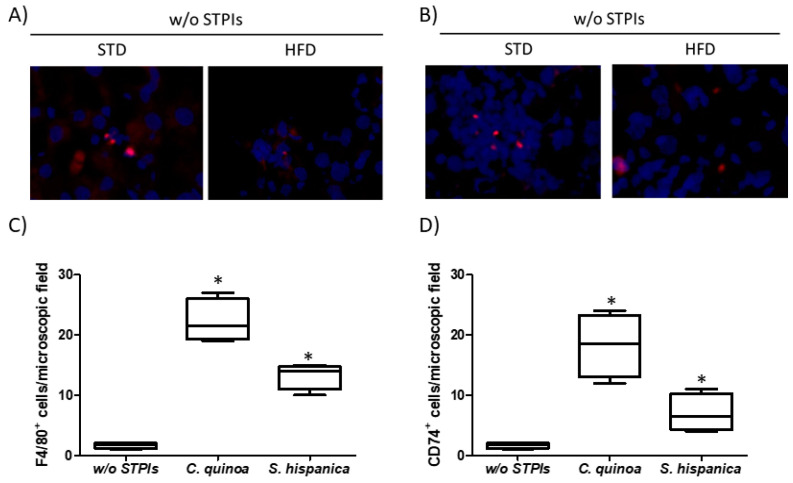
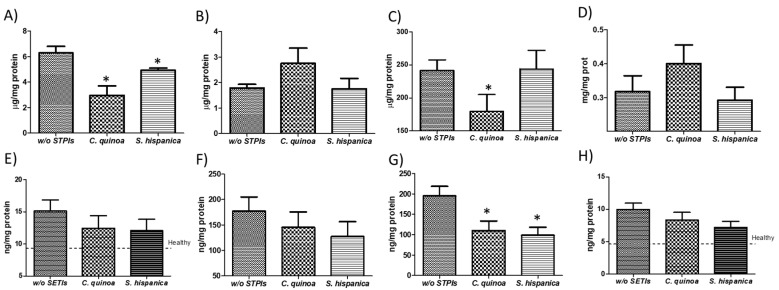
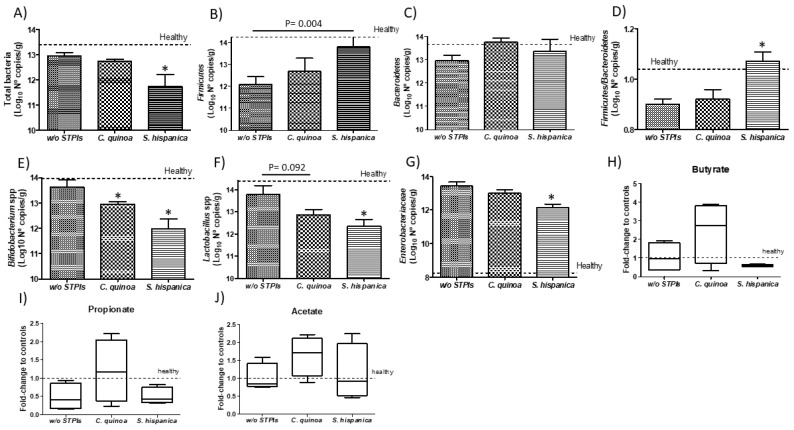
Complex interactions between immunonutritional agonist and high fat intake (HFD), the immune system and finally gut microbiota are important determinants of hepatocarcinoma (HCC) severity. The ability of immunonutritional agonists to modulate major aspects such as liver innate immunity and inflammation and alterations in major lipids profile as well as gut microbiota during HCC development is poorly understood. H NMR has been employed to assess imbalances in saturated fatty acids, MUFA and PUFA, which were associated to variations in iron homeostasis. These effects were dependent on the botanical nature ( vs. L.) of the compounds. The results showed that immunonutritional agonists' promoted resistance to hepatocarcinogenesis under pro-tumorigenic inflammation reflected, at a different extent, in increased proportions of F4/80 cells in injured livers as well as positive trends of accumulated immune mediators (CD68/CD206 ratio) in intestinal tissue. Administration of all immunonutritional agonists caused similar variations of fecal microbiota, towards a lower obesity-inducing potential than animals only fed a HFD. Modulation of to contents restored the induction of microbial metabolites to improve epithelial barrier function, showing an association with liver saturated fatty acids and the MUFA and PUFA fractions. Collectively, these data provide novel findings supporting beneficial immunometabolic effects targeting hepatocarcinogenesis, influencing innate immunity within the gut-liver axis, and providing novel insights into their immunomodulatory activity.
免疫营养激动剂与高脂肪饮食(HFD)、免疫系统以及最终的肠道微生物群之间的复杂相互作用是肝癌(HCC)严重程度的重要决定因素。免疫营养激动剂在调节肝脏先天免疫和炎症等主要方面的能力,以及在 HCC 发展过程中主要脂质谱和肠道微生物群的改变,目前还了解甚少。NMR 已被用于评估饱和脂肪酸、MUFA 和 PUFA 的失衡,这些失衡与铁稳态的变化有关。这些作用取决于化合物的植物学性质( 与 相比)。结果表明,免疫营养激动剂在促肿瘤炎症下促进了肝癌的耐药性,这在不同程度上反映在受损肝脏中 F4/80 细胞比例的增加以及肠道组织中累积免疫介质(CD68/CD206 比值)的阳性趋势。所有免疫营养激动剂的给药都导致粪便微生物群的相似变化,其诱导肥胖的潜力低于仅喂食 HFD 的动物。对 和 含量的调节恢复了诱导微生物代谢物以改善上皮屏障功能的作用,这与肝脏饱和脂肪酸以及 MUFA 和 PUFA 部分有关。总的来说,这些数据提供了新的发现,支持针对肝癌发生的有益免疫代谢作用,影响肠道-肝脏轴内的先天免疫,并为其免疫调节活性提供了新的见解。