Gebze Technical University, Institute of Biotechnology, Gebze, 41400 Kocaeli, Turkey.
Cancer Research Group, School of Life Sciences, University of Westminster, London W1W 6UW, UK.
Int J Mol Sci. 2020 Jun 30;21(13):4662. doi: 10.3390/ijms21134662.
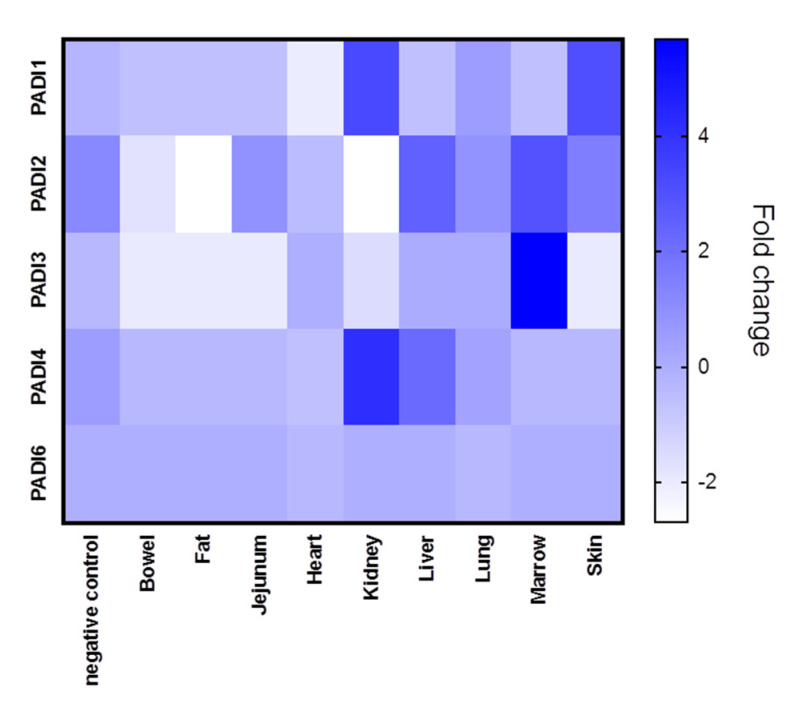
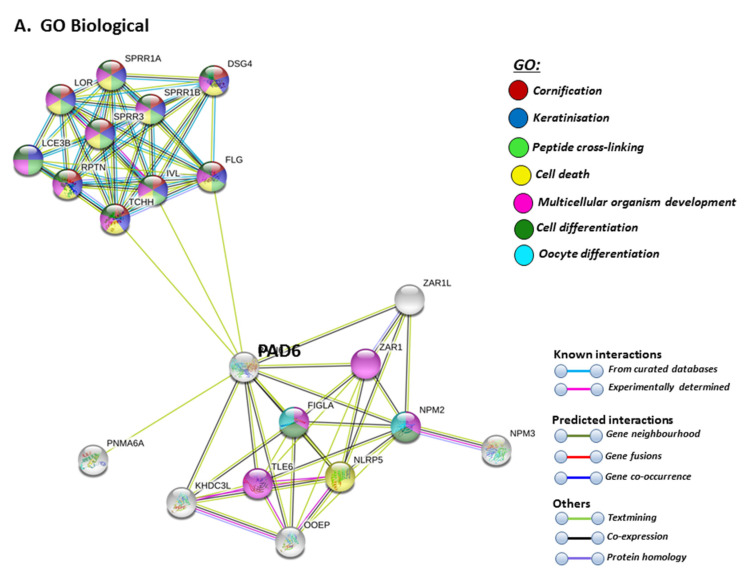
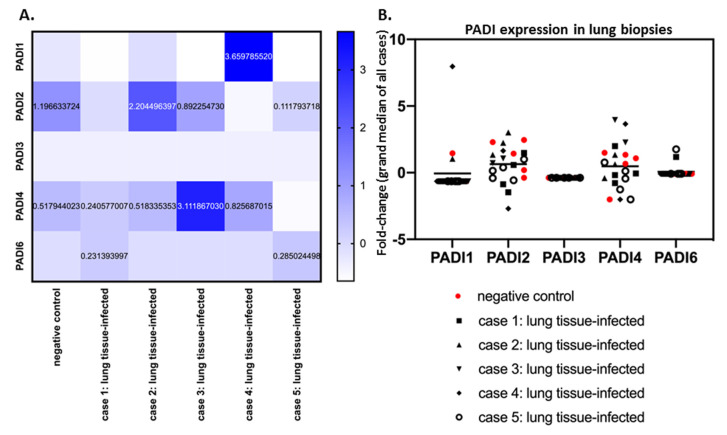
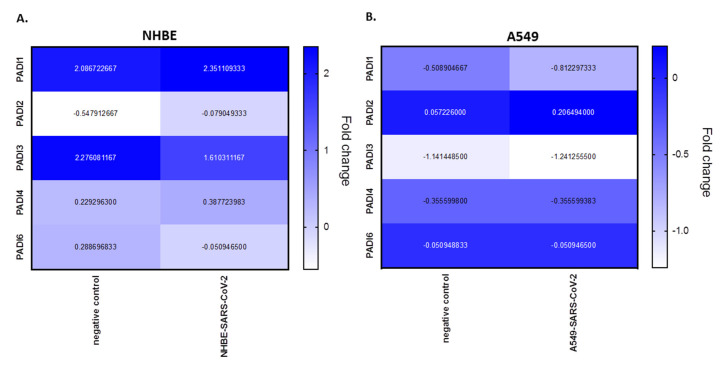
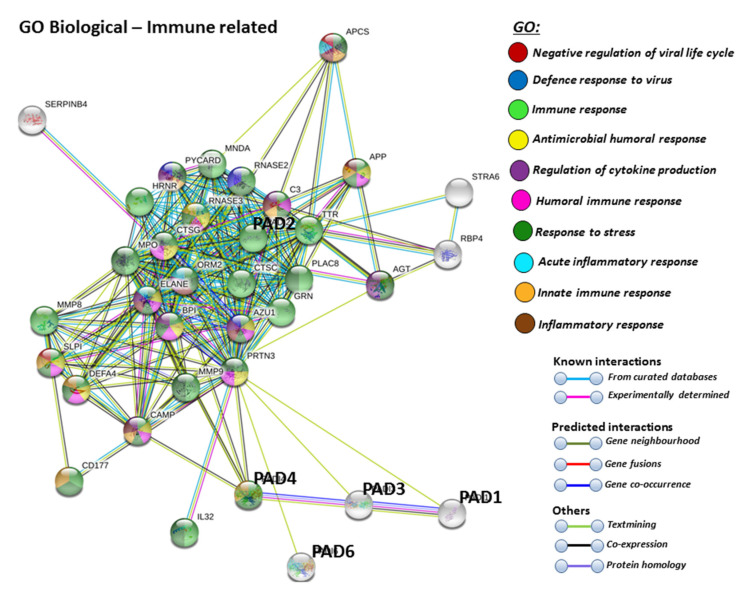
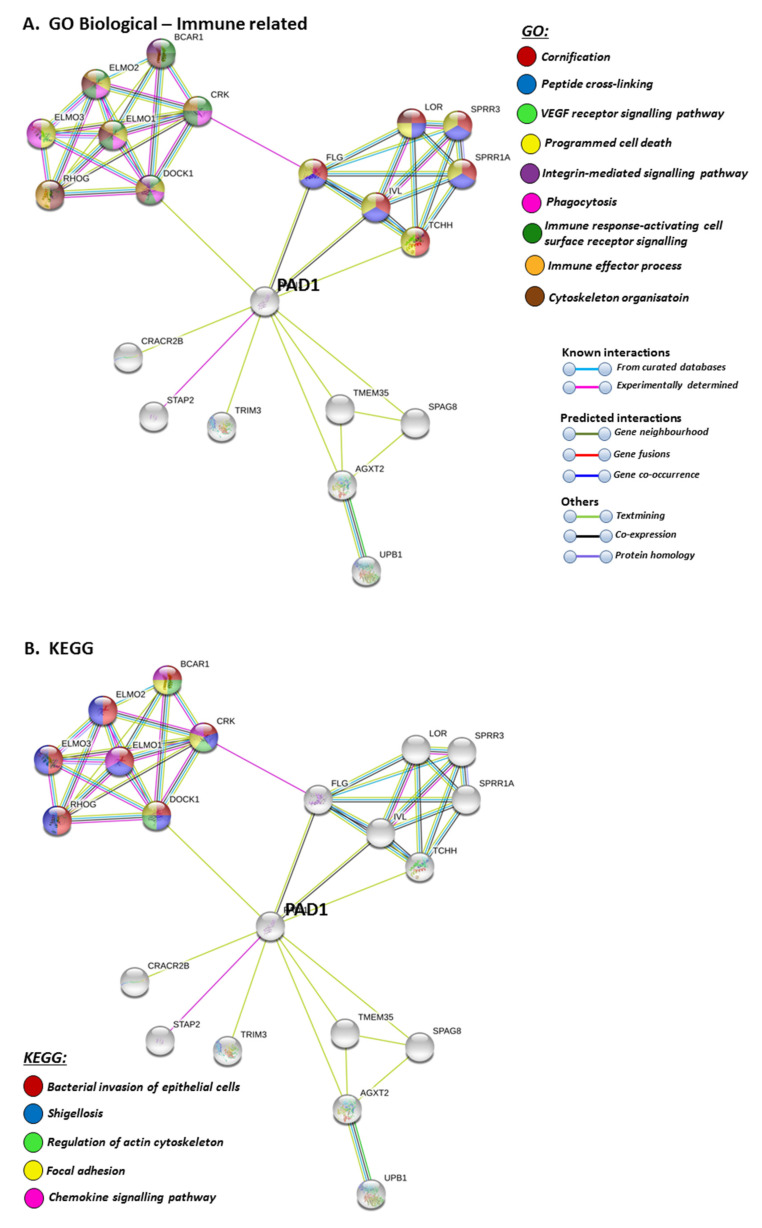
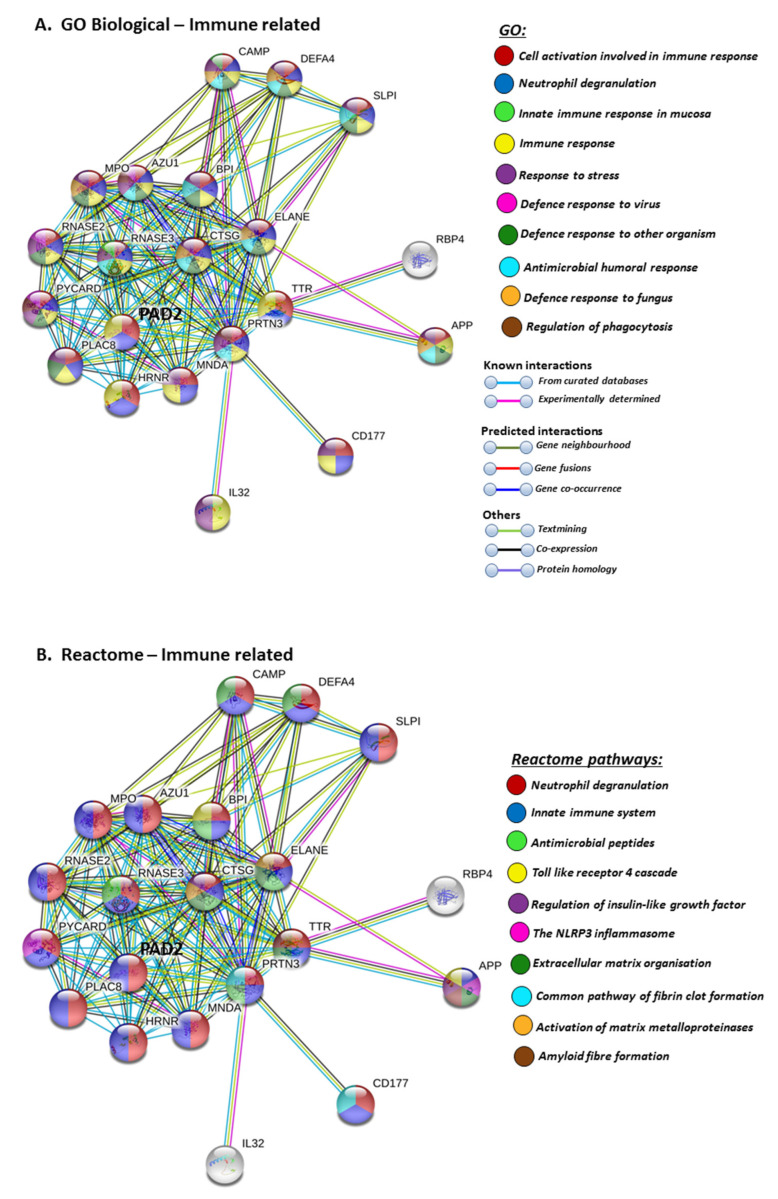
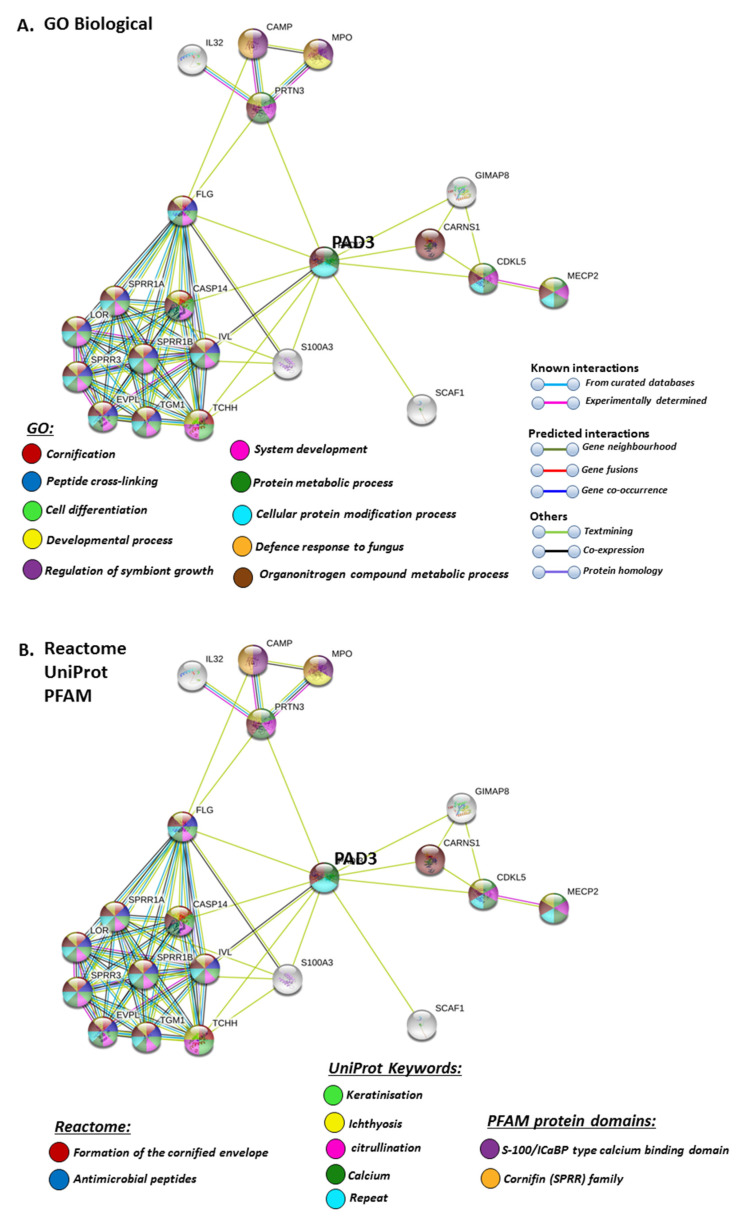
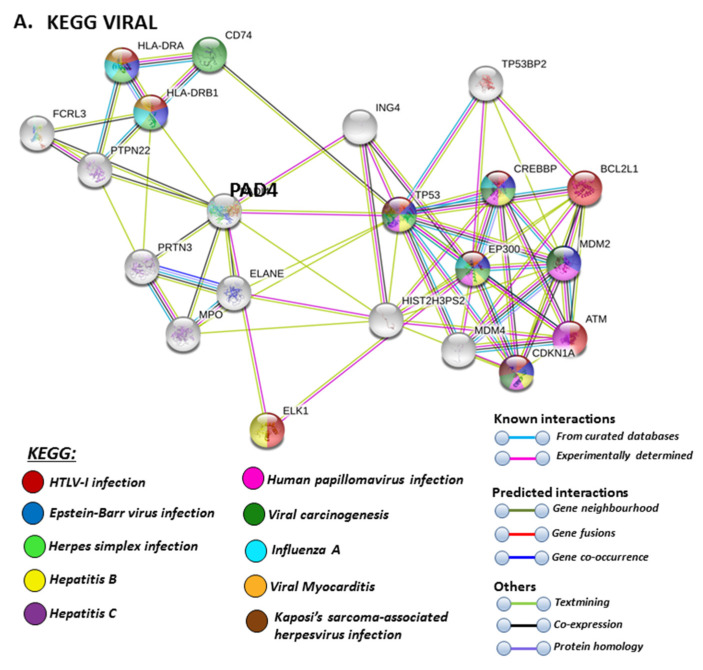
Peptidylarginine deiminases (PADs) are a family of calcium-regulated enzymes that are phylogenetically conserved and cause post-translational deimination/citrullination, contributing to protein moonlighting in health and disease. PADs are implicated in a range of inflammatory and autoimmune conditions, in the regulation of extracellular vesicle (EV) release, and their roles in infection and immunomodulation are known to some extent, including in viral infections. In the current study we describe putative roles for PADs in COVID-19, based on in silico analysis of BioProject transcriptome data (PRJNA615032 BioProject), including lung biopsies from healthy volunteers and SARS-CoV-2-infected patients, as well as SARS-CoV-2-infected, and mock human bronchial epithelial NHBE and adenocarcinoma alveolar basal epithelial A549 cell lines. In addition, BioProject Data PRJNA631753, analysing patients tissue biopsy data (n = 5), was utilised. We report a high individual variation observed for all PADI isozymes in the patients' tissue biopsies, including lung, in response to SARS-CoV-2 infection, while PADI2 and PADI4 mRNA showed most variability in lung tissue specifically. The other tissues assessed were heart, kidney, marrow, bowel, jejunum, skin and fat, which all varied with respect to mRNA levels for the different PADI isozymes. In vitro lung epithelial and adenocarcinoma alveolar cell models revealed that PADI1, PADI2 and PADI4 mRNA levels were elevated, but PADI3 and PADI6 mRNA levels were reduced in SARS-CoV-2-infected NHBE cells. In A549 cells, PADI2 mRNA was elevated, PADI3 and PADI6 mRNA was downregulated, and no effect was observed on the PADI4 or PADI6 mRNA levels in infected cells, compared with control mock cells. Our findings indicate a link between PADI expression changes, including modulation of PADI2 and PADI4, particularly in lung tissue, in response to SARS-CoV-2 infection. PADI isozyme 1-6 expression in other organ biopsies also reveals putative links to COVID-19 symptoms, including vascular, cardiac and cutaneous responses, kidney injury and stroke. KEGG and GO pathway analysis furthermore identified links between PADs and inflammatory pathways, in particular between PAD4 and viral infections, as well as identifying links for PADs with a range of comorbidities. The analysis presented here highlights roles for PADs in-host responses to SARS-CoV-2, and their potential as therapeutic targets in COVID-19.
肽基精氨酸脱亚氨酶(PADs)是一组钙调节酶,在系统发生上保守,可引起翻译后脱精氨酸/瓜氨酸化,从而促进健康和疾病中的蛋白质多功能性。PADs 与多种炎症和自身免疫性疾病有关,参与细胞外囊泡(EV)的释放调节,其在感染和免疫调节中的作用在一定程度上是已知的,包括在病毒感染中。在本研究中,我们根据 BioProject 转录组数据(PRJNA615032 BioProject)的计算机分析,描述了 PADs 在 COVID-19 中的潜在作用,包括来自健康志愿者和 SARS-CoV-2 感染患者的肺活检,以及 SARS-CoV-2 感染和模拟的人支气管上皮 NHBE 和腺癌细胞系 A549。此外,还利用了 BioProject Data PRJNA631753 分析患者组织活检数据(n=5)。我们报告了在 SARS-CoV-2 感染时,所有 PADI 同工酶在患者组织活检中的个体变化很大,包括肺组织,而 PADI2 和 PADI4 mRNA 在肺组织中表现出最大的变异性。评估的其他组织包括心脏、肾脏、骨髓、肠道、空肠、皮肤和脂肪,它们的不同 PADI 同工酶的 mRNA 水平都有所不同。体外肺上皮和腺癌细胞模型表明,SARS-CoV-2 感染 NHBE 细胞中 PADI1、PADI2 和 PADI4 mRNA 水平升高,但 PADI3 和 PADI6 mRNA 水平降低。在 A549 细胞中,PADI2 mRNA 水平升高,PADI3 和 PADI6 mRNA 水平下调,与对照模拟细胞相比,感染细胞中 PADI4 或 PADI6 mRNA 水平没有变化。我们的研究结果表明,PADI 表达变化之间存在联系,包括 SARS-CoV-2 感染时 PADI2 和 PADI4 的调节,特别是在肺组织中。其他器官活检中的 PADI 同工酶 1-6 表达也显示出与 COVID-19 症状的潜在联系,包括血管、心脏和皮肤反应、肾脏损伤和中风。KEGG 和 GO 途径分析进一步确定了 PADs 与炎症途径之间的联系,特别是 PAD4 与病毒感染之间的联系,并确定了 PADs 与一系列合并症之间的联系。本文的分析强调了 PADs 在宿主对 SARS-CoV-2 反应中的作用,以及它们在 COVID-19 中作为治疗靶点的潜力。