Brojanigo Silvia, Parro Elettra, Cazzorla Tiziano, Favaro Lorenzo, Basaglia Marina, Casella Sergio
Department of Agronomy, Food, Natural Resources, Animals and Environment (DAFNAE), University of Padova, Agripolis, 35020 Legnaro (PD), Italy.
Polymers (Basel). 2020 Jul 4;12(7):1496. doi: 10.3390/polym12071496.
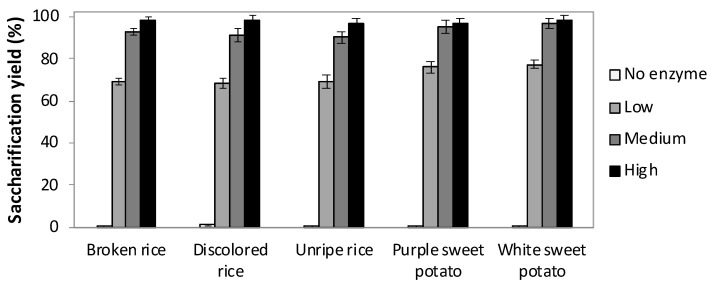
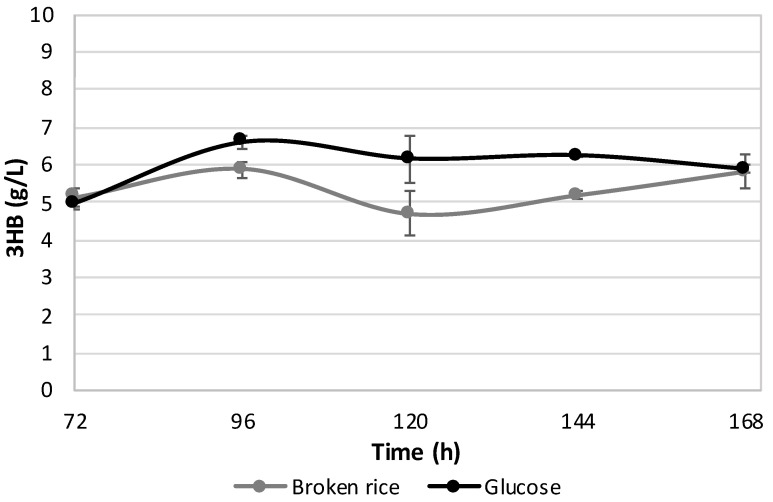
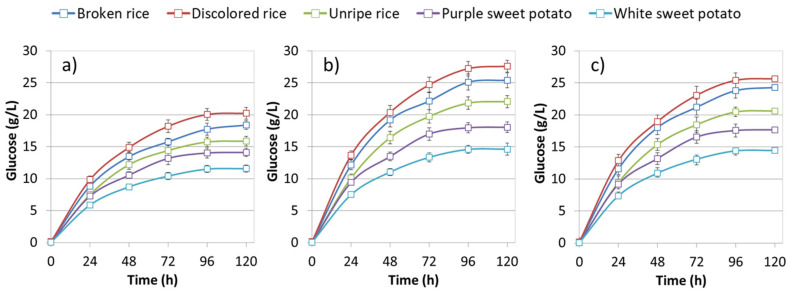
Due to oil shortage and environmental problems, synthetic plastics have to be replaced by different biodegradable materials. A promising alternative could be polyhydroxyalkanoates (PHAs), and the low-cost abundant agricultural starchy by-products could be usefully converted into PHAs by properly selected and/or developed microbes. Among the widely available starchy waste streams, a variety of residues have been explored as substrates, such as broken, discolored, unripe rice and white or purple sweet potato waste. DSM 545, a well-known producer of PHAs, was adopted in a simultaneous saccharification and fermentation (SSF) process through an optimized dosage of the commercial amylases cocktail STARGEN™ 002. Broken rice was found to be the most promising carbon source with PHAs levels of up to 5.18 g/L. This research demonstrates that rice and sweet potato waste are low-cost feedstocks for PHAs production, paving the way for the processing of other starchy materials into bioplastics.
由于石油短缺和环境问题,合成塑料不得不被不同的可生物降解材料所取代。一种有前景的替代品可能是聚羟基脂肪酸酯(PHA),通过适当选择和/或开发的微生物,可以将低成本且丰富的农业淀粉副产品有效地转化为PHA。在广泛可得的淀粉废物流中,已探索了多种残渣作为底物,如碎米、变色未成熟的大米以及白色或紫色红薯废料。DSM 545是一种著名的PHA生产商,通过优化商业淀粉酶混合物STARGEN™ 002的用量,采用同步糖化发酵(SSF)工艺。发现碎米是最有前景的碳源,PHA产量高达5.18克/升。这项研究表明,大米和红薯废料是生产PHA的低成本原料,为将其他淀粉材料加工成生物塑料铺平了道路。