Yismaw Yazachew Engida, Abdelwuhab Mohammedbrhan, Ambikar Digambar B, Yismaw Ayenew Engida, Derebe Dagninet, Melkam Wondim
Bahir Dar University, College of Medicine and Health Science, School of Health Science, Bahir Dar, Ethiopia.
University of Gondar, College of Medicine and Health Science, School of Pharmacy, Gondar, Ethiopia.
Clin Pharmacol. 2020 Jun 26;12:67-73. doi: 10.2147/CPAA.S245672. eCollection 2020.
Peptic ulcer disease represents a worldwide health problem because of its high morbidity, mortality and economic loss. It is a very prevalent condition affecting around 10%-15% of the general population worldwide. Most of the available antiulcer drugs are costly and have an incidence of relapse, drug interactions and several side effects upon chronic usage. Hence, the use of herbal medicine may be safe, economical and effective in such cases when drugs are used for long periods. Ethnobotanical reports showed traditional claims on the use of seeds for the treatment of gastric ulcers. However, the safety and efficacy of these remedies are not well known. The aim of this study is, therefore, to evaluate the antiulcer activity and safety of a crude extract of seeds in animal models.
Shade-dried seeds of were extracted by 80% methanol and dried by the rotator evaporator and lyophilized. The crude extract was used to evaluate antiulcer activity in vivo with pylorus ligation method, on Wistar albino rats weighing 230-250g. Preliminary phytochemical screening was performed using a standard procedure. Acute toxicity study was carried out in Swiss albino mice before antiulcer activity tests.
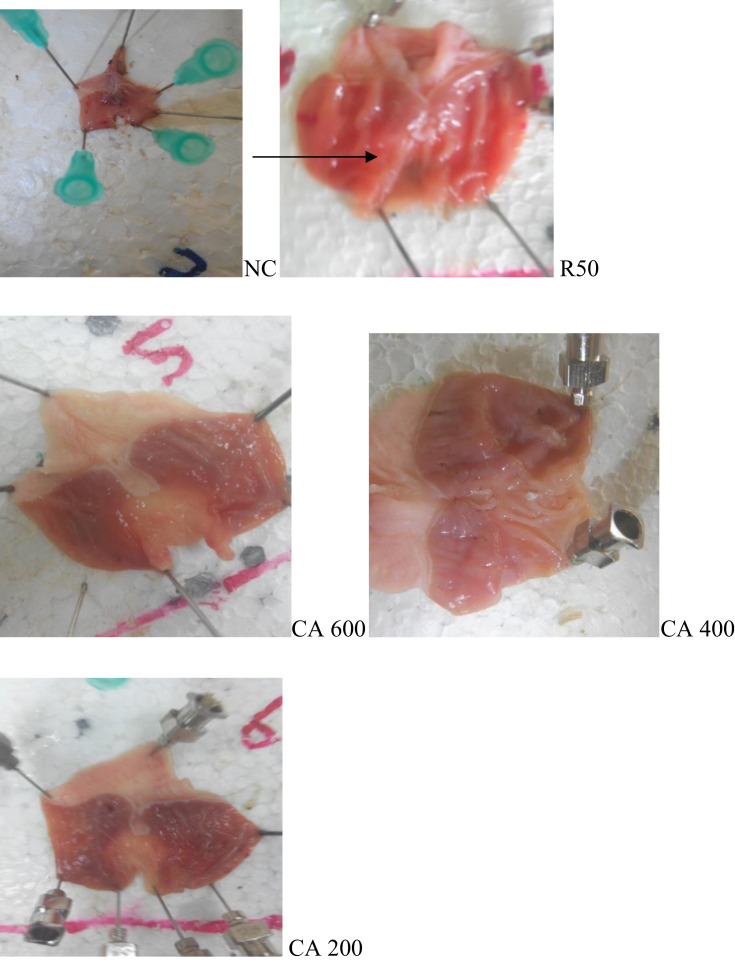
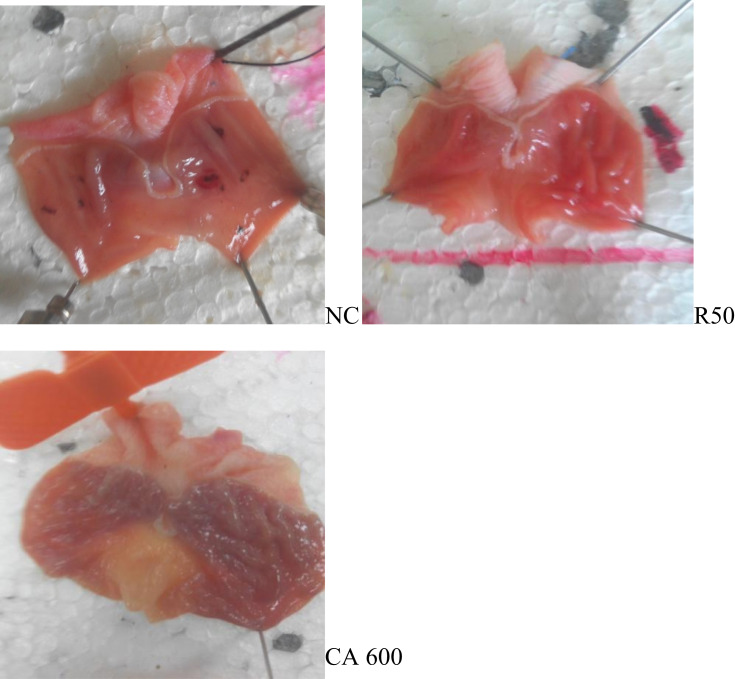
No sign of toxicity was observed upon the administration of 2000 mg/kg of the crude extract to mice. Single-dose administration of 400 and 600 mg/kg extract showed a significant reduction in the volume of secretion and acidity of the stomach (p <0.01). The doses 400 and 600 mg/kg have reduced the ulcer score by 83.58% and 88%.
The result of this study showed that the hydromethanolic crude extract of has strong antisecretory and ulcer protective activities against ulcers produced by pylorus ligation.
消化性溃疡病因其高发病率、死亡率和经济损失,是一个全球性的健康问题。它是一种非常普遍的疾病,影响着全球约10%-15%的普通人群。大多数现有的抗溃疡药物价格昂贵,且存在复发率、药物相互作用以及长期使用时的多种副作用。因此,在长期使用药物的情况下,草药可能在这类病例中是安全、经济且有效的。民族植物学报告显示了关于使用[种子名称未给出]种子治疗胃溃疡的传统说法。然而,这些疗法的安全性和有效性尚不清楚。因此,本研究的目的是评估[种子名称未给出]种子粗提物在动物模型中的抗溃疡活性和安全性。
将[植物名称未给出]的阴干种子用80%甲醇提取,通过旋转蒸发仪干燥并冻干。粗提物用于在体重230-250g的Wistar白化大鼠上采用幽门结扎法进行体内抗溃疡活性评估。使用标准程序进行初步植物化学筛选。在抗溃疡活性测试之前,在瑞士白化小鼠中进行急性毒性研究。
给小鼠施用2000mg/kg粗提物后未观察到毒性迹象。单剂量施用400和600mg/kg提取物显示胃分泌量和酸度显著降低(p<0.01)。400和600mg/kg剂量使溃疡评分降低了83.58%和88%。
本研究结果表明,[植物名称未给出]的氢甲醇粗提物对幽门结扎引起的溃疡具有很强的抗分泌和溃疡保护活性。