Alard Emilie, Butnariu Aura-Bianca, Grillo Marta, Kirkham Charlotte, Zinovkin Dmitry Aleksandrovich, Newnham Louise, Macciochi Jenna, Pranjol Md Zahidul Islam
School of Life Sciences, University of Sussex, Falmer, Brighton, BN1 9QG, UK.
Department of Pathology, Gomel State Medical University, Gomel Region 246000, Belarus.
Cancers (Basel). 2020 Jul 7;12(7):1826. doi: 10.3390/cancers12071826.
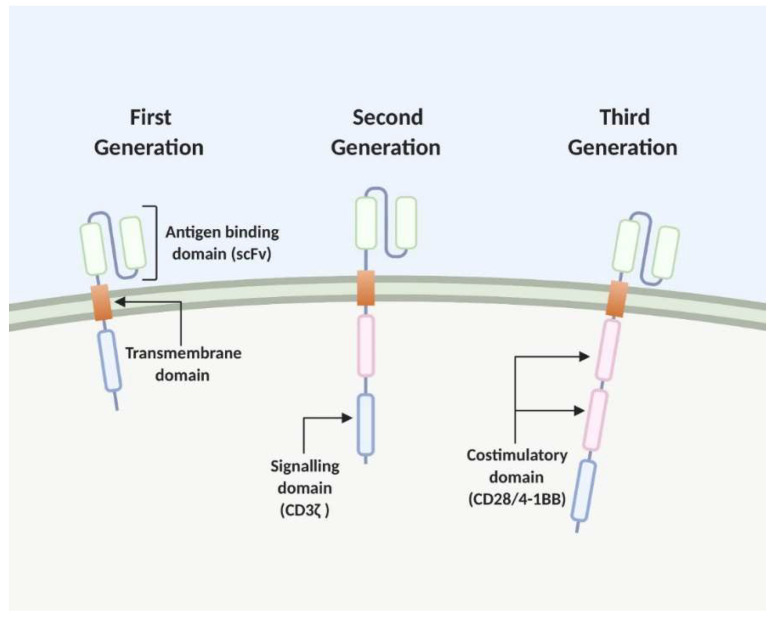
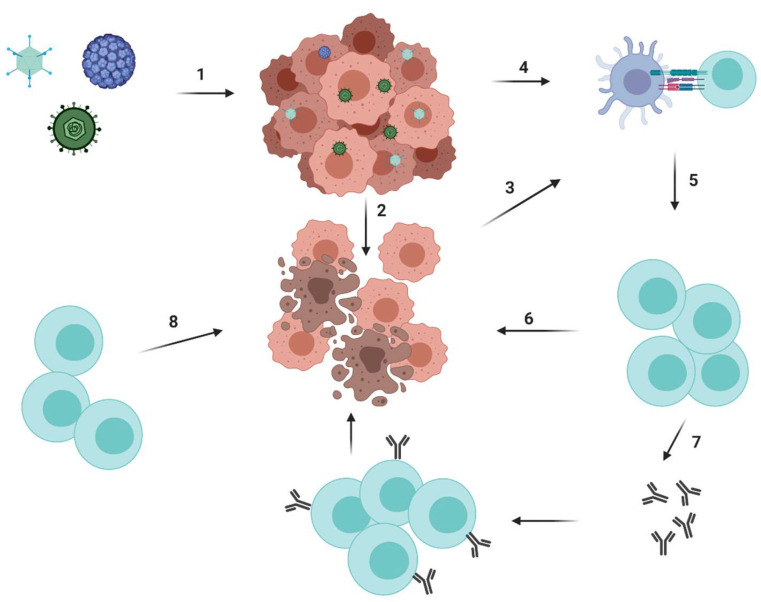
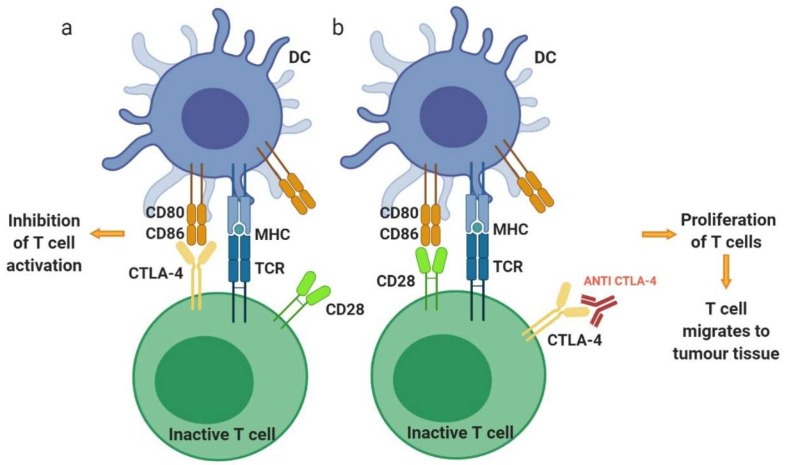
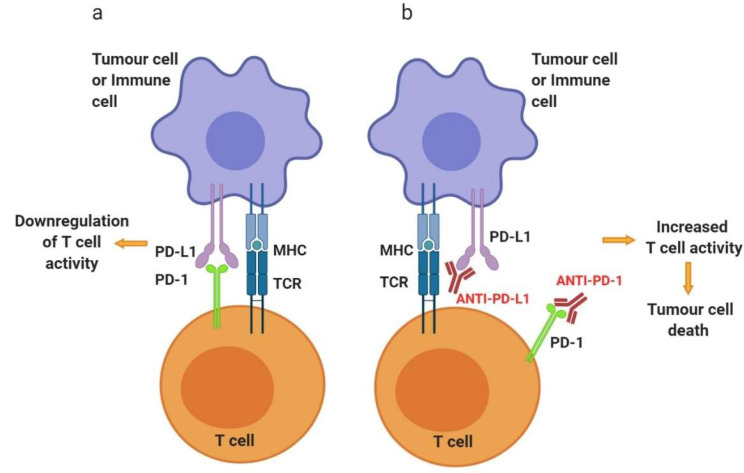
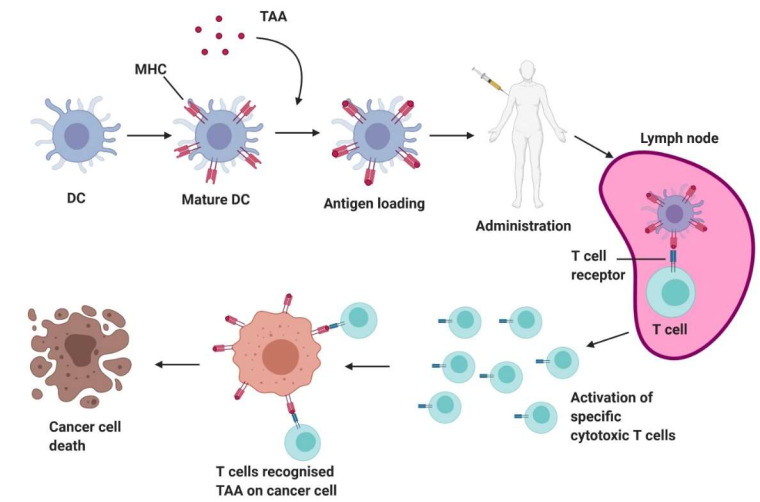
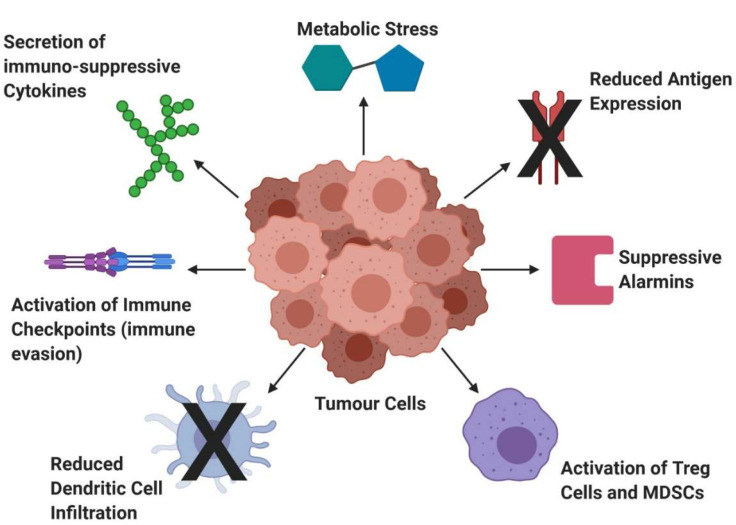
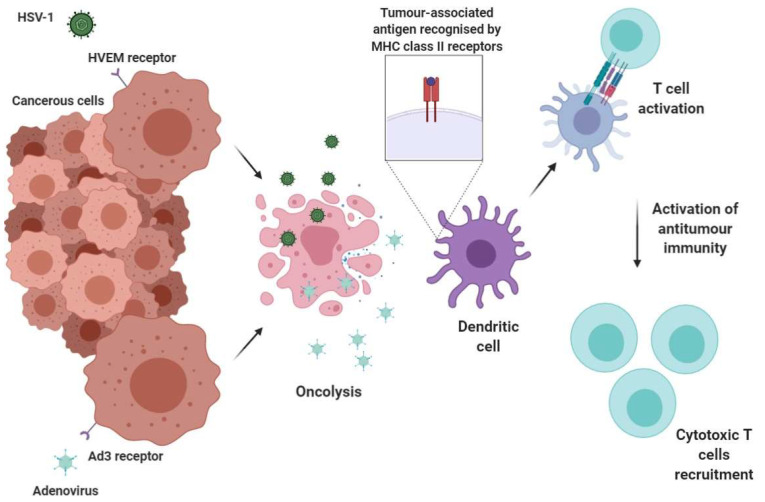
Unlike traditional cancer therapies, such as surgery, radiation and chemotherapy that are typically non-specific, cancer immunotherapy harnesses the high specificity of a patient's own immune system to selectively kill cancer cells. The immune system is the body's main cancer surveillance system, but cancers may evade destruction thanks to various immune-suppressing mechanisms. We therefore need to deploy various immunotherapy-based strategies to help bolster the anti-tumour immune responses. These include engineering T cells to express chimeric antigen receptors (CARs) to specifically recognise tumour neoantigens, inactivating immune checkpoints, oncolytic viruses and dendritic cell (DC) vaccines, which have all shown clinical benefit in certain cancers. However, treatment efficacy remains poor due to drug-induced adverse events and immunosuppressive tendencies of the tumour microenvironment. Recent preclinical studies have unveiled novel therapies such as anti-cathepsin antibodies, galectin-1 blockade and anti-OX40 agonistic antibodies, which may be utilised as adjuvant therapies to modulate the tumour microenvironment and permit more ferocious anti-tumour immune response.
与传统癌症疗法(如通常具有非特异性的手术、放疗和化疗)不同,癌症免疫疗法利用患者自身免疫系统的高度特异性来选择性地杀死癌细胞。免疫系统是人体主要的癌症监测系统,但由于各种免疫抑制机制,癌症可能逃避被破坏的命运。因此,我们需要部署各种基于免疫疗法的策略来帮助增强抗肿瘤免疫反应。这些策略包括改造T细胞以表达嵌合抗原受体(CAR)来特异性识别肿瘤新抗原、使免疫检查点失活、溶瘤病毒和树突状细胞(DC)疫苗,所有这些在某些癌症中都已显示出临床益处。然而,由于药物引起的不良事件和肿瘤微环境的免疫抑制倾向,治疗效果仍然不佳。最近的临床前研究揭示了诸如抗组织蛋白酶抗体、半乳糖凝集素-1阻断剂和抗OX40激动性抗体等新型疗法,它们可用作辅助疗法来调节肿瘤微环境并引发更强烈的抗肿瘤免疫反应。