State Key Laboratory for Diagnosis and Treatment of Infectious Diseases, National Clinical Research Center for Infectious Diseases, Collaborative Innovation Center for Diagnosis and Treatment of Infectious Diseases, The First Affiliated Hospital, College of Medicine, Zhejiang University, Hangzhou, 310003, China.
The First Affiliated Hospital, Wenzhou Medical University, Wenzhou, China.
Microb Biotechnol. 2020 Nov;13(6):1860-1876. doi: 10.1111/1751-7915.13629. Epub 2020 Jul 11.
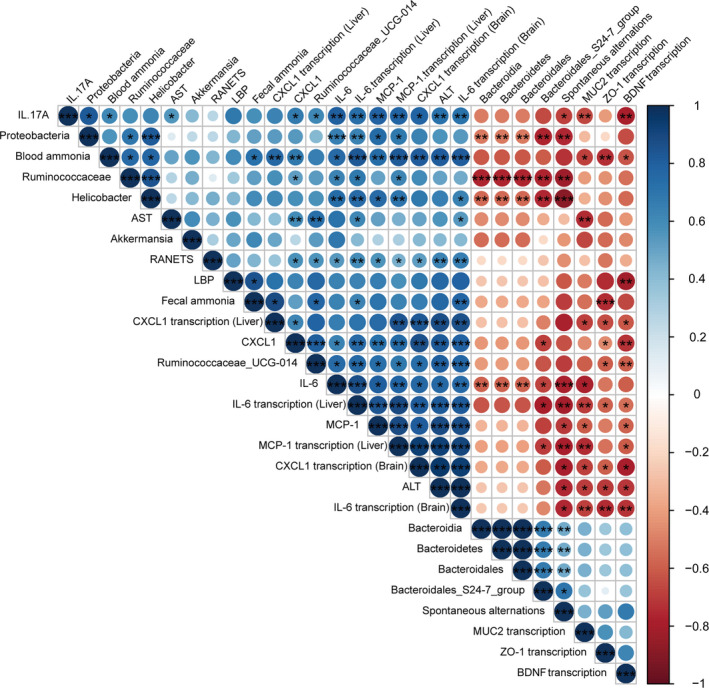
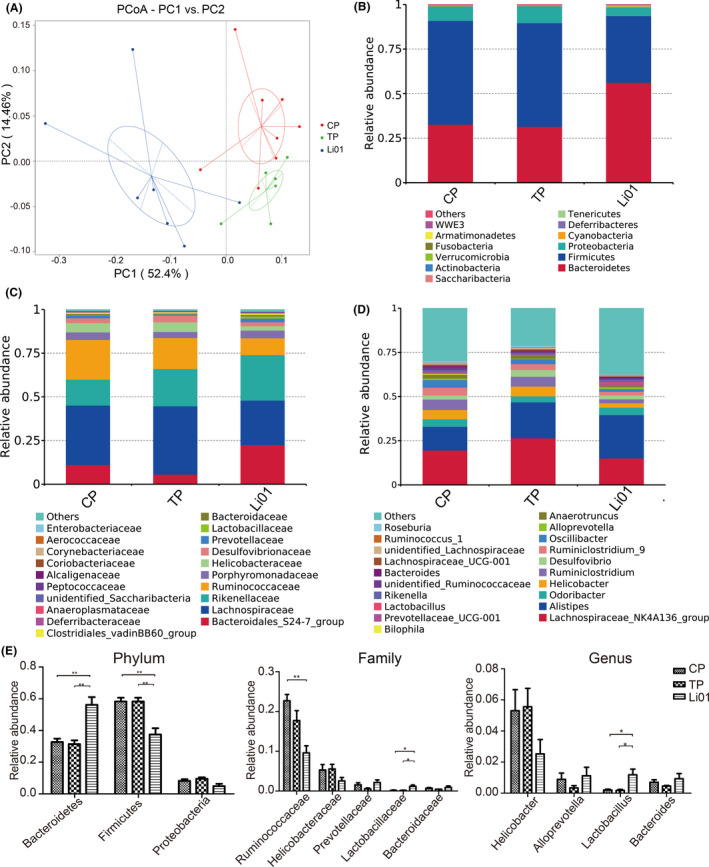
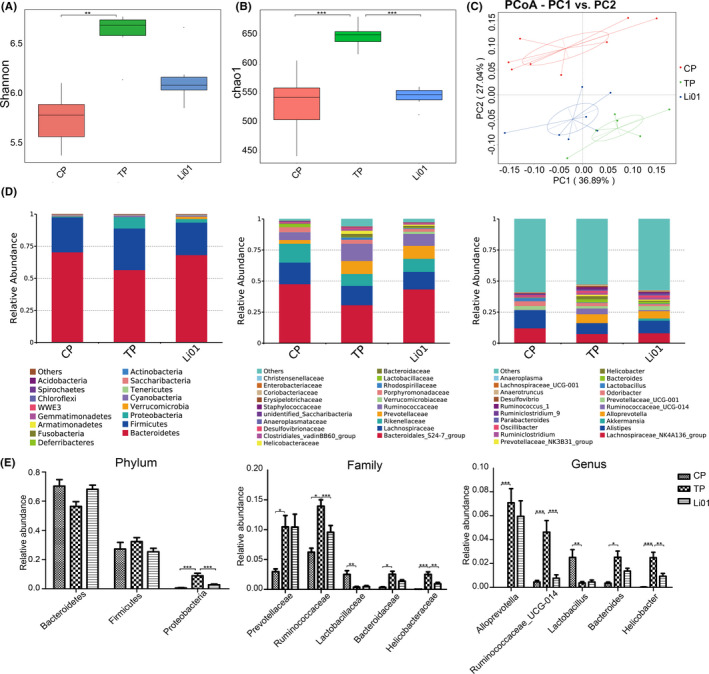
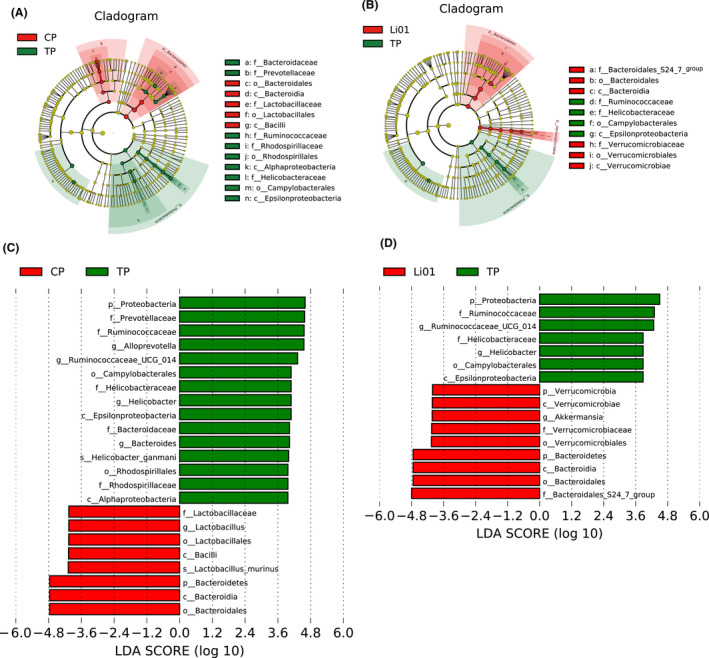
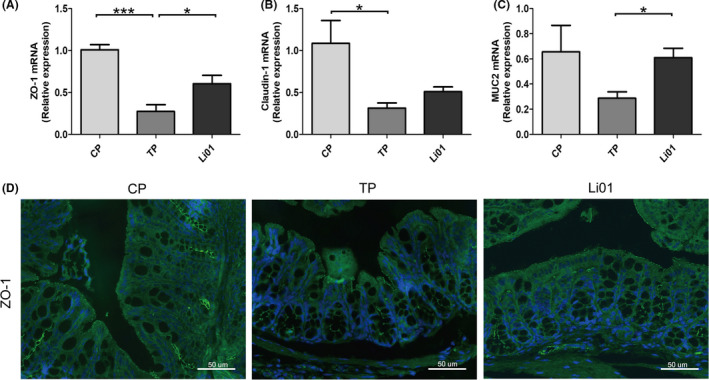
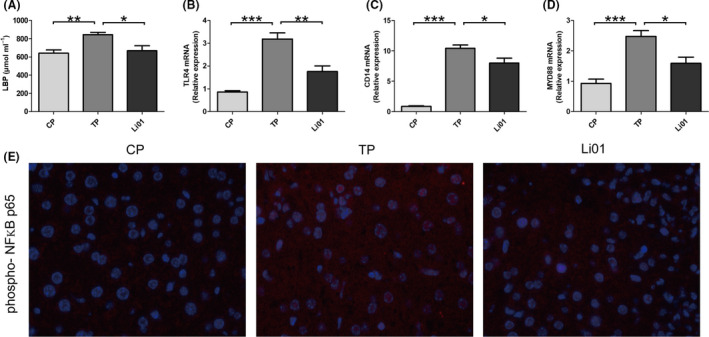
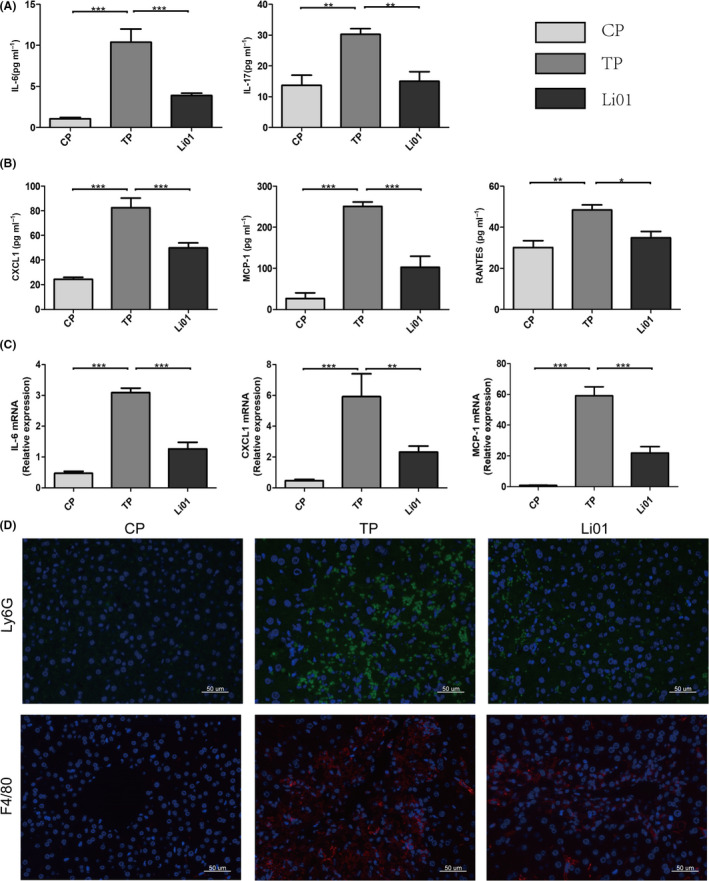
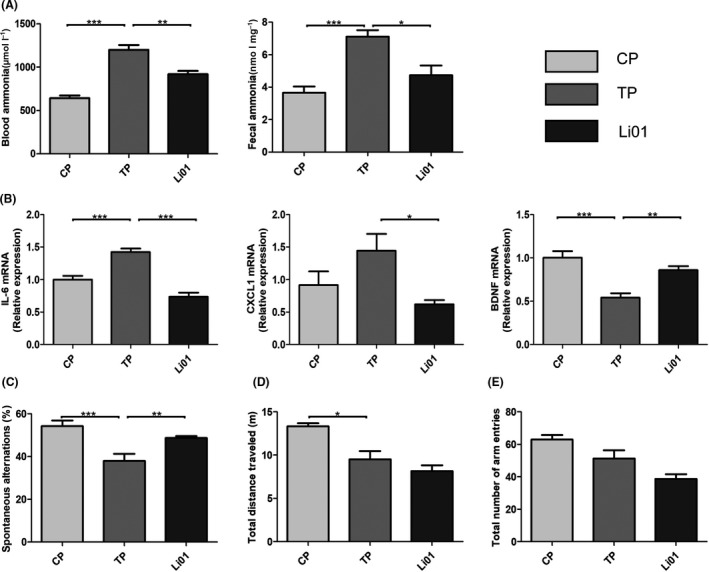
The gut microbiota plays pivotal roles in liver disease onset and progression. The protective effects of Lactobacillus salivarius Li01 on liver diseases have been reported. In this study, we aimed to detect the protective effect of L. salivarius Li01 on thioacetamide (TAA)-induced acute liver injury and hyperammonaemia. C57BL/6 mice were separated into three groups and given a gavage of L. salivarius Li01 or phosphate-buffered saline for 7 days. Acute liver injury and hyperammonaemia were induced with an intraperitoneal TAA injection. L. salivarius Li01 decreased mortality and serum transaminase levels and improved histological liver damage caused by TAA. Serum inflammatory cytokine and chemokine and lipopolysaccharide-binding protein (LBP) concentrations, nuclear factor κB (NFκB) pathway activation and macrophage and neutrophil infiltration into the liver were significantly alleviated by L. salivarius Li01. L. salivarius Li01 also reinforced gut barrier and reshaped the perturbed gut microbiota by upregulating Bacteroidetes and Akkermansia richness and downregulating Proteobacteria, Ruminococcaceae_UCG_014 and Helicobacter richness. Plasma and faecal ammonia levels declined noticeably in the Li01 group, accompanied by improvements in cognitive function, neuro-inflammation and relative brain-derived neurotrophic factor (BDNF) gene expression. Our results indicated that L. salivarius Li01 could be considered a potential probiotic in acute liver injury and hepatic encephalopathy (HE).
肠道微生物群在肝病的发生和发展中起着关键作用。已有研究报道唾液乳杆菌 Li01 对肝病具有保护作用。在本研究中,我们旨在检测唾液乳杆菌 Li01 对硫代乙酰胺(TAA)诱导的急性肝损伤和高氨血症的保护作用。将 C57BL/6 小鼠分为三组,分别用唾液乳杆菌 Li01 或磷酸盐缓冲液灌胃 7 天。通过腹腔注射 TAA 诱导急性肝损伤和高氨血症。唾液乳杆菌 Li01 降低了死亡率和血清转氨酶水平,并改善了 TAA 引起的组织学肝损伤。唾液乳杆菌 Li01 显著降低了血清炎症细胞因子和趋化因子以及脂多糖结合蛋白(LBP)的浓度、核因子 κB(NFκB)通路的激活以及巨噬细胞和中性粒细胞向肝脏的浸润。唾液乳杆菌 Li01 还通过上调厚壁菌门和阿克曼氏菌的丰度,下调变形菌门、Ruminococcaceae_UCG_014 和幽门螺旋杆菌的丰度,增强了肠道屏障,重塑了紊乱的肠道微生物群。Li01 组的血浆和粪便氨水平明显下降,同时认知功能、神经炎症和相对脑源性神经营养因子(BDNF)基因表达也得到改善。我们的研究结果表明,唾液乳杆菌 Li01 可被视为急性肝损伤和肝性脑病(HE)的潜在益生菌。