Daniels Benjamin, Jedamski Jana, Ottermanns Richard, Ross-Nickoll Martina
Institute for Environmental Research, RWTH Aachen University, Aachen, Germany.
PLoS One. 2020 Jul 15;15(7):e0235492. doi: 10.1371/journal.pone.0235492. eCollection 2020.
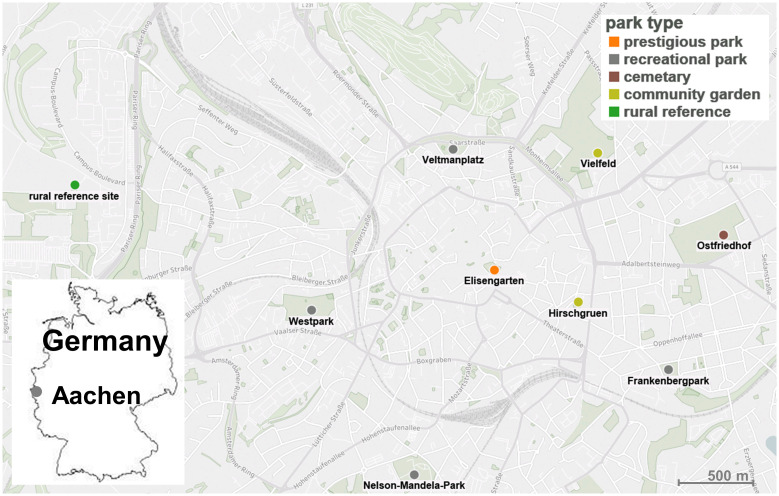
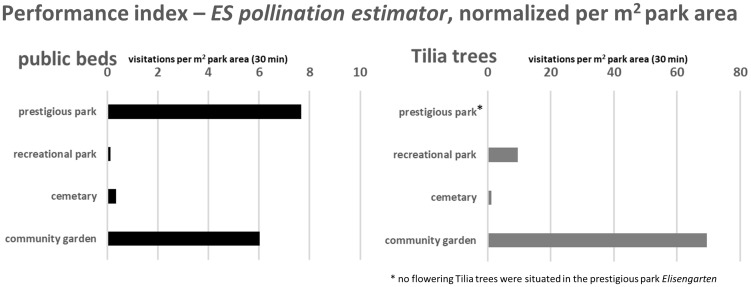
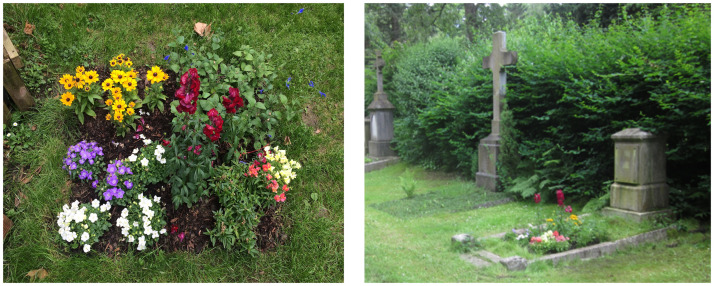
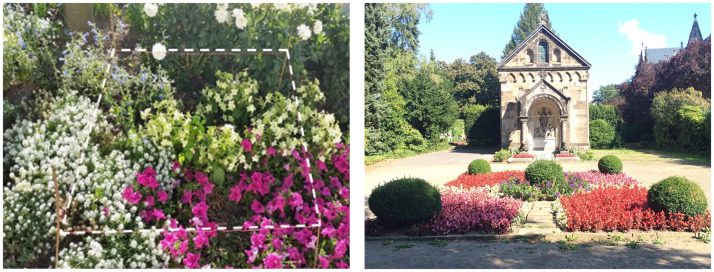
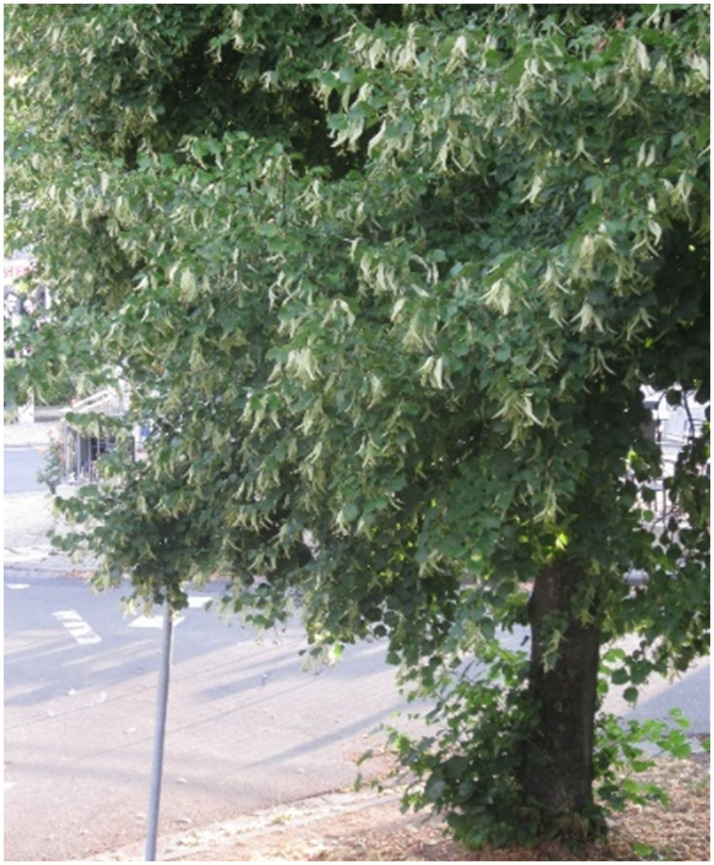
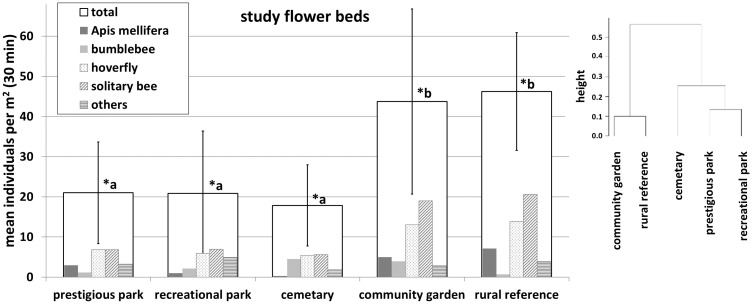
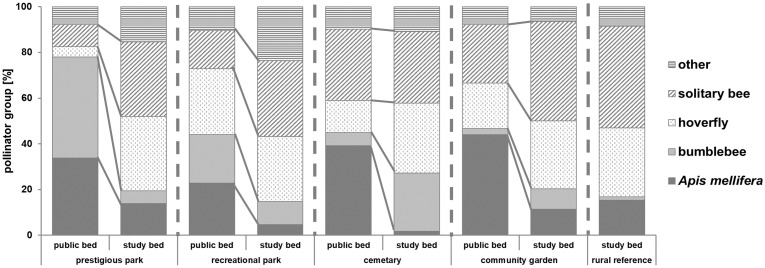
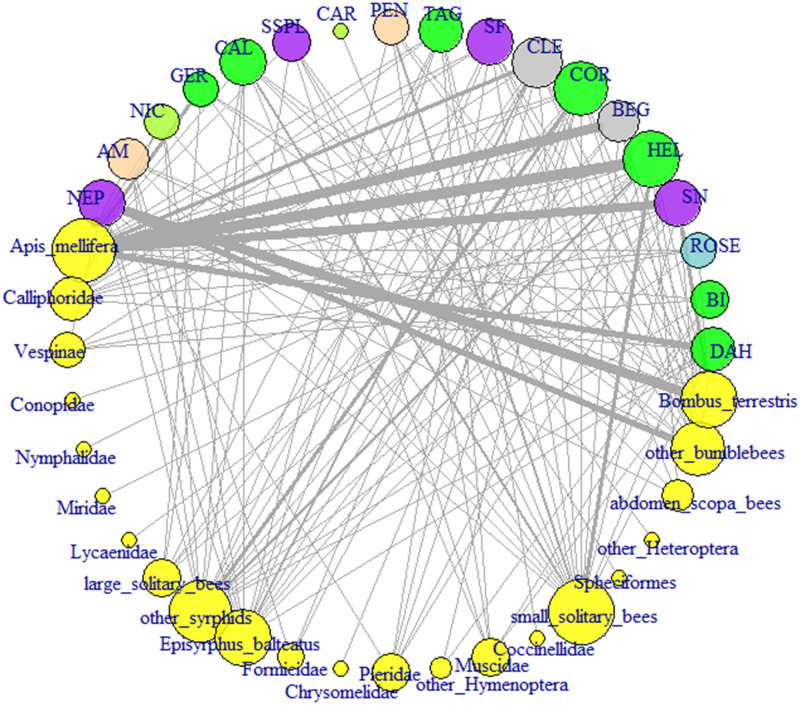
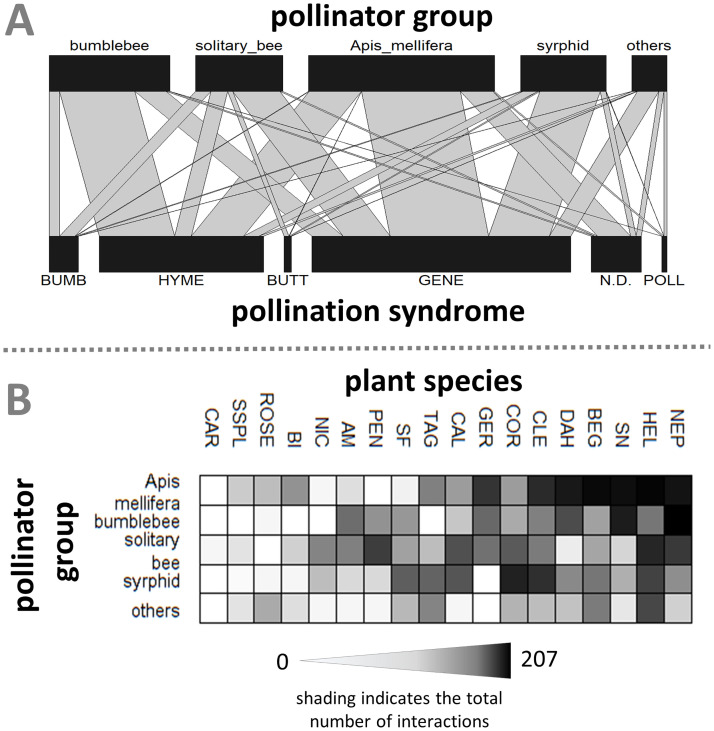
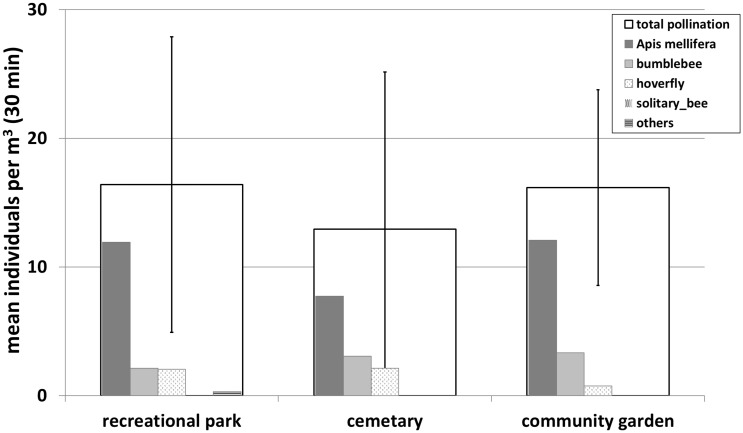
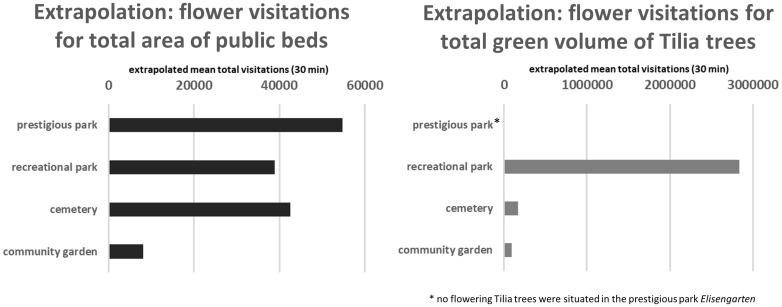
Green infrastructure in cities is considered to serve as a refuge for insect pollinators, especially in the light of an ongoing global decline of insects in agricultural landscapes. The design and maintenance of urban green spaces as key components of green infrastructure play a crucial role in case of nesting opportunities and for foraging insects. However, only few research has explored the impact of urban green space design on flower visitor communities, plant-pollinator interaction and the provision of the ecosystem service of pollination in cities. We investigated the abundance and diversity of pollinator communities in different urban park types in designed, standardized vegetation units, linked the visitation rates to the structural composition of the park types and derived indices for implemented pollination performances. The study was performed in two different structural park elements, flower beds and insect-pollinating trees. To gain a comprehensive understanding of the interaction between plants and pollinators, we calculated a plant-pollinator network of the recorded community in the investigation area. Visitation rates at different park types clearly showed, that the urban community gardens in comparison to other urban park types had a significantly higher abundance of pollinator groups, comparable to results found on a rural reference site. Tilia trees contributed significantly to the ecosystem service of pollination in investigated green spaces with a high supply of nectar and pollen during their flowering period. Calculations of pollination performances showed that recreational parks had comparably low visitation rates of pollinators and a high potential to improve conditions for the ecosystem service of pollination. The results indicated the strong potential of cities to provide a habitat for different groups of pollinators. In order to access this refuge, it is necessary to rely on near-natural concepts in design and maintenance, to create a wide range of flower diversity and to use even small green patches. Based on the findings, we encourage an integrated management of urban free spaces to consider parks as key habitats for pollinators in anthropogenic dominated, urban environments.
城市中的绿色基础设施被视为昆虫传粉者的避难所,尤其是考虑到农业景观中昆虫数量在全球范围内持续减少的情况。城市绿地作为绿色基础设施的关键组成部分,其设计和维护对于昆虫筑巢机会和觅食起着至关重要的作用。然而,仅有少数研究探讨了城市绿地设计对访花昆虫群落、植物 - 传粉者相互作用以及城市授粉生态系统服务提供的影响。我们在设计的标准化植被单元中,调查了不同城市公园类型中传粉者群落的丰度和多样性,将访花率与公园类型的结构组成相关联,并得出了已实施授粉表现的指标。该研究在两种不同结构的公园元素——花坛和虫媒授粉树中进行。为了全面了解植物与传粉者之间的相互作用,我们计算了调查区域内记录群落的植物 - 传粉者网络。不同公园类型的访花率清楚地表明,与其他城市公园类型相比,城市社区花园中传粉者群体的丰度显著更高,这与在农村参考地点发现的结果相当。椴树在其花期为调查的绿地提供了大量花蜜和花粉,对授粉生态系统服务有显著贡献。授粉表现的计算表明,休闲公园的传粉者访花率相对较低,有很大潜力改善授粉生态系统服务的条件。结果表明城市有强大的潜力为不同群体的传粉者提供栖息地。为了利用这个避难所,有必要在设计和维护中依赖近自然理念,创造广泛的花卉多样性,甚至利用小面积的绿色斑块。基于这些发现,我们鼓励对城市开放空间进行综合管理,将公园视为人类主导的城市环境中传粉者的关键栖息地。