Waltz Jeffrey, Kocher Madison, Kahn Jacob, Dirr McKenzie, Burt Jeremy R
Diagnostic Radiology, Medical University of South Carolina, Charleston, USA.
Radiology, Medical University of South Carolina, Charleston, USA.
Cureus. 2020 Jun 12;12(6):e8574. doi: 10.7759/cureus.8574.
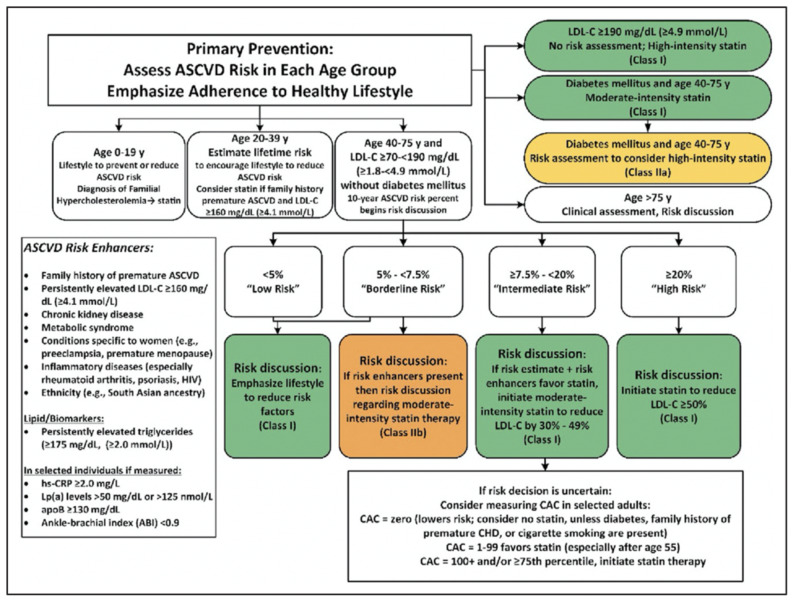
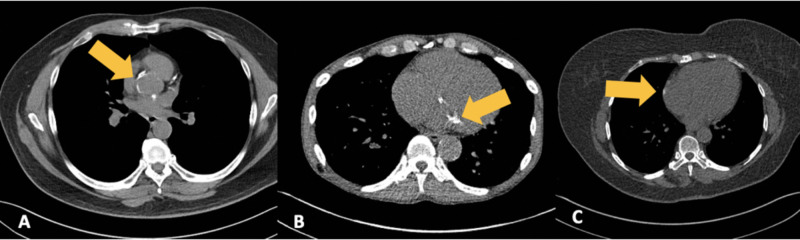
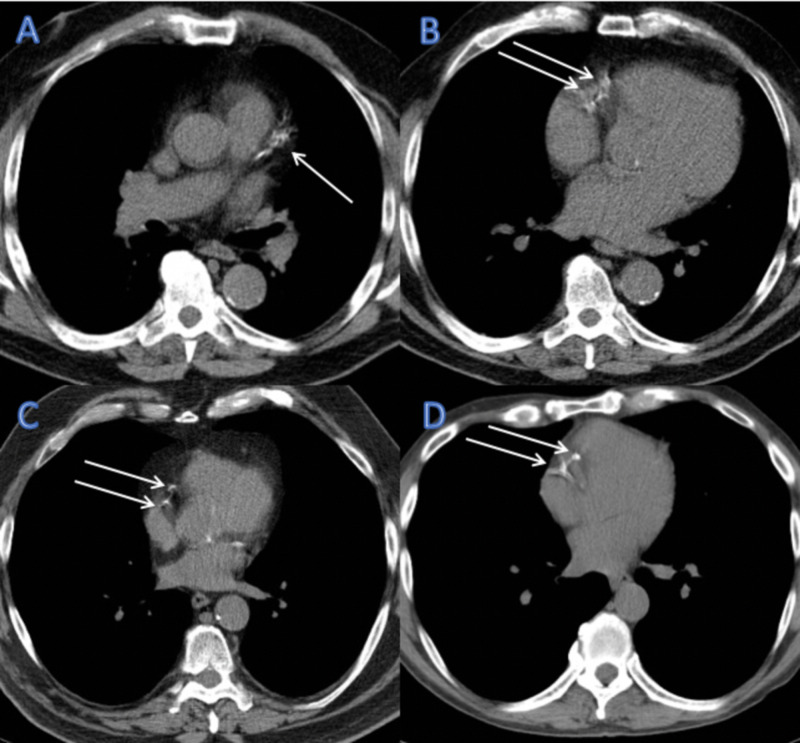
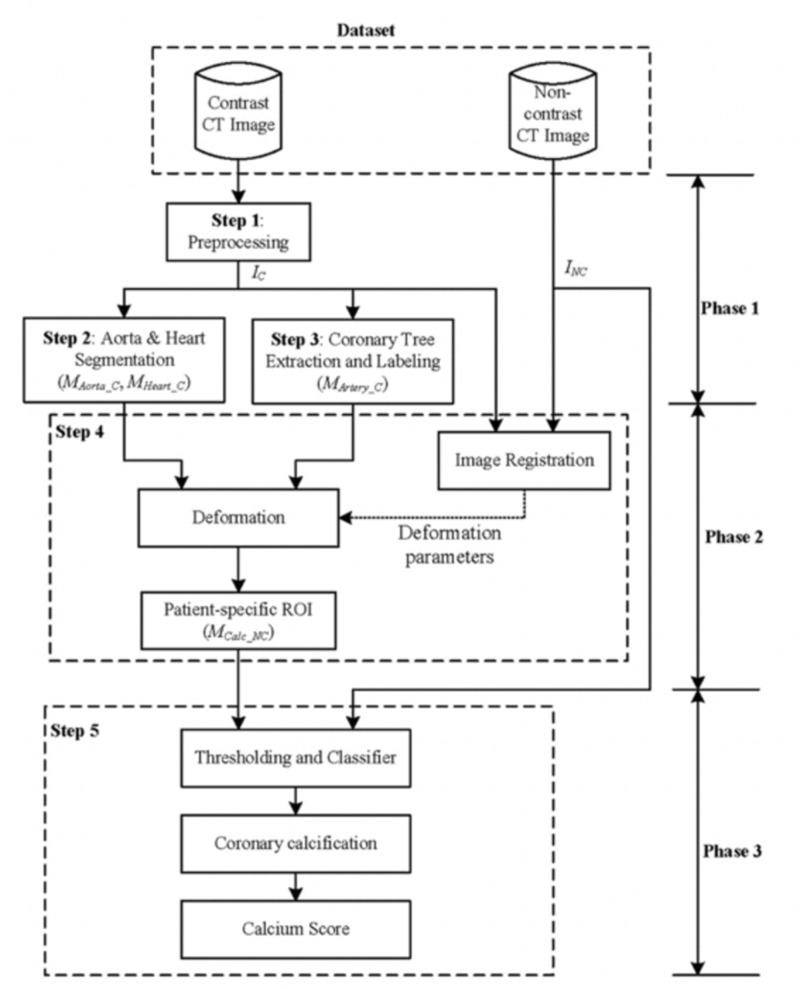
Low-dose computed tomography (LDCT) has been extensively validated for lung cancer screening in selected patient populations. Additionally, the use of gated cardiac CT to assess coronary artery calcium (CAC) burden has been validated to determine a patient's risk for major cardiovascular adverse events. This is typically performed by calculating an Agatston score based on density and overall burden of calcified plaque within the coronary arteries. Patients that qualify for LDCT for lung cancer screening commonly share major risk factors for coronary artery disease and would frequently benefit from an additional gated cardiac CT for the assessment of CAC. Given the widespread use of LDCT for lung cancer screening, we evaluated current literature regarding the use of non-gated chest CT, specifically LDCT, for the detection and grading of coronary artery calcifications. Additionally, given the evolving and increasing use of artificial intelligence (AI) in the interpretation of radiologic studies, current literature for the use of AI in CAC assessment was reviewed. We reviewed primary scientific literature dating up to April 2020 using Pubmed and Google Scholar, with the search terms low dose CT, lung cancer screening, coronary artery calcium, EKG/cardiac gated CT, deep learning, machine learning, and AI. These publications were then independently evaluated by each member of our team. Overall, there was a consensus within these papers that LDCT for lung cancer screening plays a role in the evaluation of CAC. Most studies note the inherent problems with the evaluation of the density of coronary calcifications on LDCT to give an accurate numeric calcium or Agatston score. The current method of evaluating CAC on LDCT involves using a qualitative categorical system (none, mild, moderate, or severe). When performed by cardiac imaging experts, this method broadly correlates with traditional CAC score groups (0, 1 to 100, 101 to 400, and > 400). Furthermore, given the high sensitivity of a properly protocolled LDCT for coronary calcium, a negative study for CAC precludes the need for a dedicated gated CT assessment. However, qualitative methods are not as accurate or reproducible when performed by general radiologists. The implementation of AI in the LDCT screening process has the potential to give a quantifiable and reproducible numeric value to the calcium score, based on whole heart volume scoring of calcium. This more closely aligns with the Agatston score and serves as a better guide for treatment and risk assessment using current guidelines. We conclude that CAC should be assessed on all LDCT performed for lung cancer screening and that a qualitative categorical scoring system should be provided in the impression for each patient. Early studies involving AI for the assessment of CAC are promising, but more extensive studies are needed before a final recommendation for its use can be given. The implementation of an accurate, automated AI CAC assessment tool would improve radiologist compliance and ease of overall workflow. Ultimately, the potential end result would be improved turnaround time, better patient outcomes, and reduced healthcare costs by maximizing preventative care in this high-risk population.
低剂量计算机断层扫描(LDCT)已在特定患者群体中广泛用于肺癌筛查。此外,使用门控心脏CT评估冠状动脉钙化(CAC)负荷已被证实可用于确定患者发生重大心血管不良事件的风险。这通常通过基于冠状动脉内钙化斑块的密度和总体负荷计算阿加斯顿评分来进行。符合LDCT肺癌筛查条件的患者通常具有冠状动脉疾病的主要危险因素,并且经常会受益于额外的门控心脏CT以评估CAC。鉴于LDCT在肺癌筛查中的广泛应用,我们评估了有关使用非门控胸部CT(特别是LDCT)进行冠状动脉钙化检测和分级的现有文献。此外,鉴于人工智能(AI)在放射学研究解读中的应用不断发展且日益增多,我们还回顾了有关AI在CAC评估中应用的现有文献。我们使用PubMed和谷歌学术搜索了截至2020年4月的主要科学文献,搜索词包括低剂量CT、肺癌筛查、冠状动脉钙化、心电图/心脏门控CT、深度学习、机器学习和AI。然后我们团队的每个成员对这些出版物进行了独立评估。总体而言,这些论文达成的共识是,用于肺癌筛查的LDCT在CAC评估中发挥作用。大多数研究指出,在LDCT上评估冠状动脉钙化密度以给出准确的数字钙或阿加斯顿评分存在固有问题。目前在LDCT上评估CAC的方法涉及使用定性分类系统(无、轻度、中度或重度)。由心脏影像专家进行时,这种方法与传统的CAC评分组(0、1至100、101至400以及>400)大致相关。此外,鉴于适当方案的LDCT对冠状动脉钙化的高敏感性,CAC的阴性研究排除了进行专门门控CT评估的必要性。然而,当由普通放射科医生进行时,定性方法的准确性和可重复性较差。在LDCT筛查过程中实施AI有可能基于对心脏整体体积的钙评分给出可量化且可重复的钙数值。这与阿加斯顿评分更接近,并且作为使用当前指南进行治疗和风险评估的更好指导。我们得出结论,对于所有用于肺癌筛查的LDCT都应评估CAC,并且应在每份患者的影像报告中提供定性分类评分系统。涉及AI评估CAC的早期研究很有前景,但在给出最终使用建议之前还需要更广泛的研究。实施准确、自动化的AI CAC评估工具将提高放射科医生的依从性并简化整体工作流程。最终,潜在的最终结果将是通过在这个高风险人群中最大化预防保健来缩短周转时间、改善患者预后并降低医疗成本。