Department of Botany and Plant Pathology, Oregon State University, Corvallis, Oregon, United States of America.
Center for Genome Research and Biocomputing, Oregon State University, Corvallis, Oregon, United States of America.
PLoS Pathog. 2020 Jul 16;16(7):e1008680. doi: 10.1371/journal.ppat.1008680. eCollection 2020 Jul.
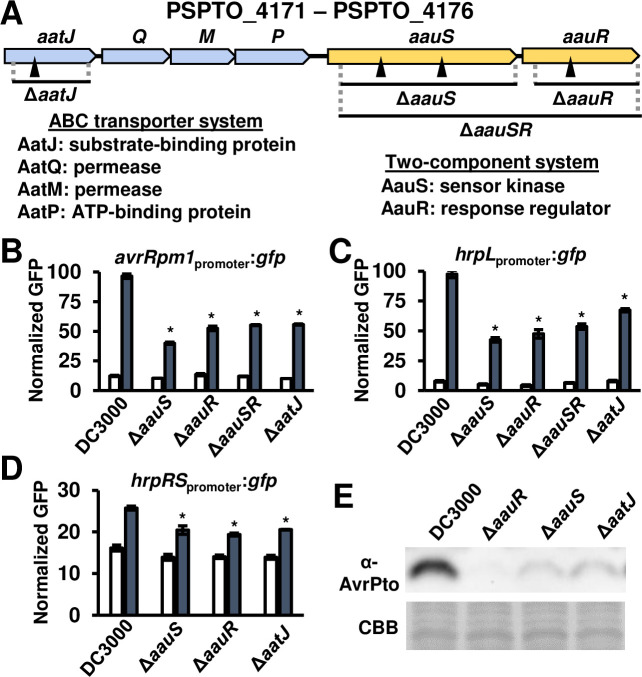
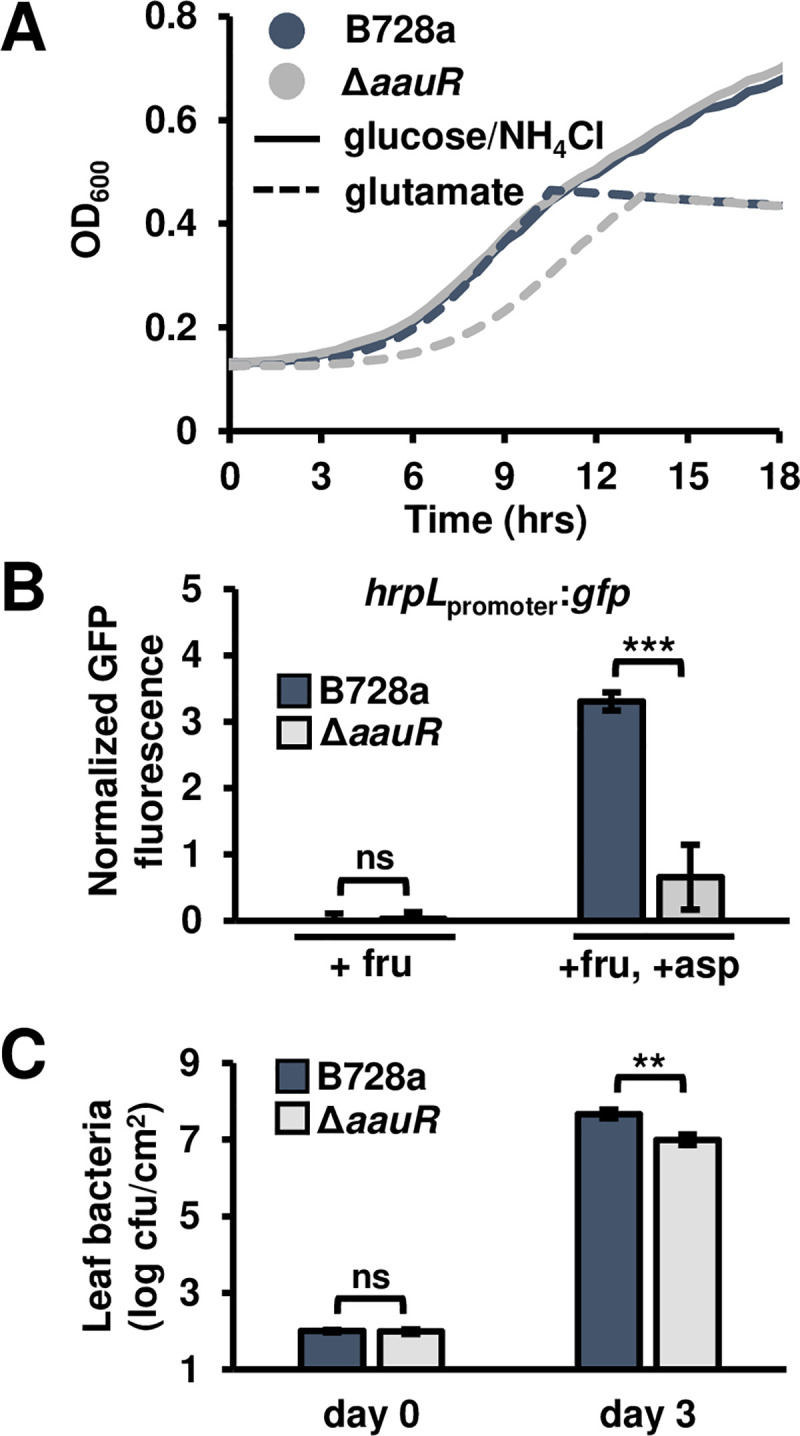
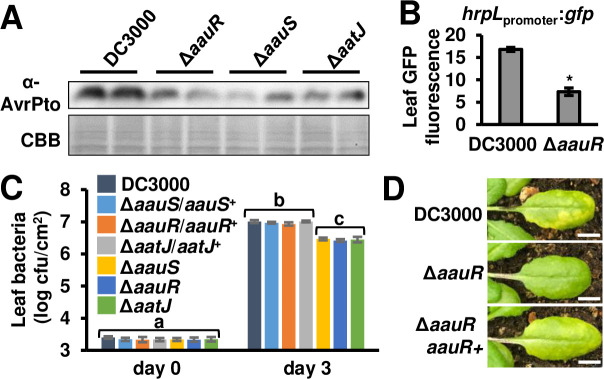
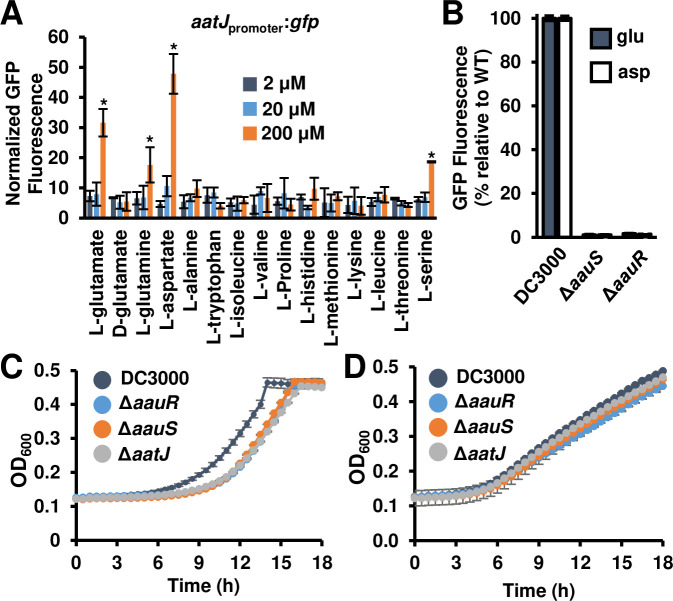
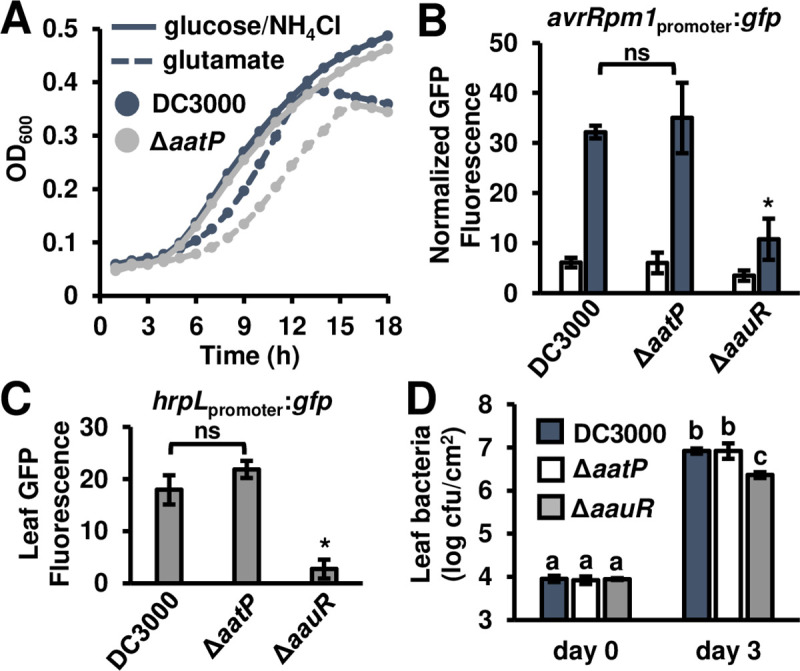
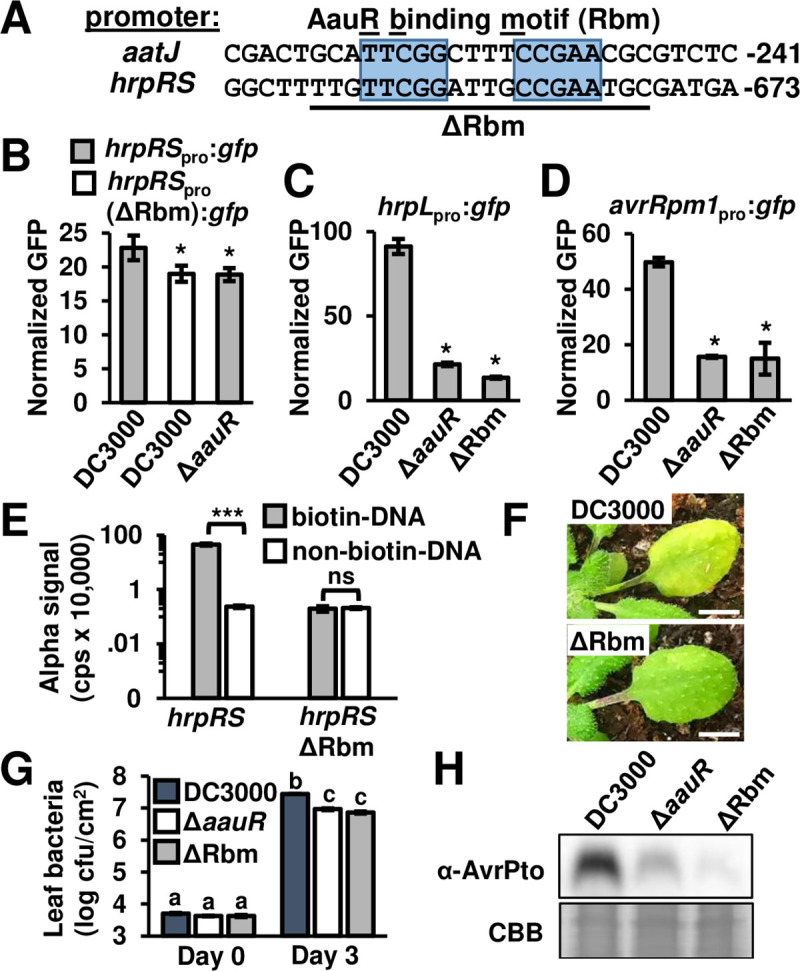
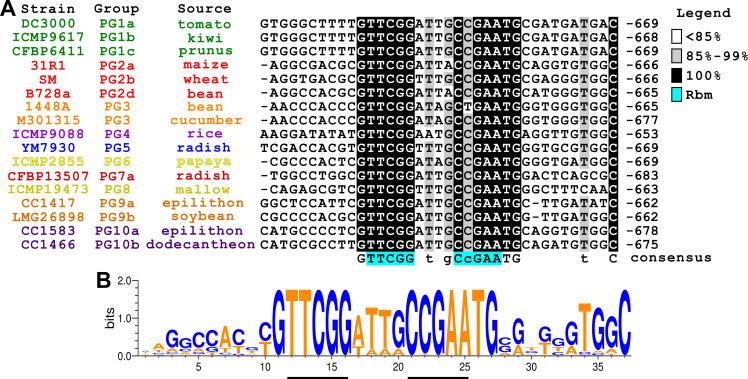
Pathogenic bacteria frequently acquire virulence traits via horizontal gene transfer, yet additional evolutionary innovations may be necessary to integrate newly acquired genes into existing regulatory pathways. The plant bacterial pathogen Pseudomonas syringae relies on a horizontally acquired type III secretion system (T3SS) to cause disease. T3SS-encoding genes are induced by plant-derived metabolites, yet how this regulation occurs, and how it evolved, is poorly understood. Here we report that the two-component system AauS-AauR and substrate-binding protein AatJ, proteins encoded by an acidic amino acid-transport (aat) and -utilization (aau) locus in P. syringae, directly regulate T3SS-encoding genes in response to host aspartate and glutamate signals. Mutants of P. syringae strain DC3000 lacking aauS, aauR or aatJ expressed lower levels of T3SS genes in response to aspartate and glutamate, and had decreased T3SS deployment and virulence during infection of Arabidopsis. We identified an AauR-binding motif (Rbm) upstream of genes encoding T3SS regulators HrpR and HrpS, and demonstrated that this Rbm is required for maximal T3SS deployment and virulence of DC3000. The Rbm upstream of hrpRS is conserved in all P. syringae strains with a canonical T3SS, suggesting AauR regulation of hrpRS is ancient. Consistent with a model of conserved function, an aauR deletion mutant of P. syringae strain B728a, a bean pathogen, had decreased T3SS expression and growth in host plants. Together, our data suggest that, upon acquisition of T3SS-encoding genes, a strain ancestral to P. syringae co-opted an existing AatJ-AauS-AauR pathway to regulate T3SS deployment in response to specific host metabolite signals.
病原菌经常通过水平基因转移获得毒力特征,但将新获得的基因整合到现有调控途径中可能还需要额外的进化创新。植物病原菌丁香假单胞菌依赖于水平获得的 III 型分泌系统(T3SS)来引起疾病。T3SS 编码基因受植物衍生代谢物的诱导,但这种调控是如何发生的,以及它是如何进化的,还知之甚少。在这里,我们报告称,由丁香假单胞菌中酸性氨基酸转运(aat)和利用(aau)基因座编码的双组分系统 AauS-AauR 和底物结合蛋白 AatJ,直接响应宿主天冬氨酸和谷氨酸信号调节 T3SS 编码基因。缺乏 aauS、aauR 或 aatJ 的丁香假单胞菌菌株 DC3000 突变体在响应天冬氨酸和谷氨酸时表达的 T3SS 基因水平较低,在感染拟南芥时 T3SS 部署和毒力降低。我们鉴定了编码 T3SS 调节剂 HrpR 和 HrpS 的基因上游的 AauR 结合基序(Rbm),并证明该 Rbm 是 DC3000 最大 T3SS 部署和毒力所必需的。所有具有经典 T3SS 的丁香假单胞菌菌株中,hrpRS 上游的 Rbm 都保守,这表明 AauR 对 hrpRS 的调控是古老的。与保守功能模型一致,豆科病原体丁香假单胞菌菌株 B728a 的 aauR 缺失突变体在宿主植物中 T3SS 表达和生长减少。综上所述,我们的数据表明,在获得 T3SS 编码基因后,丁香假单胞菌的一个祖先菌株共同利用了现有的 AatJ-AauS-AauR 途径来调节 T3SS 部署,以响应特定的宿主代谢物信号。