Shenzhen Nambou1 Biotech, 506, Block B, West Silicon Valley, 5010 Baoan Avenue, Baoan District, Shenzhen, China.
Key Laboratory of Trustworthy Distributed Computing and Service, Ministry of Education, School of Sofware, Beijing University of Posts and Telecommunications, 10 Xitucheng Road, Haidian District, Beijing 100876, China.
Infect Genet Evol. 2020 Nov;85:104471. doi: 10.1016/j.meegid.2020.104471. Epub 2020 Jul 22.
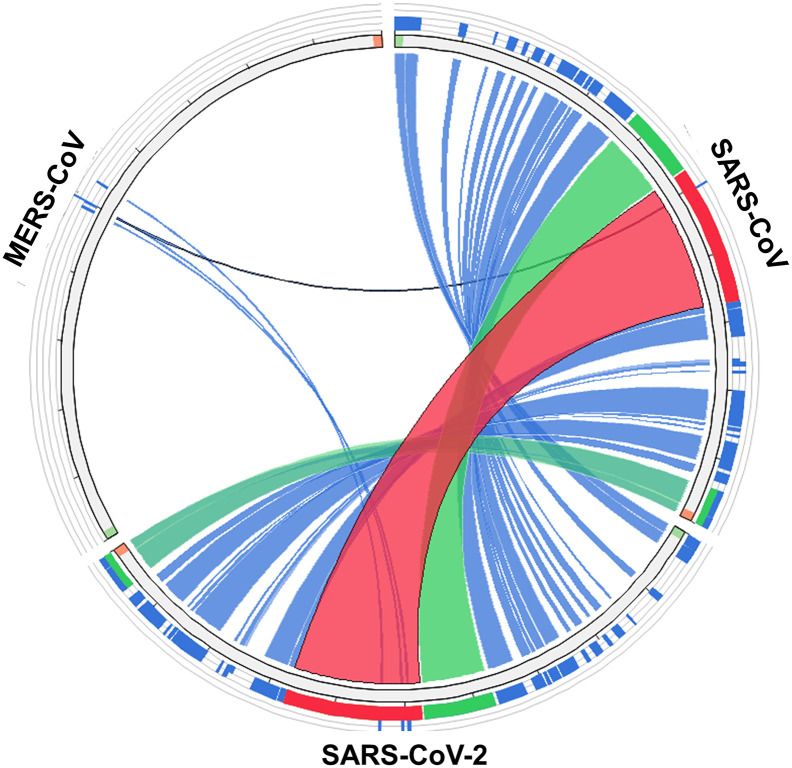
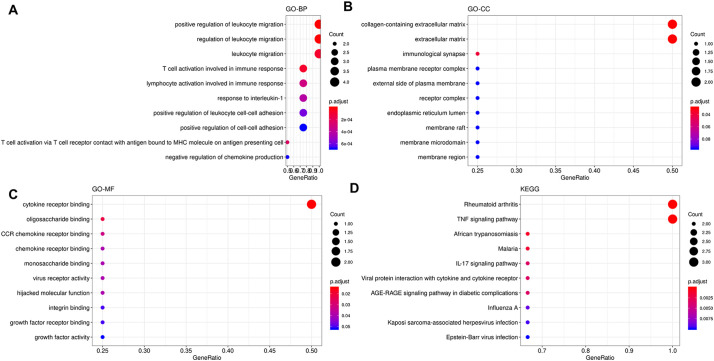
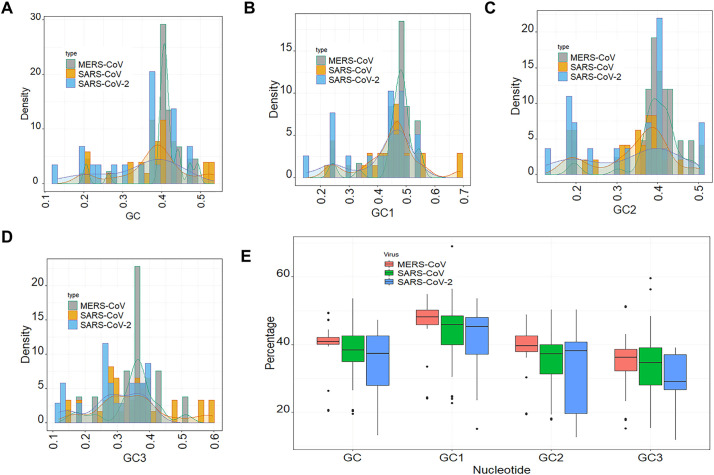
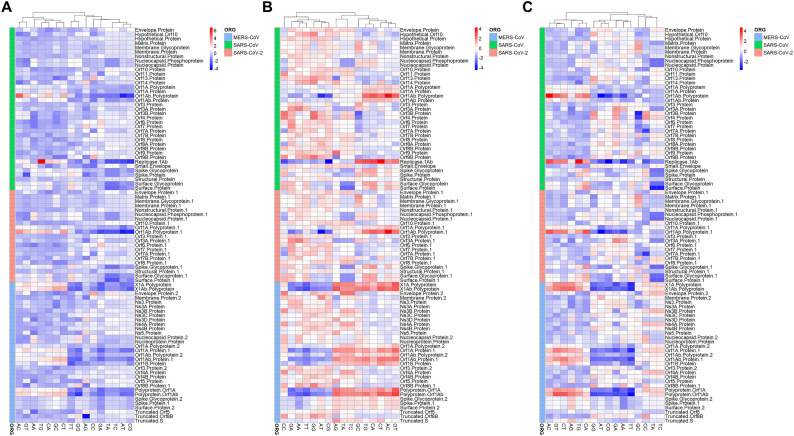
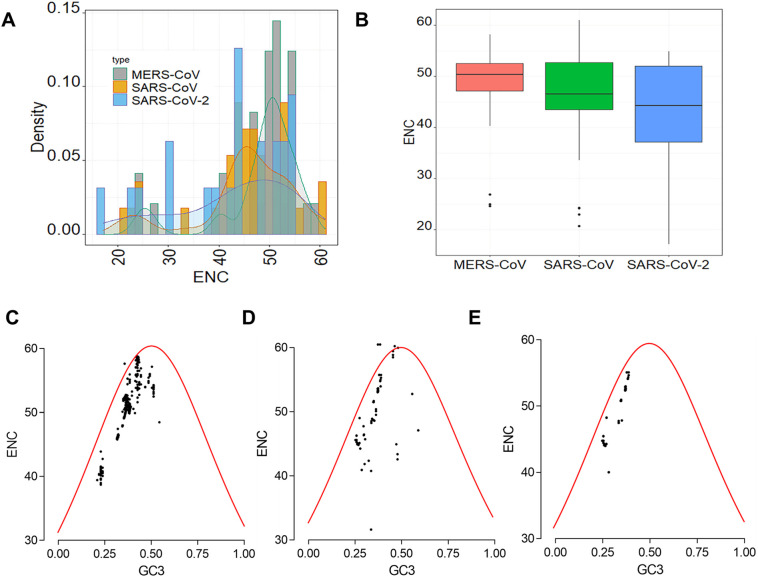
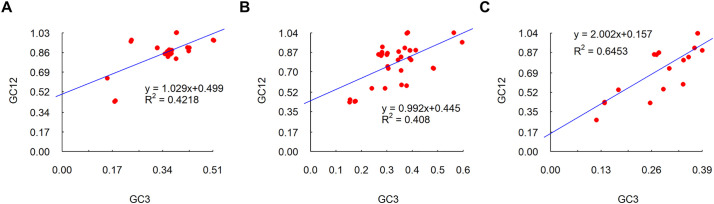
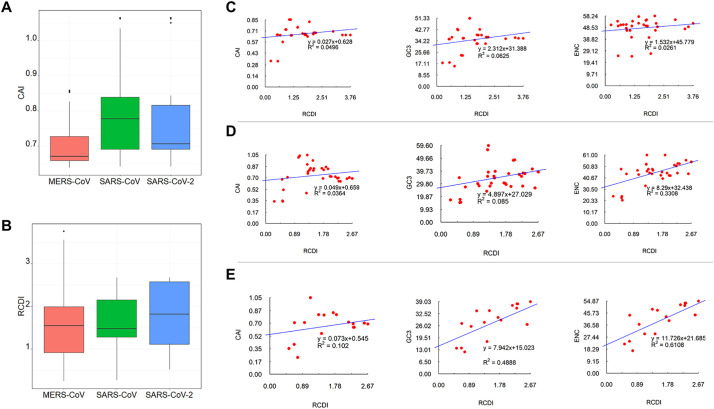
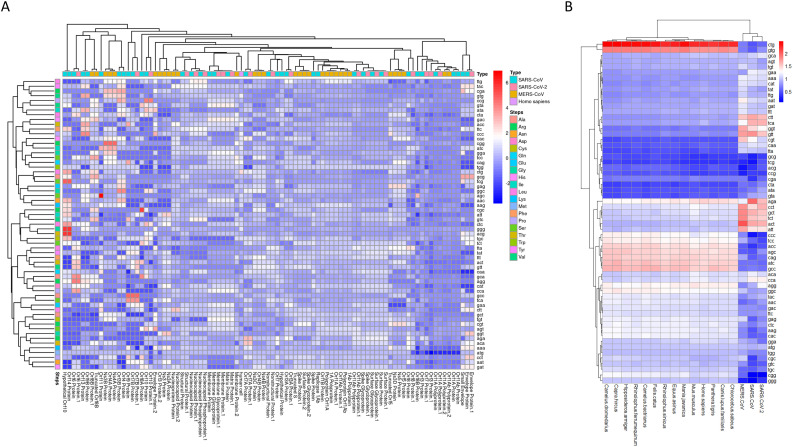
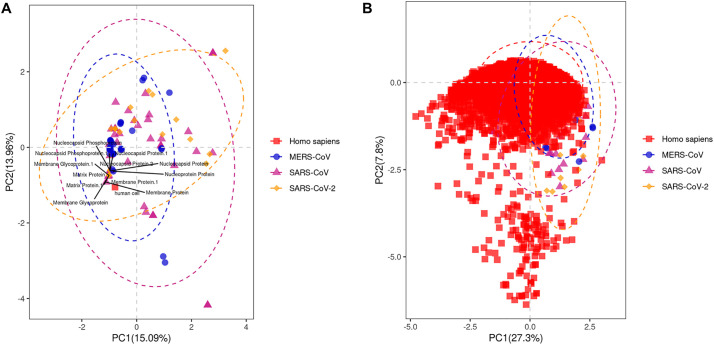
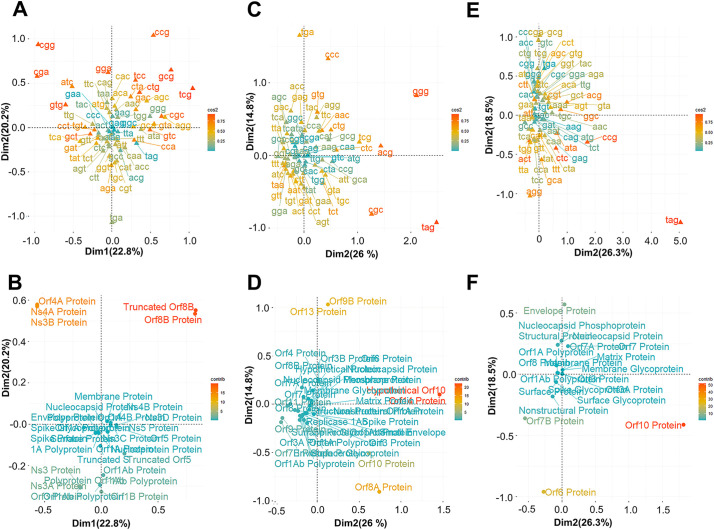
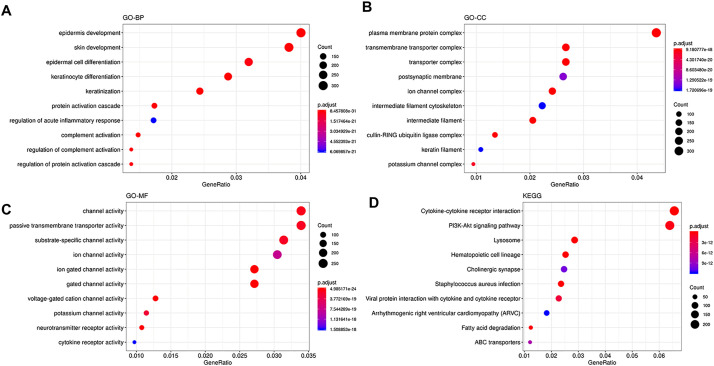
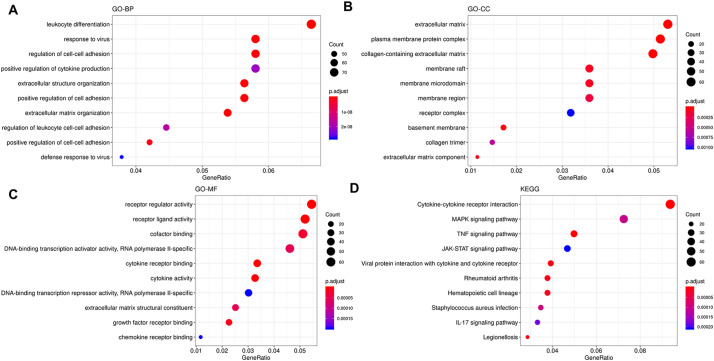
Coronavirus disease 2019 (COVID-19) has caused thousands of deaths worldwide and has become an urgent public health concern. The extraordinary interhuman transmission of this disease has urged scientists to examine the various facets of its pathogenic agent, the severe acute respiratory syndrome coronavirus 2 (SARS-CoV-2). Herein, based on publicly available genomic data, we analyzed the codon usage co-adaptation profiles of SARS-CoV-2 and other respiratory coronaviruses (CoVs) with their human host, identified CoV-responsive human genes and their functional roles on the basis of both the relative synonymous codon usage (RSCU)-based correlation of viral genes with human genes and differential gene expression analysis, and predicted potential drugs for COVID-19 treatment based on these genes. The relatively high codon adaptation index (CAI) values (>0.70) signposted the gene expressivity efficiency of CoVs in human. The ENc-GC3 plot indicated that SARS-CoV-2 genome was under strict selection pressure while SARS-CoV and MERS-CoV were under selection and mutational pressures. The RSCU-based correlation analysis indicated that the viral genomes shared similar codons with a panoply of human genes. The merging of RSCU-based correlation data and SARS-CoV-2-responsive differentially expressed genes allowed the identification of human genes potentially affected by SARS-CoV-2 infection. Functional enrichment analysis indicated that these genes were enriched in biological processes and pathways related to host response to viral infection and immune response. Using the drug-gene interaction database, we screened a list of drugs that could target these genes as potential COVID-19 therapeutics. Our findings not only will contribute in vaccine development but also provide a useful set of drugs that could guide practitioners in strategical monitoring of COVID-19. We recommend practitioners to scrupulously screen this list of predicted drugs in order to authenticate those qualified for treating COVID-19 symptoms.
2019 年冠状病毒病(COVID-19)已在全球范围内造成数千人死亡,成为一个紧迫的公共卫生关注点。这种疾病的人际间异常传播促使科学家研究其病原体,即严重急性呼吸系统综合征冠状病毒 2(SARS-CoV-2)的各个方面。在此,我们根据公开的基因组数据,分析了 SARS-CoV-2 与其他呼吸道冠状病毒(CoV)及其人类宿主的密码子使用协同适应特征,根据病毒基因与人类基因的相对同义密码子使用(RSCU)相关性以及差异基因表达分析,确定了 CoV 反应性人类基因及其功能作用,并基于这些基因预测了 COVID-19 治疗的潜在药物。相对较高的密码子适应指数(CAI)值(>0.70)表明 CoV 在人类中的基因表达效率较高。ENc-GC3 图表明,SARS-CoV-2 基因组受到严格的选择压力,而 SARS-CoV 和 MERS-CoV 则受到选择和突变压力。基于 RSCU 的相关性分析表明,病毒基因组与许多人类基因共享相似的密码子。将 RSCU 相关性分析数据与 SARS-CoV-2 反应性差异表达基因相结合,确定了可能受 SARS-CoV-2 感染影响的人类基因。功能富集分析表明,这些基因富集在与宿主对病毒感染和免疫反应的生物学过程和途径相关的功能中。利用药物-基因相互作用数据库,我们筛选了一组可能针对这些基因的药物,作为潜在的 COVID-19 治疗药物。我们的研究结果不仅有助于疫苗的开发,而且为指导临床医生监测 COVID-19 提供了一组有用的药物。我们建议临床医生仔细筛选这些预测药物的清单,以验证那些有资格治疗 COVID-19 症状的药物。