Cell Biophysics Laboratory, State Scientific Center of the Russian Federation, Institute of Biomedical Problems of the Russian Academy of Sciences, 76a, Khoroshevskoyoe Shosse, Moscow 123007, Russia.
Department of Medical and Biological Physics, I. M. Sechenov First Moscow State Medical University, 8-2 Trubetskaya Street, Moscow 119991, Russia.
Int J Mol Sci. 2020 Jul 17;21(14):5054. doi: 10.3390/ijms21145054.
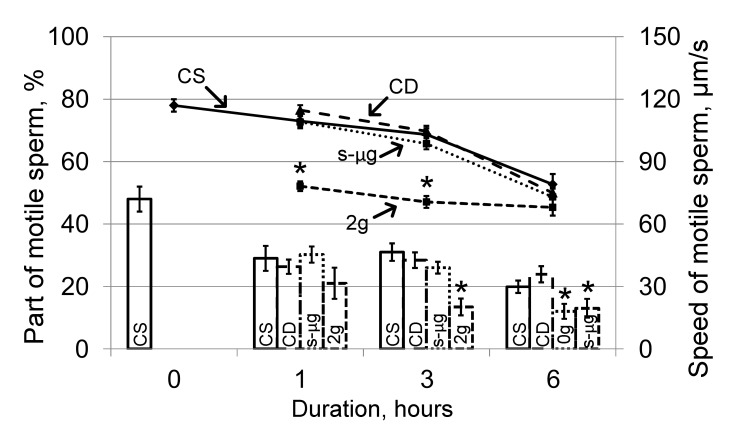
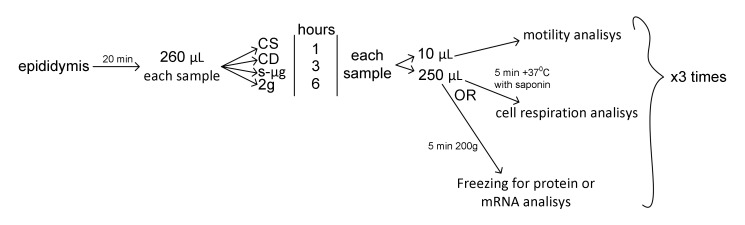
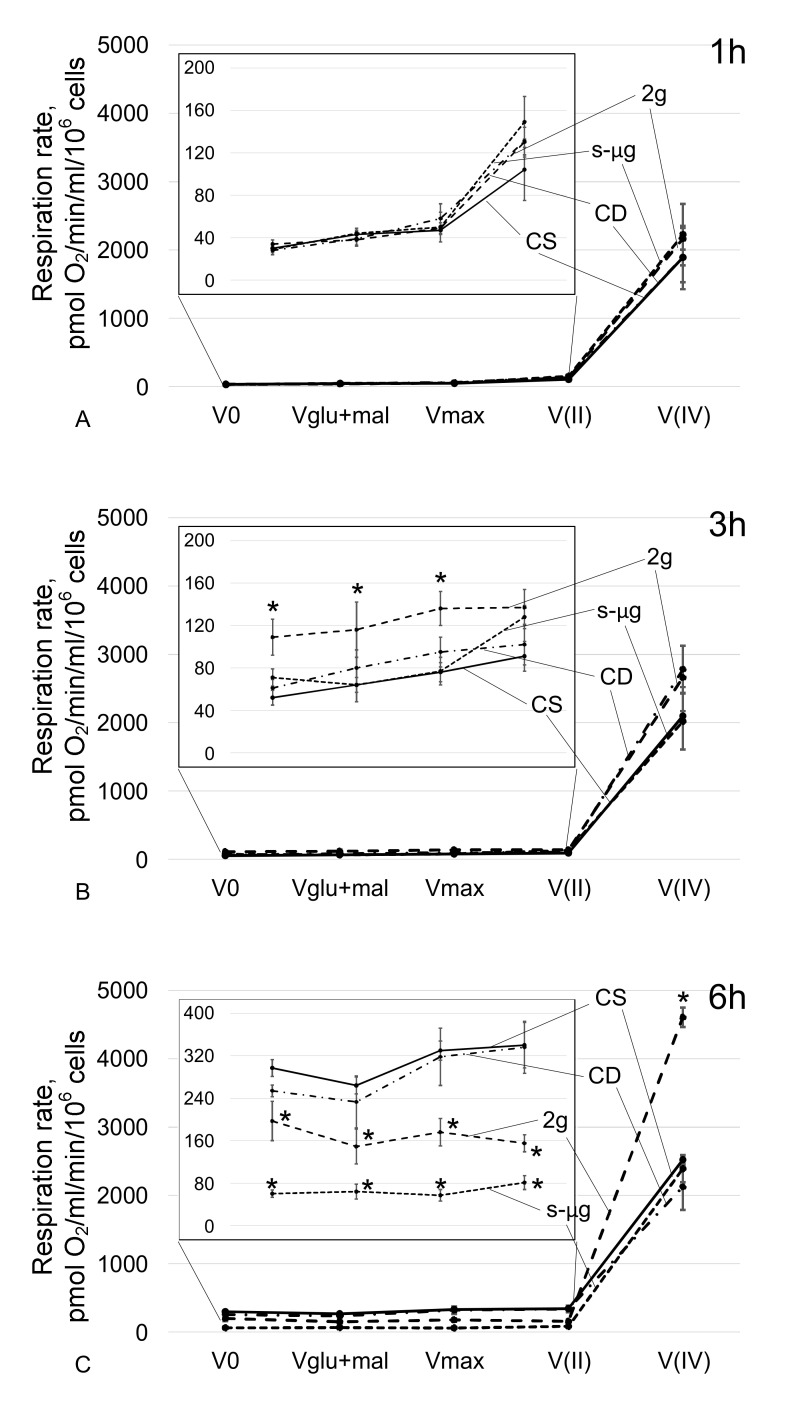
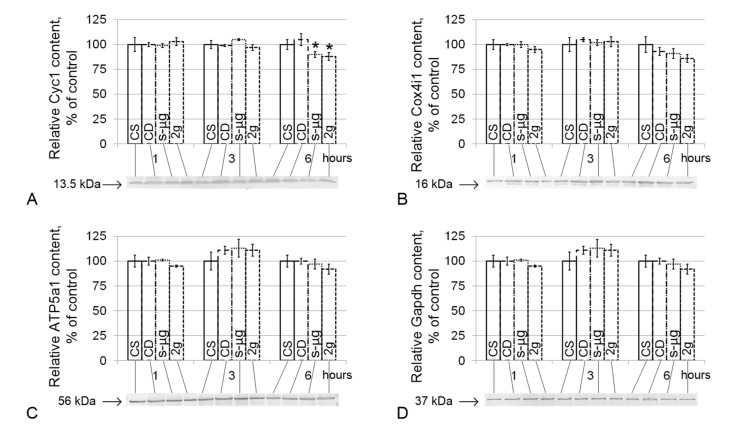
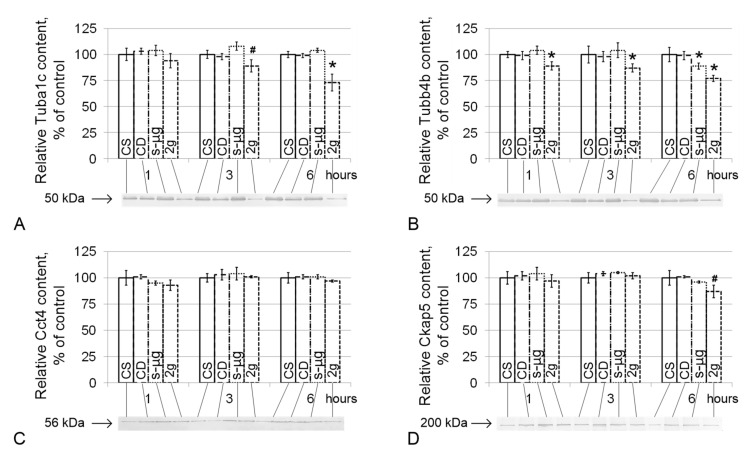
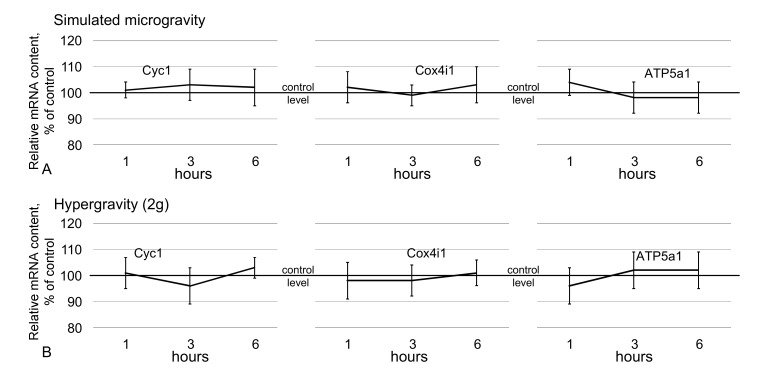
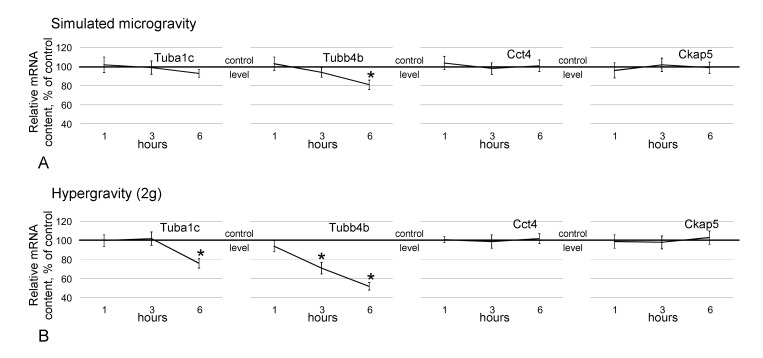
For deep space exploration, reproductive health must be maintained to preserve the species. However, the mechanisms underlying the effect of changes in gravity on male germ cells remain poorly understood. The aim of this study was to determine the effect of simulated micro- and hypergravity on mouse sperm motility and the mechanisms of this change. For 1, 3 and 6 h, mouse sperm samples isolated from the caudal epididymis were subjected to simulated microgravity using a random position machine and 2g hypergravity using a centrifuge. The experimental samples were compared with static and dynamic controls. The sperm motility and the percentage of motile sperm were determined using microscopy and video analysis, cell respiration was determined by polarography, the protein content was assessed by Western blotting and the mRNA levels were determined using qRT-PCR. The results indicated that hypergravity conditions led to more significant changes than simulated microgravity conditions: after 1 h, the speed of sperm movement decreased, and after 3 h, the number of motile cells began to decrease. Under the microgravity model, the speed of movement did not change, but the motile spermatozoa decreased after 6 h of exposure. These changes are likely associated with a change in the structure of the microtubule cytoskeleton, and changes in the energy supply are an adaptive reaction to changes in sperm motility.
对于深空探索,必须保持生殖健康以维持物种。然而,重力变化对雄性生殖细胞影响的机制仍知之甚少。本研究旨在确定模拟微重力和超重力对小鼠精子运动的影响及其变化的机制。将从尾附睾中分离出的小鼠精子样本分别在随机位置机上模拟微重力和在离心机上模拟超重力 1、3 和 6 h。将实验样本与静态和动态对照进行比较。使用显微镜和视频分析来确定精子的运动能力和运动精子的百分比,通过极谱法来确定细胞呼吸,使用 Western blot 来评估蛋白质含量,并用 qRT-PCR 来确定 mRNA 水平。结果表明,超重力条件比模拟微重力条件导致更显著的变化:1 h 后,精子运动速度下降,3 h 后,运动细胞数量开始减少。在微重力模型下,运动速度没有变化,但暴露 6 h 后活动的精子减少。这些变化可能与微管细胞骨架结构的变化有关,而能量供应的变化是对精子运动变化的适应性反应。