Laboratory of Molecular Pharmacology, Department of Oncology, Istituto di Ricerche Farmacologiche Mario Negri IRCCS, 20156 Milan, Italy.
Laboratory of Mass Spectrometry, Department of Environmental Health Sciences, Istituto di Ricerche Farmacologiche Mario Negri IRCCS, 20156 Milan, Italy.
Cells. 2020 Jul 23;9(8):1766. doi: 10.3390/cells9081766.
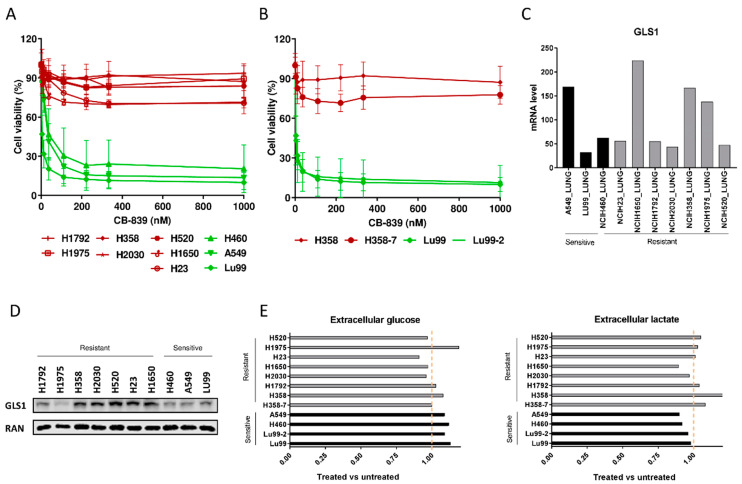
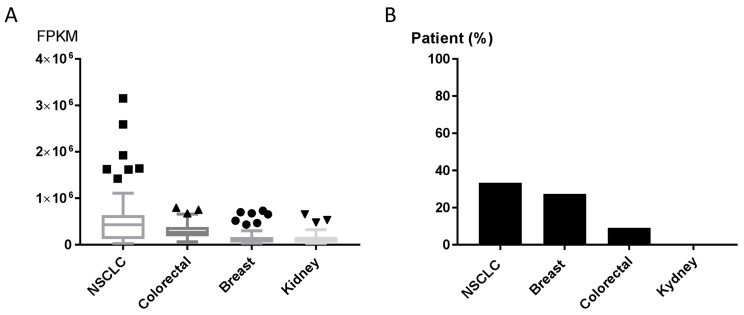
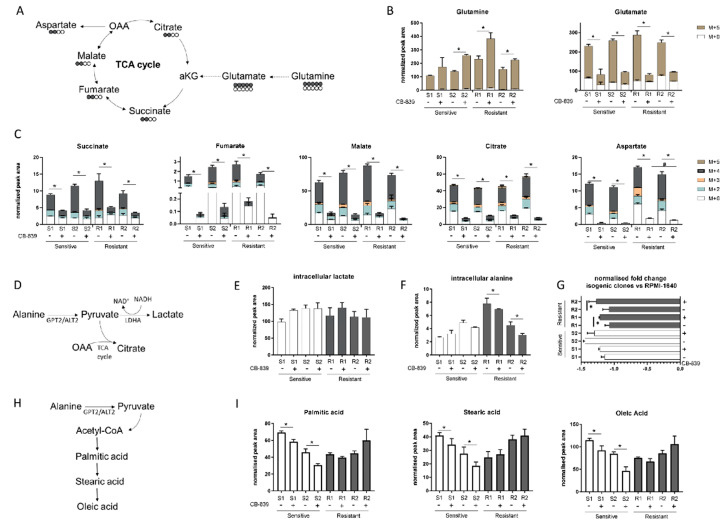
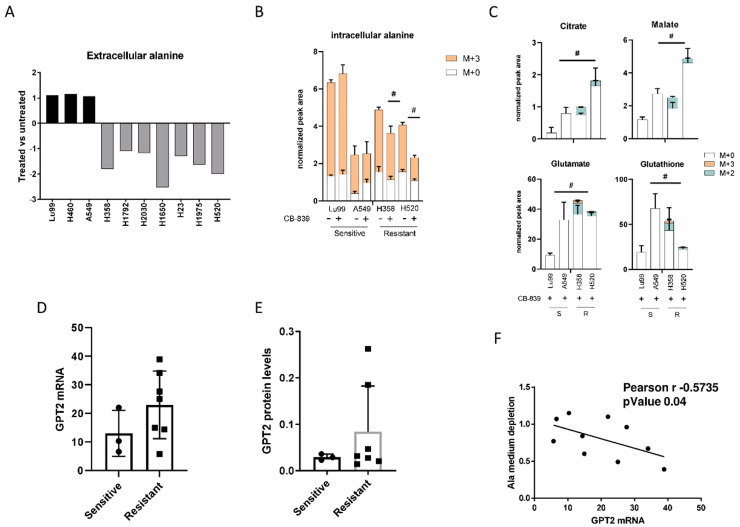
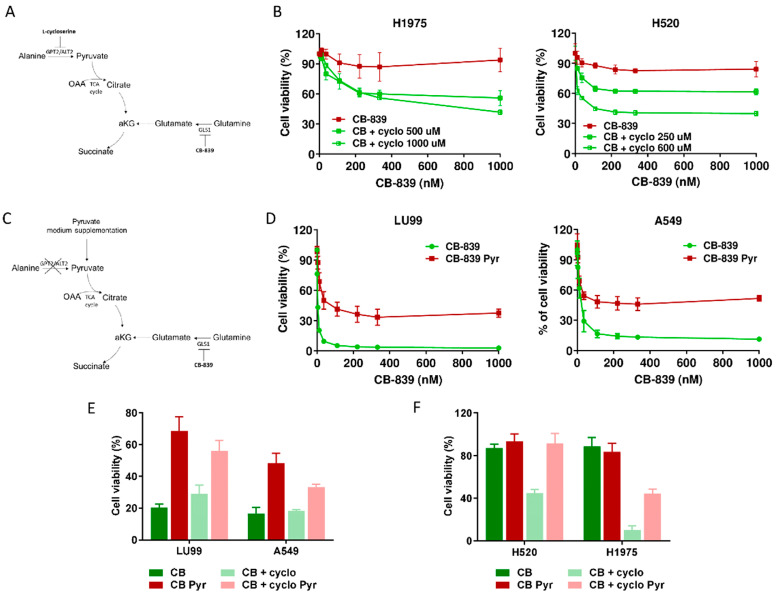
Non-small-cell lung cancer (NSCLC) cell lines vary in their sensitivity to glutaminase inhibitors, so it is important to identify the metabolic assets underling their efficacy in cancer cells. Even though specific genetic lesions such as in KRAS and LKB1 have been associated with reliance on glutamine for their metabolic needs, we found no distinction between glutaminase inhibitor CB-839 sensitivity and resistant phenotypes in NSCLC cells with or without these genetic alterations. We demonstrated the close relationship between environmental alanine uptake and catabolism. This response depended on the individual cell's ability to employ alanine aminotransferase (GPT2) to compensate the reduced glutamate availability. It may, therefore, be useful to determine GPT2 levels to predict which NSCLC patients would benefit most from glutaminase inhibitor treatment.
非小细胞肺癌(NSCLC)细胞系对谷氨酰胺酶抑制剂的敏感性存在差异,因此确定它们在癌细胞中的功效所依赖的代谢特征非常重要。尽管特定的遗传病变,如 KRAS 和 LKB1,与依赖谷氨酰胺满足其代谢需求有关,但我们在具有或不具有这些遗传改变的 NSCLC 细胞中,没有发现谷氨酰胺酶抑制剂 CB-839 敏感性和耐药表型之间的区别。我们证明了环境丙氨酸摄取和分解之间的密切关系。这种反应取决于单个细胞利用丙氨酸氨基转移酶(GPT2)来补偿减少的谷氨酸可用性的能力。因此,测定 GPT2 水平可能有助于预测哪些 NSCLC 患者将从谷氨酰胺酶抑制剂治疗中获益最大。