Zhang Jiong, Cao Fang, Wu Shu-Kun, Xiang-Heng Lu, Li Wei, Li Gui-Sen, Wang Jia
Department of Nephrology, University of Electronic Science and Technology, Sichuan Academy of Sciences & Sichuan Provincial People's Hospital, Sichuan Clinical Research Center for Kidney Disease, Chengdu, China.
Department of Nephrology, The First People's Hospital of Liangshan Yi Autonomous Prefecture, Xichang, China.
Ren Fail. 2020 Nov;42(1):726-732. doi: 10.1080/0886022X.2020.1796705.
Novel coronavirus pneumonia (COVID-19) has become pandemic. It brings serious threat to hemodialysis (HD) patients. Therefore, we carried out a study on the clinical characteristics of HD patients with COVID-19.
We retrospectively analyzed the data of 31 HD patients with COVID-19. The clinical features of patients include epidemiology, clinical symptoms, laboratory and imaging test, treatment and prognosis.
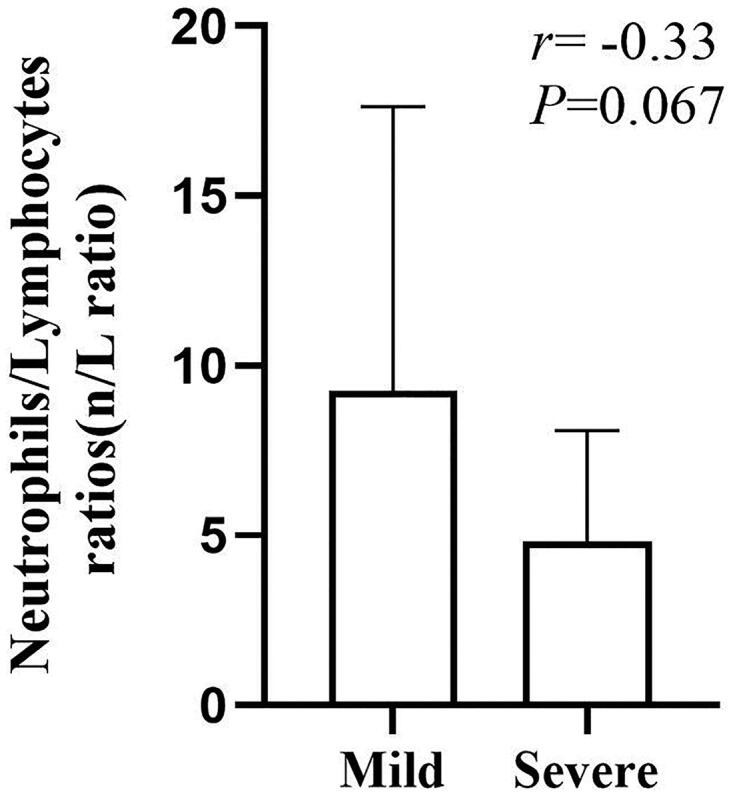
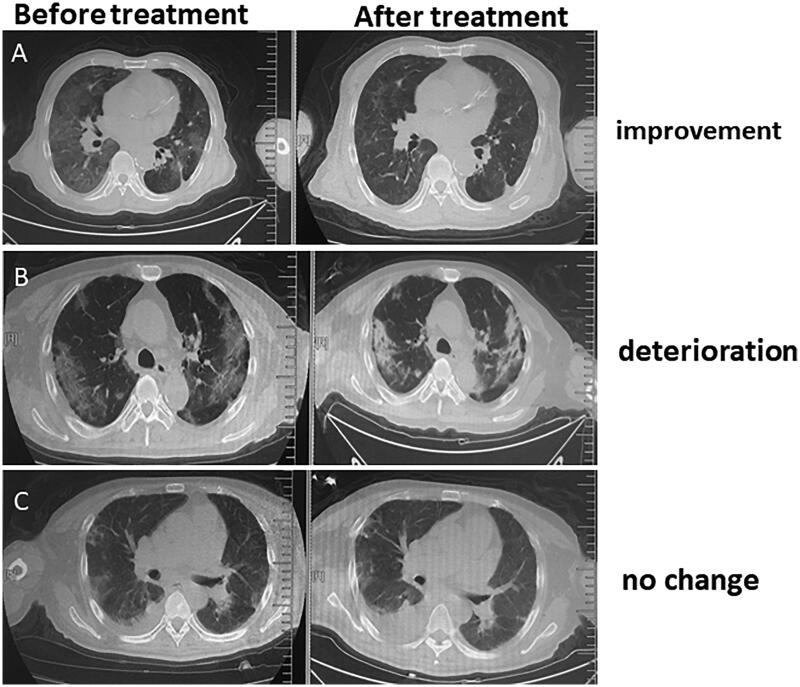
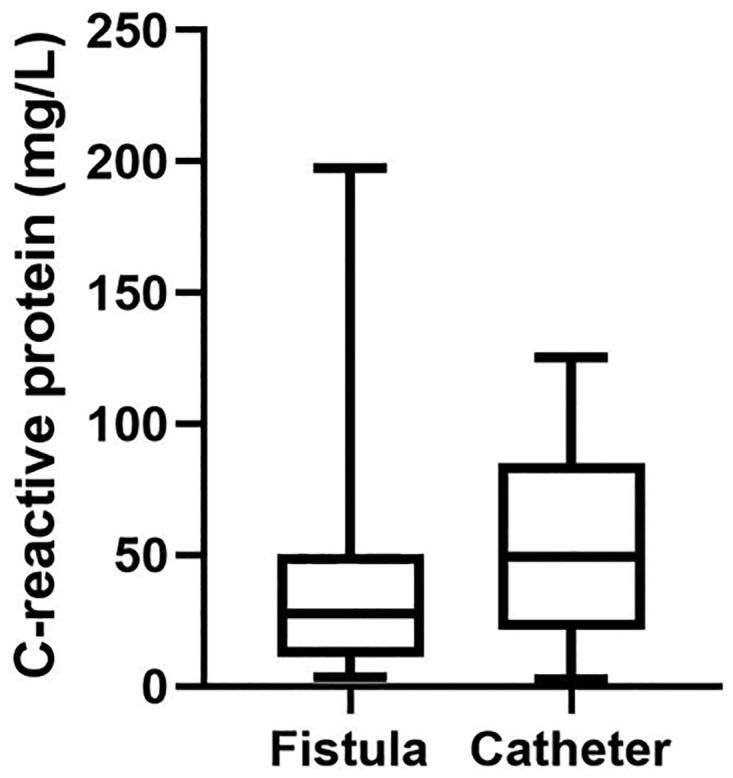
61.3% were severe, and 38.7% were mild. 83.9% had a close contact history with COVID-19 patients. The average age was 62.3 years comprising of 58.1% men and 41.9% women. Ninety percent had chronic diseases except ESRD. Clinical symptoms include cough (85%), fever (43%), and shortness of breath (48.4%), etc. Complications included ARDS (25.8%), AHF (22.6%), and septic shock (16.1%), etc. 64.5% of patients had remission, and 35.5% of patients had no remission with 6.5% deaths. Compared with the baseline before infection, HD patients with COVID-19 had lower lymphocytes, albumin and glucose, and higher D-dimer, albumin, phosphorus, lactate dehydrogenase, and CRP. There was no significant correlation between the neutrophils/lymphocytes ratio and the severity of the disease.
Compared with the reported general population, the HD patients are susceptible to COVID-19 infection, especially older men and those with other underlying diseases. Moreover, HD patients have more severe infection and inflammation with less symptoms and worse outcome. COVID-19 infection can cause dialysis patients lower immunity, stronger inflammation, malnutrition, and internal environment disorder. Neutrophils/lymphocytes ratio does not reflect the severity of the HD patients with COVID-19.
新型冠状病毒肺炎(COVID-19)已成为大流行病。它给血液透析(HD)患者带来严重威胁。因此,我们开展了一项关于COVID-19血液透析患者临床特征的研究。
我们回顾性分析了31例COVID-19血液透析患者的数据。患者的临床特征包括流行病学、临床症状、实验室及影像学检查、治疗和预后。
61.3%为重症,38.7%为轻症。83.9%有与COVID-19患者的密切接触史。平均年龄为62.3岁,男性占58.1%,女性占41.9%。90%除终末期肾病外患有慢性病。临床症状包括咳嗽(85%)、发热(43%)、气短(48.4%)等。并发症包括急性呼吸窘迫综合征(ARDS,25.8%)、急性心力衰竭(AHF,22.6%)、感染性休克(16.1%)等。64.5%的患者病情缓解,35.5%的患者未缓解,死亡率为6.5%。与感染前基线相比,COVID-19血液透析患者淋巴细胞、白蛋白和血糖较低,而D-二聚体、白蛋白、磷、乳酸脱氢酶和CRP较高。中性粒细胞/淋巴细胞比值与疾病严重程度之间无显著相关性。
与报道的普通人群相比,血液透析患者易感染COVID-19,尤其是老年男性和患有其他基础疾病的患者。此外,血液透析患者感染和炎症更严重,症状较少,预后较差。COVID-19感染可导致透析患者免疫力降低、炎症增强、营养不良和内环境紊乱。中性粒细胞/淋巴细胞比值不能反映COVID-19血液透析患者的严重程度。