Translational Neuroscience PhD Programme, Centre for Discovery Brain Sciences and the UK Dementia Research Institute, The University of Edinburgh, 1 George Square, Edinburgh, EH8 9JZ, Scotland, UK.
Centre for Discovery Brain Sciences and the UK Dementia Research Institute, The University of Edinburgh, 1 George Square, Edinburgh, EH8 9JZ, Scotland, UK.
Acta Neuropathol. 2020 Oct;140(4):417-447. doi: 10.1007/s00401-020-02196-w. Epub 2020 Jul 29.
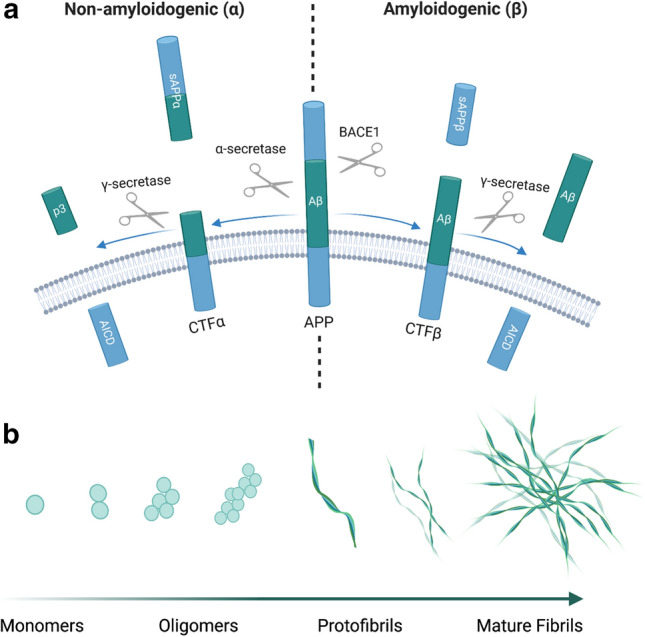
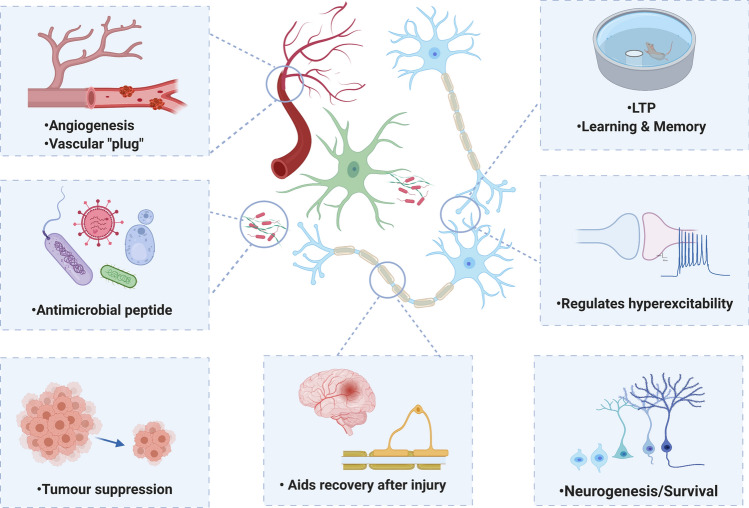
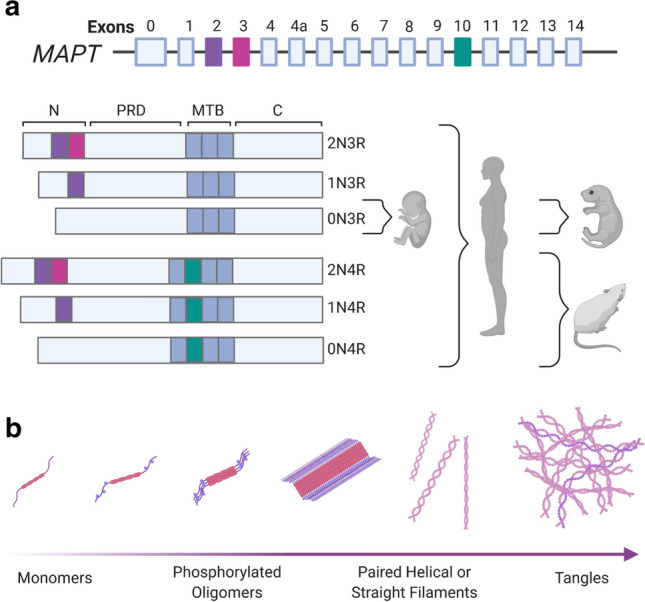
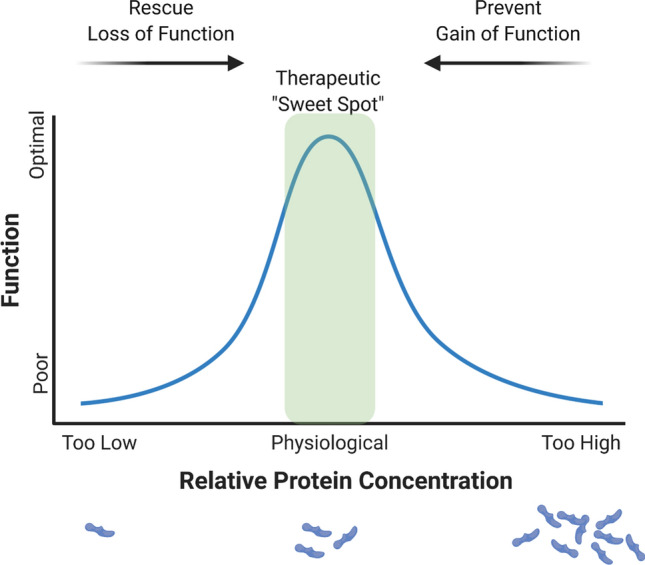
Tau and amyloid beta (Aβ) are the prime suspects for driving pathology in Alzheimer's disease (AD) and, as such, have become the focus of therapeutic development. Recent research, however, shows that these proteins have been highly conserved throughout evolution and may have crucial, physiological roles. Such functions may be lost during AD progression or be unintentionally disrupted by tau- or Aβ-targeting therapies. Tau has been revealed to be more than a simple stabiliser of microtubules, reported to play a role in a range of biological processes including myelination, glucose metabolism, axonal transport, microtubule dynamics, iron homeostasis, neurogenesis, motor function, learning and memory, neuronal excitability, and DNA protection. Aβ is similarly multifunctional, and is proposed to regulate learning and memory, angiogenesis, neurogenesis, repair leaks in the blood-brain barrier, promote recovery from injury, and act as an antimicrobial peptide and tumour suppressor. This review will discuss potential physiological roles of tau and Aβ, highlighting how changes to these functions may contribute to pathology, as well as the implications for therapeutic development. We propose that a balanced consideration of both the physiological and pathological roles of tau and Aβ will be essential for the design of safe and effective therapeutics.
tau 和淀粉样蛋白 β(Aβ)是阿尔茨海默病(AD)发病机制的主要嫌疑犯,因此成为治疗开发的重点。然而,最近的研究表明,这些蛋白质在整个进化过程中高度保守,可能具有至关重要的生理作用。这些功能可能在 AD 进展过程中丧失,或者被针对 tau 或 Aβ 的治疗无意中破坏。tau 不仅仅是微管的简单稳定剂,据报道,它在多种生物学过程中发挥作用,包括髓鞘形成、葡萄糖代谢、轴突运输、微管动力学、铁稳态、神经发生、运动功能、学习和记忆、神经元兴奋性和 DNA 保护。Aβ 同样具有多功能性,据推测它可以调节学习和记忆、血管生成、神经发生、修复血脑屏障的渗漏、促进损伤后的恢复,并作为抗菌肽和肿瘤抑制因子。这篇综述将讨论 tau 和 Aβ 的潜在生理作用,强调这些功能的变化如何导致病理学,并探讨对治疗开发的影响。我们认为,平衡考虑 tau 和 Aβ 的生理和病理作用对于设计安全有效的治疗方法至关重要。