Arasanz Hugo, Hernández Carlos, Bocanegra Ana, Chocarro Luisa, Zuazo Miren, Gato Maria, Ausin Karina, Santamaría Enrique, Fernández-Irigoyen Joaquín, Fernandez Gonzalo, Santamaria Eva, Rodríguez Carlos, Blanco-Luquin Idoia, Vera Ruth, Escors David, Kochan Grazyna
Oncoimmunology, Navarrabiomed-UPNA, Navarra Institute for Health Research (IdiSNA), Irunlarrea 3, 31008 Pamplona, Spain.
Medical Oncology Unit, Complejo Hospitalario de Navarra (CHN), IdISNA, Irunlarrea 3, 31008 Pamplona, Spain.
Cancers (Basel). 2020 Aug 5;12(8):2181. doi: 10.3390/cancers12082181.
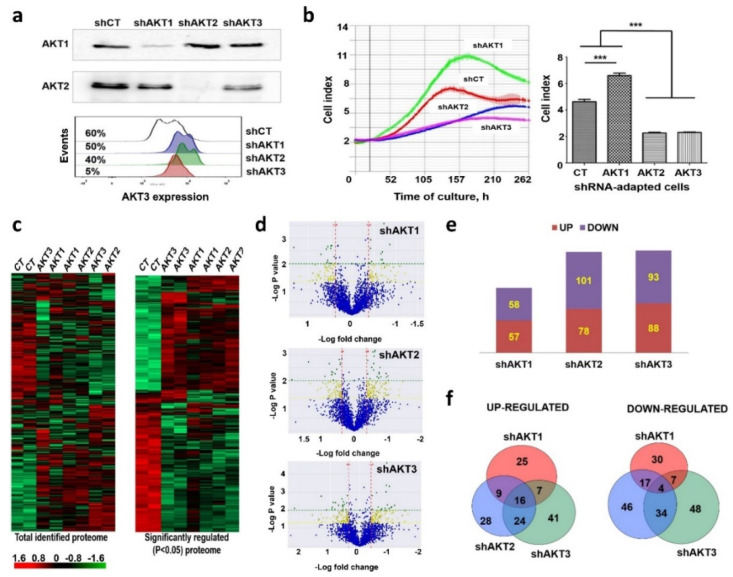
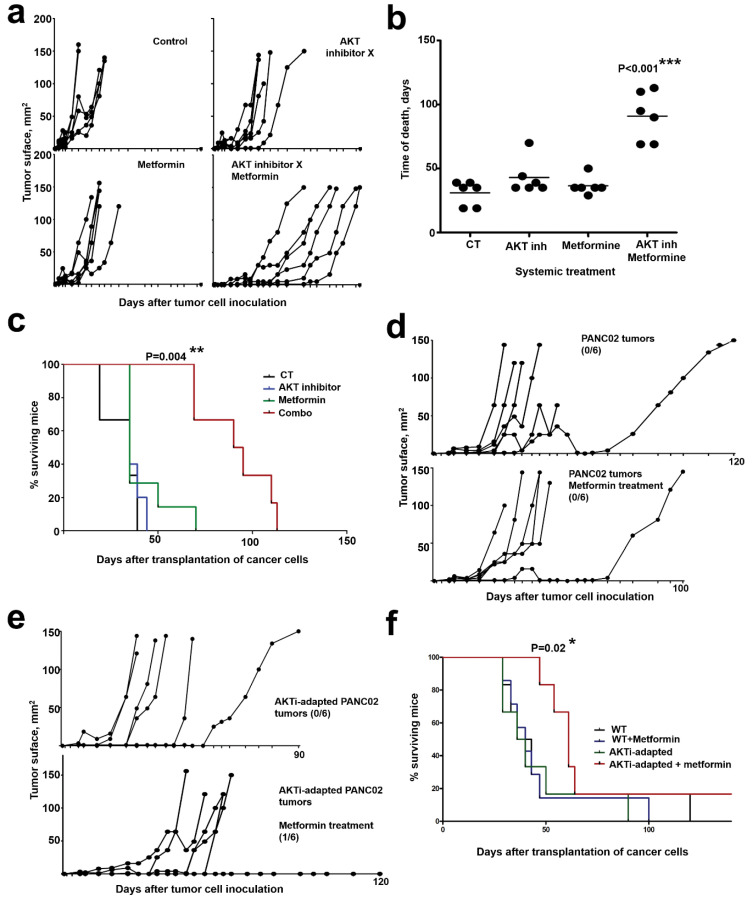
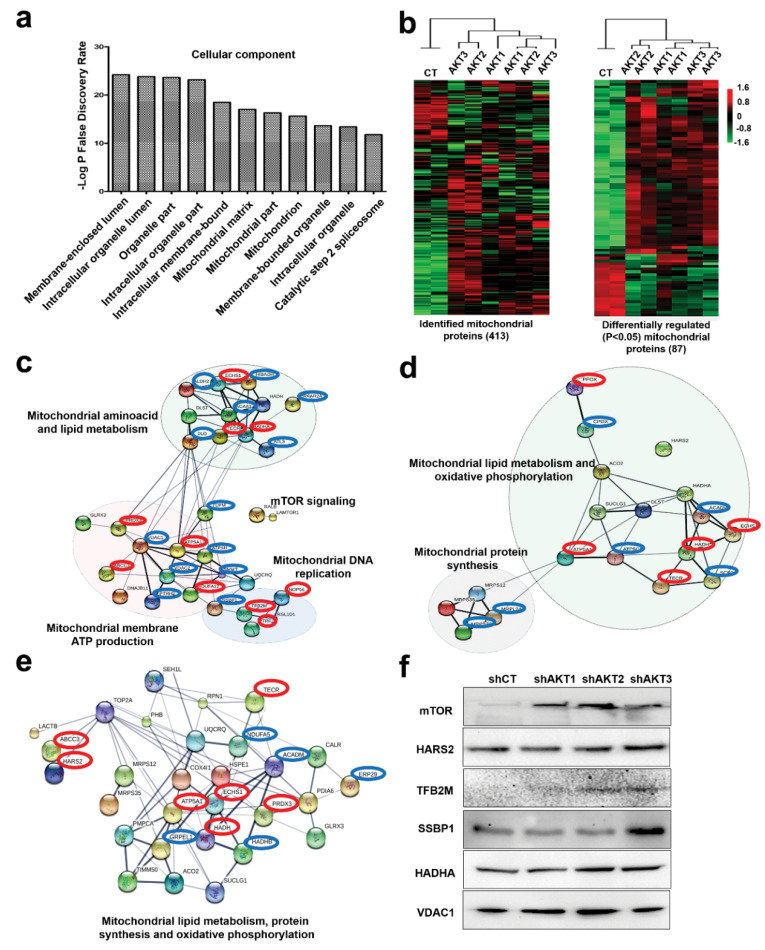
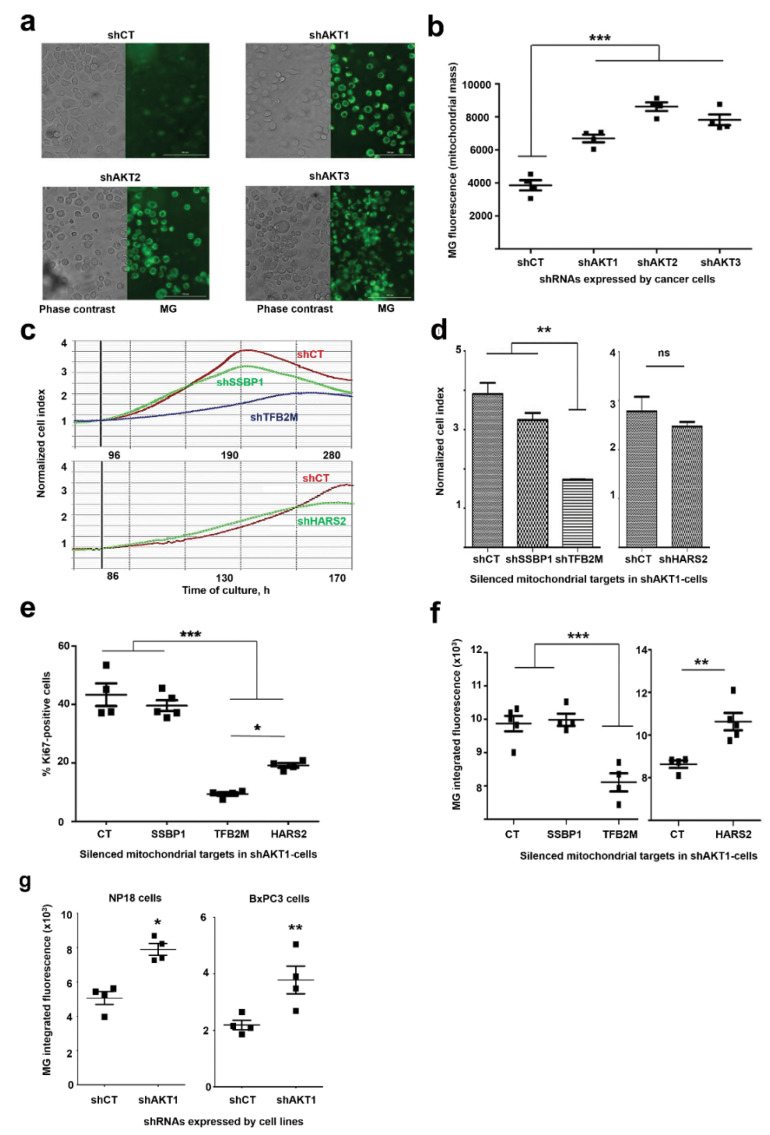
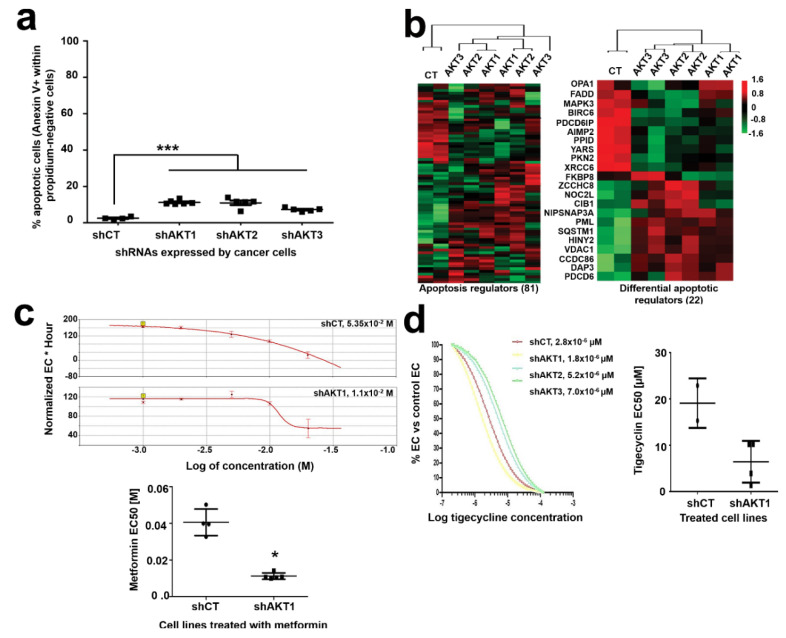
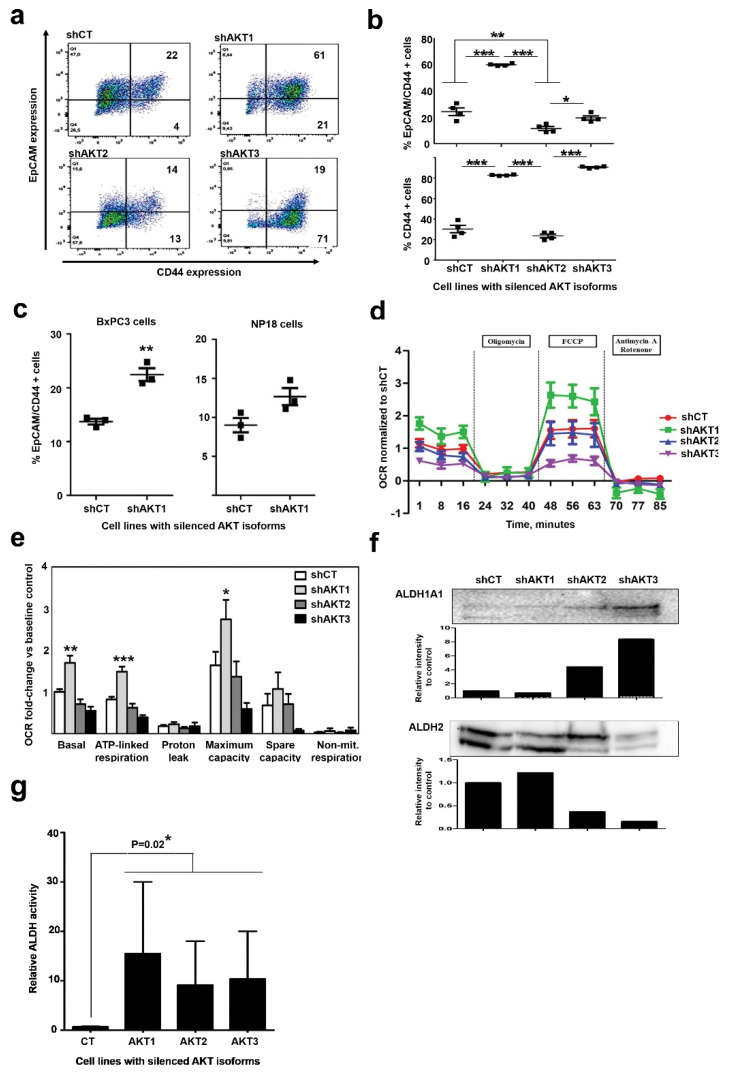
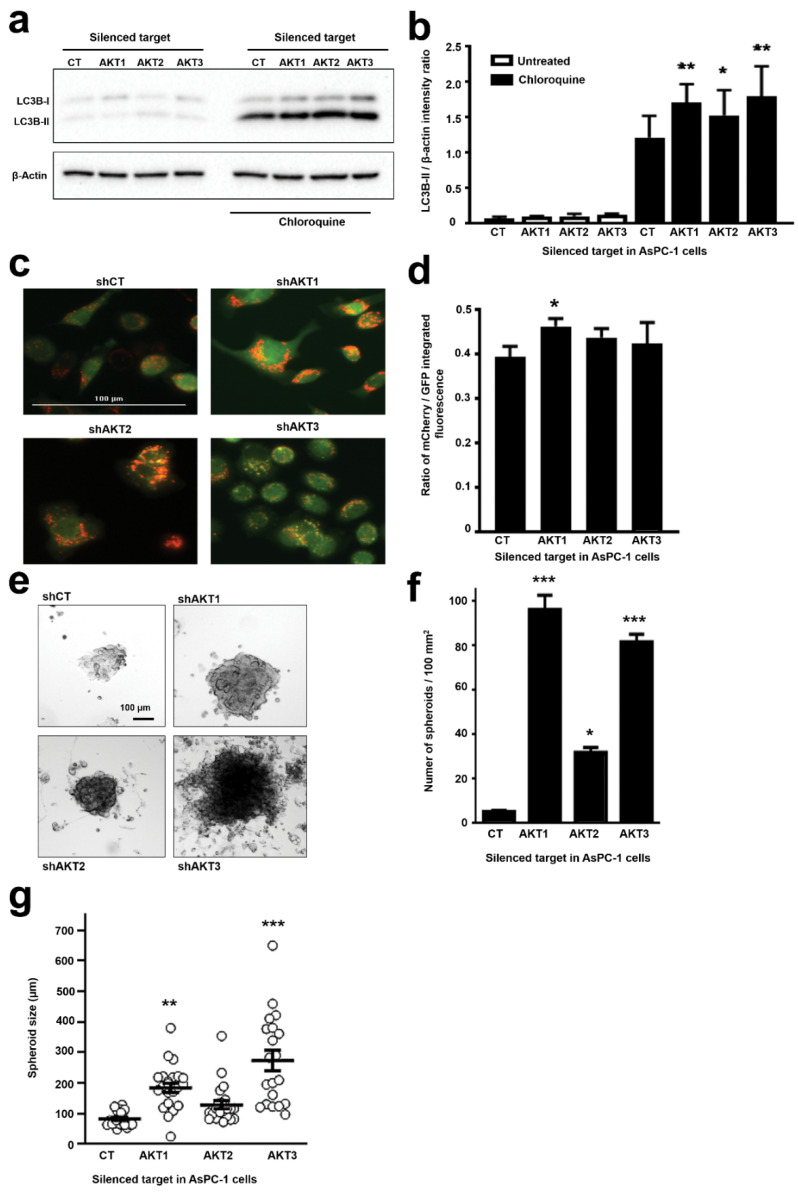
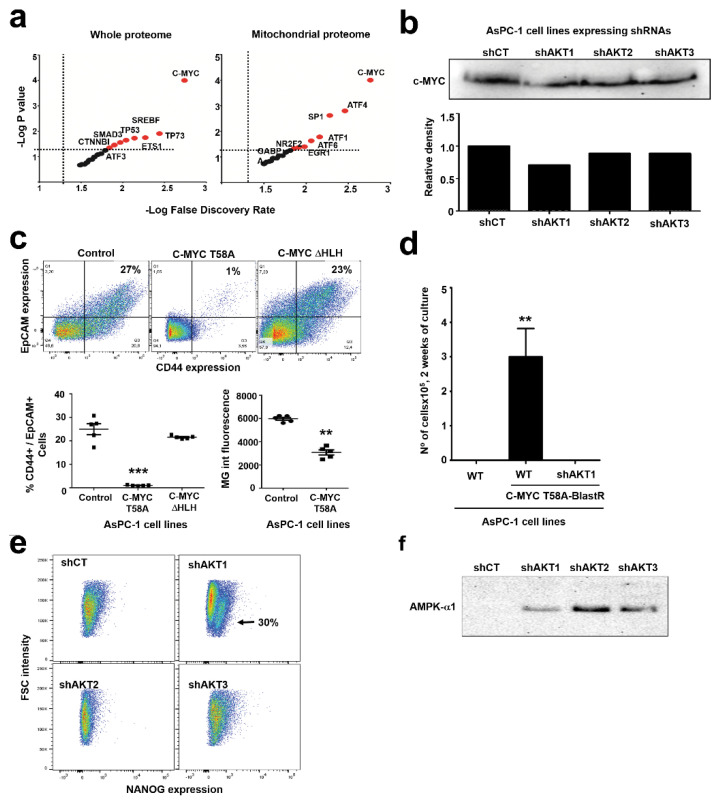
Cancer cells acquire resistance to cytotoxic therapies targeting major survival pathways by adapting their metabolism. The AKT pathway is a major regulator of human pancreatic adenocarcinoma progression and a key pharmacological target. The mechanisms of adaptation to long-term silencing of AKT isoforms of human and mouse pancreatic adenocarcinoma cancer cells were studied. Following silencing, cancer cells remained quiescent for long periods of time, after which they recovered proliferative capacities. Adaptation caused profound proteomic changes largely affecting mitochondrial biogenesis, energy metabolism and acquisition of a number of distinct cancer stem cell (CSC) characteristics depending on the AKT isoform that was silenced. The adaptation to AKT1 silencing drove most de-differentiation and acquisition of stemness through C-MYC down-modulation and NANOG upregulation, which were required for survival of adapted CSCs. The changes associated to adaptation sensitized cancer cells to inhibitors targeting regulators of oxidative respiration and mitochondrial biogenesis. In vivo pharmacological co-inhibition of AKT and mitochondrial metabolism effectively controlled pancreatic adenocarcinoma growth in pre-clinical models.
癌细胞通过调整其代谢来获得对靶向主要生存途径的细胞毒性疗法的抗性。AKT途径是人类胰腺腺癌进展的主要调节因子和关键药理学靶点。研究了人类和小鼠胰腺腺癌细胞的AKT亚型长期沉默后的适应机制。沉默后,癌细胞长时间保持静止,之后恢复增殖能力。适应导致了深刻的蛋白质组学变化,很大程度上影响了线粒体生物发生、能量代谢以及根据沉默的AKT亚型获得许多不同的癌症干细胞(CSC)特征。对AKT1沉默的适应通过C-MYC下调和NANOG上调驱动了大多数去分化和干性获得,这是适应后的CSC存活所必需的。与适应相关的变化使癌细胞对靶向氧化呼吸和线粒体生物发生调节因子的抑制剂敏感。在临床前模型中,体内对AKT和线粒体代谢的药理学联合抑制有效地控制了胰腺腺癌的生长。