Afsharpaiman Shahla, Zare Musa, Yasemi Masoud, Jamialahmadi Tannaz, Sahebkar Amirhossein
Health Research Center, Life Style Institute, Bagiyatallah University of Medical Sciences, Tehran, Iran.
Department of Ophthalmology, Jahrom University of Medical Sciences, Jahrom, Iran.
J Ophthalmol. 2020 Jul 28;2020:6329321. doi: 10.1155/2020/6329321. eCollection 2020.
The keratorefractive surgeries (KRS) are one of the most common ocular surgeries. One of the dangerous complications of these surgeries is infectious keratitis (IK), which is the second cause of blindness after cataract surgery. The purpose of this study was to estimate the prevalence of IK after KRS in different parts of the world.
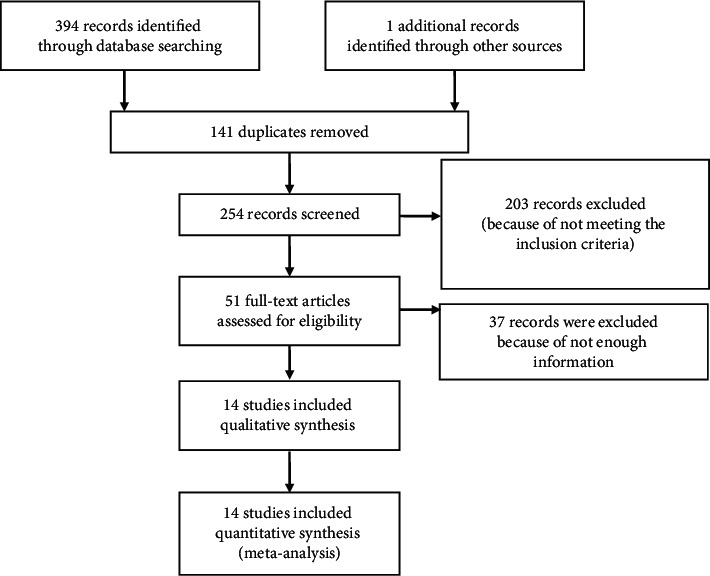
In order to obtain relevant studies, all national and international databases including IranMedex, SID, Magiran, IranDoc, Medlib, ScienceDirect, PubMed, Scopus, Cochrane, Embase, Web of Science, and Google Scholar were searched using standard keywords.
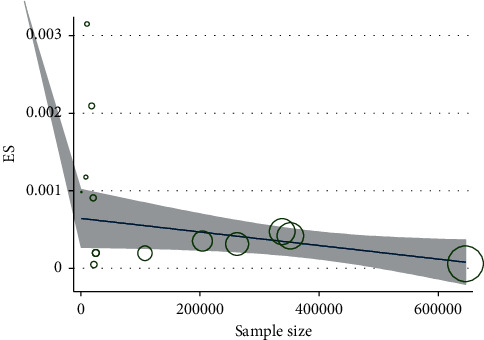
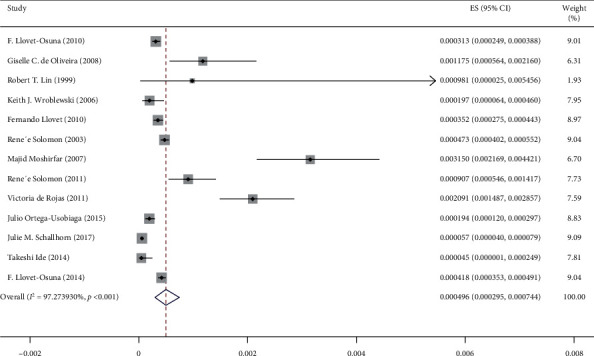
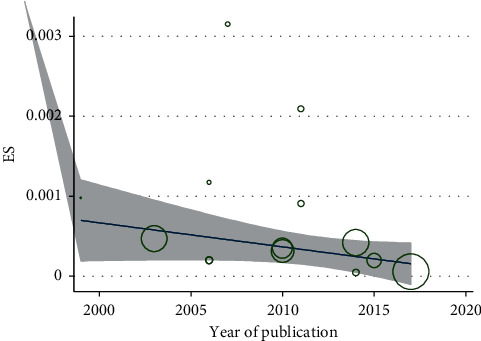
IK prevalence after KRS was 0.000496% (0.000145% for the left eye and 0.000149% for the right eye). IK prevalence after KRS in the United States, Europe, and Asia was 0.000667%, 0.000473%, and 0.000045%, respectively, in all of which the common microorganisms were . Meta-regression showed no significant association between IK after KRS and either sample size or publication year of the studies. IK prevalence after KRS in the right eye was more than that in the left one. Also, the probability of IK incidence after LASIK surgery was more than PRK and LASEK. In the evaluation of continents, IK after KRS in the United States was more frequent compared with Europe and Asia.
This study provided data as to the overall prevalence of IK following KRS and its variations according to the types of eye, surgery, pathogenic microorganism, and geographical location.
角膜屈光手术(KRS)是最常见的眼科手术之一。这些手术的危险并发症之一是感染性角膜炎(IK),它是白内障手术后导致失明的第二大原因。本研究的目的是估计世界各地KRS后IK的患病率。
为了获取相关研究,使用标准关键词搜索了所有国家和国际数据库,包括IranMedex、SID、Magiran、IranDoc、Medlib、ScienceDirect、PubMed、Scopus、Cochrane、Embase、科学引文索引和谷歌学术。
KRS后IK的患病率为0.000496%(左眼为0.000145%,右眼为0.000149%)。在美国、欧洲和亚洲,KRS后IK的患病率分别为0.000667%、0.000473%和0.000045%,所有这些地区的常见微生物均为 。Meta回归显示,KRS后IK与研究的样本量或发表年份之间无显著关联。KRS后右眼IK的患病率高于左眼。此外,准分子激光原位角膜磨镶术(LASIK)手术后发生IK的概率高于准分子激光角膜切削术(PRK)和准分子激光上皮下角膜磨镶术(LASEK)。在各大洲的评估中,与欧洲和亚洲相比,美国KRS后IK的发生率更高。
本研究提供了KRS后IK的总体患病率及其根据眼睛类型、手术、致病微生物和地理位置的变化数据。