Department of Epidemiology and Disease Control, School of Public Health, University of Ghana, Accra, Ghana.
Veterinary Services Directorate of the Ministry of Food and Agriculture, Accra, Ghana.
BMC Microbiol. 2020 Aug 14;20(1):253. doi: 10.1186/s12866-020-01935-z.
Typically, raw meat can be contaminated with antibiotic resistant pathogens at unhygienic slaughter and sale points. Consumption of meat contaminated with antibiotic resistant E. coli is associated with grave health care consequences. The aim of this study was to determine the microbial quality of raw meat, the antimicrobial susceptibility and Extended Spectrum Beta Lactamase (ESBL) production in E. coli isolates from raw meat.
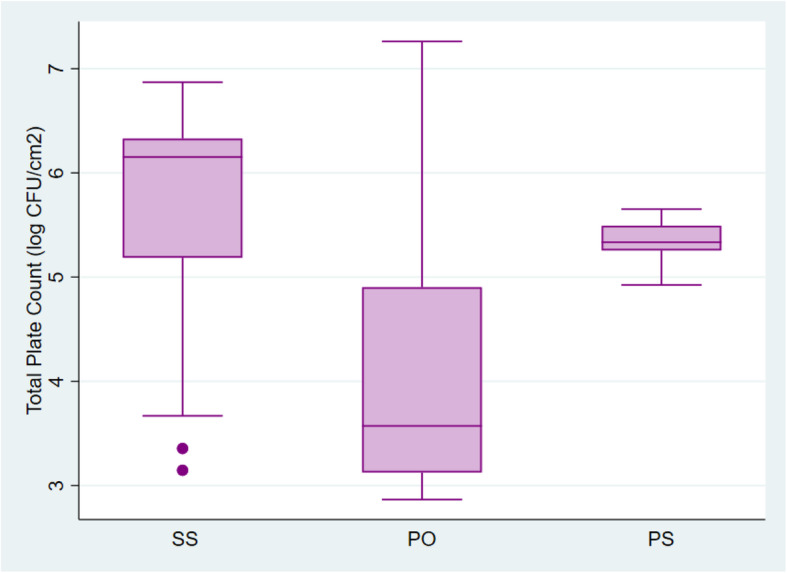
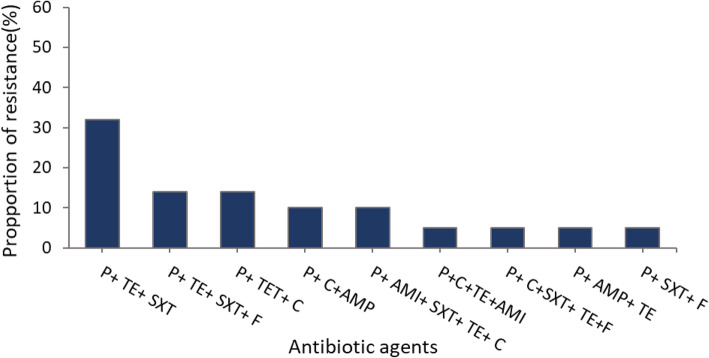
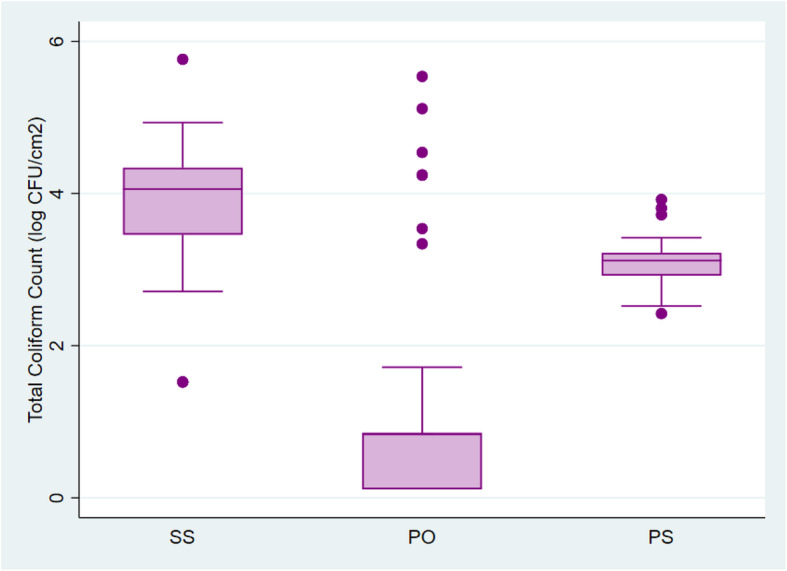
Total Plate Counts exceeded the acceptable limit of 5.0 log CFU/ cm in 60.5% (124/205) of raw meat samples. Total Coliform Counts in 70.7% (145/205) of samples were in excess of the acceptable limit of 2.5 log CFU/cm. E. coli was detected in about half of raw meat samples (48%), ranging from 9.5-79.0% among the slaughter sites. Isolates were susceptible to meropenem (100%), ceftriaxone (99%), cefotaxime (98%), chloramphenicol (97%), gentamycin (97%), ciprofloxacin (92%) and amikacin (92%), but resistant to ampicillin (57%), tetracycline (45%), sulfamethoxazole-trimethoprim (21%) and cefuroxime (17%). Multi-drug resistance (MDR) was identified in 22% of the isolates. The bla was detected in 4% (4/98) of E. coli isolates in this study.
The levels of microbial contamination of raw meat in this study were unacceptable. Meat handlers and consumers are at risk of foodborne infections from E. coli including ESBL producing E. coli that are resistant to most antibiotics in use. We recommend an enhanced surveillance for antibiotic resistance in food products for the early detection of emerging resistant bacteria species in the food chain.
通常情况下,生肉在不卫生的屠宰和销售点可能会受到抗生素耐药病原体的污染。食用受抗生素耐药大肠杆菌污染的肉类会导致严重的医疗后果。本研究的目的是确定生肉的微生物质量,以及生肉中大肠杆菌分离株的抗菌药物敏感性和扩展谱β-内酰胺酶(ESBL)产生情况。
总平板计数(TPC)超过 5.0 log CFU/cm 的可接受限值的生肉样本占 60.5%(124/205)。70.7%(145/205)的样本总大肠菌群计数超过 2.5 log CFU/cm 的可接受限值。大约一半的生肉样本(48%)中检测到大肠杆菌,屠宰场的检出率在 9.5%至 79.0%之间。分离株对美罗培南(100%)、头孢曲松(99%)、头孢噻肟(98%)、氯霉素(97%)、庆大霉素(97%)、环丙沙星(92%)和阿米卡星(92%)敏感,但对氨苄西林(57%)、四环素(45%)、磺胺甲恶唑-甲氧苄啶(21%)和头孢呋辛(17%)耐药。48%的分离株表现出多药耐药性(MDR)。本研究中 4%(4/98)的大肠杆菌分离株检测到 bla。
本研究中生肉的微生物污染水平是不可接受的。肉品处理人员和消费者面临着食源性大肠杆菌感染的风险,包括对大多数常用抗生素耐药的产 ESBL 大肠杆菌。我们建议加强对食品中抗生素耐药性的监测,以便及早发现食物链中新型耐药细菌。