Faculty of Medicine, Prince of Wales Hospital, The Chinese University of Hong Kong, Hong Kong, China.
Department of Chemical Pathology, Prince of Wales Hospital, The Chinese University of Hong Kong, Hong Kong, China.
Theranostics. 2020 Jul 11;10(20):8924-8938. doi: 10.7150/thno.47118. eCollection 2020.
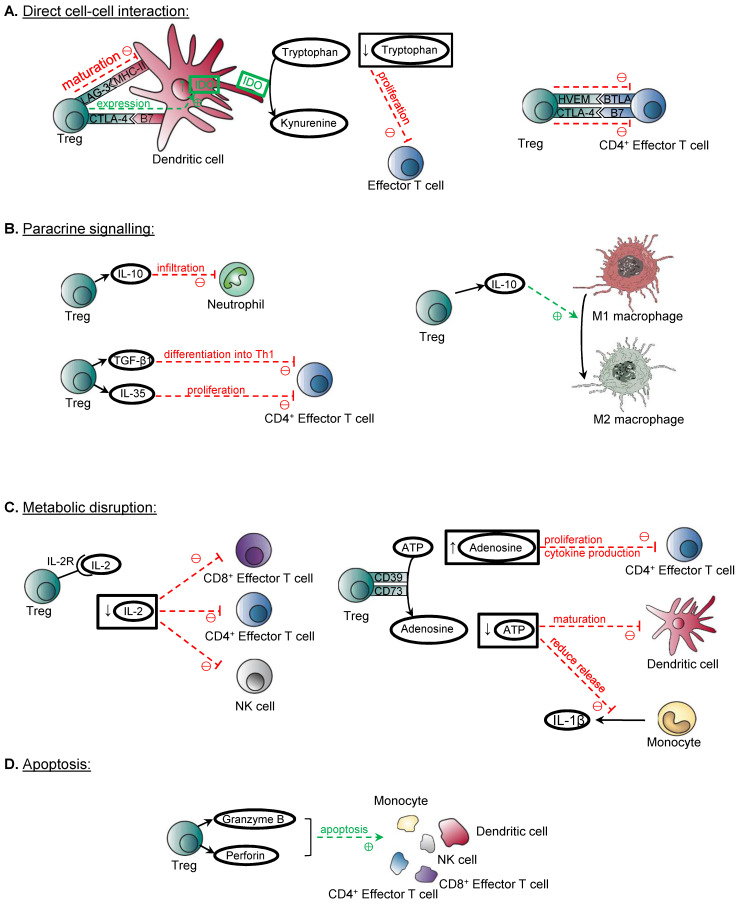
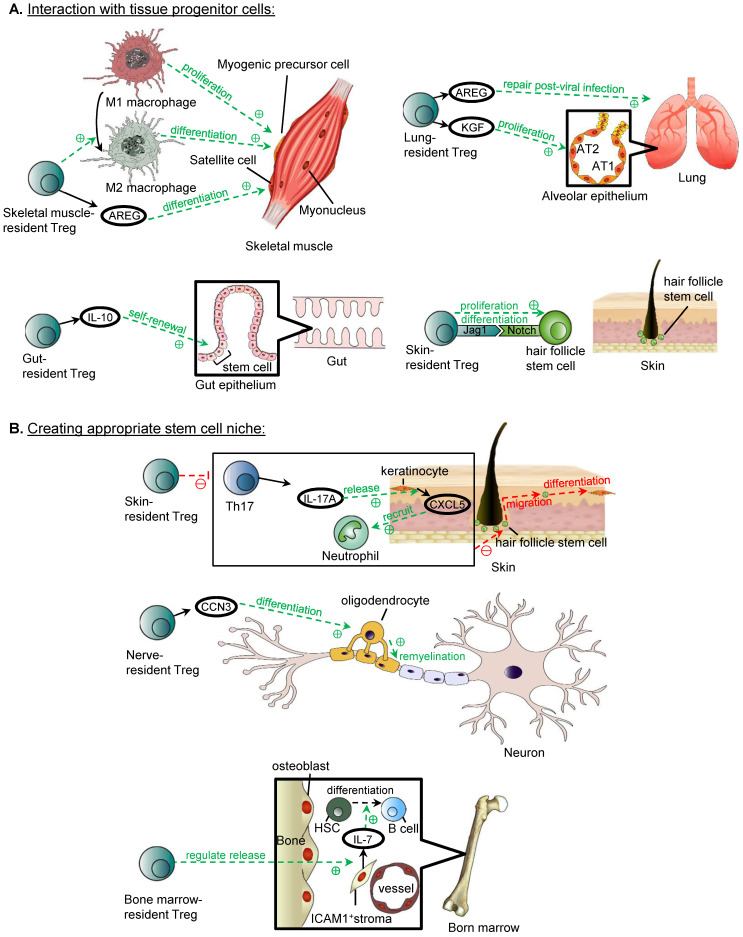
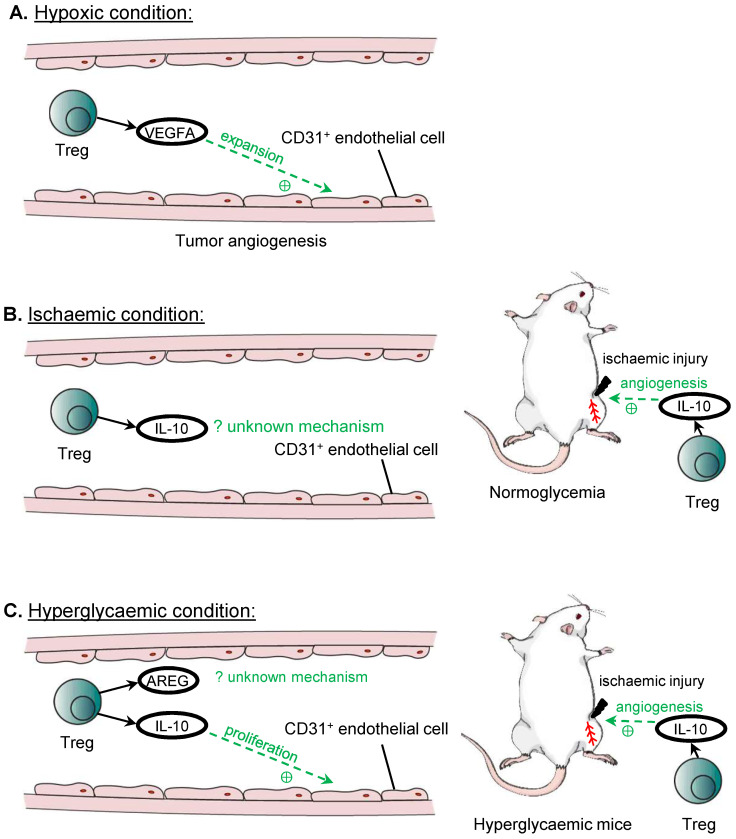
Accumulating evidence has demonstrated that immune cells play an important role in the regulation of tissue repair and regeneration. After injury, danger signals released by the damaged tissue trigger the initial pro-inflammatory phase essential for removing pathogens or cellular debris that is later replaced by the anti-inflammatory phase responsible for tissue healing. On the other hand, impaired immune regulation can lead to excessive scarring and fibrosis that could be detrimental for the restoration of organ function. Regulatory T-cells (Treg) have been revealed as the master regulator of the immune system that have both the immune and regenerative functions. In this review, we will summarize their immune role in the induction and maintenance of self-tolerance; as well as their regenerative role in directing tissue specific response for repair and regeneration. The latter is clearly demonstrated when Treg enhance the differentiation of stem or progenitor cells such as satellite cells to replace the damaged skeletal muscle, as well as the proliferation of parenchymal cells including neonatal cardiomyocytes for functional regeneration. Moreover, we will also discuss the reparative and regenerative role of Treg with a particular focus on blood vessels and cardiac tissues. Last but not least, we will describe the ongoing clinical trials with Treg in the treatment of autoimmune diseases that could give clinically relevant insights into the development of Treg therapy targeting tissue repair and regeneration.
越来越多的证据表明,免疫细胞在组织修复和再生的调控中发挥着重要作用。在损伤后,受损组织释放的危险信号触发了最初的促炎阶段,这对于清除病原体或细胞碎片是必要的,随后是抗炎阶段,负责组织愈合。另一方面,免疫调节受损会导致过度的瘢痕形成和纤维化,这可能对恢复器官功能不利。调节性 T 细胞(Treg)已被揭示为免疫系统的主要调节者,具有免疫和再生功能。在这篇综述中,我们将总结它们在诱导和维持自身耐受中的免疫作用;以及它们在指导组织特异性修复和再生反应中的再生作用。当 Treg 增强干细胞或祖细胞(如卫星细胞)的分化以替代受损的骨骼肌,以及包括新生儿心肌细胞在内的实质细胞的增殖以实现功能再生时,就明显体现了这一点。此外,我们还将讨论 Treg 在血管和心脏组织中的修复和再生作用。最后但同样重要的是,我们将描述 Treg 在自身免疫性疾病治疗中的临床试验,这可能为靶向组织修复和再生的 Treg 治疗的发展提供临床相关的见解。