Lee Gil Ya Cancer and Diabetes Institute, Gachon University, Incheon 21999, South Korea.
Department of Ophthalmology, Gil Medical Center, Gachon University, College of Medicine, Incheon 21565, South Korea.
Int J Nanomedicine. 2020 Aug 6;15:5745-5765. doi: 10.2147/IJN.S254792. eCollection 2020.
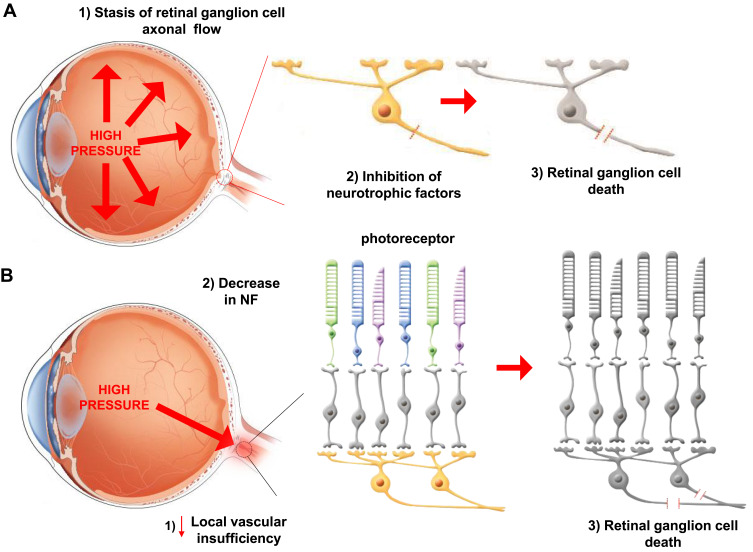
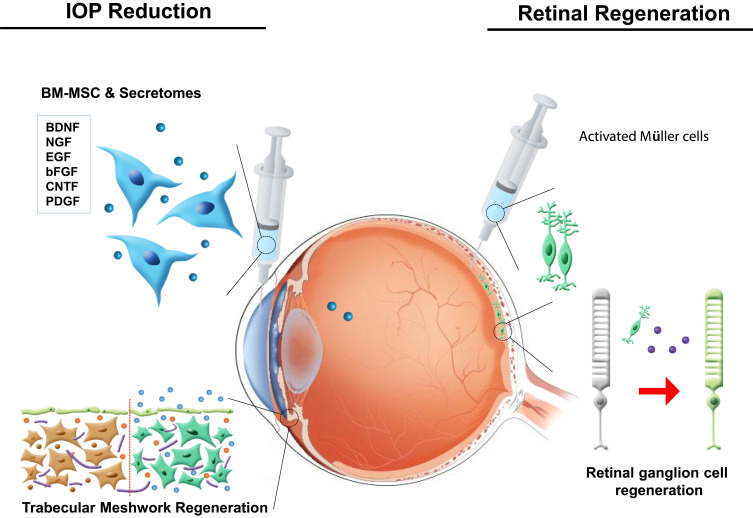
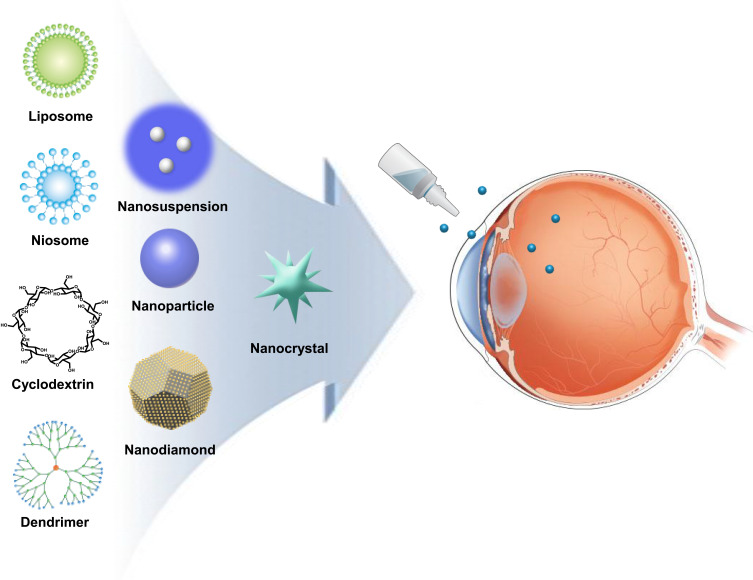
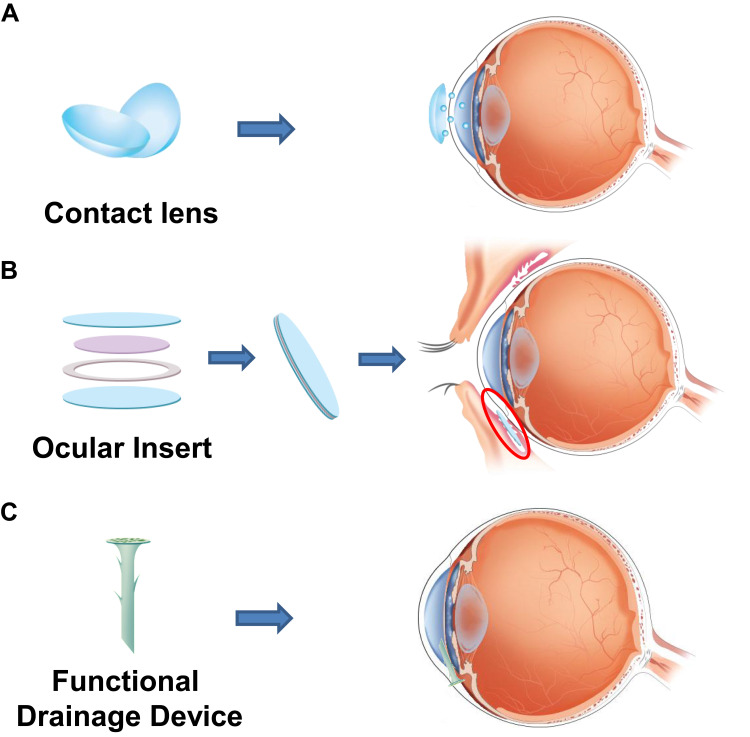
Glaucoma is a group of diseases characterized by progressive degeneration of retinal ganglion cells, leading to irreversible blindness. Currently, intraocular pressure reduction is the only established treatment available for glaucoma. With this treatment, the progression of the disease can only be delayed and there is no recovery. In addition, the commercially available eye drops have the disadvantage of low compliance and short therapeutic time, while glaucoma surgery always has the risk of failure due to wound fibrosis. Nanotechnology can overcome the limitations of the current treatment through the encapsulation and conjugation of drugs used for lowering intraocular pressure and antifibrotic agents using biodegradable or biocompatible nanoparticles for the sustained release of the drugs to protect the damaged ocular cells. Furthermore, using nanotechnology, treatment can be administered in various forms, including eye drops, contact lens, and ocular inserts, according to the convenience of the patients. Despite the promising results of delaying the progression of glaucoma, the regeneration of damaged ocular cells, including trabecular meshwork and retinal ganglion cells, is another critical hurdle to overcome. Bone marrow-derived mesenchymal stem cells and Müller glia cells can secrete neurogenic factors that trigger the regeneration of associated cells, including trabecular meshwork and retinal ganglion cells. In conclusion, this review highlights the potential therapeutic applications of nanotechnology- and stem cell-based methods that can be employed for the protection and regeneration of ocular cells.
青光眼是一组以视网膜神经节细胞进行性退化为特征的疾病,导致不可逆转的失明。目前,降低眼内压是治疗青光眼的唯一有效方法。通过这种治疗,只能延缓疾病的进展,而不能恢复。此外,市售的眼药水存在依从性差和治疗时间短的缺点,而青光眼手术由于伤口纤维化,始终存在失败的风险。纳米技术可以通过封装和共轭用于降低眼内压的药物以及使用可生物降解或生物相容的纳米颗粒的抗纤维化药物来克服当前治疗方法的局限性,以实现药物的持续释放,从而保护受损的眼部细胞。此外,通过纳米技术,根据患者的方便程度,可以采用各种形式的治疗,包括眼药水、隐形眼镜和眼内插入物。尽管在延缓青光眼进展方面取得了有希望的结果,但再生受损的眼部细胞,包括小梁网和视网膜神经节细胞,是另一个需要克服的关键障碍。骨髓间充质干细胞和 Müller 胶质细胞可以分泌神经营养因子,触发相关细胞(包括小梁网和视网膜神经节细胞)的再生。总之,这篇综述强调了基于纳米技术和干细胞的方法在保护和再生眼部细胞方面的潜在治疗应用。