Department of Internal Medicine, Ewha Womans University Seoul Hospital, Ewha Womans University College of Medicine, Seoul, South Korea.
Department of Internal Medicine, Keimyung University School of Medicine, Daegu, South Korea.
BMC Nephrol. 2020 Aug 26;21(1):367. doi: 10.1186/s12882-020-02016-z.
Glomerular diseases, a set of debilitating and complex disease entities, are related to mortality and morbidity. To gain insight into pathophysiology and novel treatment targets of glomerular disease, various types of biospecimens linked to deep clinical phenotyping including clinical information, digital pathology, and well-defined outcomes are required. We provide the rationale and design of the KOrea Renal biobank NEtwoRk System TOward Next-generation analysis (KORNERSTONE).
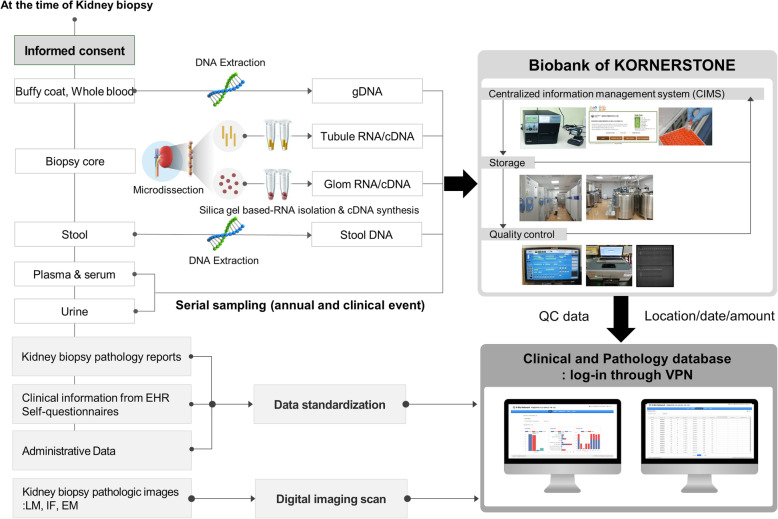
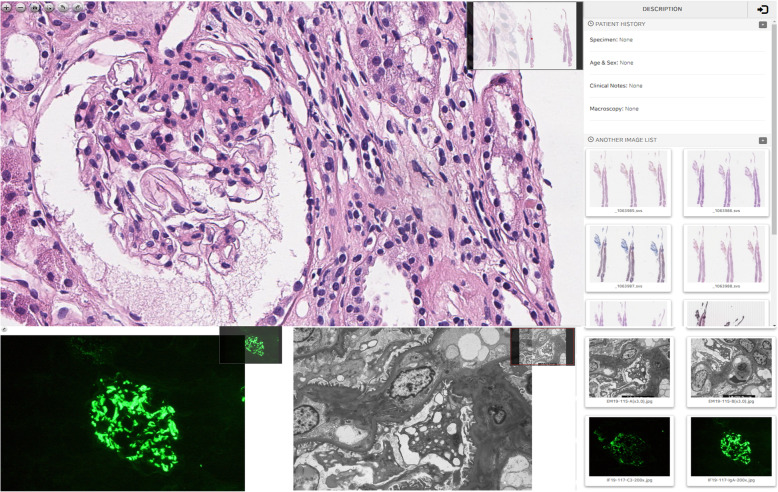
The KORNERSTONE, which has been initiated by Korea Centres for Disease Control and Prevention, is designed as a multi-centre, prospective cohort study and biobank for glomerular diseases. Clinical data, questionnaires will be collected at the time of kidney biopsy and subsequently every 1 year after kidney biopsy. All of the clinical data will be extracted from the electrical health record and automatically uploaded to the web-based database. High-quality digital pathologies are obtained and connected in the database. Various types of biospecimens are collected at baseline and during follow-up: serum, urine, buffy coat, stool, glomerular complementary DNA (cDNA), tubulointerstitial cDNA. All data and biospecimens are processed and stored in a standardised manner. The primary outcomes are mortality and end-stage renal disease. The secondary outcomes will be deterioration renal function, remission of proteinuria, cardiovascular events and quality of life.
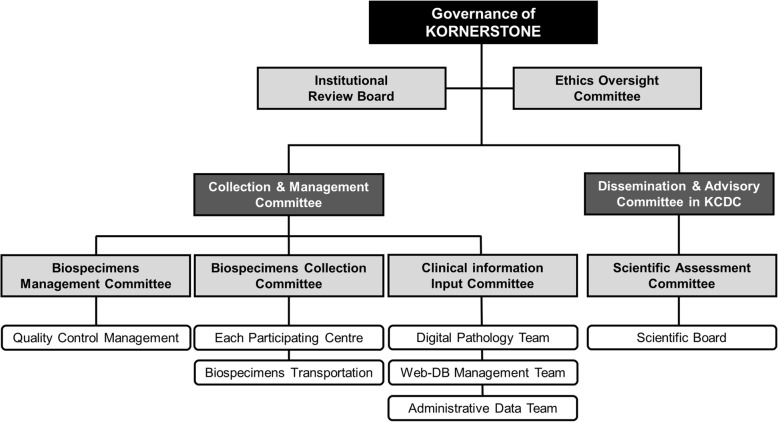
Ethical approval has been obtained from the institutional review board of each participating centre and ethics oversight committee. The KORNERSTONE is designed to deliver pioneer insights into glomerular diseases. The study design allows comprehensive, integrated and high-quality data collection on baseline laboratory findings, clinical outcomes including administrative data and digital pathologic images. This may provide various biospecimens and information to many researchers, establish the rationale for future more individualised treatment strategies for glomerular diseases.
NCT03929887 .
肾小球疾病是一组使人虚弱且复杂的疾病实体,与死亡率和发病率有关。为了深入了解肾小球疾病的病理生理学和新的治疗靶点,需要各种类型的生物样本,这些样本与包括临床信息、数字病理学和明确的结局在内的深入临床表型相关联。我们提供了韩国肾脏生物库网络系统以实现下一代分析(KORNERSTONE)的原理和设计。
KORNERSTONE 由韩国疾病控制与预防中心发起,是一项多中心、前瞻性队列研究和肾小球疾病生物库。在肾活检时和随后的肾活检后每年都会收集临床数据和问卷。所有临床数据都将从电子健康记录中提取并自动上传到基于网络的数据库中。高质量的数字病理学在数据库中获得并连接。在基线和随访期间收集各种类型的生物样本:血清、尿液、白细胞层、粪便、肾小球互补 DNA(cDNA)、肾小管间质性 cDNA。所有数据和生物样本都以标准化的方式进行处理和存储。主要结局是死亡率和终末期肾脏疾病。次要结局将是肾功能恶化、蛋白尿缓解、心血管事件和生活质量。
每个参与中心的机构审查委员会和伦理监督委员会都已批准了伦理。KORNERSTONE 的设计旨在为肾小球疾病提供开创性的见解。该研究设计允许对基线实验室发现、包括行政数据和数字病理图像在内的临床结局进行全面、综合和高质量的数据收集。这可能为许多研究人员提供各种生物样本和信息,为肾小球疾病未来更个体化的治疗策略提供依据。
NCT03929887。