Akhaladze Dmitry, Uskova Natalia, Rabaev Gavriil, Kachanov Denis, Grachev Nikolay
Departments of Oncology and Pediatric Surgery of Dmitry Rogachev National Research Center of Pediatric Hematology, Oncology and Immunology, Moscow, Russia.
Department of Clinical Oncology of Dmitry Rogachev National Research Center of Pediatric Hematology, Oncology and Immunology, Moscow, Russia.
Ann Hepatobiliary Pancreat Surg. 2020 Aug 31;24(3):352-356. doi: 10.14701/ahbps.2020.24.3.352.
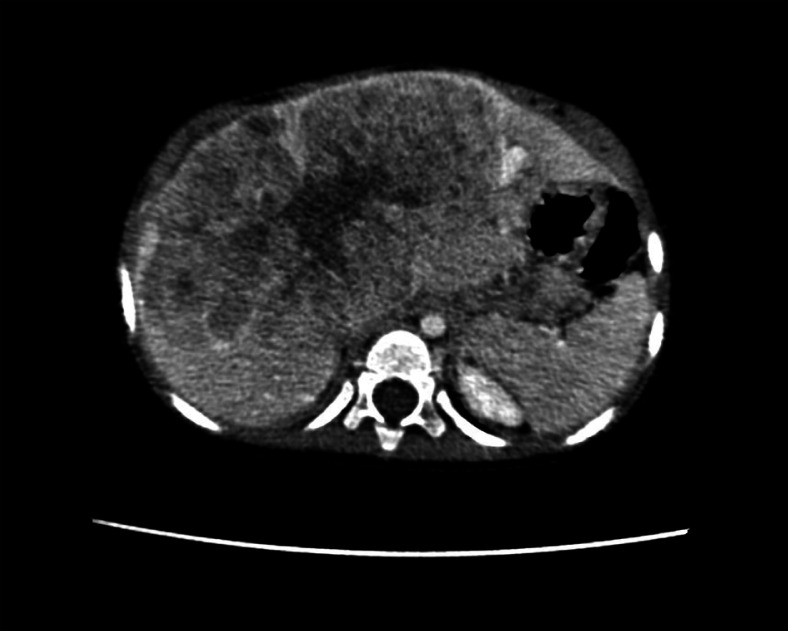
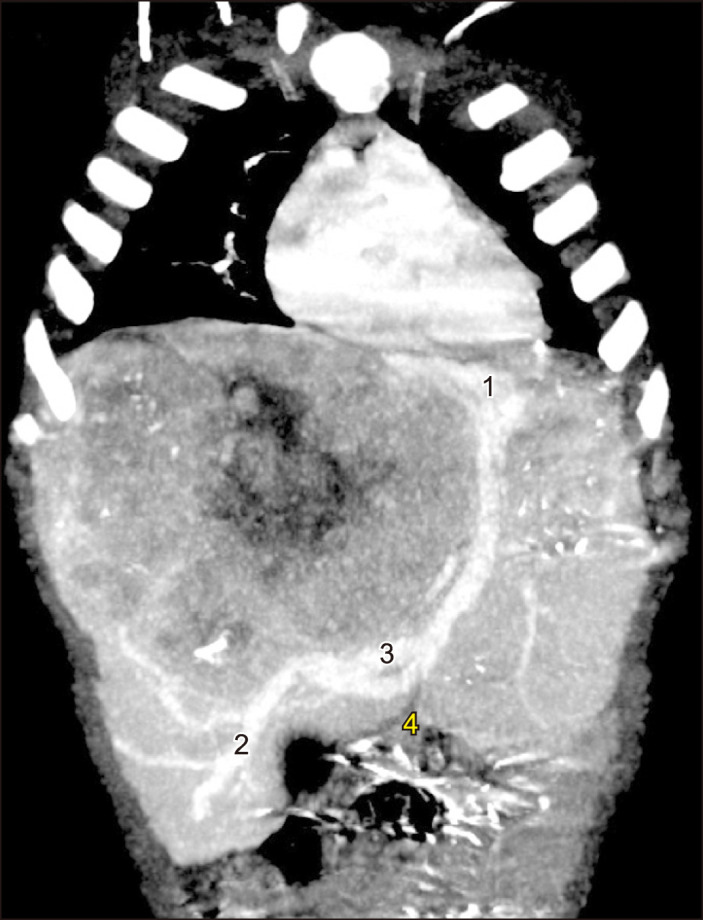
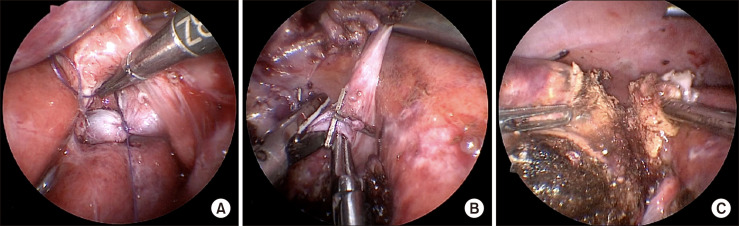
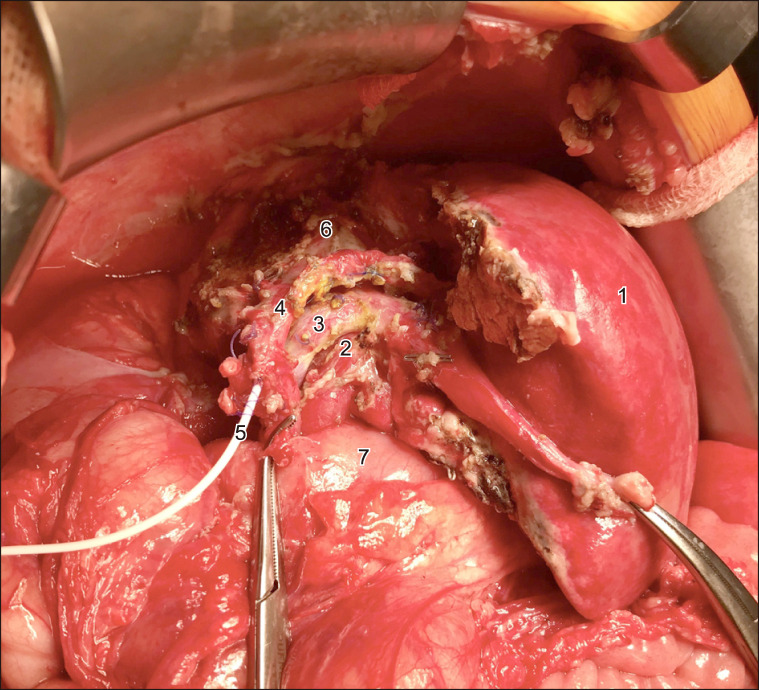
Large and giant tumors, especially hepatoblastomas, are more frequently presented in pediatric patients. At about two-third of hepatoblastomas at the time of diagnosis are unresectable and liver transplantation is considered as a treatment of choice because of insufficient future liver remnant volume. In selected cases, 2-staged hepatectomy may be the unique chance for curative resection except hepatectomy followed by liver replacement. Despite the overwhelming spread of minimally invasive liver surgery, the laparoscopic approach remains uncommon in children. A case of successful partial associating liver partition with portal vein ligation for staged hepatectomy firstly accomplished pure laparoscopically on the first stage in an infant is presented. Described experience suggests both: the feasibility of laparoscopic procedures and the effectiveness of partial in situ liver splitting to reach appropriate future liver remnant volume and to avoid liver transplantation and its disadvantages.
大肿瘤和巨大肿瘤,尤其是肝母细胞瘤,在儿科患者中更为常见。在诊断时,约三分之二的肝母细胞瘤无法切除,由于未来肝残余体积不足,肝移植被视为首选治疗方法。在某些选定的病例中,除了肝切除术后进行肝脏置换外,两阶段肝切除术可能是根治性切除的唯一机会。尽管微创肝脏手术广泛普及,但腹腔镜手术在儿童中仍不常见。本文介绍了一例成功的部分联合肝脏分隔与门静脉结扎分期肝切除术,该手术首先在一名婴儿的第一阶段完全通过腹腔镜完成。所描述的经验表明:腹腔镜手术的可行性以及部分原位肝分割达到合适的未来肝残余体积并避免肝移植及其弊端的有效性。