Satarker Sairaj, Ahuja Tejas, Banerjee Madhuparna, E Vignesh Balaji, Dogra Shagun, Agarwal Tushar, Nampoothiri Madhavan
Department of Pharmacology, Manipal College of Pharmaceutical Sciences, Manipal Academy of Higher Education, Manipal, 576104 India.
Curr Pharmacol Rep. 2020;6(5):203-211. doi: 10.1007/s40495-020-00231-8. Epub 2020 Aug 24.
The rapid spread of virus, severe acute respiratory syndrome coronavirus 2 (SARS-CoV-2), has turned out to be a global emergency. Symptoms of this viral infection, coronavirus disease 2019 (COVID-19), include mild infections of the upper respiratory tract, viral pneumonia, respiratory failure, multiple organ failure and death. Till date, no drugs have been discovered to treat COVID-19 patients, and therefore, a considerable amount of interest has been shown in repurposing the existing drugs.
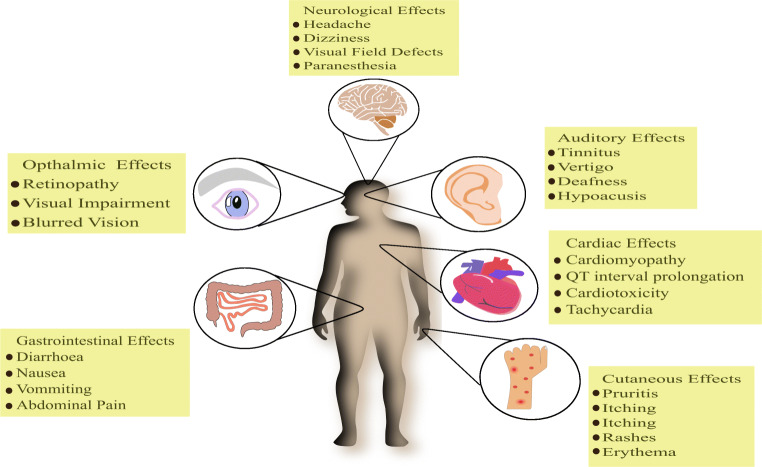
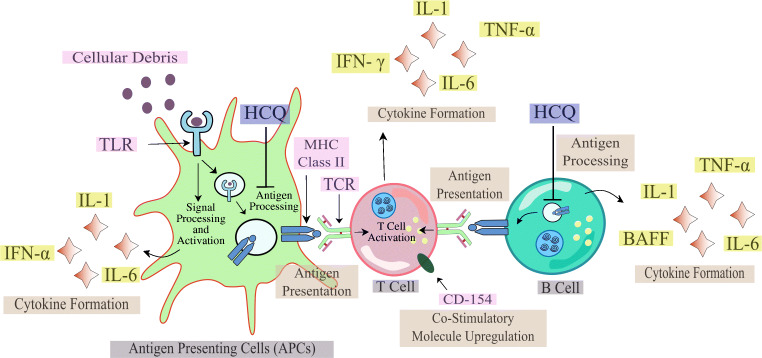
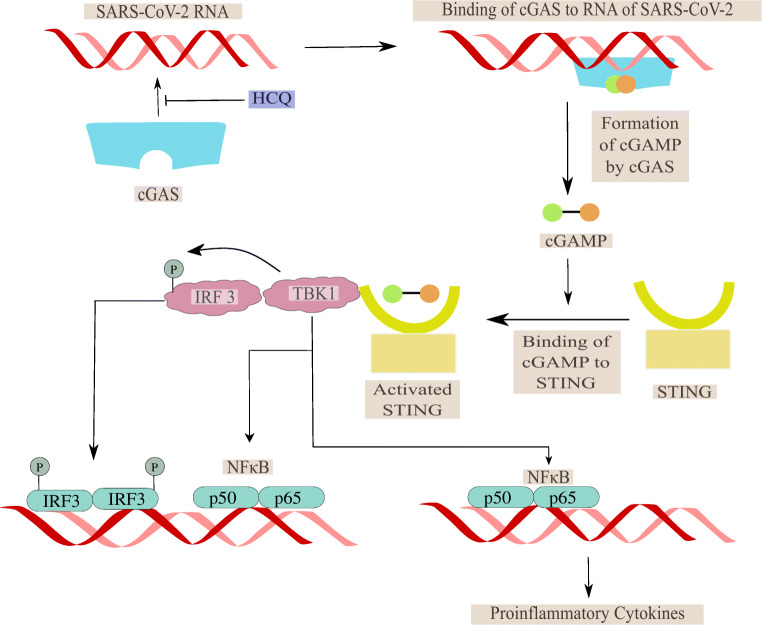
Out of these drugs, chloroquine (CQ) and hydroxychloroquine (HCQ) have demonstrated positive results indicating a potential antiviral role against SARS-CoV-2. Its mechanism of action (MOA) includes the interference in the endocytic pathway, blockade of sialic acid receptors, restriction of pH mediated spike (S) protein cleavage at the angiotensin-converting enzyme 2 (ACE2) binding site and prevention of cytokine storm. Unfortunately, its adverse effects like gastrointestinal complications, retinopathy and QT interval prolongation are evident in treated COVID-19 patients. Yet, multiple clinical trials have been employed in several countries to evaluate its ability in turning into a needed drug in this pandemic.
This review attempts to summarize the MOA of CQ/HCQ and its side effects. The existing literature hints that till date, the role of CQ/HCQ in COVID-19 may be sceptical, and further studies are warranted for obtaining a therapeutic option that could be effectively used across the world to rise out from this pandemic.
严重急性呼吸综合征冠状病毒2(SARS-CoV-2)病毒的迅速传播已演变成一场全球紧急事件。这种病毒感染即2019冠状病毒病(COVID-19)的症状包括上呼吸道轻度感染、病毒性肺炎、呼吸衰竭、多器官衰竭和死亡。迄今为止,尚未发现治疗COVID-19患者的药物,因此,人们对重新利用现有药物表现出了浓厚兴趣。
在这些药物中,氯喹(CQ)和羟氯喹(HCQ)已显示出积极结果,表明对SARS-CoV-2具有潜在的抗病毒作用。其作用机制包括干扰内吞途径、阻断唾液酸受体、限制pH介导的血管紧张素转换酶2(ACE2)结合位点处的刺突(S)蛋白裂解以及预防细胞因子风暴。不幸的是,在接受治疗的COVID-19患者中,其不良反应如胃肠道并发症、视网膜病变和QT间期延长很明显。然而,多个国家已开展多项临床试验,以评估其在这场大流行中成为所需药物的能力。
本综述试图总结CQ/HCQ的作用机制及其副作用。现有文献表明,迄今为止,CQ/HCQ在COVID-19中的作用可能存疑,需要进一步研究以获得一种可在全球有效使用的治疗选择,从而摆脱这场大流行。