Department of Electronics, Information and Bioengineering, Politecnico di Milano, 20133 Milano, Italy.
Biosensors (Basel). 2020 Aug 28;10(9):110. doi: 10.3390/bios10090110.
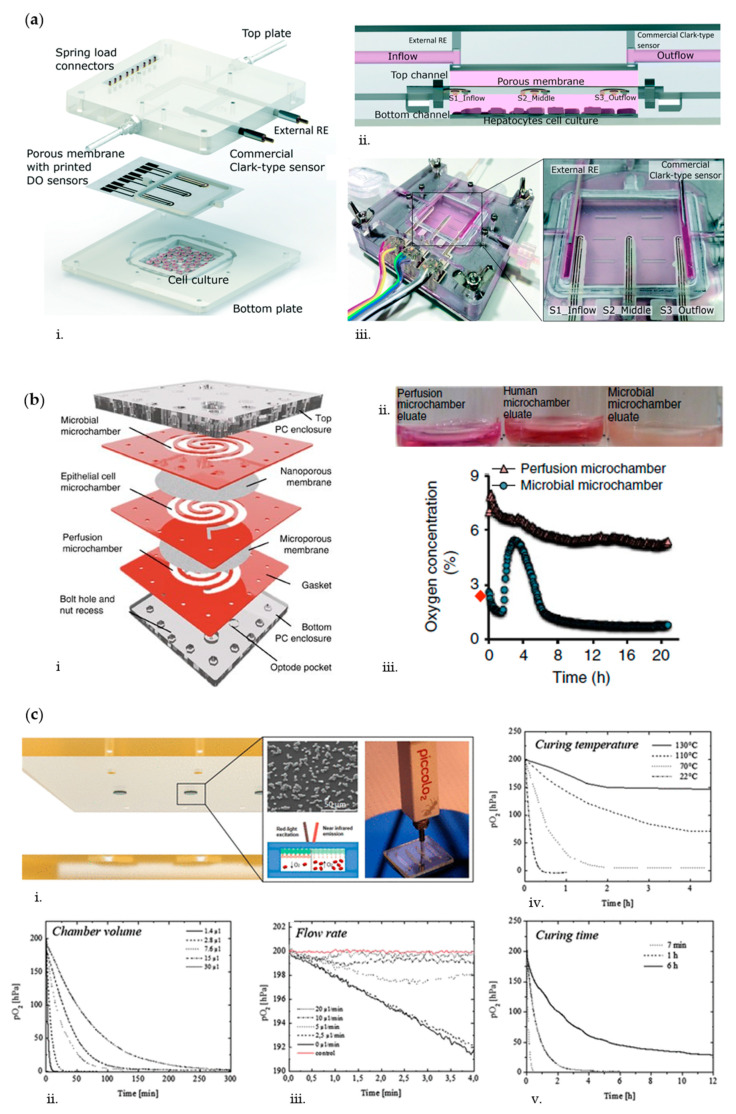
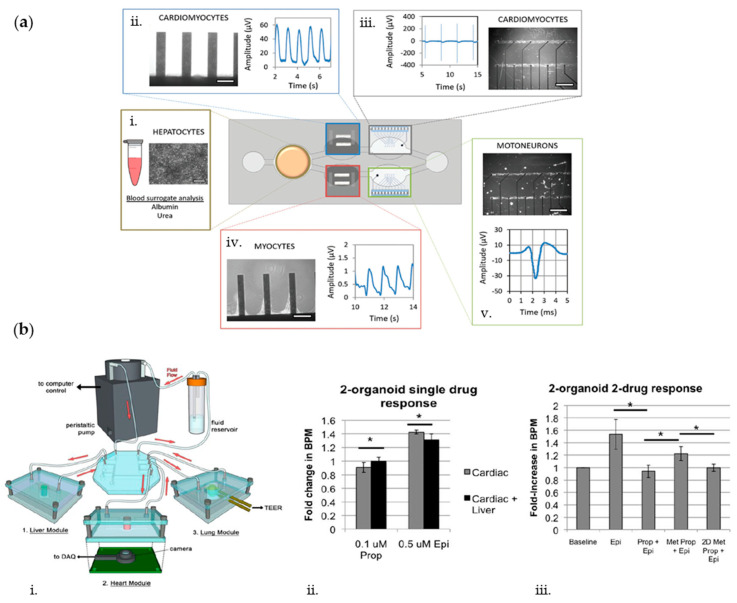
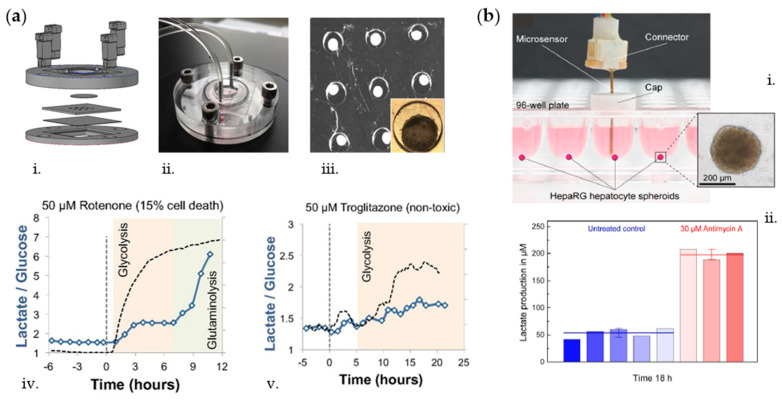
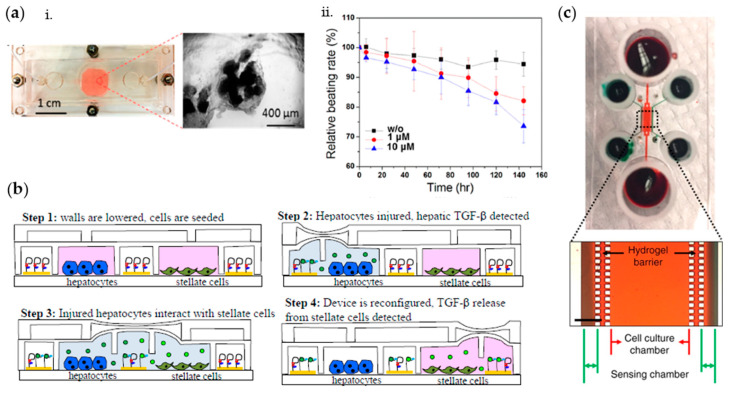
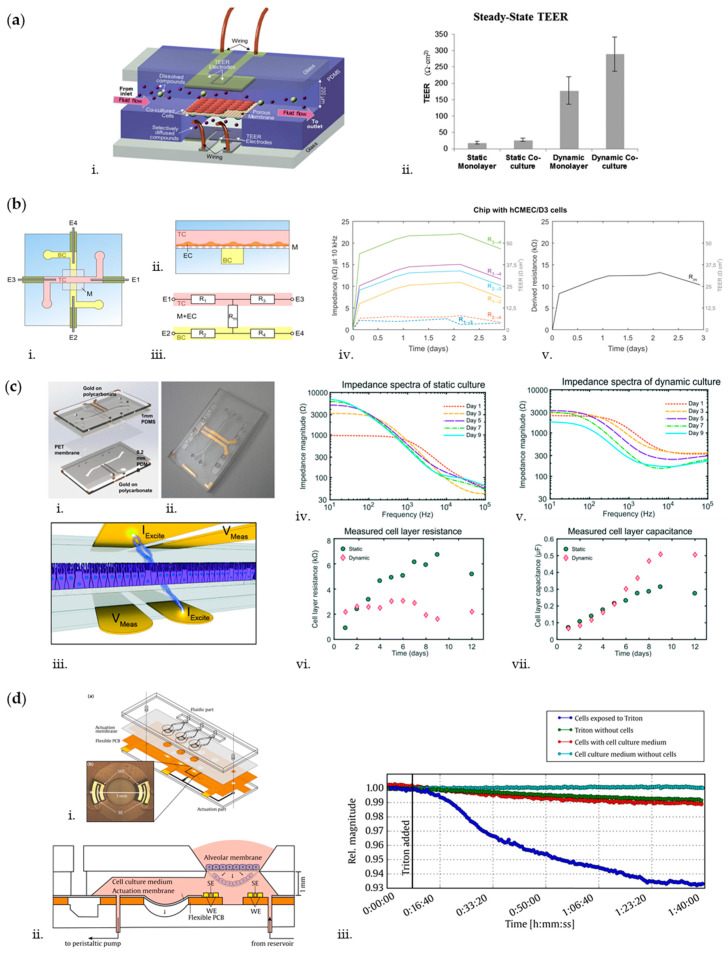
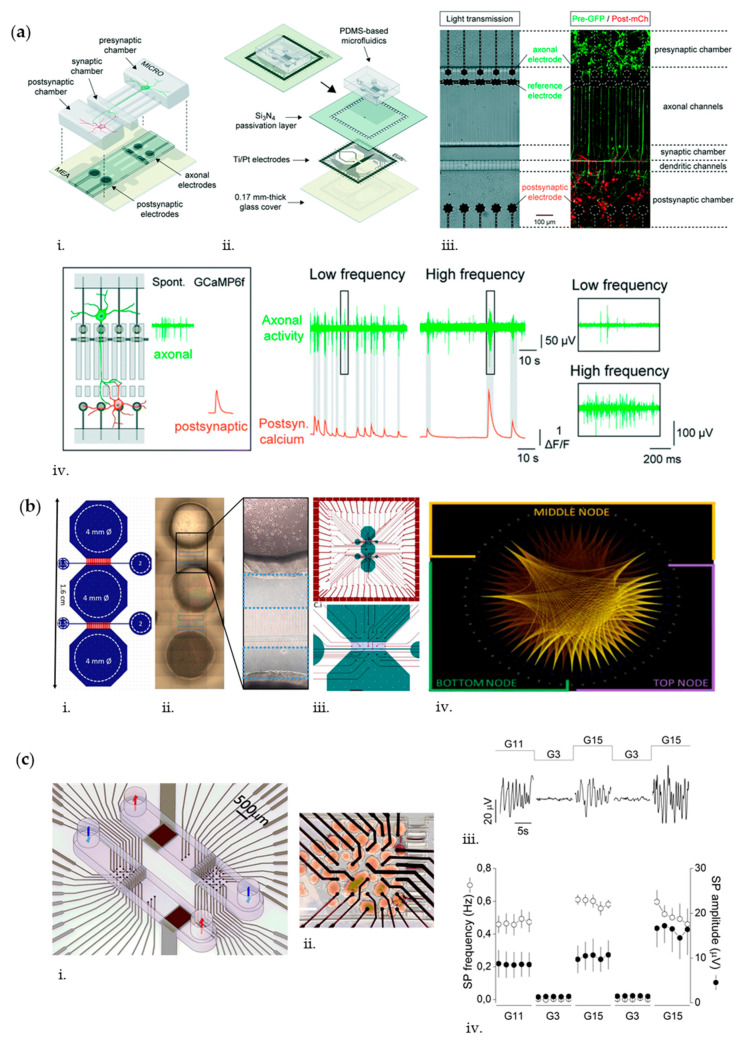
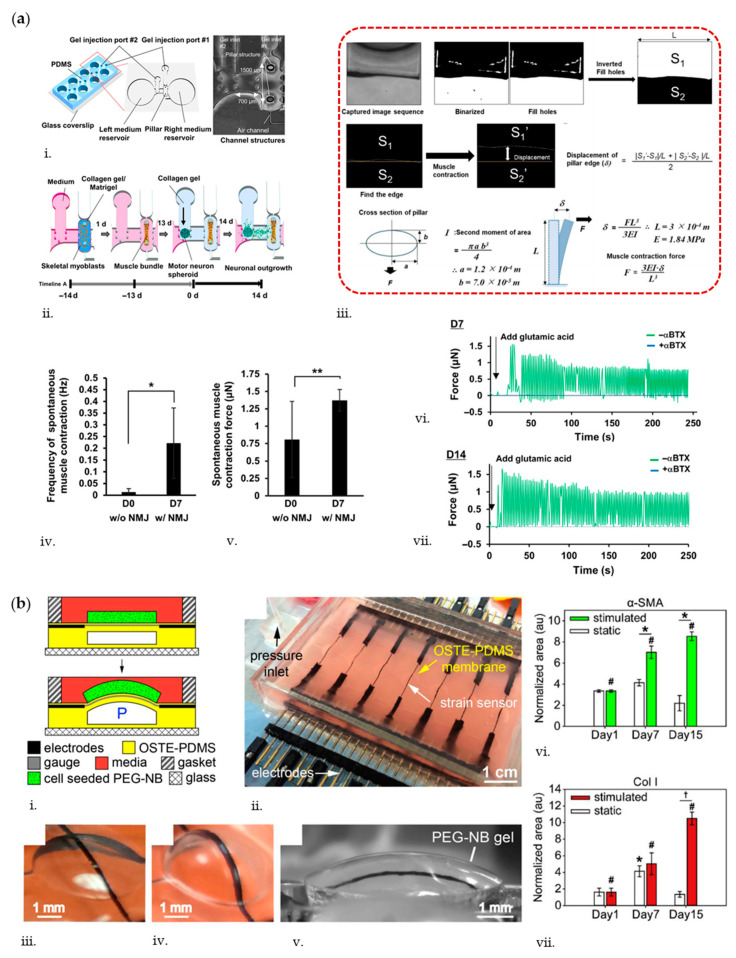
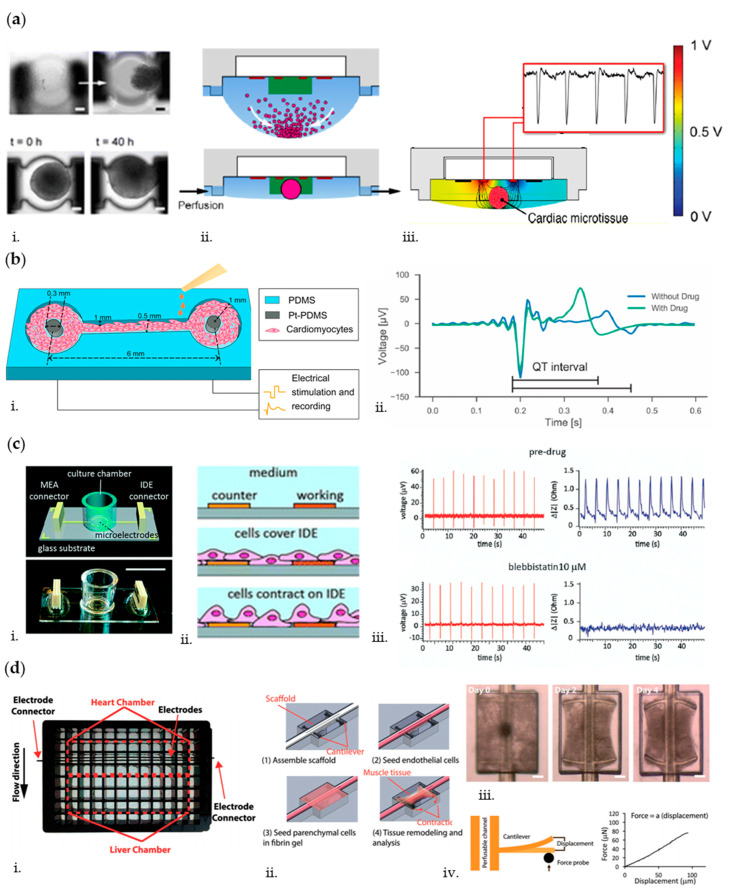
Organs-on-chip (OoC), often referred to as microphysiological systems (MPS), are advanced in vitro tools able to replicate essential functions of human organs. Owing to their unprecedented ability to recapitulate key features of the native cellular environments, they represent promising tools for tissue engineering and drug screening applications. The achievement of proper functionalities within OoC is crucial; to this purpose, several parameters (e.g., chemical, physical) need to be assessed. Currently, most approaches rely on off-chip analysis and imaging techniques. However, the urgent demand for continuous, noninvasive, and real-time monitoring of tissue constructs requires the direct integration of biosensors. In this review, we focus on recent strategies to miniaturize and embed biosensing systems into organs-on-chip platforms. Biosensors for monitoring biological models with metabolic activities, models with tissue barrier functions, as well as models with electromechanical properties will be described and critically evaluated. In addition, multisensor integration within multiorgan platforms will be further reviewed and discussed.
器官芯片(OoC),通常也被称为微生理系统(MPS),是一种先进的体外工具,能够复制人体器官的基本功能。由于其具有前所未有的重现天然细胞环境关键特征的能力,它们成为组织工程和药物筛选应用的有前途的工具。在 OoC 中实现适当的功能至关重要;为此,需要评估多个参数(例如,化学、物理)。目前,大多数方法依赖于片外分析和成像技术。然而,对组织构建物的连续、非侵入性和实时监测的迫切需求需要直接集成生物传感器。在这篇综述中,我们专注于将生物传感系统小型化并嵌入器官芯片平台的最新策略。将描述和批判性评估用于监测具有代谢活性的生物模型、具有组织屏障功能的模型以及具有机电特性的模型的生物传感器。此外,还将进一步回顾和讨论多器官平台内的多传感器集成。