Department of Neurology, University of California, San Francisco (UCSF), San Francisco, United States.
The Eli and Edythe Broad Center of Regeneration Medicine and Stem Cell Research, UCSF, San Francisco, United States.
Elife. 2020 Sep 2;9:e58737. doi: 10.7554/eLife.58737.
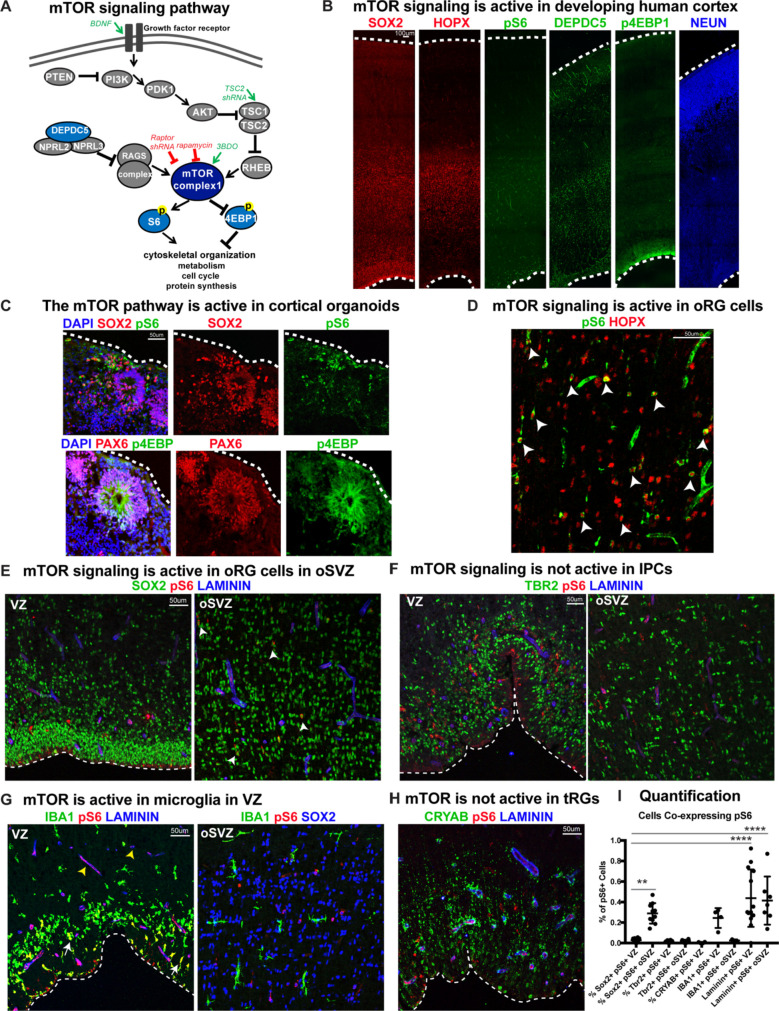
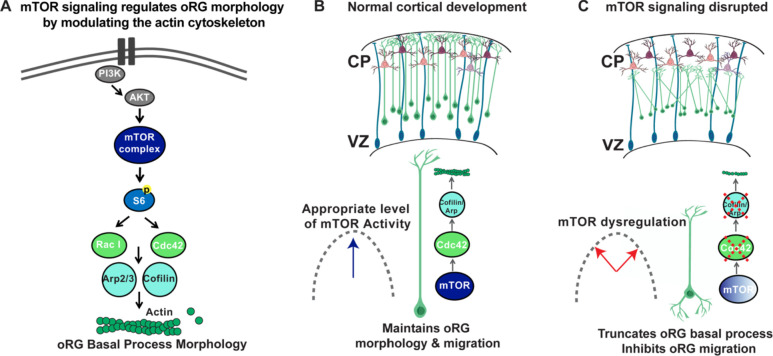
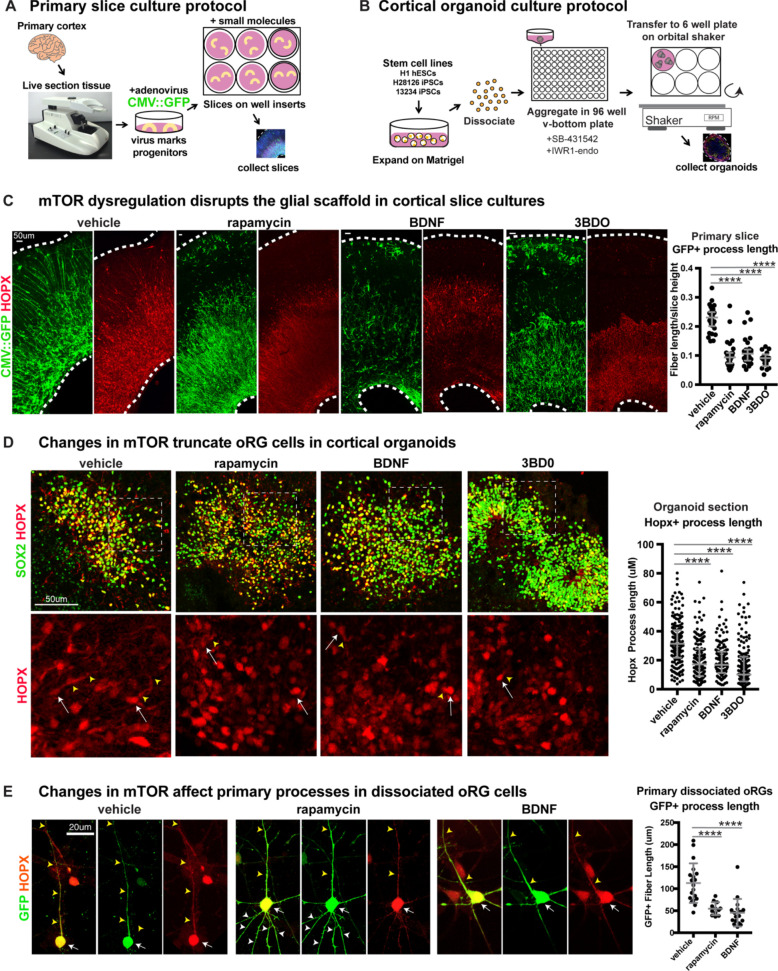
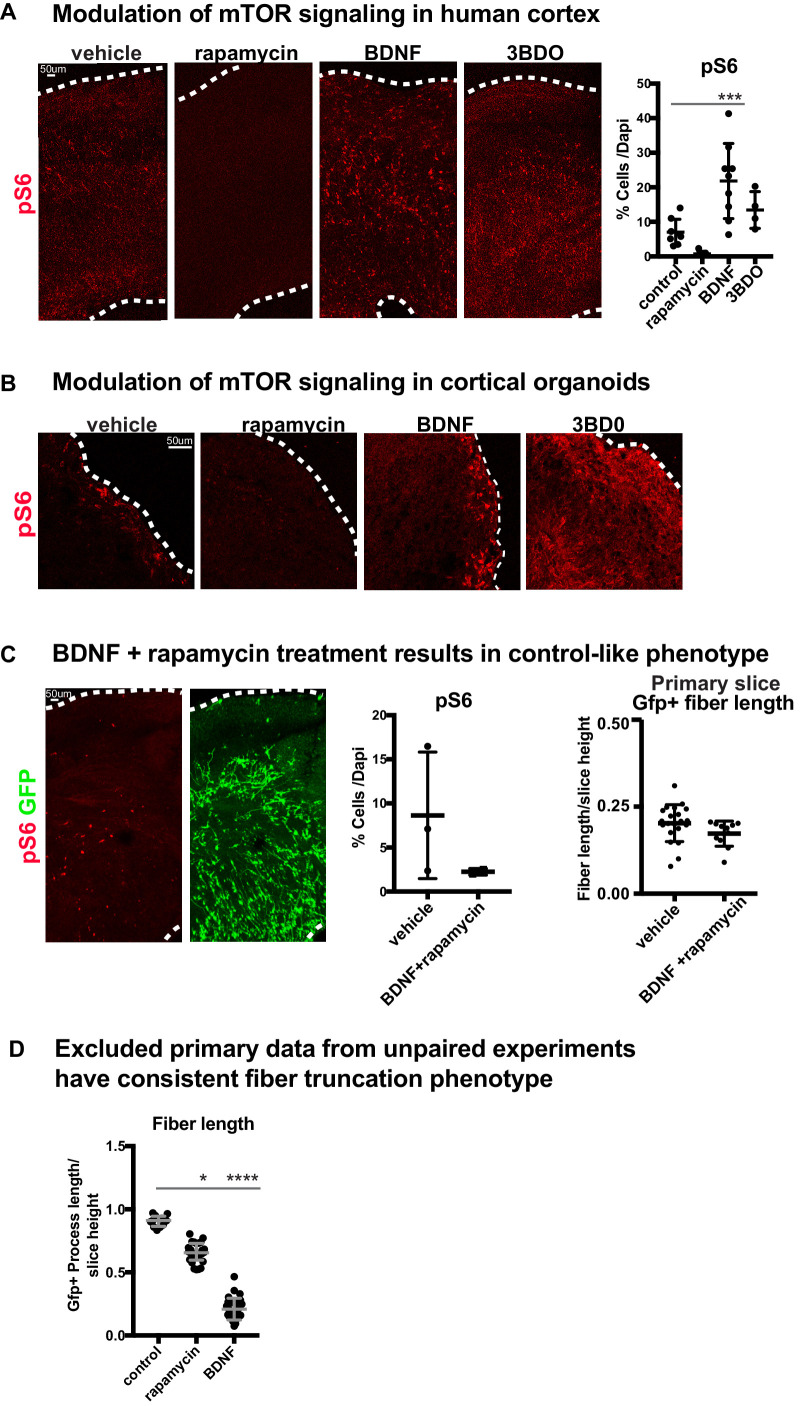
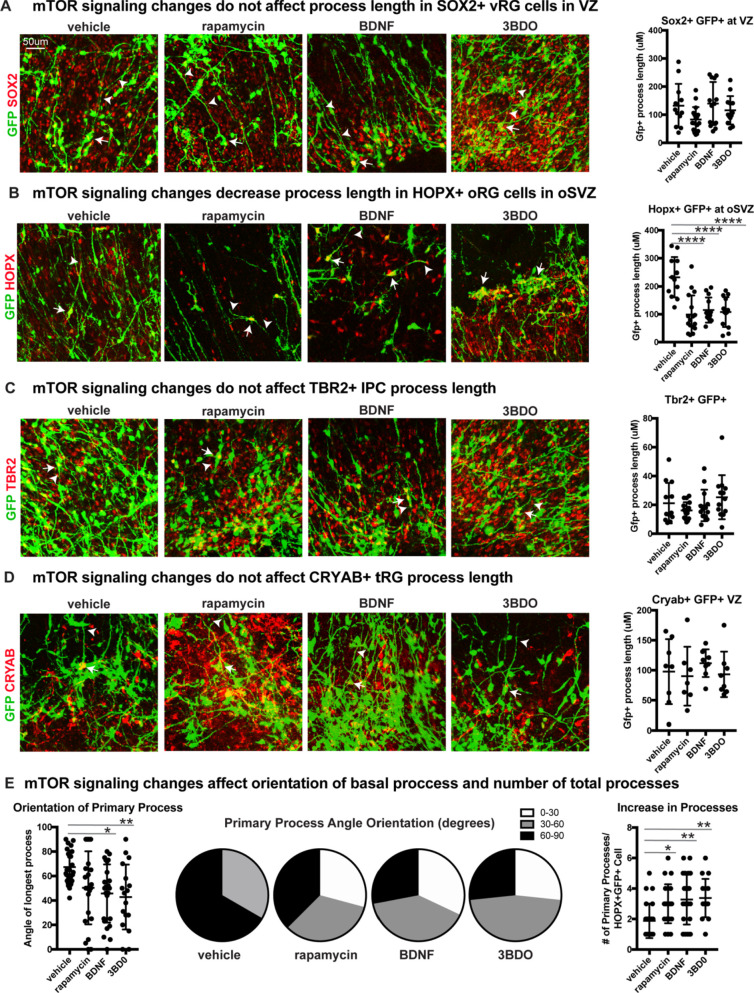
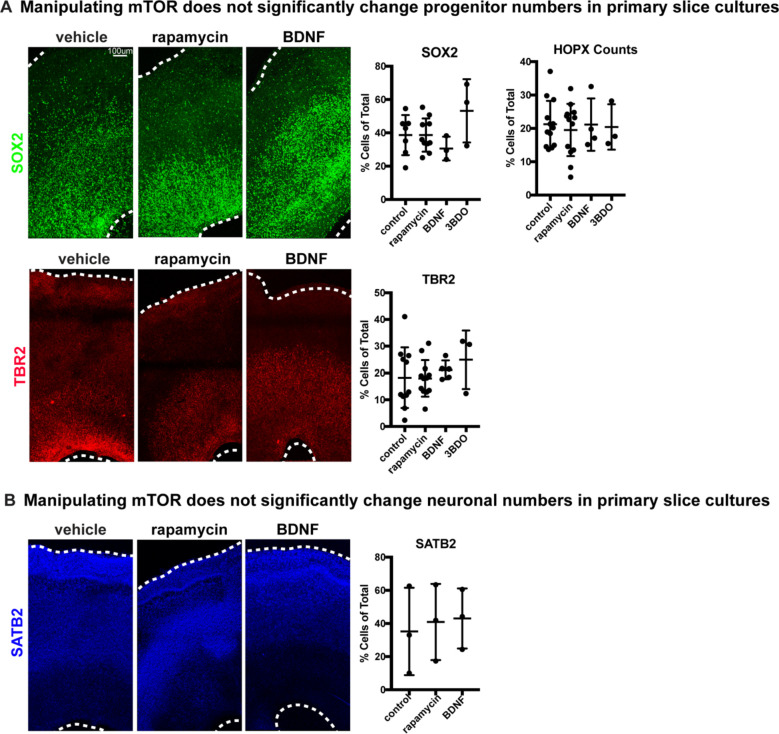
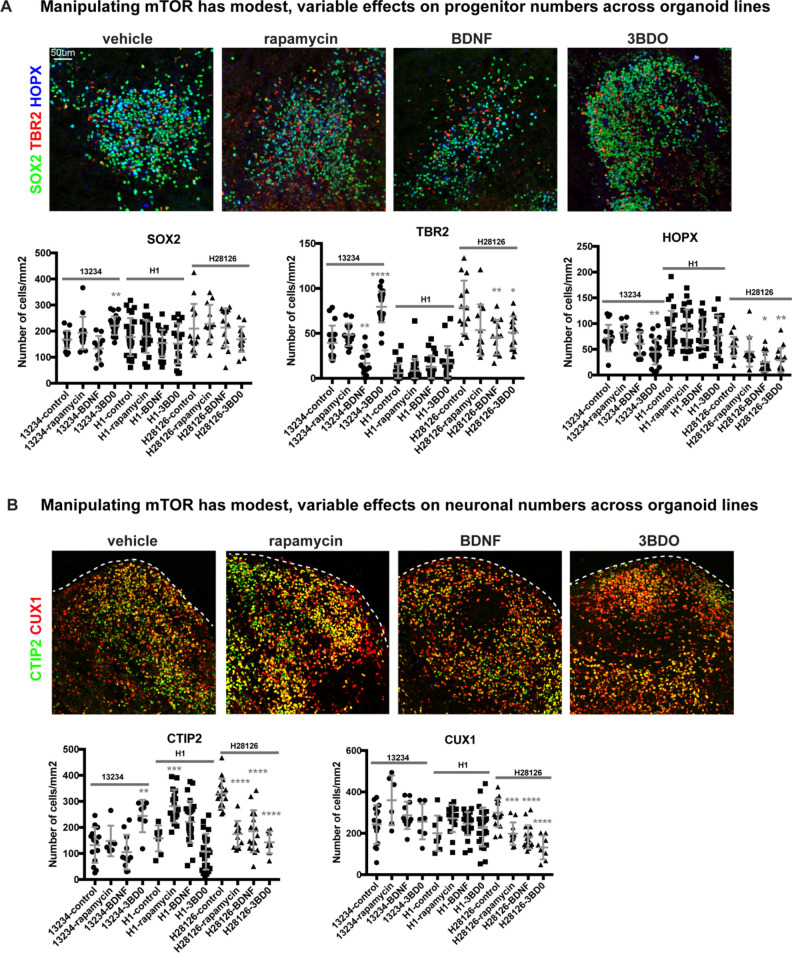
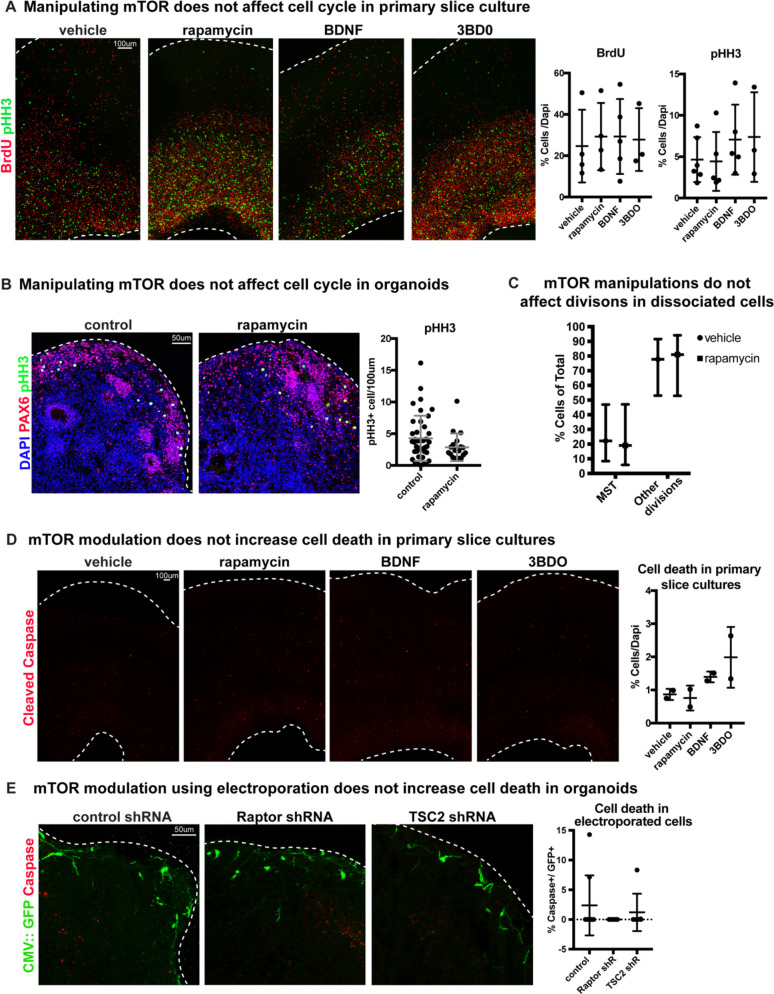
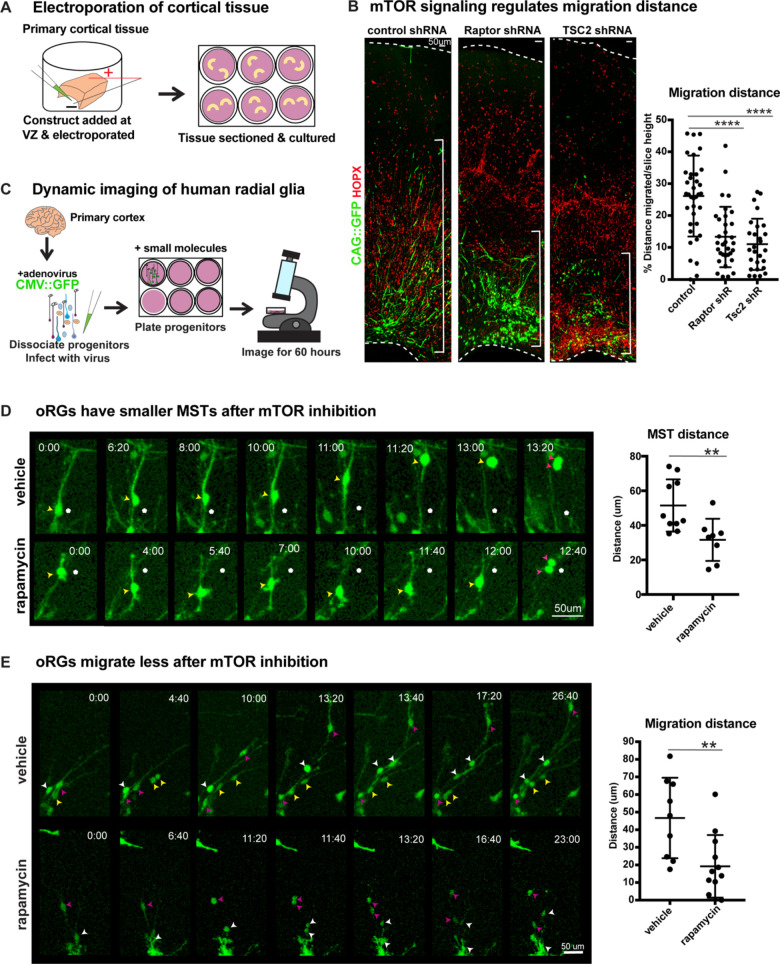
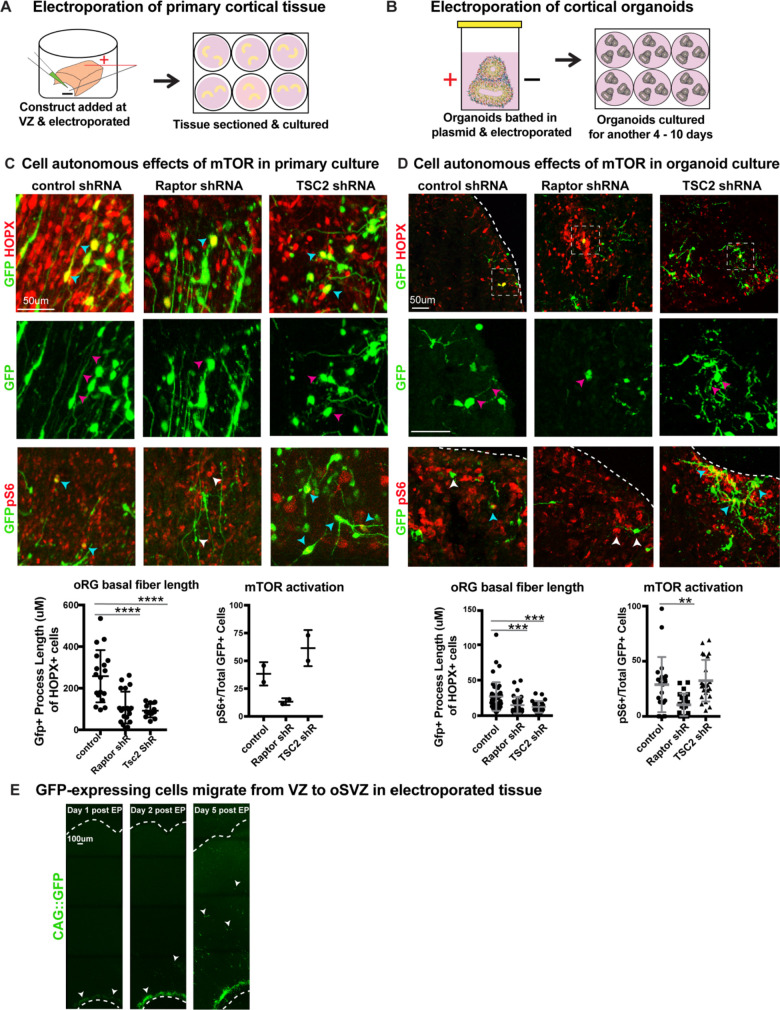
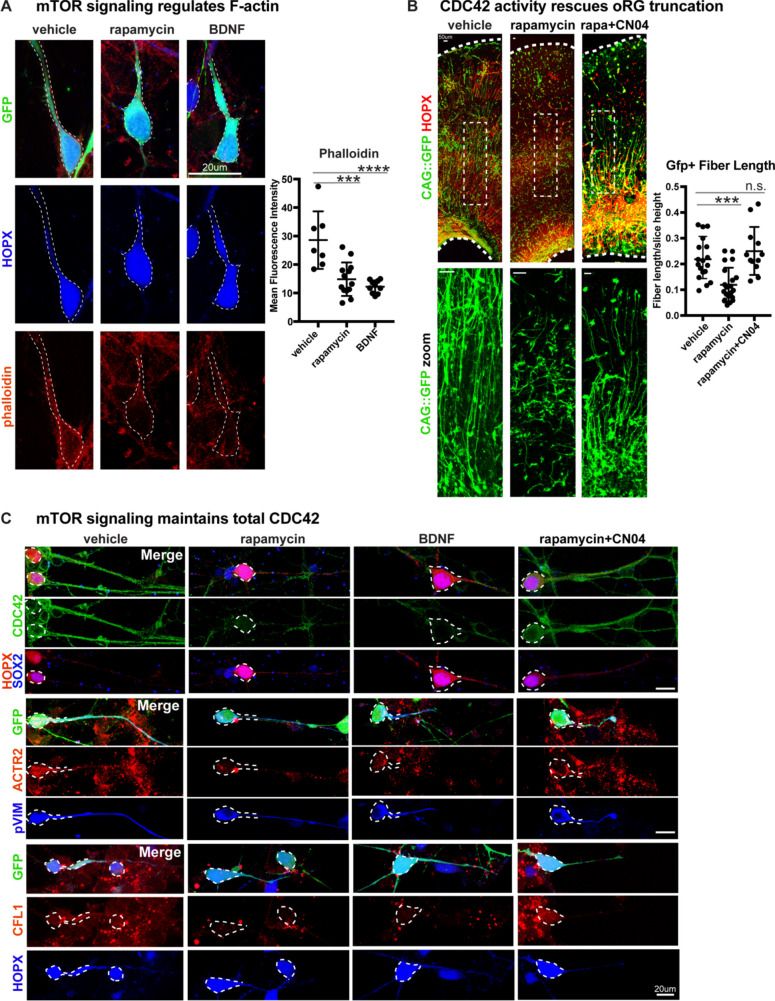
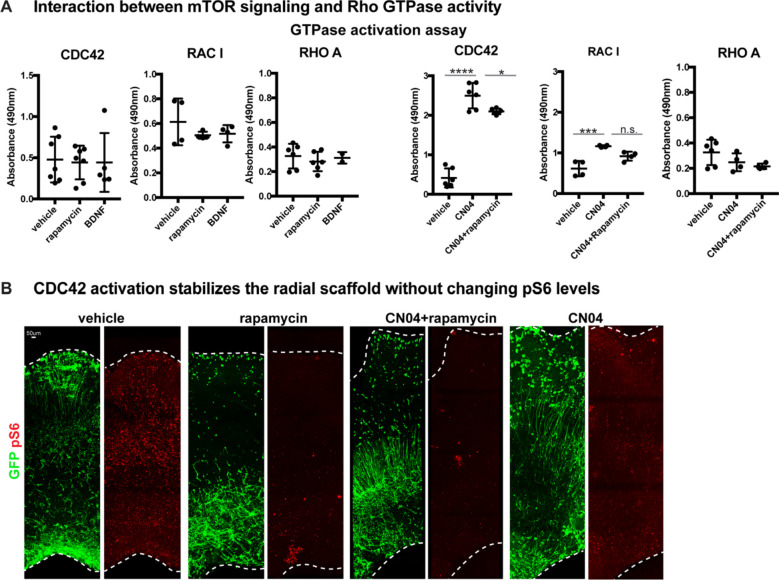
Outer radial glial (oRG) cells are a population of neural stem cells prevalent in the developing human cortex that contribute to its cellular diversity and evolutionary expansion. The mammalian Target of Rapamycin (mTOR) signaling pathway is active in human oRG cells. Mutations in mTOR pathway genes are linked to a variety of neurodevelopmental disorders and malformations of cortical development. We find that dysregulation of mTOR signaling specifically affects oRG cells, but not other progenitor types, by changing the actin cytoskeleton through the activity of the Rho-GTPase, CDC42. These effects change oRG cellular morphology, migration, and mitotic behavior, but do not affect proliferation or cell fate. Thus, mTOR signaling can regulate the architecture of the developing human cortex by maintaining the cytoskeletal organization of oRG cells and the radial glia scaffold. Our study provides insight into how mTOR dysregulation may contribute to neurodevelopmental disease.
外放射状胶质细胞 (oRG) 是一种普遍存在于发育中的人类皮层中的神经干细胞,它们为皮层的细胞多样性和进化扩展做出贡献。哺乳动物雷帕霉素靶蛋白 (mTOR) 信号通路在人类 oRG 细胞中活跃。mTOR 通路基因的突变与多种神经发育障碍和皮质发育畸形有关。我们发现,mTOR 信号的失调通过 Rho-GTPase CDC42 的活性改变肌动蛋白细胞骨架,特异性地影响 oRG 细胞,但不影响其他祖细胞类型。这些影响改变了 oRG 细胞的形态、迁移和有丝分裂行为,但不影响增殖或细胞命运。因此,mTOR 信号可以通过维持 oRG 细胞的细胞骨架组织和放射状胶质细胞支架来调节发育中人类皮层的结构。我们的研究提供了关于 mTOR 失调如何导致神经发育疾病的见解。