Faculty of Biotechnology and Genetic Engineering, Sylhet Agricultural University, Sylhet, 3100, Bangladesh; Department of Biochemistry and Chemistry, Sylhet Agricultural University, Sylhet, 3100, Bangladesh.
Faculty of Biotechnology and Genetic Engineering, Sylhet Agricultural University, Sylhet, 3100, Bangladesh; Department of Microbial Biotechnology, Sylhet Agricultural University, Sylhet, 3100, Bangladesh.
Infect Genet Evol. 2020 Nov;85:104517. doi: 10.1016/j.meegid.2020.104517. Epub 2020 Sep 1.
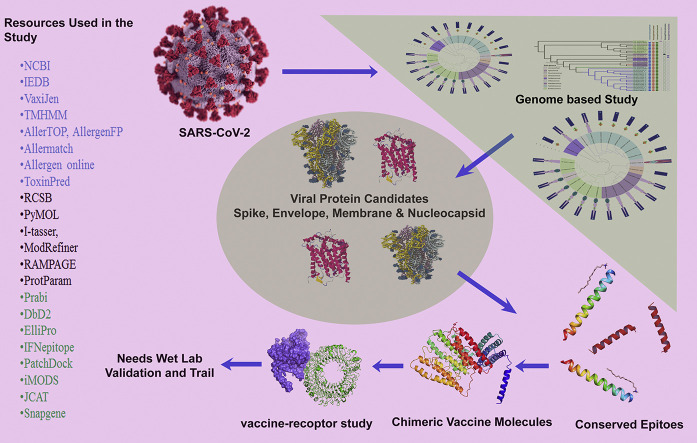
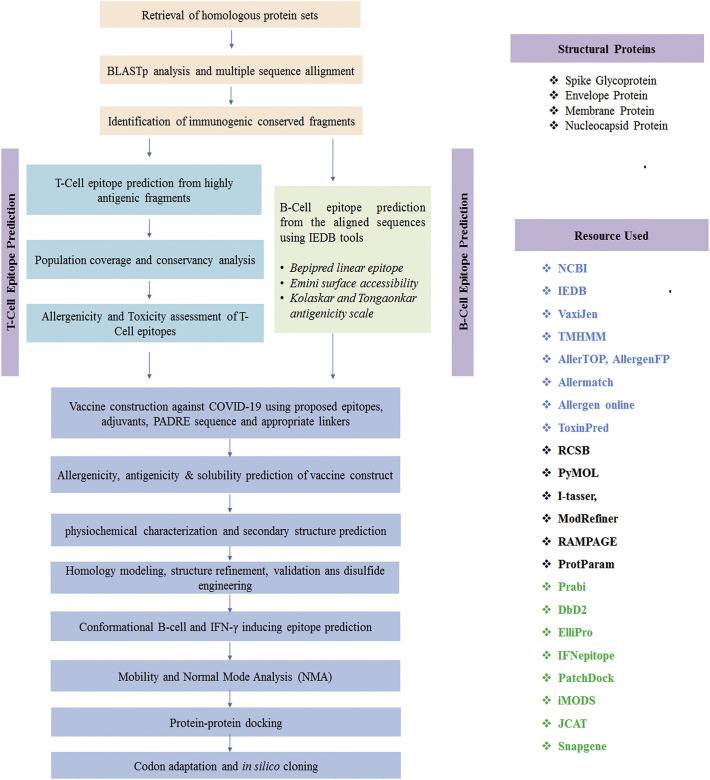
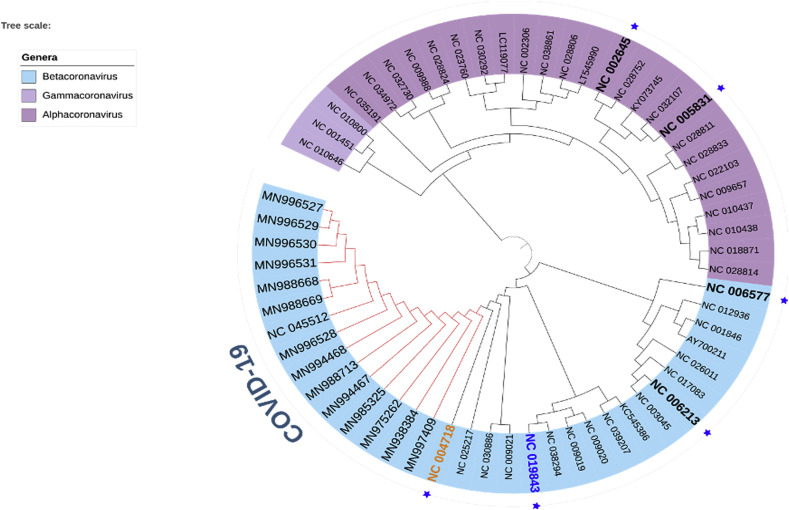
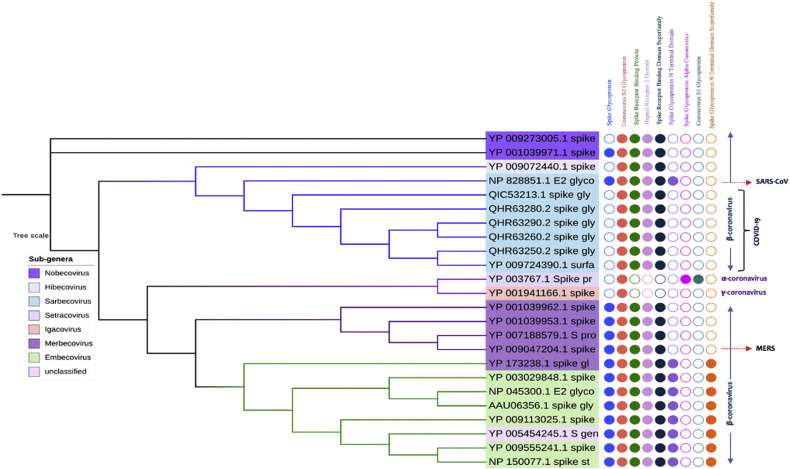
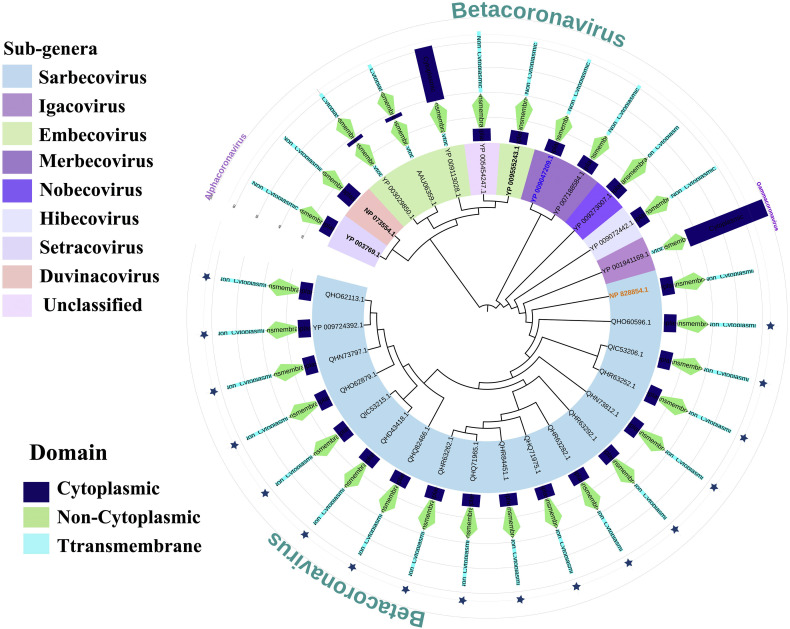
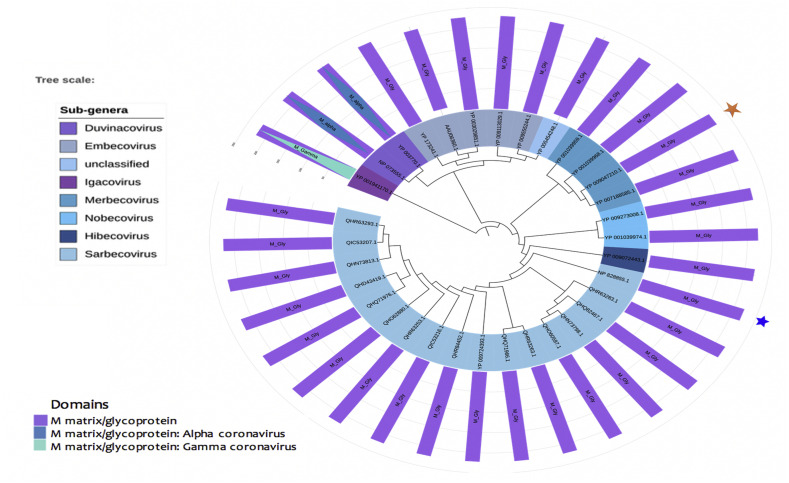
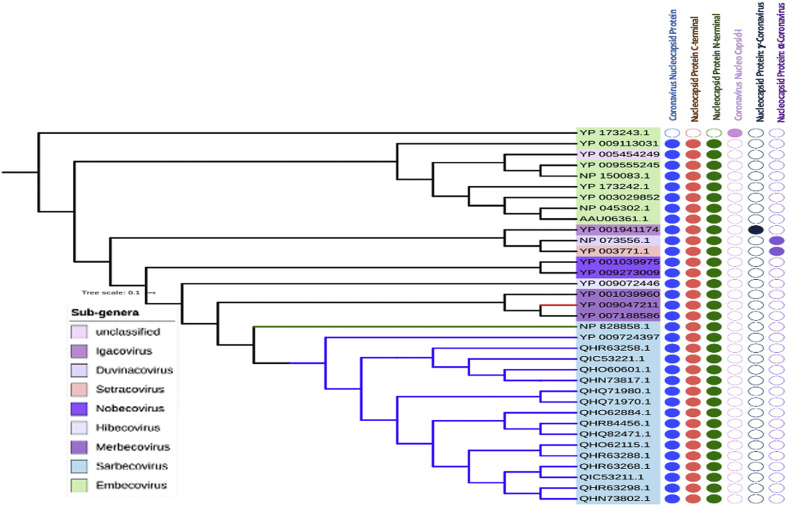
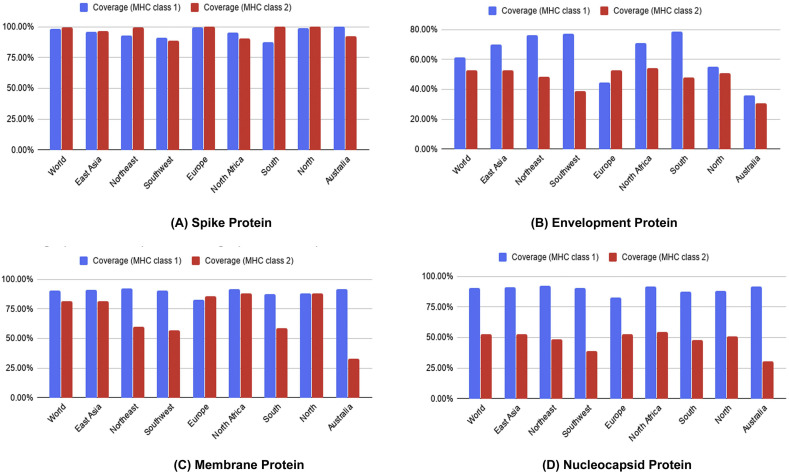
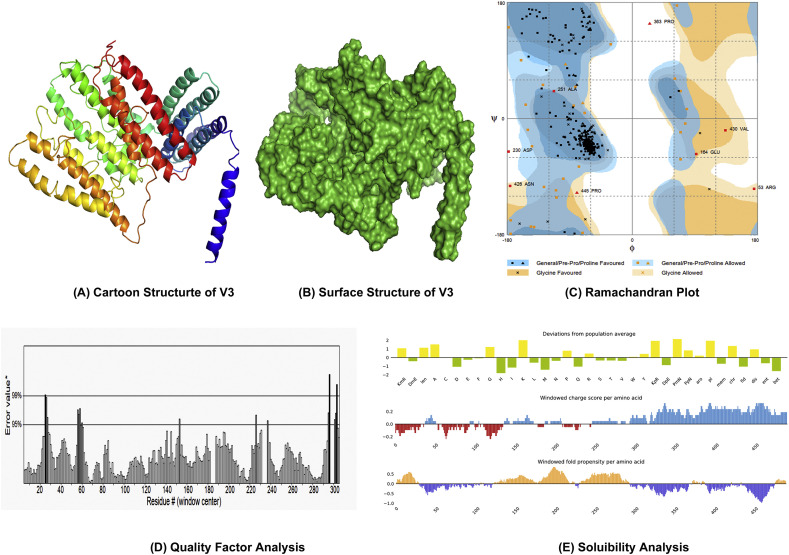
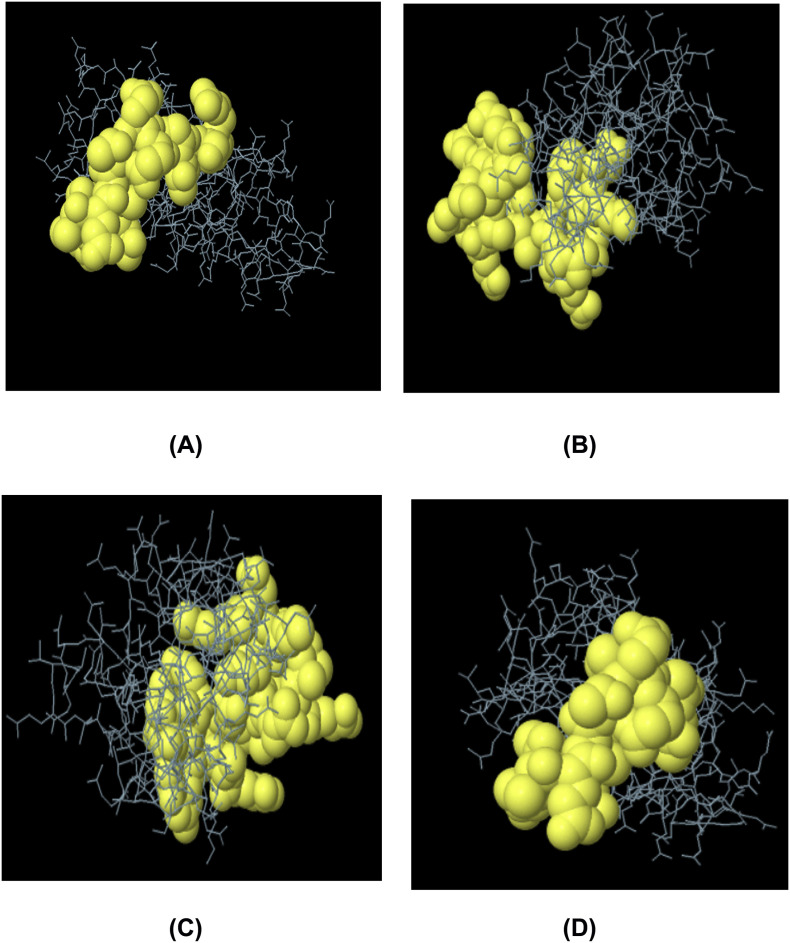
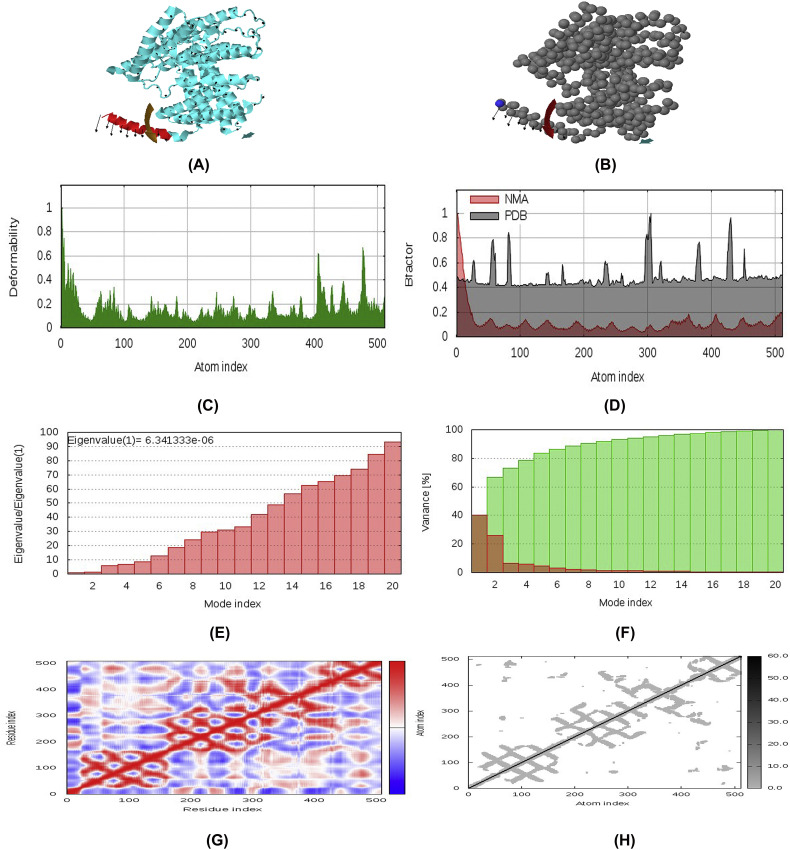
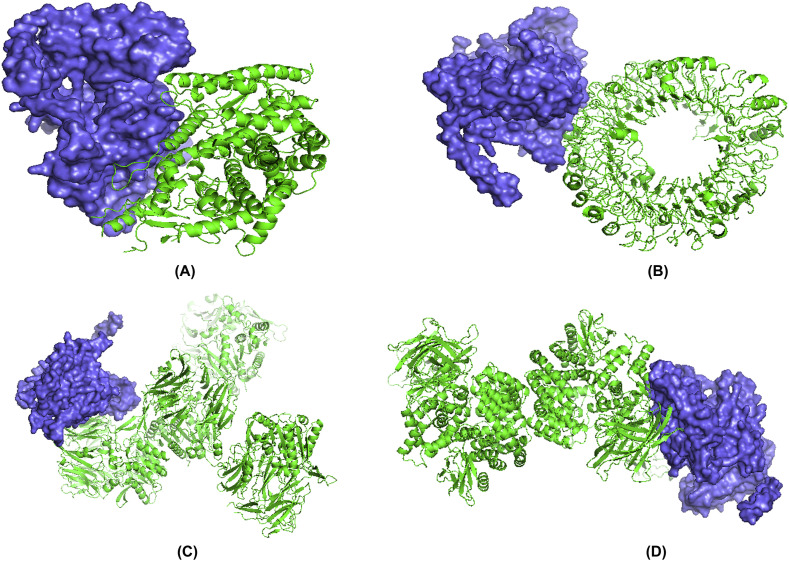
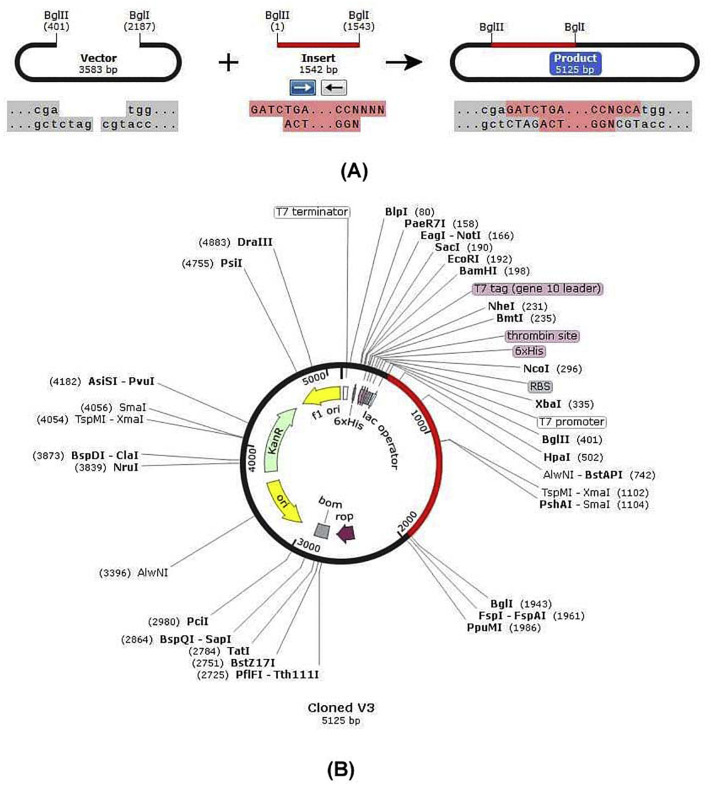
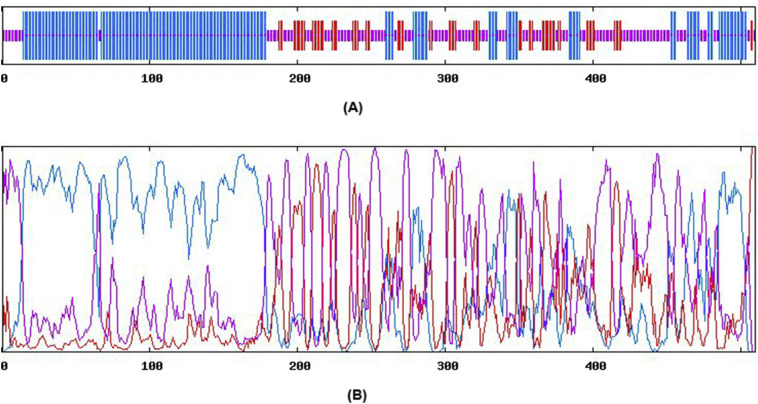
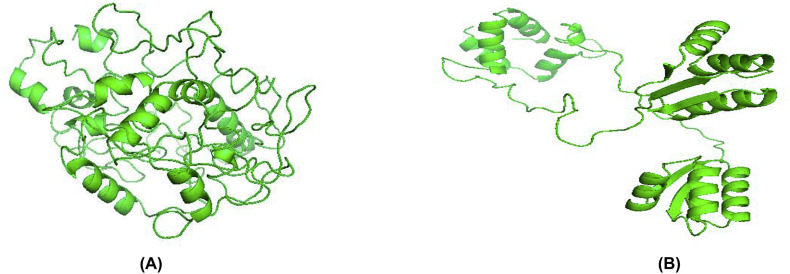
The present study aimed to predict a novel chimeric vaccine by simultaneously targeting four major structural proteins via the establishment of ancestral relationship among different strains of coronaviruses. Conserved regions from the homologous protein sets of spike glycoprotein, membrane protein, envelope protein and nucleocapsid protein were identified through multiple sequence alignment. The phylogeny analyses of whole genome stated that four proteins reflected the close ancestral relation of SARS-CoV-2 to SARS-COV-1 and bat coronavirus. Numerous immunogenic epitopes (both T cell and B cell) were generated from the common fragments which were further ranked on the basis of antigenicity, transmembrane topology, conservancy level, toxicity and allergenicity pattern and population coverage analysis. Top putative epitopes were combined with appropriate adjuvants and linkers to construct a novel multiepitope subunit vaccine against COVID-19. The designed constructs were characterized based on physicochemical properties, allergenicity, antigenicity and solubility which revealed the superiority of construct V3 in terms safety and efficacy. Essential molecular dynamics and normal mode analysis confirmed minimal deformability of the refined model at molecular level. In addition, disulfide engineering was investigated to accelerate the stability of the protein. Molecular docking study ensured high binding affinity between construct V3 and HLA cells, as well as with different host receptors. Microbial expression and translational efficacy of the constructs were checked using pET28a(+) vector of E. coli strain K12. However, the in vivo and in vitro validation of suggested vaccine molecule might be ensured with wet lab trials using model animals for the implementation of the presented data.
本研究旨在通过建立冠状病毒不同株之间的祖先关系,同时针对四种主要结构蛋白来预测一种新型嵌合疫苗。通过对同源蛋白组的多重序列比对,鉴定出刺突糖蛋白、膜蛋白、包膜蛋白和核衣壳蛋白的保守区。全基因组的系统发育分析表明,这四种蛋白反映了 SARS-CoV-2 与 SARS-COV-1 和蝙蝠冠状病毒的密切祖先关系。从共同片段中产生了许多免疫原性表位(包括 T 细胞和 B 细胞),并根据抗原性、跨膜拓扑结构、保守性水平、毒性和变应原性模式以及人群覆盖率分析对其进行了进一步排序。选择合适的佐剂和接头将这些潜在表位结合起来,构建一种新型针对 COVID-19 的多表位亚单位疫苗。基于理化性质、变应原性、抗原性和溶解性对设计的构建体进行了特征描述,结果表明构建体 V3 在安全性和功效方面具有优势。必要的分子动力学和正常模式分析证实了精细模型在分子水平上的最小可变形性。此外,还研究了二硫键工程以加速蛋白质的稳定性。分子对接研究确保了构建体 V3 与 HLA 细胞以及不同宿主受体之间具有高结合亲和力。使用大肠杆菌 K12 的 pET28a(+) 载体检查了构建体的微生物表达和翻译效率。然而,建议疫苗分子的体内和体外验证可能需要使用模型动物进行湿实验室试验来实现所提出的数据。