Azim Kazi Faizul, Lasker Tahera, Akter Rahima, Hia Mantasha Mahmud, Bhuiyan Omar Faruk, Hasan Mahmudul, Hossain Md Nazmul
Faculty of Biotechnology and Genetic Engineering, Sylhet Agricultural University, Sylhet 3100, Bangladesh.
Department of Microbial Biotechnology, Sylhet Agricultural University, Sylhet 3100, Bangladesh.
Heliyon. 2021 May 19;7(5):e07022. doi: 10.1016/j.heliyon.2021.e07022. eCollection 2021 May.
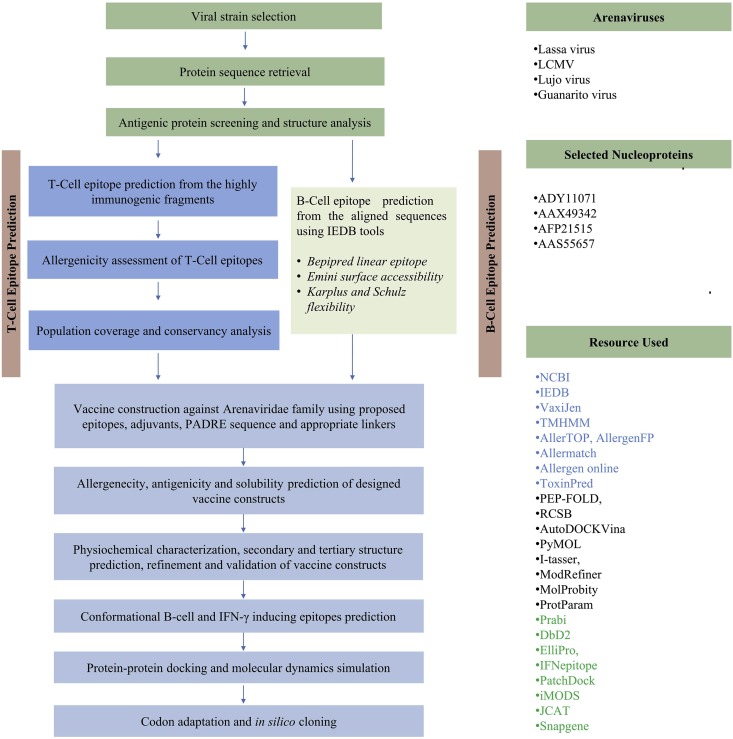
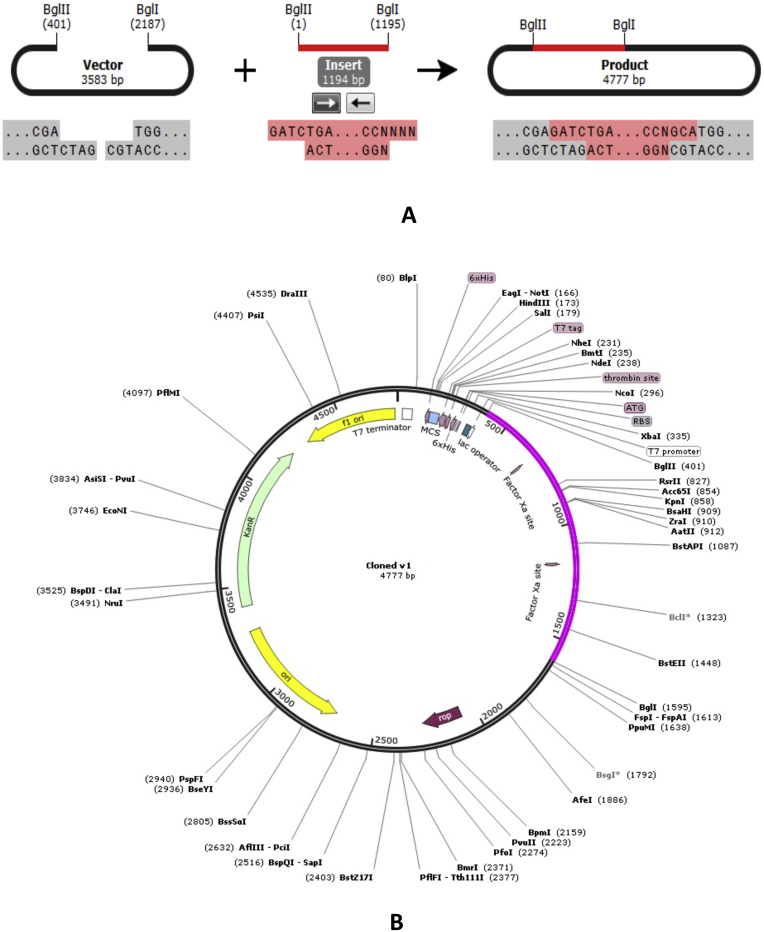
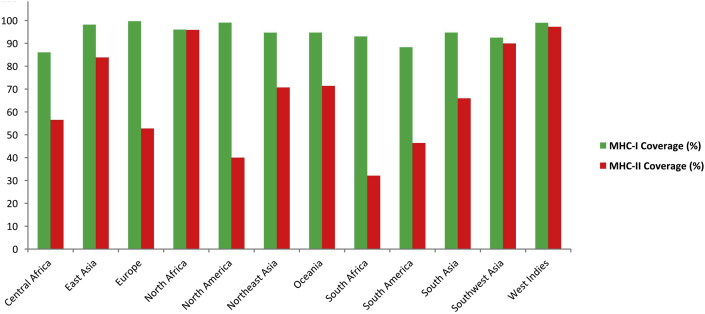
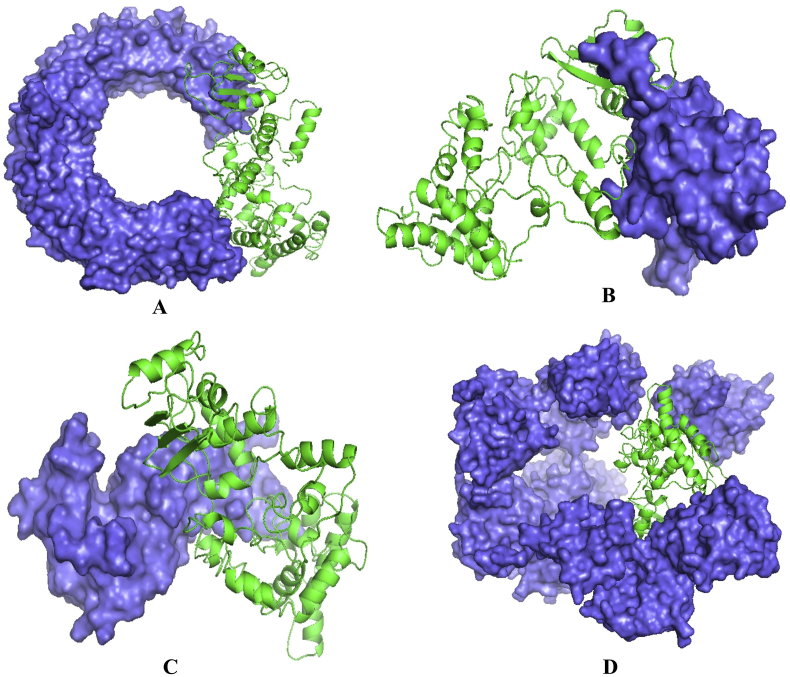
Arenaviral infections often result lethal hemorrhagic fevers, affecting primarily in African and South American regions. To date, there is no FDA-approved licensed vaccine against arenaviruses and treatments have been limited to supportive therapy. Hence, the study was employed to design a highly immunogenic cross-reactive vaccine against Arenaviridae family using reverse vaccinology approach. The whole proteome of Lassa virus (LASV), Lymphocytic Choriomeningitis virus (LCMV), Lujo virus and Guanarito virus were retrieved and assessed to determine the most antigenic viral proteins. Both T-cell and B-cell epitopes were predicted and screened based on transmembrane topology, antigenicity, allergenicity, toxicity and molecular docking analysis. The final constructs were designed using different adjuvants, top epitopes, PADRE sequence and respective linkers and were assessed for the efficacy, safety, stability and molecular cloning purposes. The proposed epitopes were highly conserved (84%-100%) and showed greater cumulative population coverage. Moreover, T cell epitope GWPYIGSRS was conserved in Junin virus (Argentine mammarenavirus) and Sabia virus (Brazilian mammarenavirus), while B cell epitope NLLYKICLSG was conserved in Machupo virus (Bolivian mammarenavirus) and Sabia virus, indicating the possibility of final vaccine construct to confer a broad range immunity in the host. Docking analysis of the refined vaccine with different MHC molecules and human immune receptors were biologically significant. The vaccine-receptor (V1-TLR3) complex showed minimal deformability at molecular level and was compatible for cloning into pET28a(+) vector of strain K12. The study could be helpful in developing vaccine to combat arenaviral infections in the future. However, further and trials using model animals are highly recommended for the experimental validation of our findings.
沙粒病毒感染通常会导致致命的出血热,主要影响非洲和南美洲地区。迄今为止,尚无美国食品药品监督管理局(FDA)批准的针对沙粒病毒的许可疫苗,治疗方法也仅限于支持性治疗。因此,该研究采用反向疫苗学方法设计一种针对沙粒病毒科的高免疫原性交叉反应疫苗。检索并评估了拉沙病毒(LASV)、淋巴细胞性脉络丛脑膜炎病毒(LCMV)、卢乔病毒和瓜纳里托病毒的全蛋白质组,以确定最具抗原性的病毒蛋白。基于跨膜拓扑结构、抗原性、致敏性、毒性和分子对接分析,预测并筛选了T细胞和B细胞表位。使用不同的佐剂、顶级表位、PADRE序列和各自的接头设计最终构建体,并对其有效性、安全性、稳定性和分子克隆目的进行评估。所提出的表位具有高度保守性(84%-100%),并显示出更大的累积人群覆盖率。此外,T细胞表位GWPYIGSRS在胡宁病毒(阿根廷沙粒病毒)和塞比病毒(巴西沙粒病毒)中保守,而B细胞表位NLLYKICLSG在马丘波病毒(玻利维亚沙粒病毒)和塞比病毒中保守,这表明最终疫苗构建体有可能在宿主体内产生广泛的免疫力。精制疫苗与不同MHC分子和人类免疫受体的对接分析具有生物学意义。疫苗-受体(V1-TLR3)复合物在分子水平上显示出最小的变形性,并且适合克隆到K12菌株的pET28a(+)载体中。该研究可能有助于未来开发对抗沙粒病毒感染的疫苗。然而,强烈建议使用模式动物进行进一步的体内和体外试验,以对我们的发现进行实验验证。