State Key Laboratory of Bioactive Substance and Function of Natural Medicines, NHC Key Laboratory of Biosynthesis of Natural Products, CAMS Key Laboratory of Enzyme and Biocatalysis of Natural Drugs, Institute of Materia Medica, Chinese Academy of Medical Sciences & Peking Union Medical College, 1 Xian Nong Tan Street, Beijing, 100050, China.
BMC Plant Biol. 2020 Sep 4;20(1):414. doi: 10.1186/s12870-020-02586-y.
Rhododendron molle (Ericaceae) is a traditional Chinese medicinal plant, its flower and root have been widely used to treat rheumatism and relieve pain for thousands of years in China. Chemical studies have revealed that R. molle contains abundant secondary metabolites such as terpenoinds, flavonoids and lignans, some of which have exhibited various bioactivities including antioxidant, hypotension and analgesic activity. In spite of immense pharmaceutical importance, the mechanism underlying the biosynthesis of secondary metabolites remains unknown and the genomic information is unavailable.
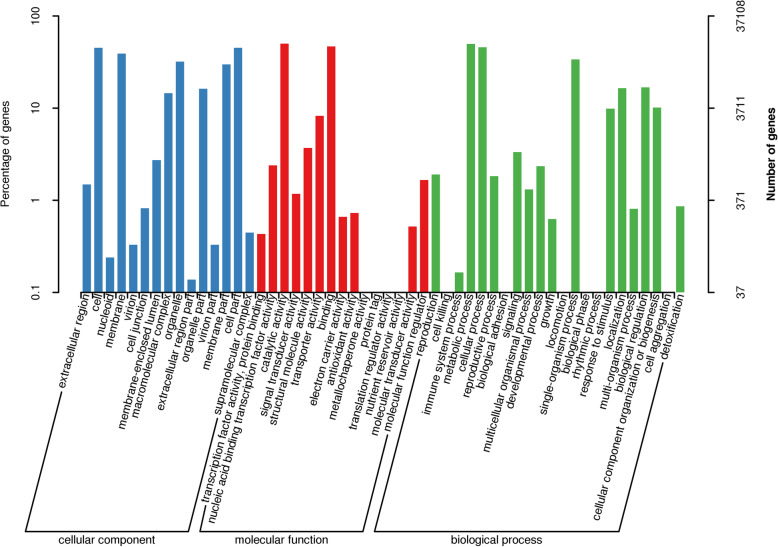
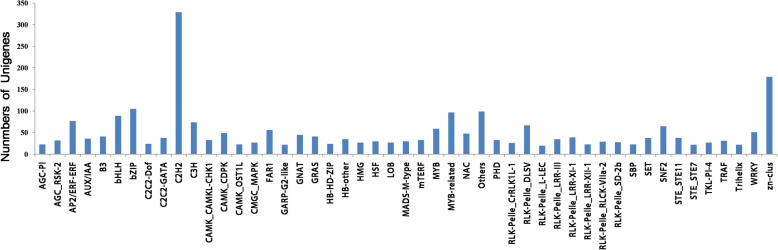
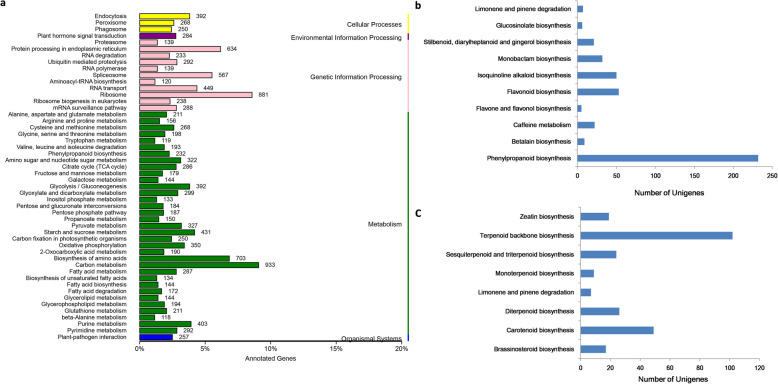
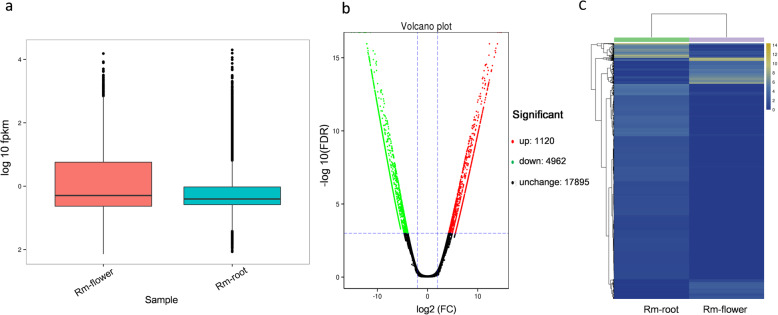
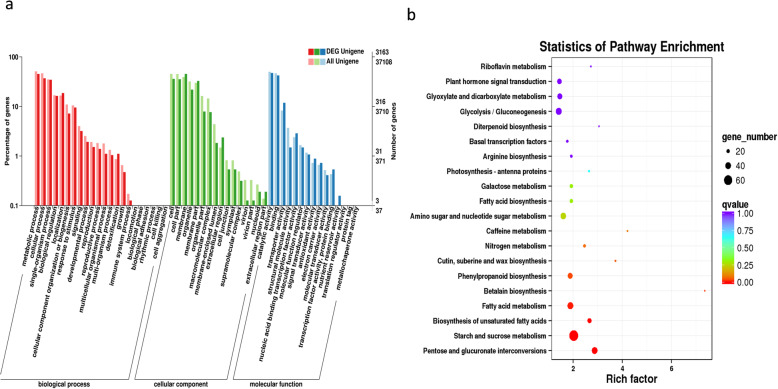
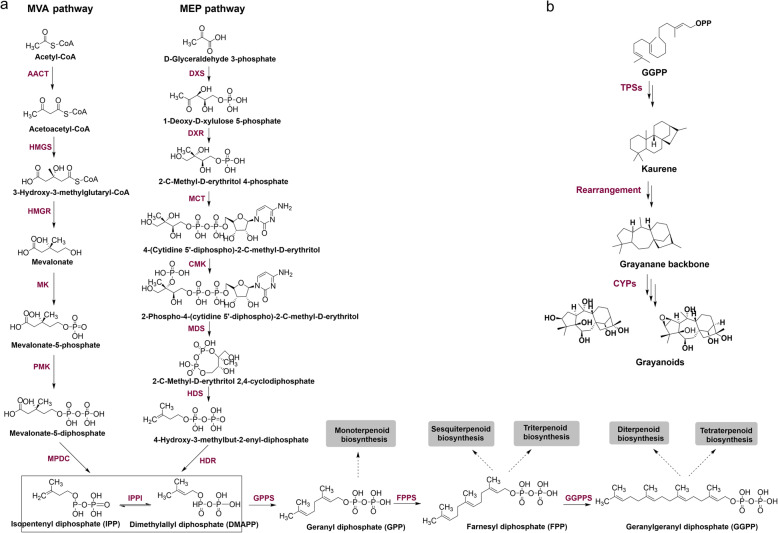
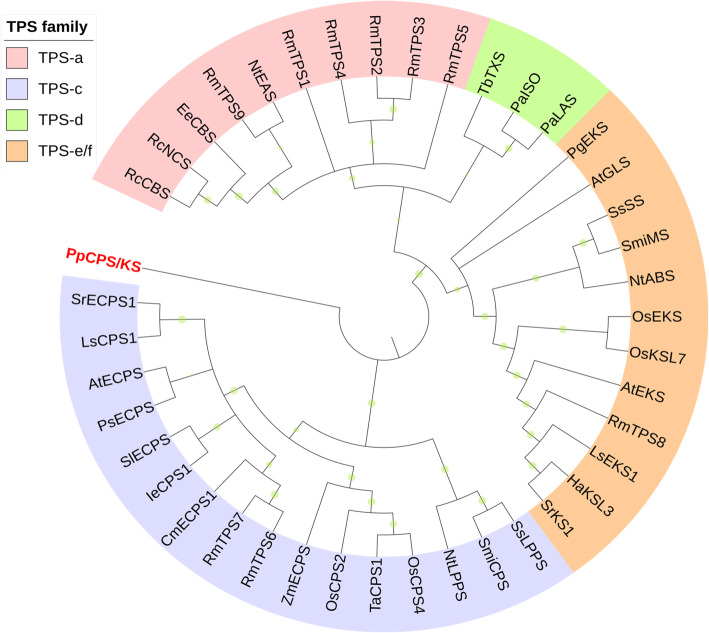
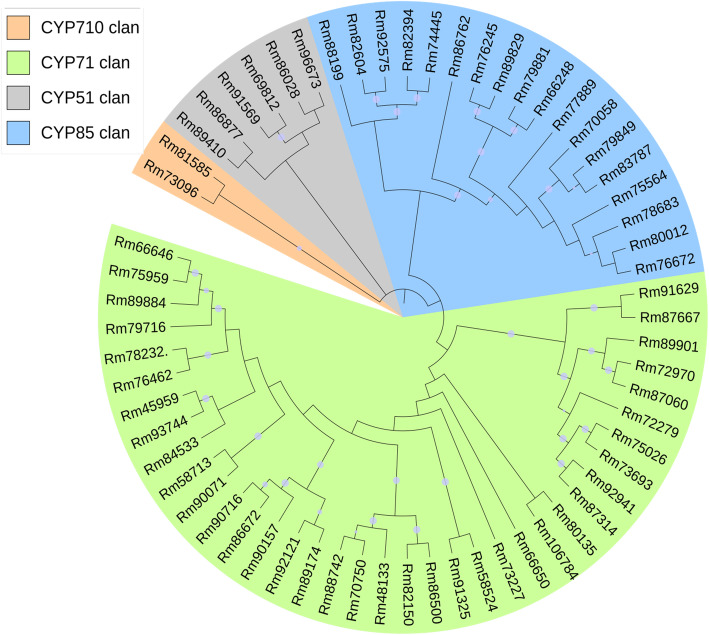
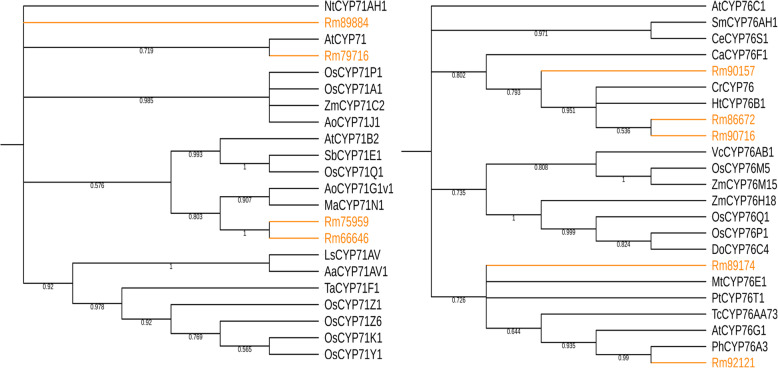
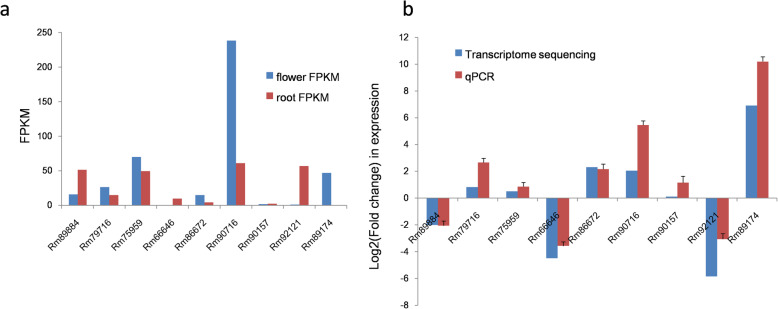
To gain molecular insight into this plant, especially on the information of pharmaceutically important secondary metabolites including grayanane diterpenoids, we conducted deep transcriptome sequencing for R. molle flower and root using the Illumina Hiseq platform. In total, 100,603 unigenes were generated through de novo assembly with mean length of 778 bp, 57.1% of these unigenes were annotated in public databases and 17,906 of those unigenes showed significant match in the KEGG database. Unigenes involved in the biosynthesis of secondary metabolites were annotated, including the TPSs and CYPs that were potentially responsible for the biosynthesis of grayanoids. Moreover, 3376 transcription factors and 10,828 simple sequence repeats (SSRs) were also identified. Additionally, we further performed differential gene expression (DEG) analysis of the flower and root transcriptome libraries and identified numerous genes that were specifically expressed or up-regulated in flower.
To the best of our knowledge, this is the first time to generate and thoroughly analyze the transcriptome data of both R. molle flower and root. This study provided an important genetic resource which will shed light on elucidating various secondary metabolite biosynthetic pathways in R. molle, especially for those with medicinal value and allow for drug development in this plant.
密枝杜鹃(杜鹃花科)是一种传统的中药植物,其花和根在中国被广泛用于治疗风湿和缓解疼痛已有数千年的历史。化学研究表明,密枝杜鹃含有丰富的次生代谢产物,如萜类、黄酮类和木脂素类,其中一些具有抗氧化、降血压和镇痛活性等多种生物活性。尽管具有巨大的药用价值,但次生代谢物生物合成的机制尚不清楚,基因组信息也无法获得。
为了深入了解这种植物,特别是对包括格雷烷二萜类在内的具有药用价值的次生代谢物的信息,我们使用 Illumina Hiseq 平台对密枝杜鹃的花和根进行了深度转录组测序。通过从头组装共生成了 100603 个 unigenes,平均长度为 778bp,其中 57.1%的 unigenes在公共数据库中得到注释,17906 个 unigenes在 KEGG 数据库中有显著匹配。注释了次生代谢物生物合成相关的 unigenes,包括可能负责格雷烷类生物合成的 TPSs 和 CYPs。此外,还鉴定了 3376 个转录因子和 10828 个简单重复序列(SSR)。此外,我们还进一步对花和根转录组文库进行了差异基因表达(DEG)分析,鉴定了许多在花中特异性表达或上调的基因。
据我们所知,这是首次对密枝杜鹃的花和根进行转录组数据的生成和全面分析。本研究提供了一个重要的遗传资源,将有助于阐明密枝杜鹃中各种次生代谢物生物合成途径,特别是那些具有药用价值的途径,并为该植物的药物开发提供依据。