Shanghai Urban Plant Resources Development and Application Engineering Research Center, Shanghai Botanical Garden, Shanghai, China.
BMC Plant Biol. 2022 Aug 16;22(1):401. doi: 10.1186/s12870-022-03762-y.
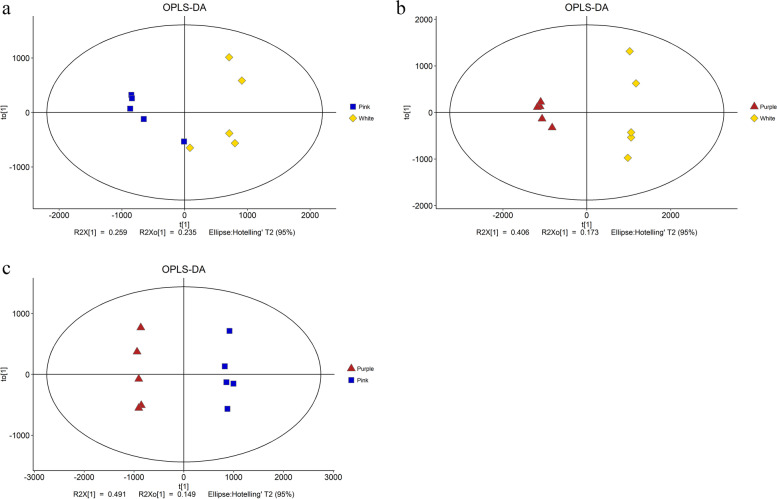
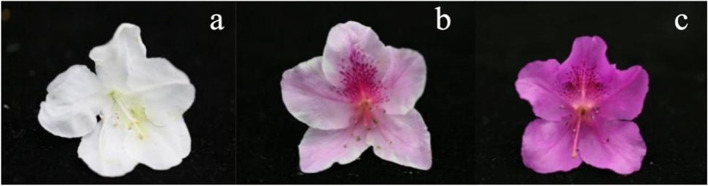
Color is the major ornamental feature of the Rhododendron genus, and it is related to the contents of flavonoid in petals. However, the regulatory mechanism of flavonoid biosynthesis in Rhododendron pulchrum remains unknown. The transcriptome and metabolome analysis of Rhododendron pulchrum with white, pink and purple color in this study aimed to reveal the mechanism of flavonoid biosynthesis and to provide insight for improving the petal color.
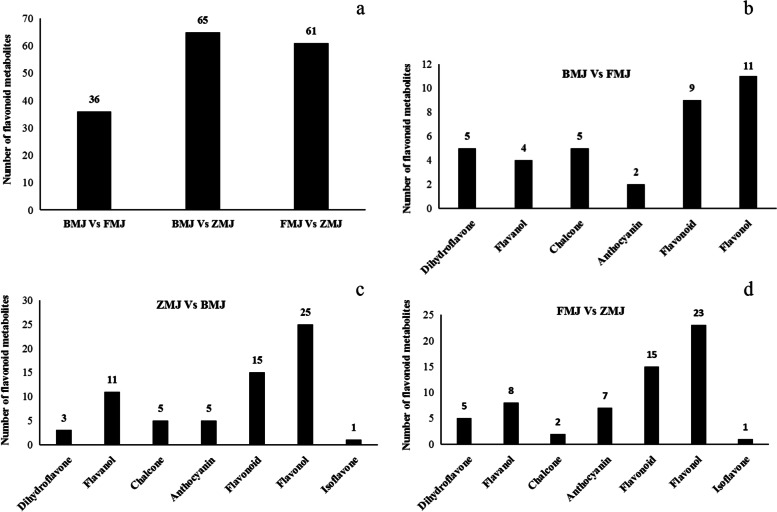
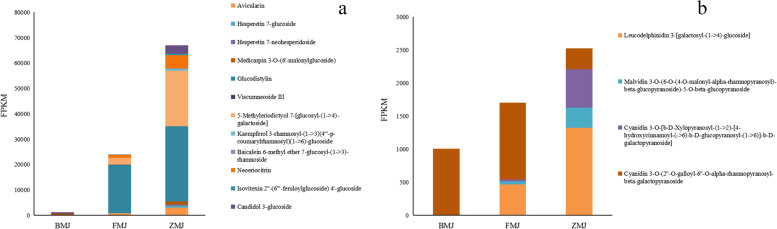
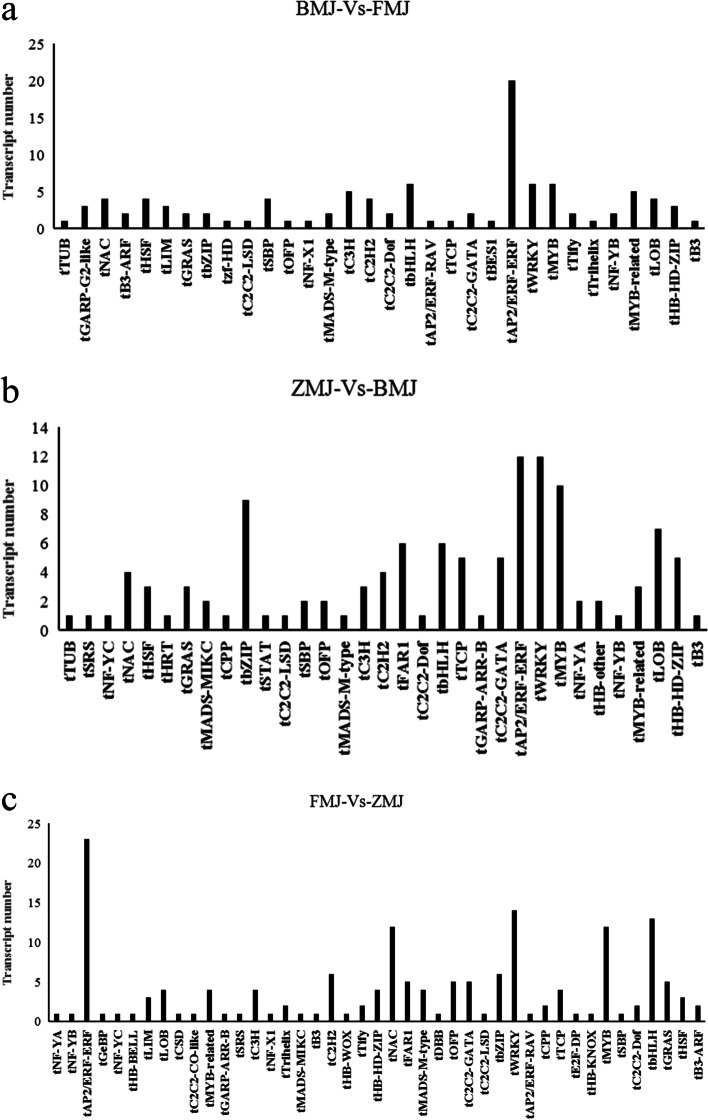
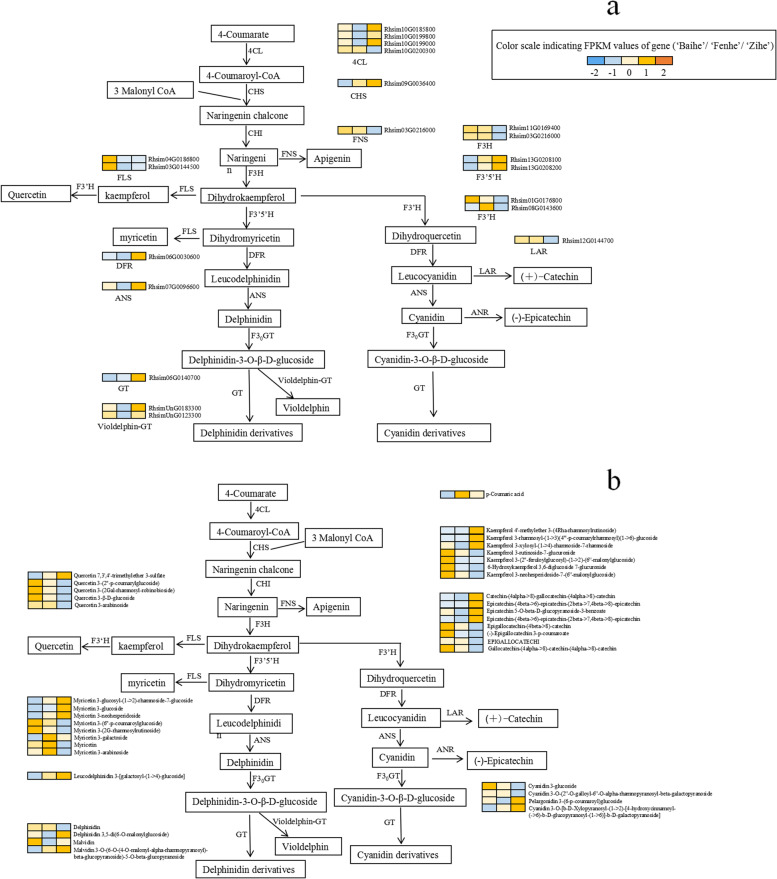
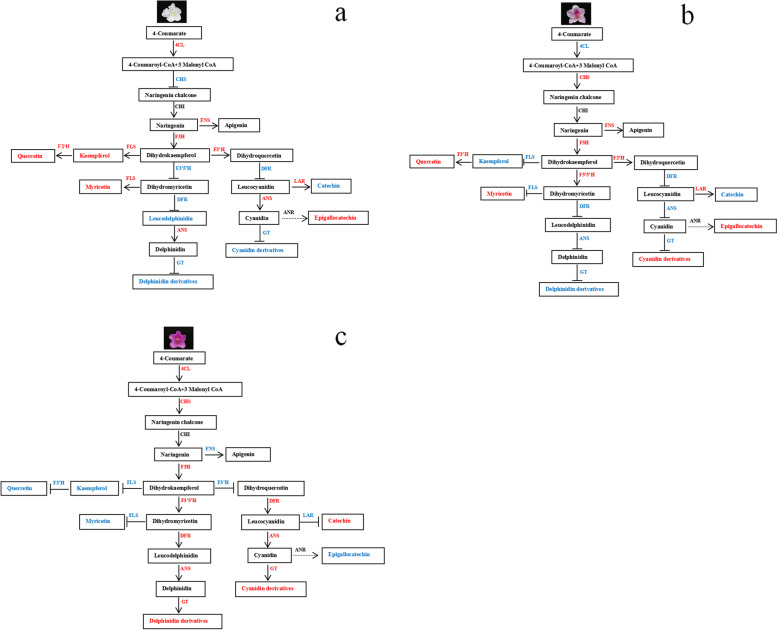
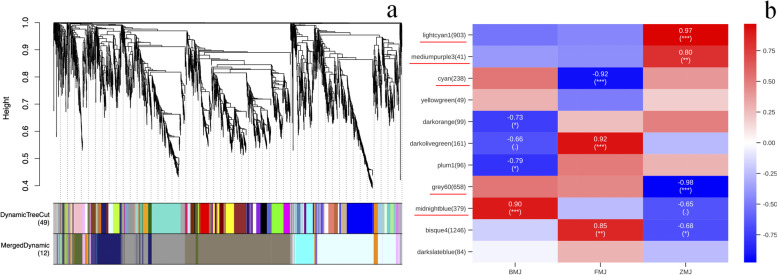
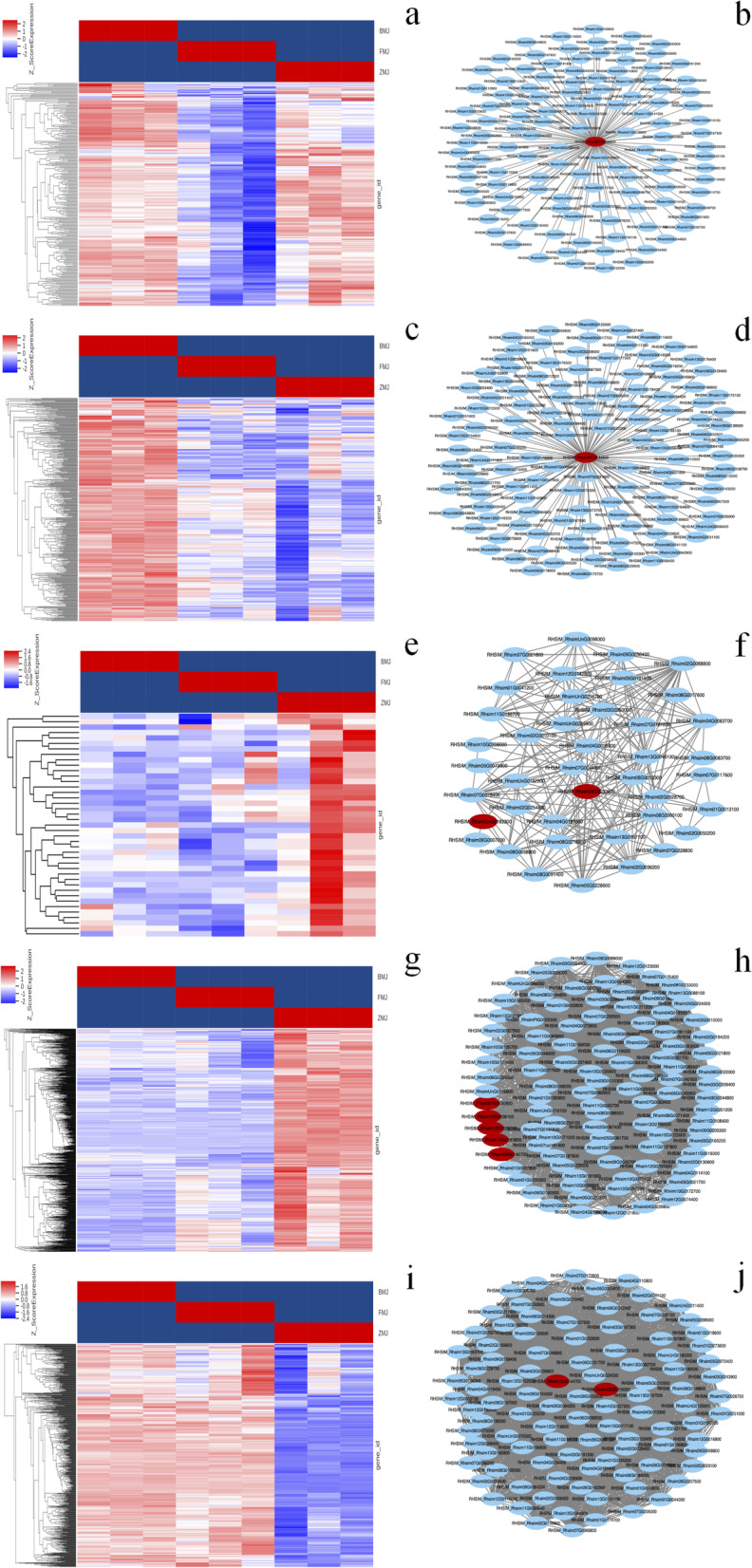
Flavonoids and flavonols are the major components of flavonoid metabolites in R.pulchrum, such as laricitrin, apigenin, tricin, luteolin, isoorientin, isoscutellarein, diosmetin and their glycosides derivatives. With transcriptome and metabolome analysis, we found CHS, FLS, F3'H, F3'5'H, DFR, ANS, GT, FNS, IFR and FAOMT genes showed significantly differential expression in cultivar 'Zihe'. FNS and IFR were discovered to be associated with coloration in R.pulchrum for the first time. The FNS gene existed in the form of FNSI. The IFR gene and its related metabolites of medicarpin derivatives were highly expressed in purple petal. In cultivar 'Fenhe', up-regulation of F3'H and F3'5'H and down-regulation of 4CL, DFR, ANS, and GT were associated with pink coloration. With the transcription factor analysis, a subfamily of DREBs was found to be specifically enriched in pink petals. This suggested that the DREB family play an important role in pink coloration. In cultivars 'Baihe', flavonoid biosynthesis was inhibited by low expression of CHS, while pigment accumulation was inhibited by low expression of F3'5'H, DFR, and GT, which led to a white coloration.
By analyzing the transcriptome and metabolome of R.pulchrum, principal differential expression genes and metabolites of flavonoid biosynthesis pathway were identified. Many novel metabolites, genes, and transcription factors associated with coloration have been discovered. To reveal the mechanism of the coloration of different petals, a model of the flavonoid biosynthesis pathway of R.pulchrum was constructed. These results provide in depth information regarding the coloration of the petals and the flavonoid metabolism of R.pulcherum. The study of transcriptome and metabolome profiling gains insight for further genetic improvement in Rhododendron.
颜色是杜鹃花属的主要观赏特征,与花瓣中类黄酮的含量有关。然而,紫斑杜鹃中类黄酮生物合成的调控机制尚不清楚。本研究对花色为白色、粉色和紫色的紫斑杜鹃进行了转录组和代谢组分析,旨在揭示类黄酮生物合成的机制,为改善花瓣颜色提供依据。
在紫斑杜鹃中,类黄酮和黄酮醇是类黄酮代谢物的主要成分,如黎芦定、芹菜素、木樨草素、木樨草苷、异荭草苷、异牡荆素、二氢杨梅素及其糖苷衍生物。通过转录组和代谢组分析,我们发现 CHS、FLS、F3’H、F3’5’H、DFR、ANS、GT、FNS、IFR 和 FAOMT 基因在品种“紫禾”中表现出明显的差异表达。首次发现 FNS 和 IFR 与紫斑杜鹃的着色有关。FNS 基因以 FNSI 的形式存在。紫斑杜鹃中,与 medicarpin 衍生物相关的 IFR 基因及其相关代谢物表达水平较高,花色呈紫色。在品种“汾河”中,F3’H 和 F3’5’H 的上调以及 4CL、DFR、ANS 和 GT 的下调与粉色着色有关。通过转录因子分析,发现 DREB 家族的一个亚家族在粉色花瓣中特异性富集。这表明 DREB 家族在粉色着色中起重要作用。在品种“百合”中,由于 CHS 低表达,黄酮类生物合成受到抑制,而由于 F3’5’H、DFR 和 GT 低表达,色素积累受到抑制,导致花色呈白色。
通过分析紫斑杜鹃的转录组和代谢组,鉴定了黄酮类生物合成途径的主要差异表达基因和代谢产物。发现了许多与着色有关的新代谢物、基因和转录因子。为揭示不同花瓣着色的机制,构建了紫斑杜鹃黄酮类生物合成途径模型。这些结果为紫斑杜鹃花瓣着色和黄酮代谢提供了深入的信息。转录组和代谢组谱的研究为进一步进行杜鹃属的遗传改良提供了依据。