Riaz Sundus, Fatima Rana Nosheen, Hussain Irshad, Tanweer Tahreem, Nawaz Afrah, Menaa Farid, Janjua Hussnain A, Alam Tahseen, Batool Amna, Naeem Ayesha, Hameed Maryam, Ali Syed Mohsin
Department of Biomedical Engineering and Sciences, School of Mechanical & Manufacturing Engineering, National University of Sciences & Technology, Islamabad 44000, Pakistan.
Ministry of National Food Security and Research, Pakistan Agricultural Research Council, Karachi 75270, Pakistan.
Nanomaterials (Basel). 2020 Sep 7;10(9):1769. doi: 10.3390/nano10091769.
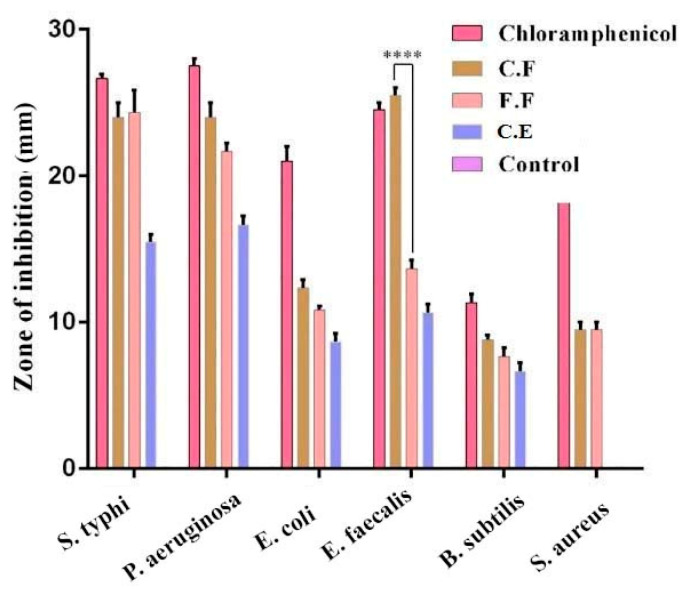
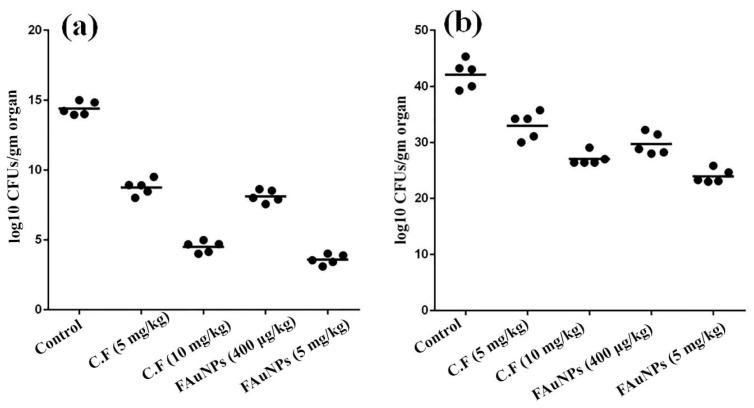
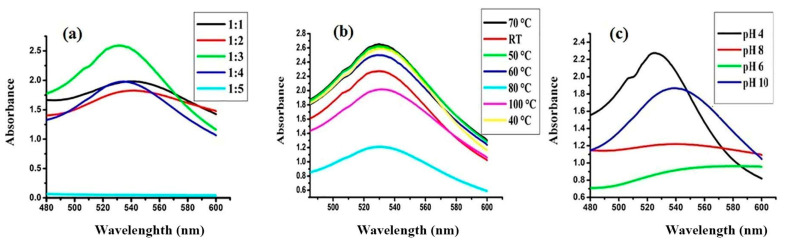
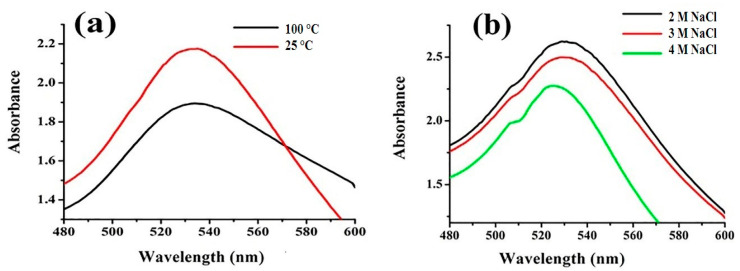
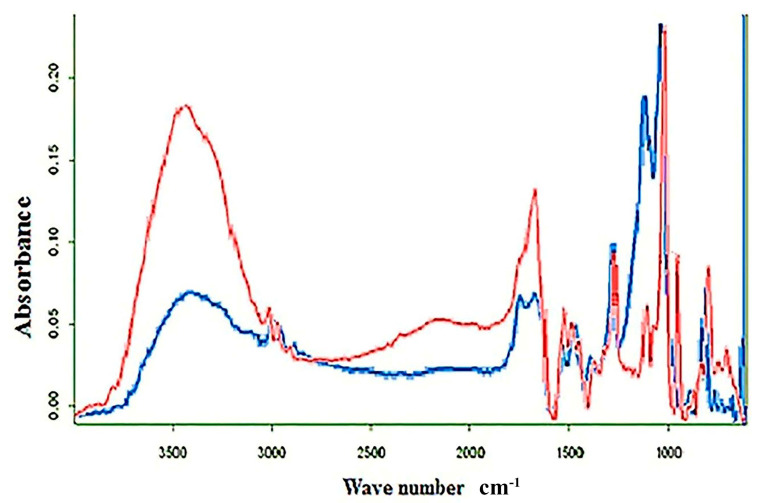
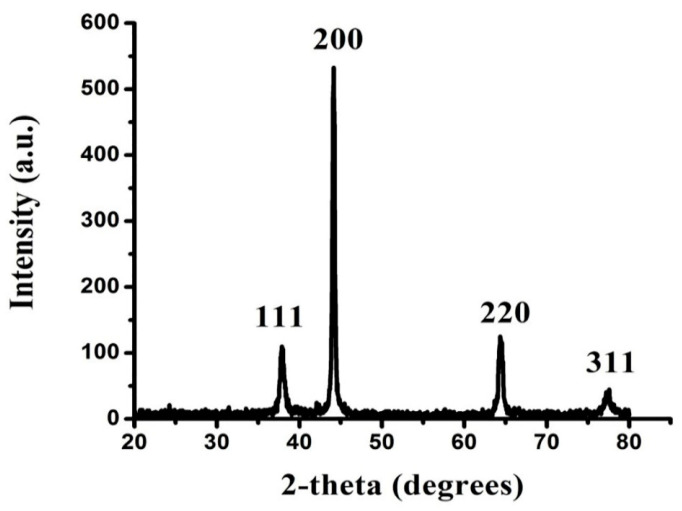
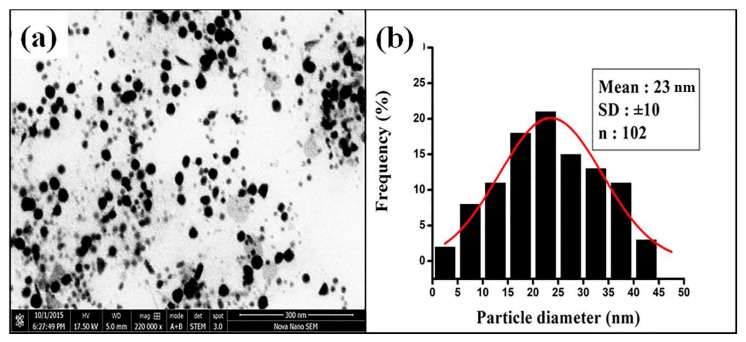
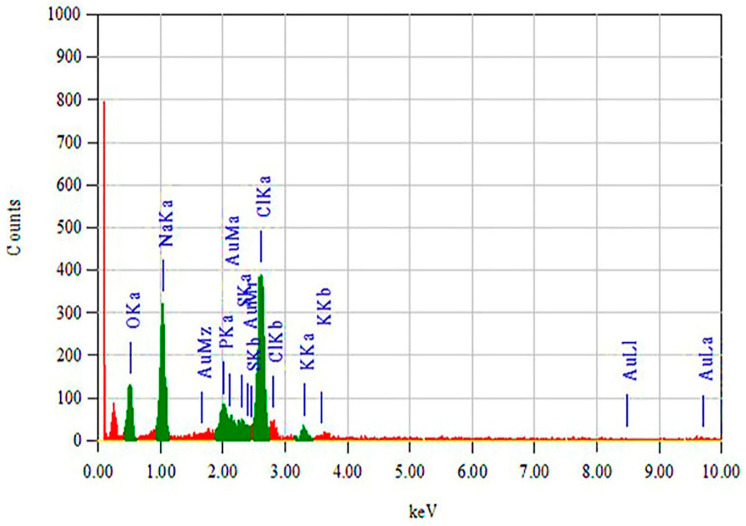
Multidrug resistance (MDR) has been a potentiator for the exploration of antibiotics. Nano drug delivery systems have opened new avenues to overcome this challenge. Although antibacterial nanocarriers are extensively realized, their effect on the bacteria residing inside the tissues and their toxicity is rarely explored. This study investigated the effects of flavonoid coated gold nanoparticles (FAuNPs) on the colonization of in the mouse liver and kidneys. Flavonoids were extracted from the leaves of Royle and used to stabilize gold following a green synthesis approach. FAuNPs were characterized by ultraviolet-visible (UV-Vis) spectroscopy, Fourier-transform infrared spectroscopy (FTIR), scanning transmission electron microscopy (STEM), X-ray powder diffraction (XRD), and energy-dispersive X-ray spectroscopy (EDS). FAuNPs showed significantly higher reduction in bacterial counts in in-vitro and in-vivo in mice organs as compared to the free flavonoids owing to their biocompatibility and effectiveness.
多药耐药性(MDR)一直是抗生素研发的一个促进因素。纳米药物递送系统为克服这一挑战开辟了新途径。尽管抗菌纳米载体已被广泛认识,但其对组织内细菌的作用及其毒性却鲜有研究。本研究调查了类黄酮包覆金纳米颗粒(FAuNPs)对小鼠肝脏和肾脏中细菌定植的影响。从罗氏盐肤木的叶子中提取类黄酮,并采用绿色合成方法用于稳定金。通过紫外可见(UV-Vis)光谱、傅里叶变换红外光谱(FTIR)、扫描透射电子显微镜(STEM)、X射线粉末衍射(XRD)和能量色散X射线光谱(EDS)对FAuNPs进行了表征。由于其生物相容性和有效性,与游离类黄酮相比,FAuNPs在小鼠器官的体外和体内实验中均显示出细菌数量的显著减少。