Canadian Centre for Human Microbiome and Probiotic Research, Lawson Health Research Institute, London, Ontario, Canada.
Department of Microbiology and Immunology, Western University, London, Ontario, Canada.
mSphere. 2020 Sep 9;5(5):e00498-20. doi: 10.1128/mSphere.00498-20.
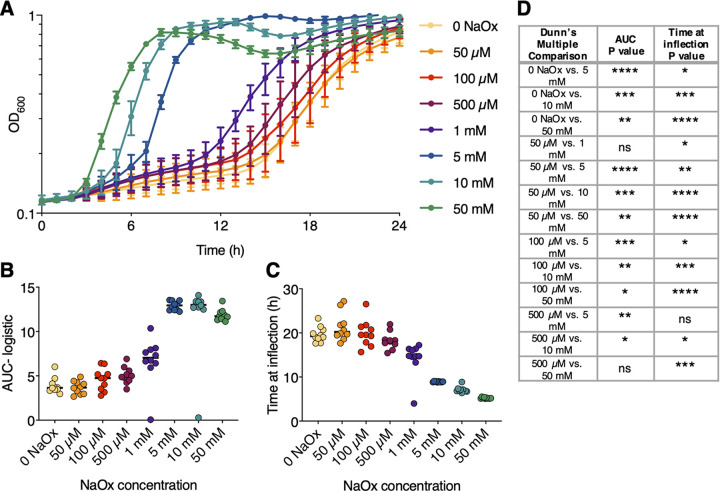
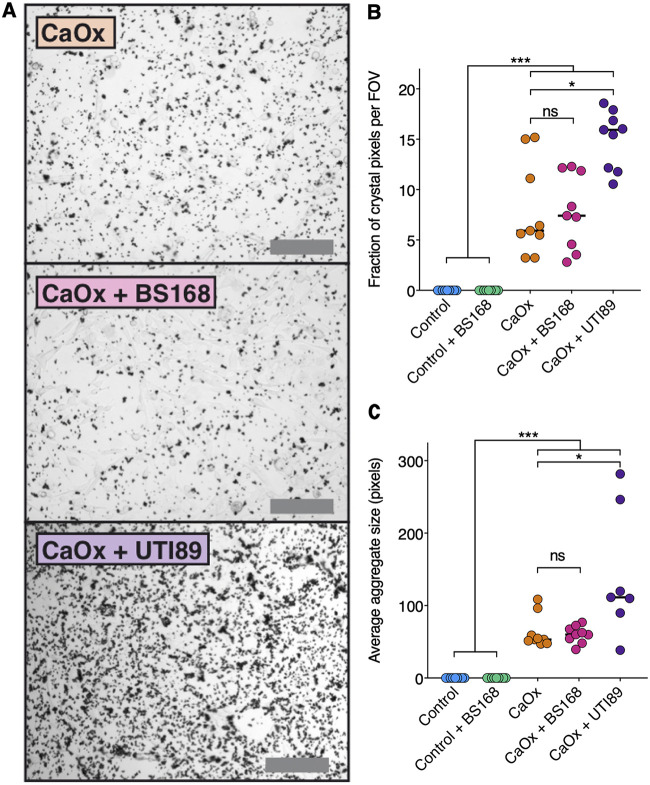
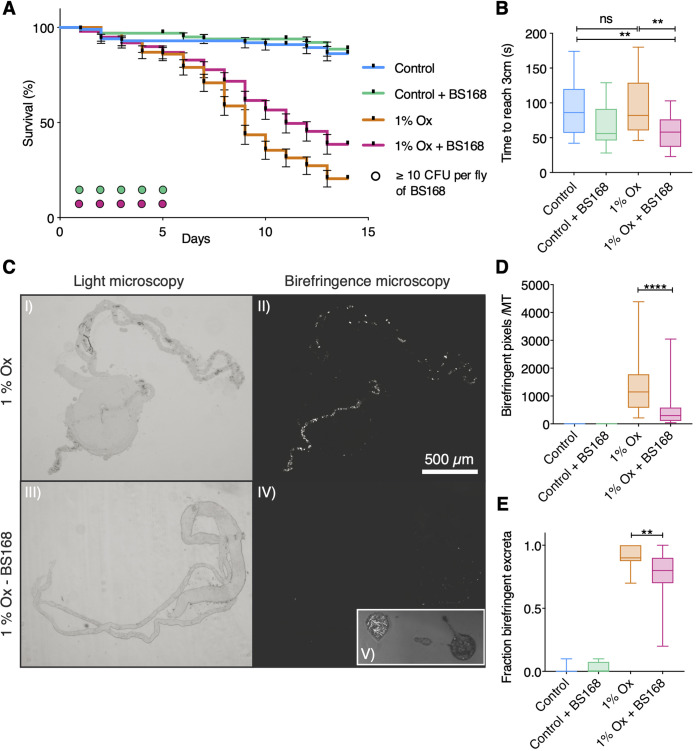
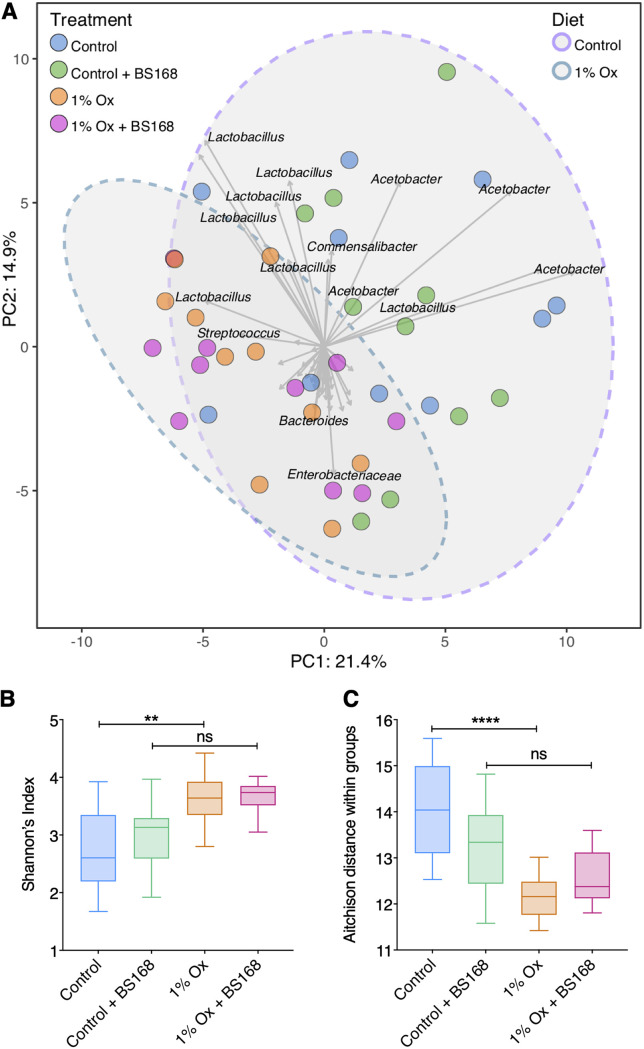
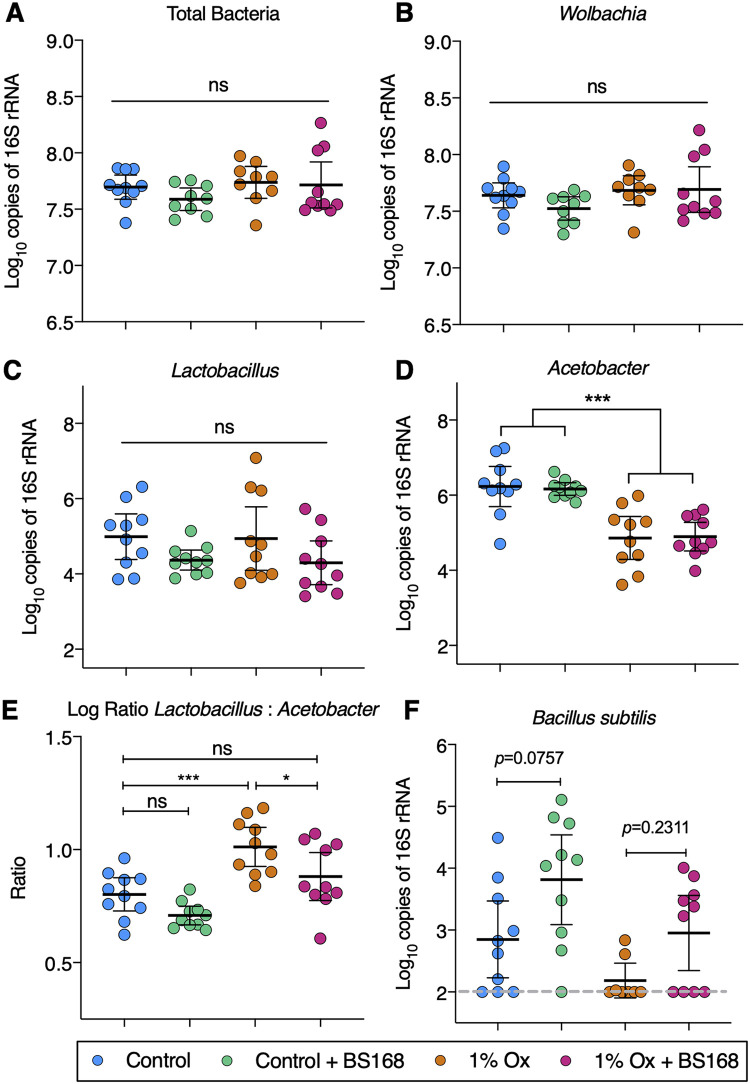
Kidney stones affect nearly 10% of the population in North America and are associated with high morbidity and recurrence, yet novel prevention strategies are lacking. Recent evidence suggests that the human gut microbiota can influence the development of nephrolithiasis, although clinical trials have been limited and inconclusive in determining the potential for microbially based interventions. Here, we used an established model of urolithiasis as a high-throughput screening platform for evaluation of the therapeutic potential of oxalate-degrading bacteria in calcium oxalate (CaOx) nephrolithiasis. The results demonstrated that 168 (BS168) is a promising candidate based on its preferential growth in high oxalate concentrations, its ability to stably colonize the intestinal tract for as long as 5 days, and its prevention of oxalate-induced microbiota dysbiosis. Single-dose BS168 supplementation exerted beneficial effects on for as long as 14 days, decreasing stone burden in dissected Malpighian tubules and fecal excreta while increasing survival and behavioral markers of health over those of nonsupplemented lithogenic controls. These findings were complemented by experiments using the established MDCK renal cell line, which demonstrated that BS168 pretreatment prevented increased CaOx crystal adhesion and aggregation. Taking our results together, this study supports the notion that BS168 can functionally reduce CaOx stone burden through its capacity for oxalate degradation. Given the favorable safety profile of many strains already used as digestive aids and in fermented foods, these findings suggest that BS168 could represent a novel therapeutic adjunct to reduce the incidence of recurrent CaOx nephrolithiasis in high-risk patients. Kidney stone disease is a morbid condition that is increasing in prevalence, with few nonsurgical treatment options. The majority of stones are composed of calcium oxalate. Unlike humans, some microbes can break down oxalate, suggesting that microbial therapeutics may provide a novel treatment for kidney stone patients. This study demonstrated that 168 (BS168) decreased stone burden, improved health, and complemented the microbiota in a urolithiasis model, while not exacerbating calcium oxalate aggregation or adhesion to renal cells These results identify this bacterium as a candidate for ameliorating stone formation; given that other strains of are components of fermented foods and are used as probiotics for digestive health, strain 168 warrants testing in humans. With the severe burden that recurrent kidney stone disease imposes on patients and the health care system, this microbial therapeutic approach could provide an inexpensive therapeutic adjunct.
肾结石影响了北美近 10%的人口,与高发病率和复发率有关,但缺乏新的预防策略。最近的证据表明,人类肠道微生物群可以影响肾结石的形成,尽管临床试验在确定微生物干预的潜力方面受到限制且没有定论。在这里,我们使用已建立的尿石症模型作为高通量筛选平台,评估草酸降解细菌在草酸钙(CaOx)肾结石中的治疗潜力。结果表明,BS168 是一种很有前途的候选物,因为它在高草酸浓度下优先生长,能够稳定地定植于肠道长达 5 天,并预防草酸诱导的微生物群落失调。单次剂量 BS168 补充剂对结石形成动物的有益作用可持续长达 14 天,减少了分离的马尔皮基小管和粪便排泄物中的结石负担,同时增加了补充治疗组动物的存活率和健康行为标志物,而不是未补充的结石形成对照组。这些发现得到了使用已建立的 MDCK 肾细胞系进行的实验的补充,该实验表明,BS168 预处理可防止 CaOx 晶体附着和聚集增加。综合这些结果,本研究支持以下观点,即 BS168 通过其降解草酸的能力可以有效地减少 CaOx 结石负担。鉴于许多已被用作消化助剂和发酵食品的菌株的良好安全性,这些发现表明 BS168 可能代表一种新的治疗辅助手段,以降低高危患者复发性 CaOx 肾结石的发病率。肾结石疾病是一种发病率不断增加的病态疾病,治疗方法很少。大多数结石由草酸钙组成。与人类不同,一些微生物可以分解草酸,这表明微生物疗法可能为肾结石患者提供一种新的治疗方法。本研究表明,BS168 减少了结石负担,改善了健康状况,并补充了尿石症模型中的微生物群,同时不会加重草酸钙对肾细胞的聚集或附着。这些结果表明该细菌可作为改善结石形成的候选物;鉴于其他菌株是发酵食品的成分,并被用作消化健康的益生菌,因此应在人类中测试菌株 168。鉴于复发性肾结石疾病给患者和医疗保健系统带来的严重负担,这种微生物治疗方法可能提供一种廉价的治疗辅助手段。