Department of Molecular Biology, Umeå University, S-901 87, Umeå, Sweden.
Immunology Program, Memorial Sloan Kettering Cancer Center (MSKCC), New York, NY, 10065, USA.
Sci Rep. 2017 Nov 16;7(1):15713. doi: 10.1038/s41598-017-15940-2.
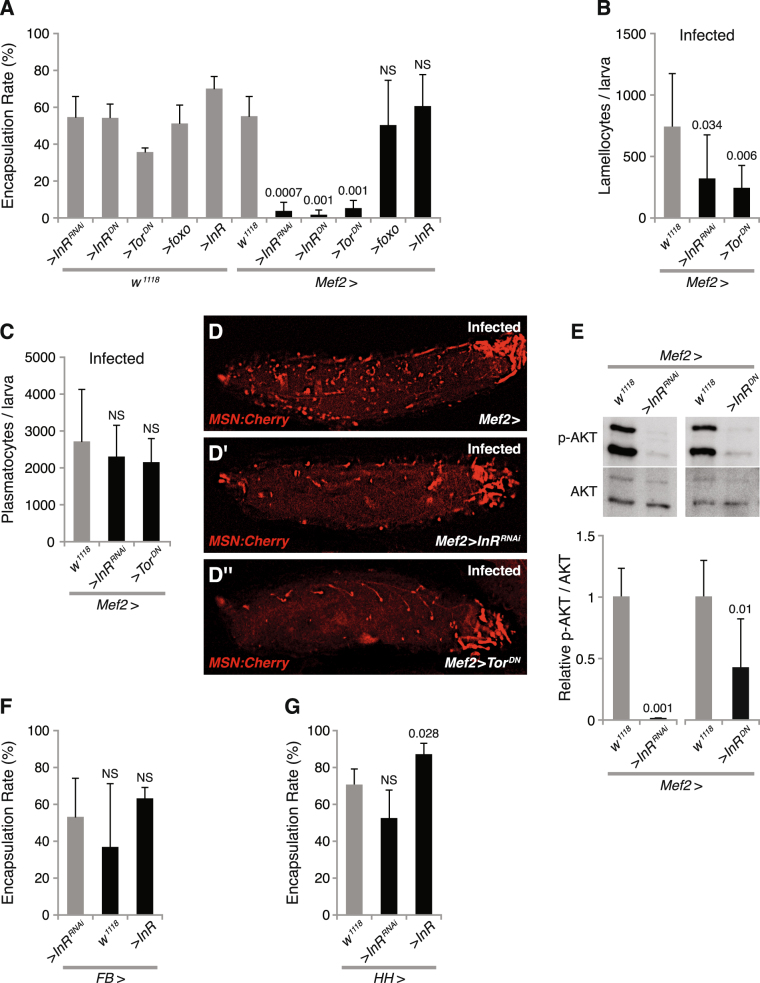
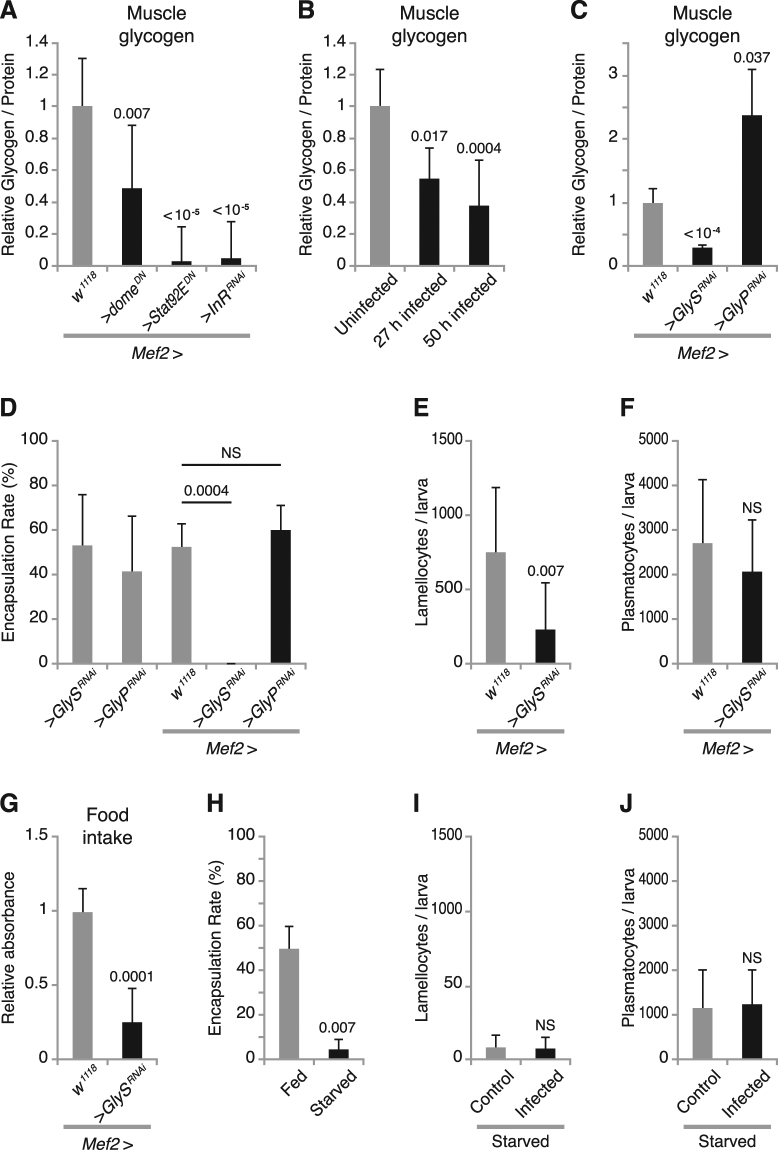
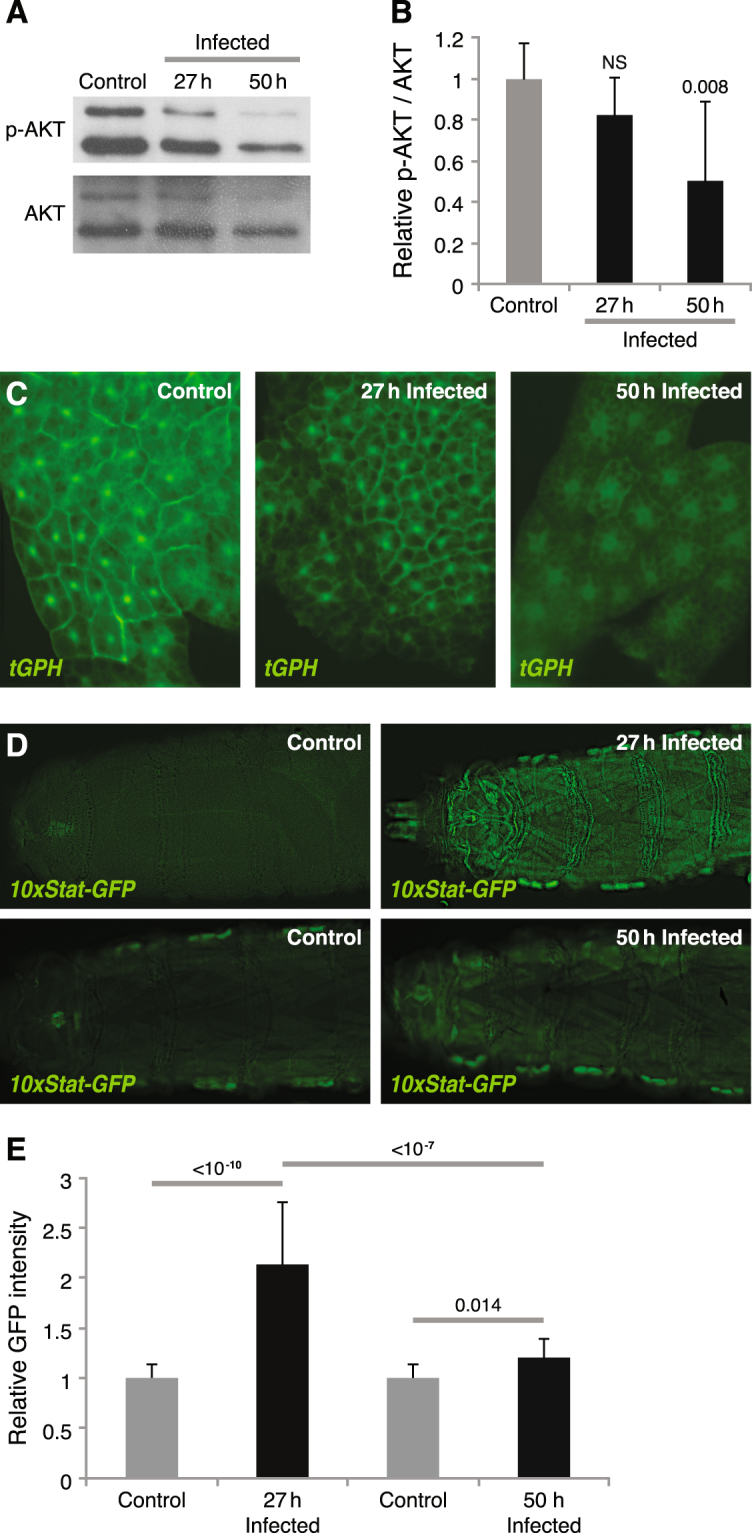
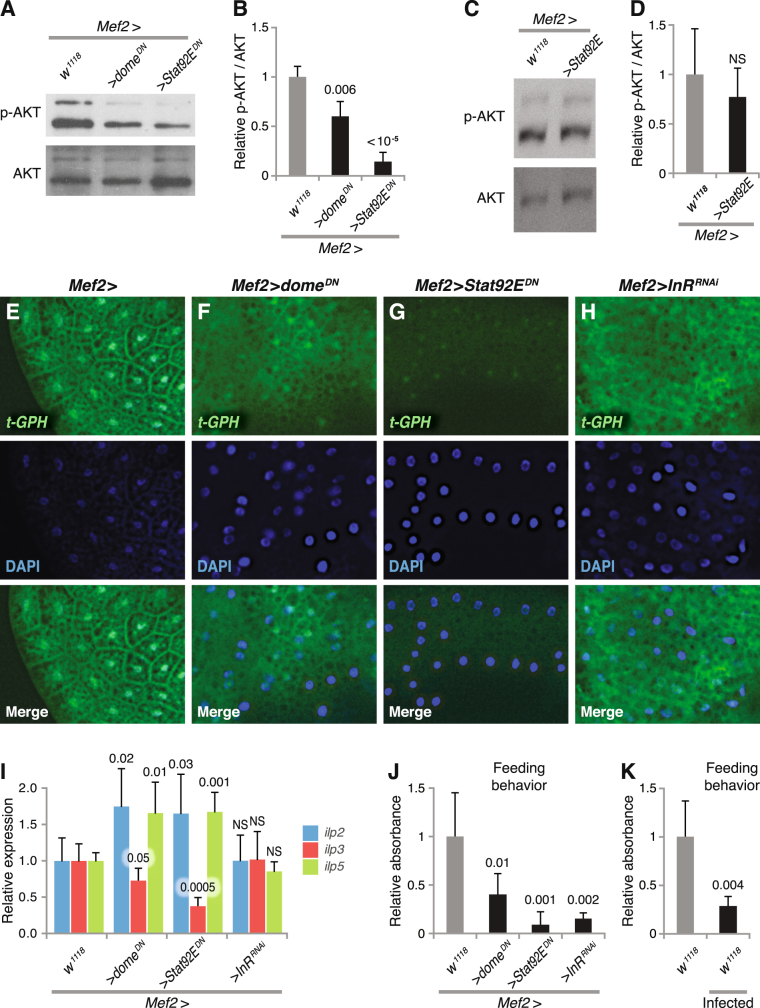
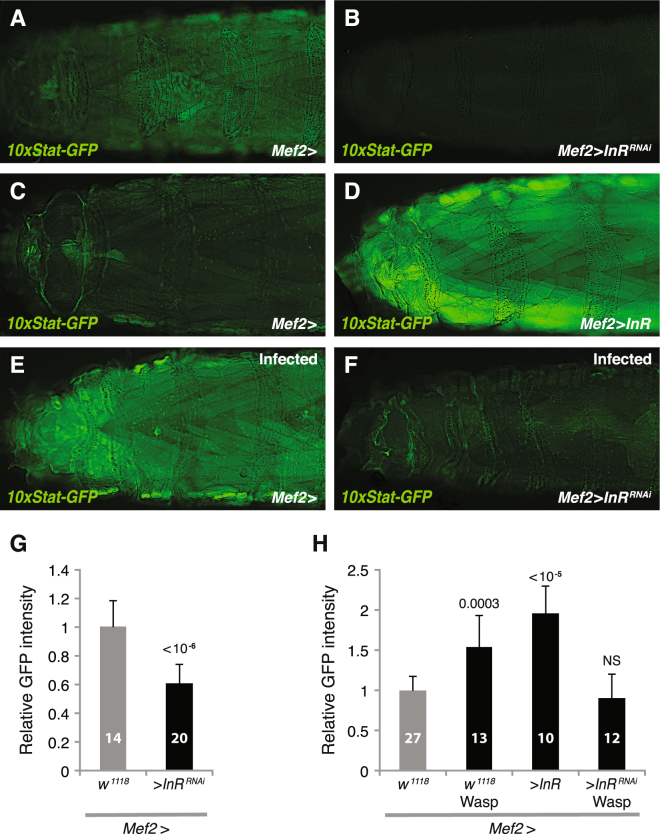
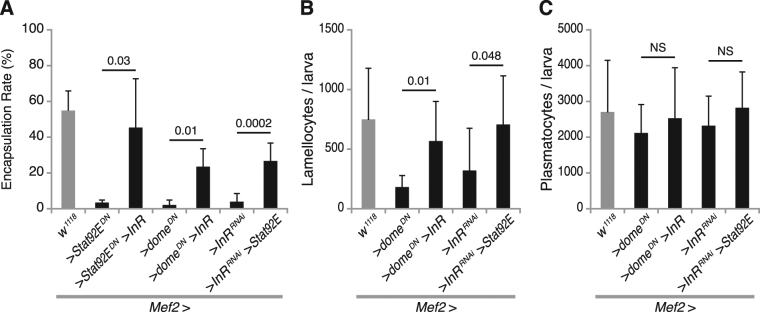
We recently found that JAK/STAT signaling in skeletal muscles is important for the immune response of Drosophila larvae against wasp infection, but it was not clear how muscles could affect the immune response. Here we show that insulin signaling is required in muscles, but not in fat body or hemocytes, during larval development for an efficient encapsulation response and for the formation of lamellocytes. This effect requires TOR signaling. We show that muscle tissue affects the immune response by acting as a master regulator of carbohydrate metabolism in the infected animal, via JAK/STAT and insulin signaling in the muscles, and that there is indirect positive feedback between JAK/STAT and insulin signaling in the muscles. Specifically, stimulation of JAK/STAT signaling in the muscles can rescue the deficient immune response when insulin signaling is suppressed. Our results shed new light on the interaction between metabolism, immunity, and tissue communication.
我们最近发现,骨骼肌肉中的 JAK/STAT 信号对于果蝇幼虫抵抗黄蜂感染的免疫反应很重要,但尚不清楚肌肉如何影响免疫反应。在这里,我们表明,在幼虫发育过程中,胰岛素信号在肌肉中而不是在脂肪体或血细胞中对于有效的包封反应和 lamellocytes 的形成是必需的。这种效应需要 TOR 信号。我们表明,肌肉组织通过在感染动物中充当碳水化合物代谢的主调节器来影响免疫反应,这是通过肌肉中的 JAK/STAT 和胰岛素信号实现的,并且肌肉中的 JAK/STAT 和胰岛素信号之间存在间接的正反馈。具体而言,当胰岛素信号受到抑制时,刺激肌肉中的 JAK/STAT 信号可以挽救免疫反应缺陷。我们的结果为代谢、免疫和组织通讯之间的相互作用提供了新的认识。