Department of Respiratory Diseases, Kunshan Affiliated Hospital of Nanjing University of Chinese Medicine, Kunshan 215300, China.
Department of Oncology, The Second People's Hospital of Kunshan, Kunshan 215300, China.
Bioorg Chem. 2020 Oct;103:104230. doi: 10.1016/j.bioorg.2020.104230. Epub 2020 Aug 26.
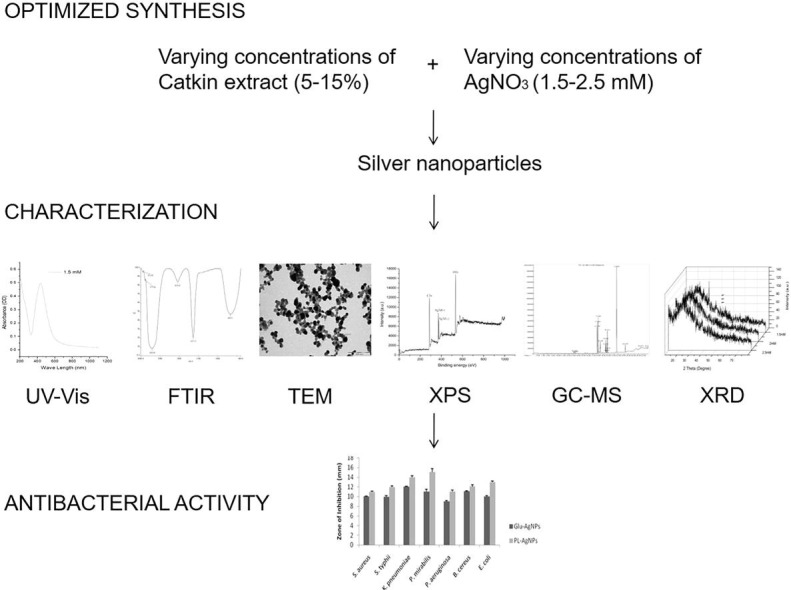
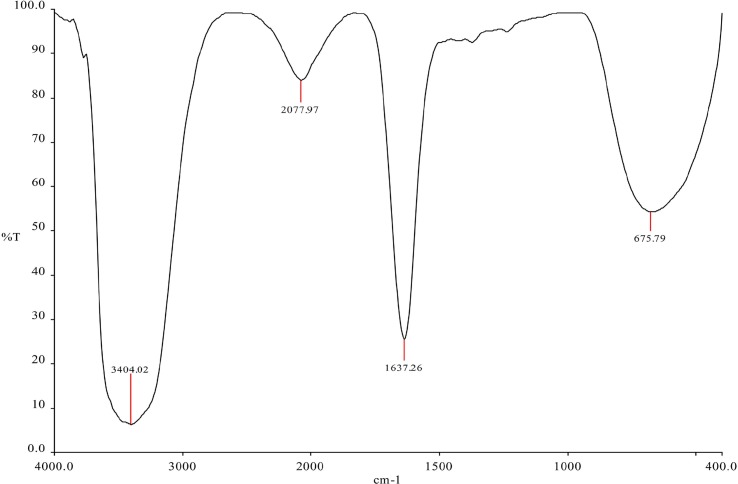
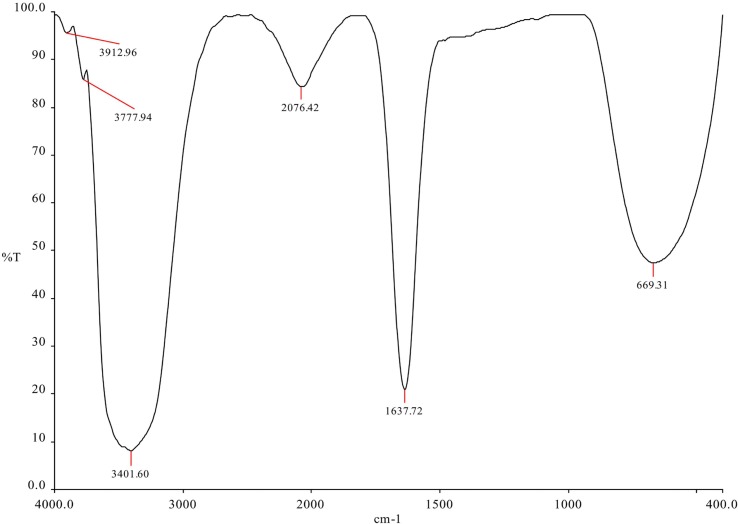
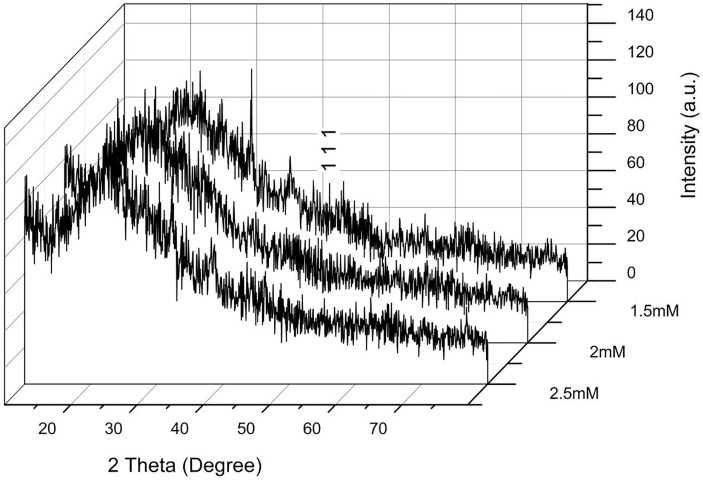
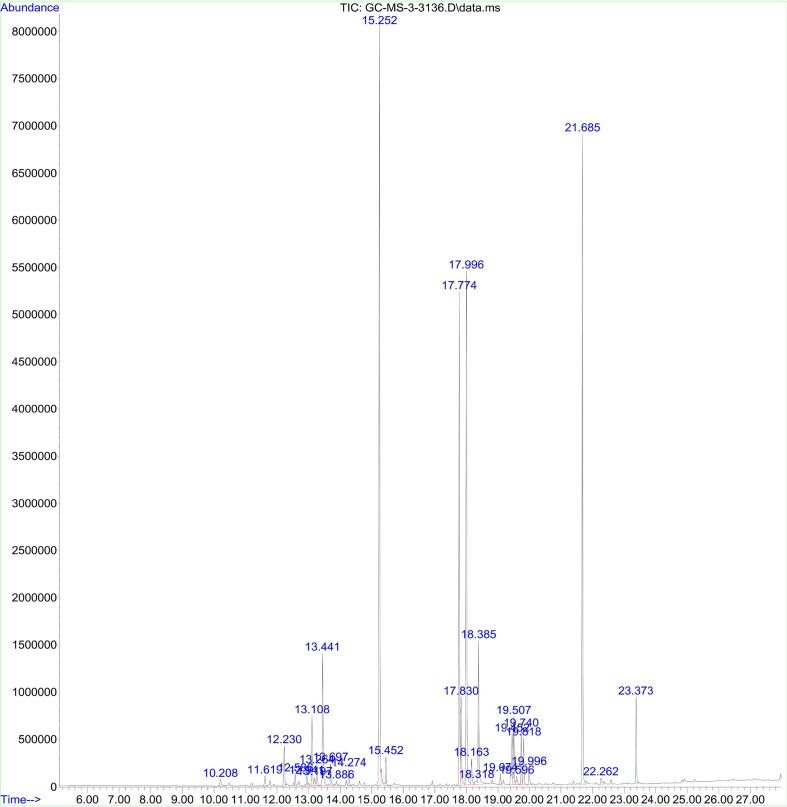
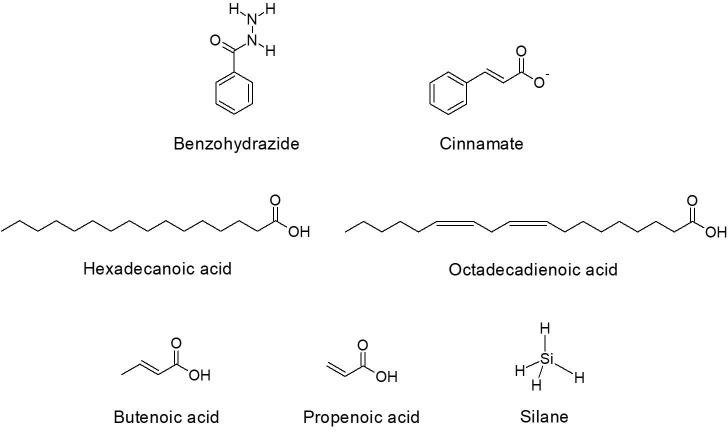
Inspired with an increasing environmental awareness, we performed an eco-friendly amenable process for the synthesis of silver nanoparticles (AgNPs) using the catkins of Piper longum as an alternative approach with the existing methods of using plant extracts. The fabrication of nanoparticles occurred within 10 min. This was initially observed by colour change of the solution. UV-visible spectroscopic studies (UV-Vis) were performed for further confirmation. The analysis elucidated that the surface plasmon resonance (SPR) was specifically corresponding to AgNPs. Fourier transform infrared spectrophotometry (FTIR) studies indicated that polyphenols could possibly be the encapsulating agents. The size and shape of the nanoparticles was analysed using Transmission electron microscopy (TEM). The nanoparticles were predominant spheres ranging between 10 and 42 nm at two different scales. The formation of elemental silver was confirmed further by X-ray photoelectron spectroscopy (XPS) and X-ray powder diffraction (XRD). GC-MS analysis was used to identify the possible encapsulates on the nanoparticles. The antibacterial effect of the biosynthesized AgNPs was tested against two gram-positive (Bacillus cereus and Staphylococcus aureus), and five gram-negative (Escherichia coli, Proteus mirabilis, Klebsiella pneumoniae, Pseudomonas aeruginosa and Salmonella typhi) bacteria. Outcomes of the study suggest that these pathogens were susceptible to the AgNPs. This is the first ever international report on correlating the antibacterial effect of silver nanoparticles using mathematical modelling with a conventional antimicrobial assay. The results indicate that nanoparticles of silver synthesized using catkin extract of P. longum can be exploited towards the development of potential antibacterial agents.
在日益增强的环保意识的启发下,我们使用荜茇的柔荑花序作为替代方法,进行了一项对环境友好的银纳米粒子 (AgNPs) 合成方法,该方法与使用植物提取物的现有方法不同。纳米粒子的制造在 10 分钟内完成。这最初通过溶液颜色的变化观察到。进行了紫外可见光谱研究 (UV-Vis) 以进一步确认。分析表明,表面等离子体共振 (SPR) 与 AgNPs 相对应。傅里叶变换红外光谱 (FTIR) 研究表明,多酚可能是封装剂。使用透射电子显微镜 (TEM) 分析纳米粒子的大小和形状。纳米粒子主要是两种不同尺度下的 10 到 42nm 的球体。通过 X 射线光电子能谱 (XPS) 和 X 射线粉末衍射 (XRD) 进一步确认了元素银的形成。GC-MS 分析用于鉴定纳米粒子上可能的封装物。测试了生物合成的 AgNPs 对两种革兰氏阳性菌(蜡样芽孢杆菌和金黄色葡萄球菌)和五种革兰氏阴性菌(大肠杆菌、奇异变形杆菌、肺炎克雷伯菌、铜绿假单胞菌和伤寒沙门氏菌)的抗菌效果。研究结果表明,这些病原体对 AgNPs 敏感。这是首次使用数学模型将银纳米粒子的抗菌效果与传统抗菌测定相关联的国际报告。结果表明,使用荜茇柔荑花序提取物合成的银纳米粒子可以被开发为潜在的抗菌剂。