López-Iglesias Clara, Quílez Cristina, Barros Joana, Velasco Diego, Alvarez-Lorenzo Carmen, Jorcano José L, Monteiro Fernando J, García-González Carlos A
Department of Pharmacology, Pharmacy and Pharmaceutical Technology, I+D Farma group (GI-1645), Faculty of Pharmacy, Agrupación Estratégica de Materiales (AeMAT) and Health Research Institute of Santiago de Compostela (IDIS), Universidade de Santiago de Compostela, 15782 Santiago de Compostela, Spain.
Department of Bioengineering and Aerospace Engineering, Universidad Carlos III de Madrid (UC3M), 28911 Leganés (Madrid), Spain.
Pharmaceutics. 2020 Sep 12;12(9):870. doi: 10.3390/pharmaceutics12090870.
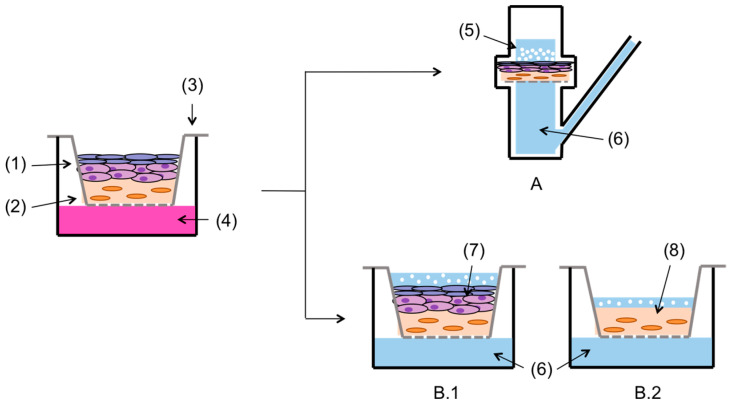
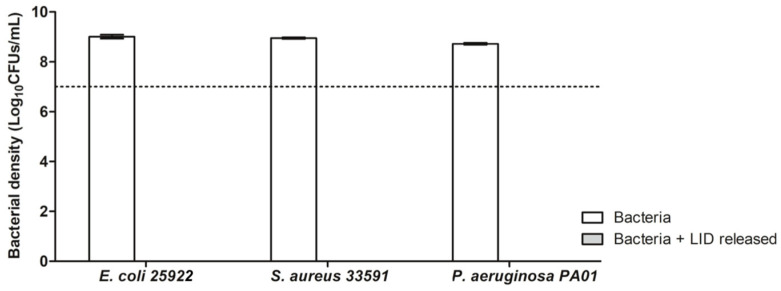
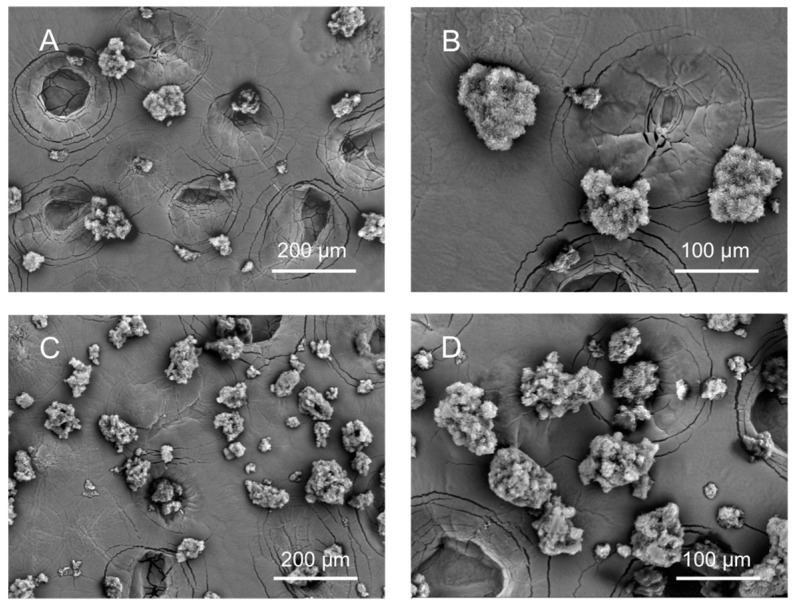
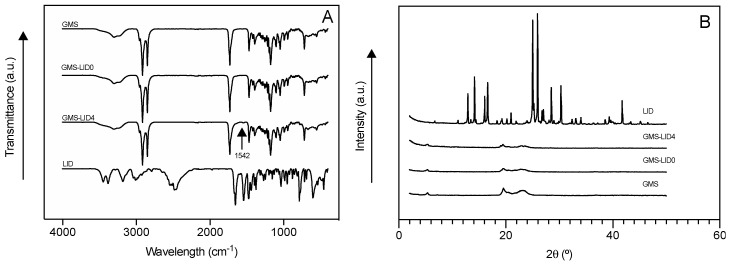
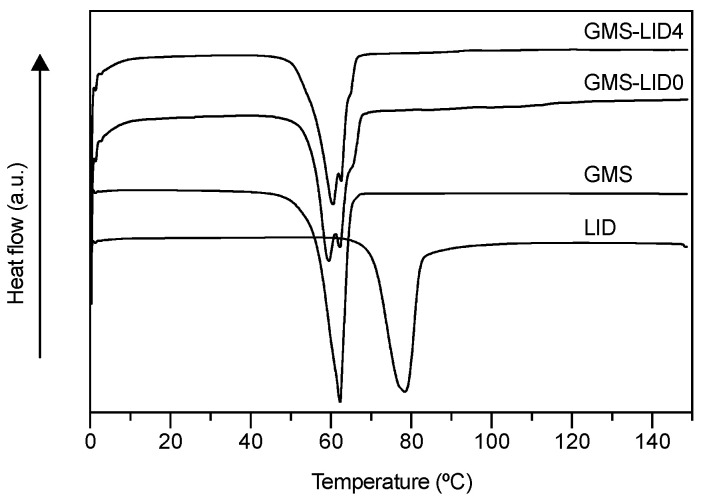
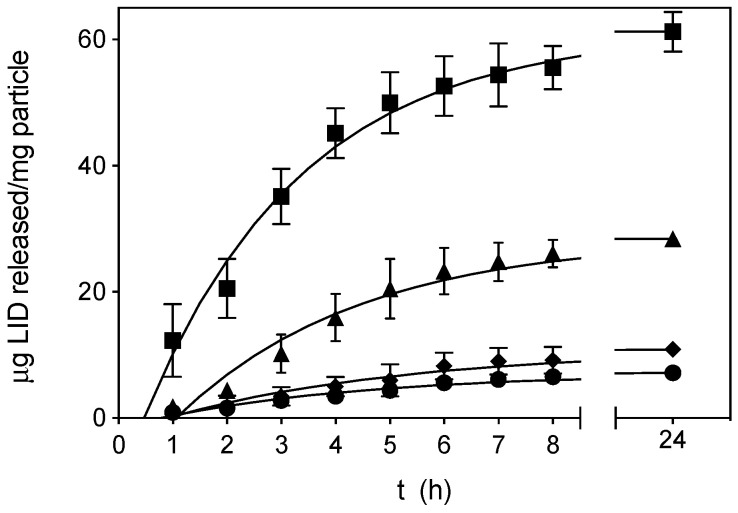
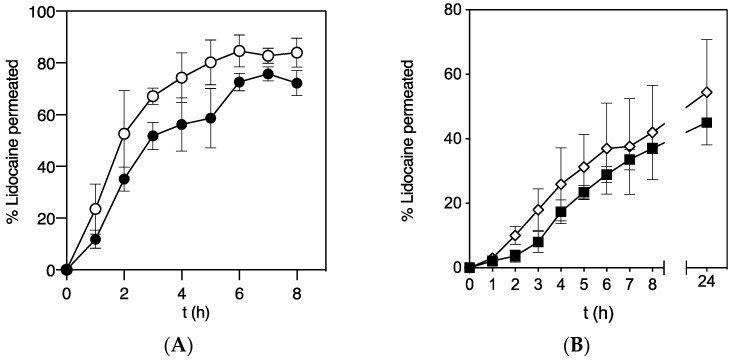
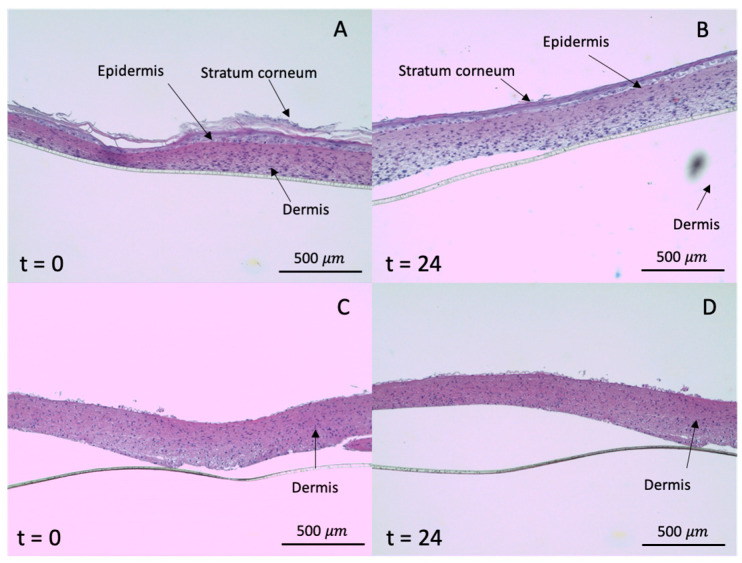
The delivery of bioactive agents using active wound dressings for the management of pain and infections offers improved performances in the treatment of wound complications. In this work, solid lipid microparticles (SLMPs) loaded with lidocaine hydrochloride (LID) were processed and the formulation was evaluated regarding its ability to deliver the drug at the wound site and through the skin barrier. The SLMPs of glyceryl monostearate (GMS) were prepared with different LID contents (0, 1, 2, 4, and 10 wt.%) using the solvent-free and one-step PGSS (Particles from Gas-Saturated Solutions) technique. PGSS exploits the use of supercritical CO (scCO) as a plasticizer for lipids and as pressurizing agent for the atomization of particles. The SLMPs were characterized in terms of shape, size, and morphology (SEM), physicochemical properties (ATR-IR, XRD), and drug content and release behavior. An in vitro test for the evaluation of the influence of the wound environment on the LID release rate from SLMPs was studied using different bioengineered human skin substitutes obtained by 3D-bioprinting. Finally, the antimicrobial activity of the SLMPs was evaluated against three relevant bacteria in wound infections (, and ). SLMPs processed with 10 wt.% of LID showed a remarkable performance to provide effective doses for pain relief and preventive infection effects.
使用活性伤口敷料递送生物活性剂来管理疼痛和感染,在伤口并发症的治疗中具有更好的效果。在这项工作中,制备了负载盐酸利多卡因(LID)的固体脂质微粒(SLMPs),并评估了该制剂在伤口部位和透过皮肤屏障递送药物的能力。使用无溶剂一步法PGSS(气体饱和溶液法制备颗粒)技术,制备了含有不同LID含量(0、1、2、4和10 wt.%)的单硬脂酸甘油酯(GMS)的SLMPs。PGSS利用超临界CO(scCO)作为脂质的增塑剂和颗粒雾化的加压剂。对SLMPs的形状、大小和形态(扫描电子显微镜)、物理化学性质(衰减全反射红外光谱、X射线衍射)以及药物含量和释放行为进行了表征。使用通过3D生物打印获得的不同生物工程人体皮肤替代品,研究了评估伤口环境对LID从SLMPs释放速率影响的体外试验。最后,评估了SLMPs对伤口感染中三种相关细菌(、和)的抗菌活性。用10 wt.%的LID处理的SLMPs表现出显著的性能,能提供有效剂量用于缓解疼痛和预防感染。