Molecular Virology Laboratory, Department of Medical Microbiology, Leiden University Medical Center, Leiden, The Netherlands.
Molecular Virology Laboratory, Department of Medical Microbiology, Leiden University Medical Center, Leiden, The Netherlands
J Virol. 2020 Nov 9;94(23). doi: 10.1128/JVI.01246-20.
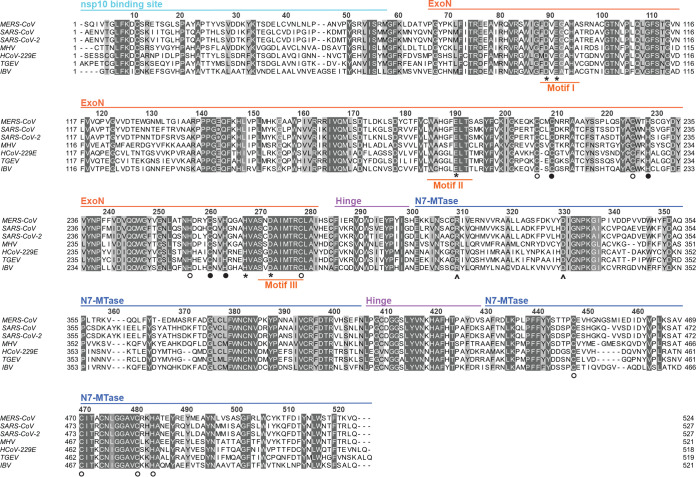
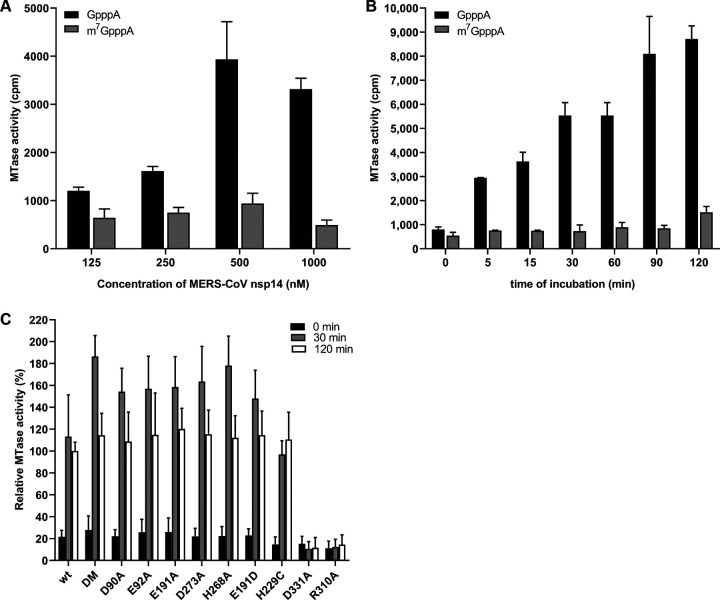
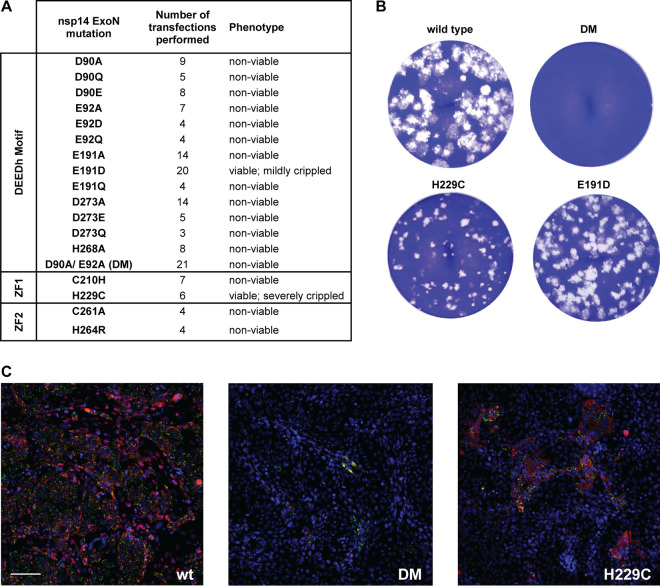
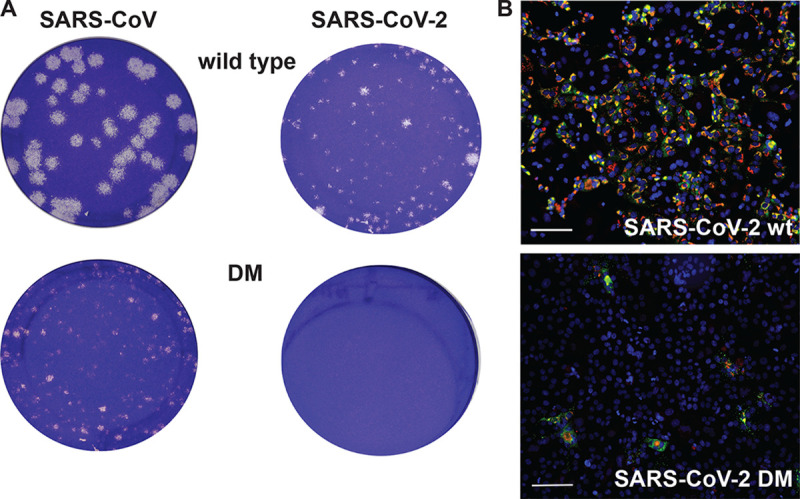
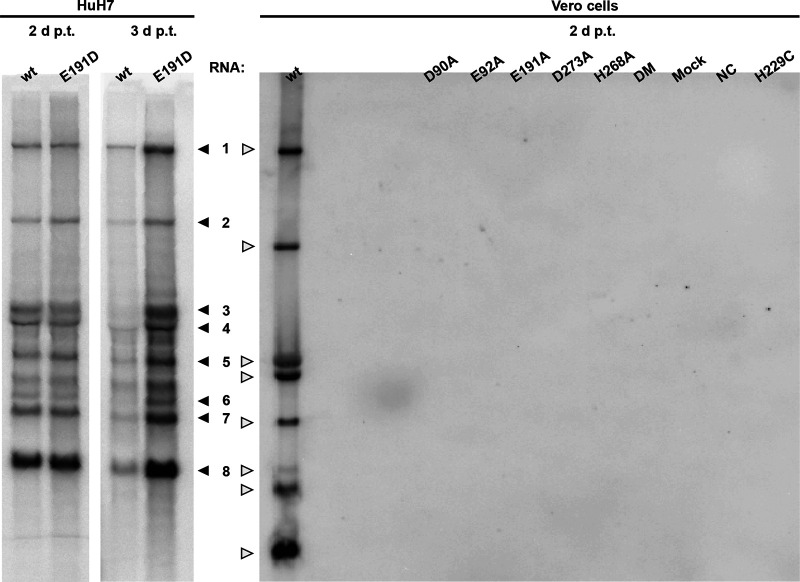
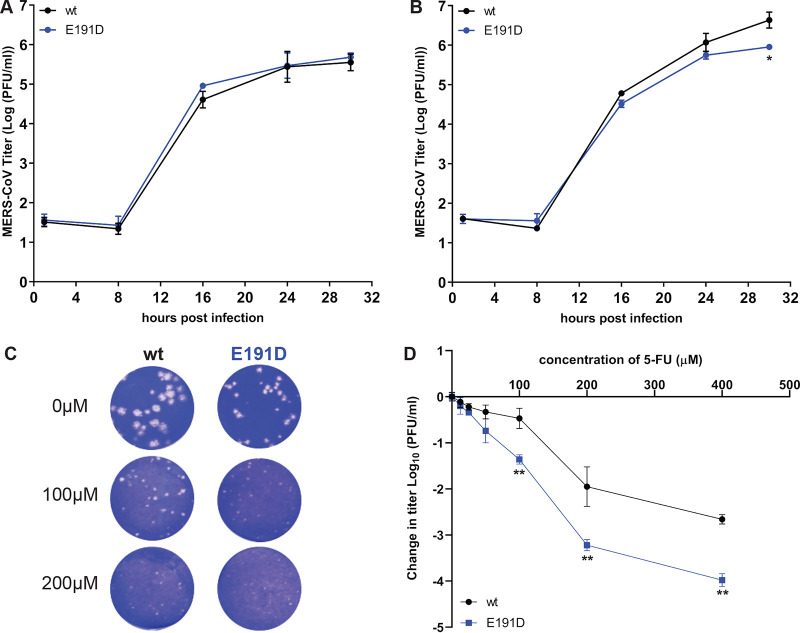
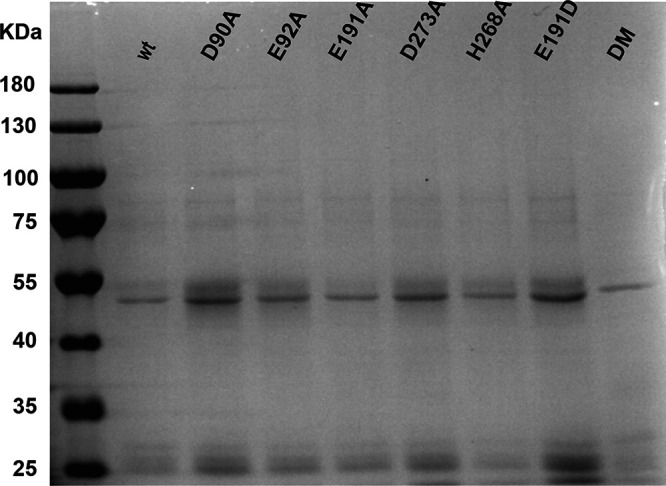
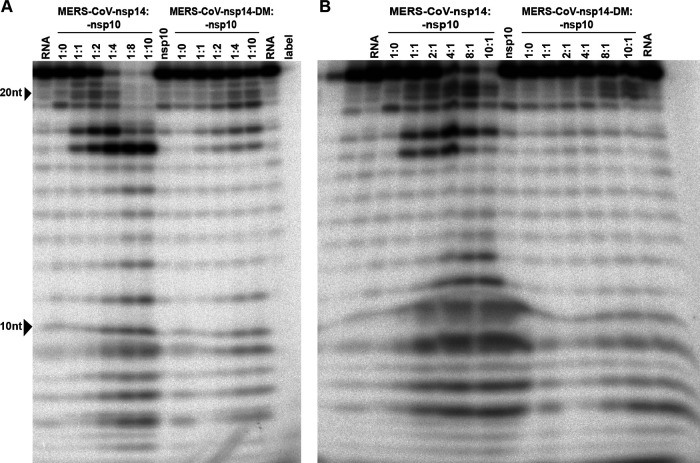
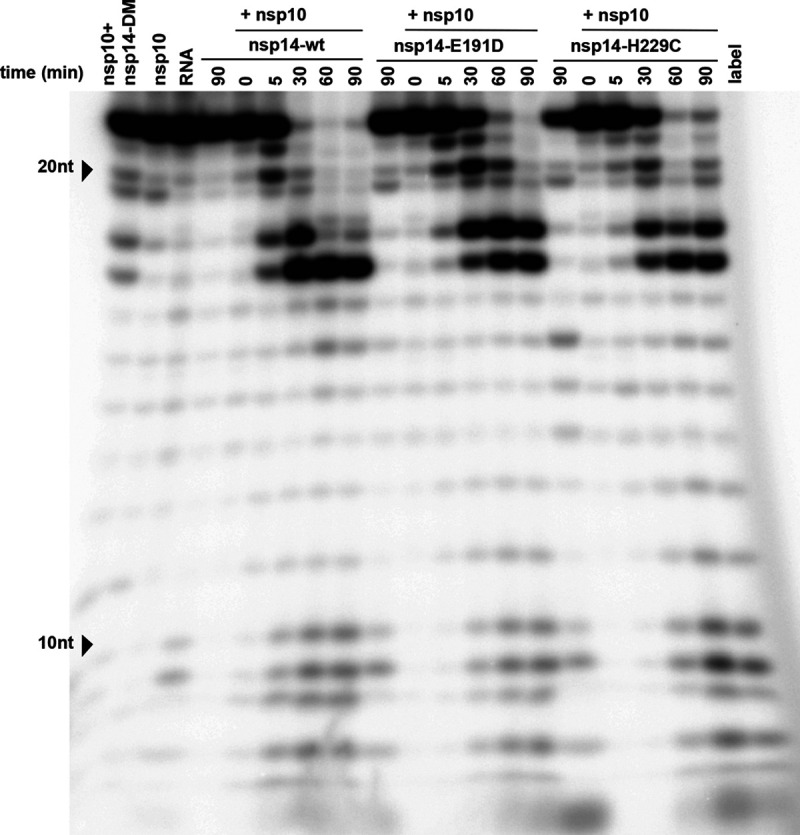
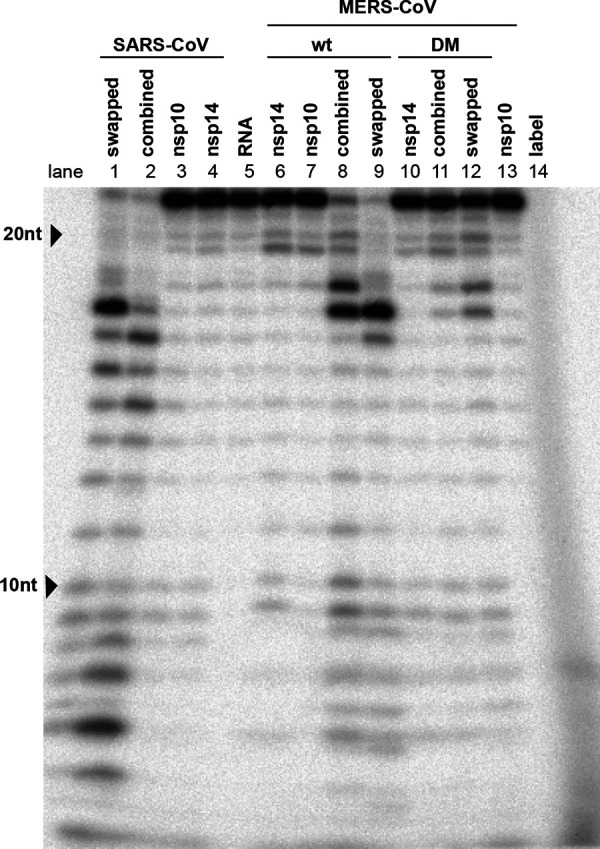
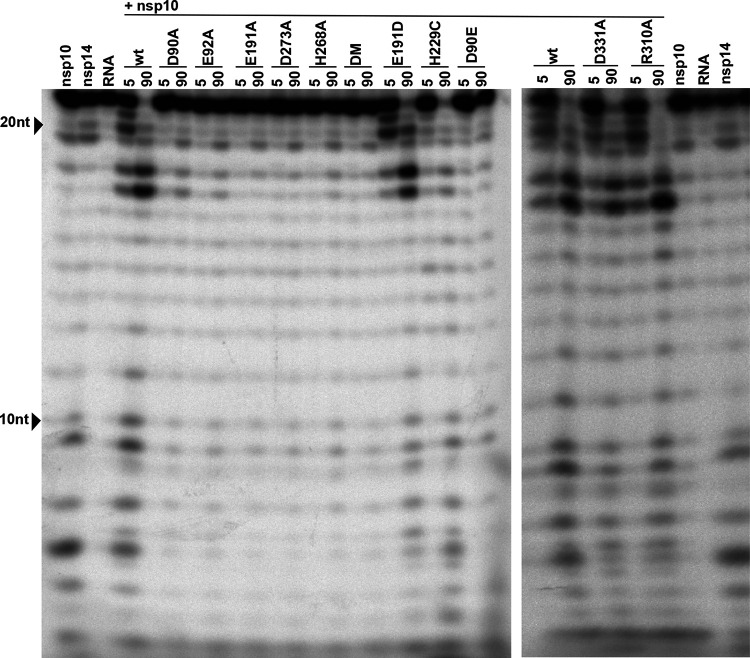
Coronaviruses (CoVs) stand out for their large RNA genome and complex RNA-synthesizing machinery comprising 16 nonstructural proteins (nsps). The bifunctional nsp14 contains 3'-to-5' exoribonuclease (ExoN) and guanine-N7-methyltransferase (N7-MTase) domains. While the latter presumably supports mRNA capping, ExoN is thought to mediate proofreading during genome replication. In line with such a role, ExoN knockout mutants of mouse hepatitis virus (MHV) and severe acute respiratory syndrome coronavirus (SARS-CoV) were previously reported to have crippled but viable hypermutation phenotypes. Remarkably, using reverse genetics, a large set of corresponding ExoN knockout mutations has now been found to be lethal for another betacoronavirus, Middle East respiratory syndrome coronavirus (MERS-CoV). For 13 mutants, viral progeny could not be recovered, unless-as happened occasionally-reversion had first occurred. Only a single mutant was viable, likely because its E191D substitution is highly conservative. Remarkably, a SARS-CoV-2 ExoN knockout mutant was found to be unable to replicate, resembling observations previously made for alpha- and gammacoronaviruses, but starkly contrasting with the documented phenotype of ExoN knockout mutants of the closely related SARS-CoV. Subsequently, we established assays with purified recombinant MERS-CoV nsp14 to monitor its ExoN and N7-MTase activities. All ExoN knockout mutations that proved lethal in reverse genetics were found to severely decrease ExoN activity while not affecting N7-MTase activity. Our study strongly suggests that CoV nsp14 ExoN has an additional function, which apparently is critical for primary viral RNA synthesis and thus differs from the proofreading function that, based on previous MHV and SARS-CoV studies, was proposed to boost longer-term replication fidelity. The bifunctional nsp14 subunit of the coronavirus replicase contains 3'-to-5' exoribonuclease (ExoN) and guanine-N7-methyltransferase domains. For the betacoronaviruses MHV and SARS-CoV, ExoN was reported to promote the fidelity of genome replication, presumably by mediating a form of proofreading. For these viruses, ExoN knockout mutants are viable while displaying an increased mutation frequency. Strikingly, we have now established that the equivalent ExoN knockout mutants of two other betacoronaviruses, MERS-CoV and SARS-CoV-2, are nonviable, suggesting an additional and critical ExoN function in their replication. This is remarkable in light of the very limited genetic distance between SARS-CoV and SARS-CoV-2, which is highlighted, for example, by 95% amino acid sequence identity in their nsp14 sequences. For (recombinant) MERS-CoV nsp14, both its enzymatic activities were evaluated using newly developed assays that can be used to characterize these key replicative enzymes in more detail and explore their potential as target for antiviral drug development.
冠状病毒 (CoVs) 以其大型 RNA 基因组和包含 16 种非结构蛋白 (nsps) 的复杂 RNA 合成机制而闻名。具有双重功能的 nsp14 包含 3' 到 5' 的外切核糖核酸酶 (ExoN) 和鸟嘌呤-N7-甲基转移酶 (N7-MTase) 结构域。虽然后者可能支持 mRNA 加帽,但 ExoN 被认为在基因组复制过程中发挥校对作用。与这种作用一致,先前已经报道了鼠肝炎病毒 (MHV) 和严重急性呼吸系统综合征冠状病毒 (SARS-CoV) 的 ExoN 敲除突变体具有严重但仍具有活力的高突变表型。值得注意的是,使用反向遗传学,现在已经发现了大量对应的 ExoN 敲除突变体对于另一种β冠状病毒中东呼吸综合征冠状病毒 (MERS-CoV) 是致命的。对于 13 种突变体,无法回收病毒产物,除非偶尔发生回复。只有一个突变体具有活力,可能是因为其 E191D 取代非常保守。值得注意的是,发现 SARS-CoV-2 的 ExoN 敲除突变体无法复制,这与先前针对α和γ冠状病毒所观察到的结果相似,但与密切相关的 SARS-CoV 的 ExoN 敲除突变体的记录表型形成鲜明对比。随后,我们建立了使用纯化的重组 MERS-CoV nsp14 的测定法来监测其 ExoN 和 N7-MTase 活性。在反向遗传学中证明致命的所有 ExoN 敲除突变都被发现严重降低了 ExoN 活性,而不影响 N7-MTase 活性。我们的研究强烈表明,CoV nsp14 ExoN 具有额外的功能,显然对初级病毒 RNA 合成至关重要,因此与先前基于 MHV 和 SARS-CoV 研究提出的提高长期复制保真度的校对功能不同。冠状病毒复制酶的双功能 nsp14 亚基包含 3' 到 5' 的外切核糖核酸酶 (ExoN) 和鸟嘌呤-N7-甲基转移酶结构域。对于β冠状病毒 MHV 和 SARS-CoV,据报道 ExoN 可通过介导某种形式的校对来促进基因组复制的保真度。对于这些病毒,ExoN 敲除突变体具有活力,同时显示出增加的突变频率。令人惊讶的是,我们现在已经确定,两种其他β冠状病毒,MERS-CoV 和 SARS-CoV-2 的等效 ExoN 敲除突变体是不可存活的,这表明它们的复制中存在额外的关键 ExoN 功能。这在 SARS-CoV 和 SARS-CoV-2 之间非常有限的遗传距离下是显著的,例如,它们的 nsp14 序列中 95%的氨基酸序列同一性突出了这一点。对于 (重组) MERS-CoV nsp14,我们使用新开发的测定法评估了其两种酶活性,这些测定法可用于更详细地表征这些关键复制酶,并探索它们作为抗病毒药物开发靶点的潜力。