Di Emidio Giovanna, Rea Francesco, Placidi Martina, Rossi Giulia, Cocciolone Domenica, Virmani Ashraf, Macchiarelli Guido, Palmerini Maria Grazia, D'Alessandro Anna Maria, Artini Paolo Giovanni, Tatone Carla
Department of Life, Health and Environmental Sciences, University of L'Aquila, 67100 L'Aquila, Italy.
Infertility Service, San Salvatore Hospital, 67100 L'Aquila, Italy.
Antioxidants (Basel). 2020 Sep 15;9(9):867. doi: 10.3390/antiox9090867.
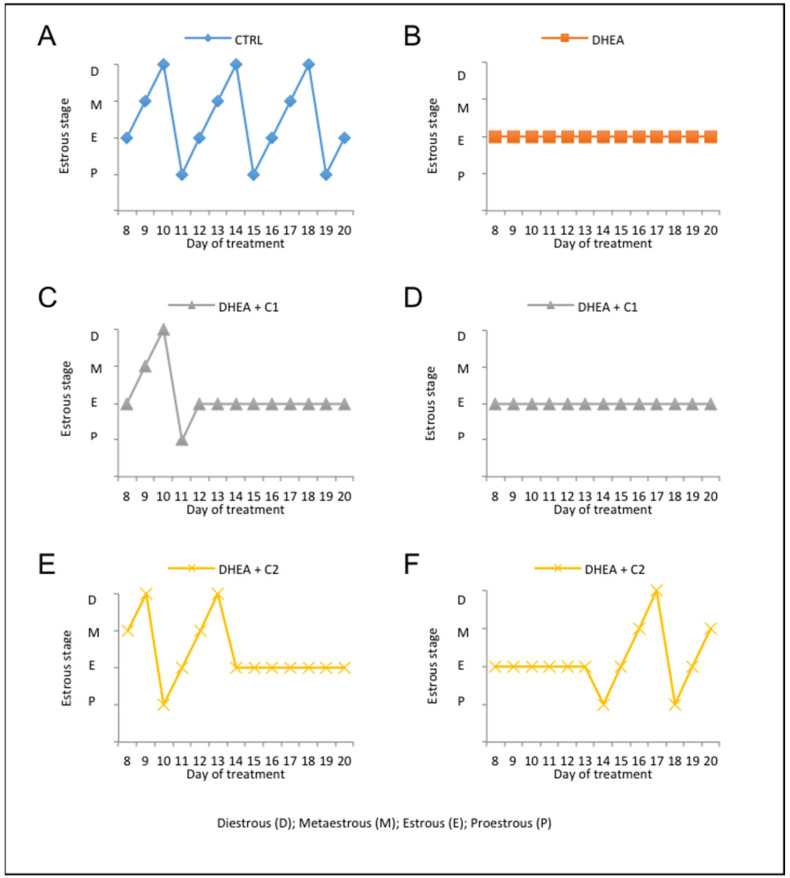
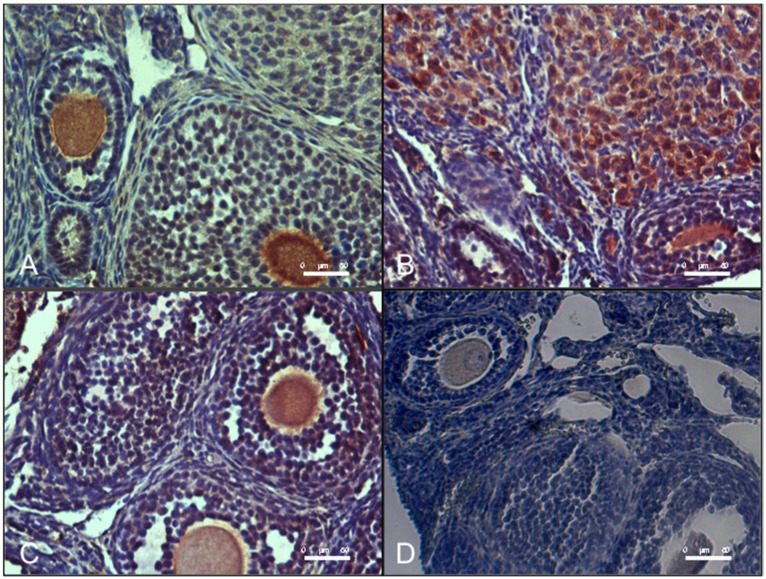
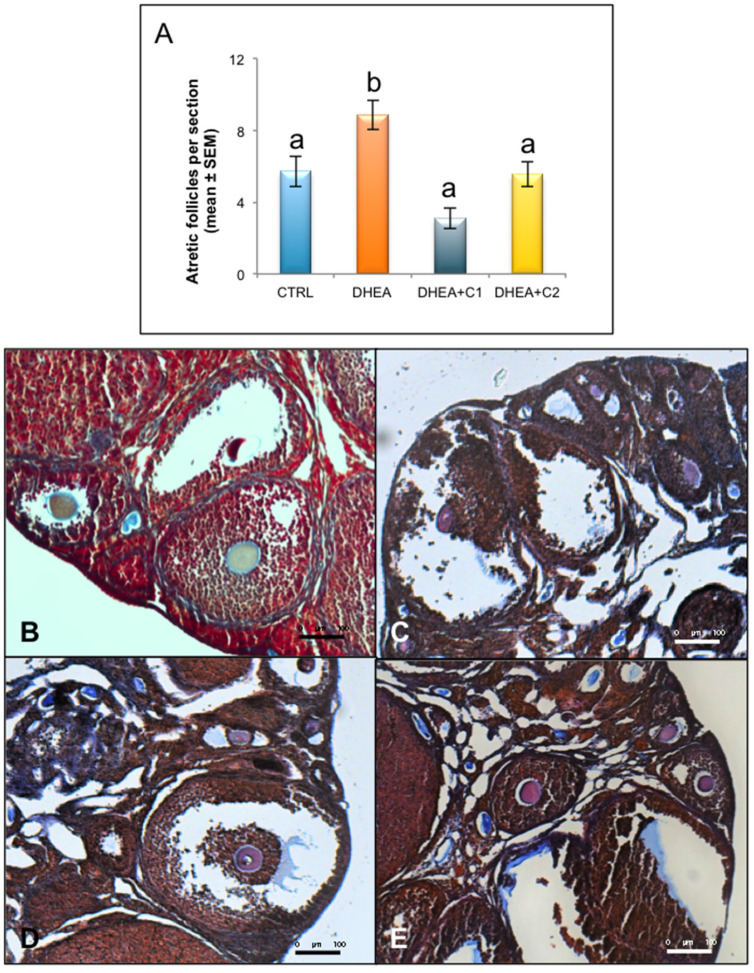
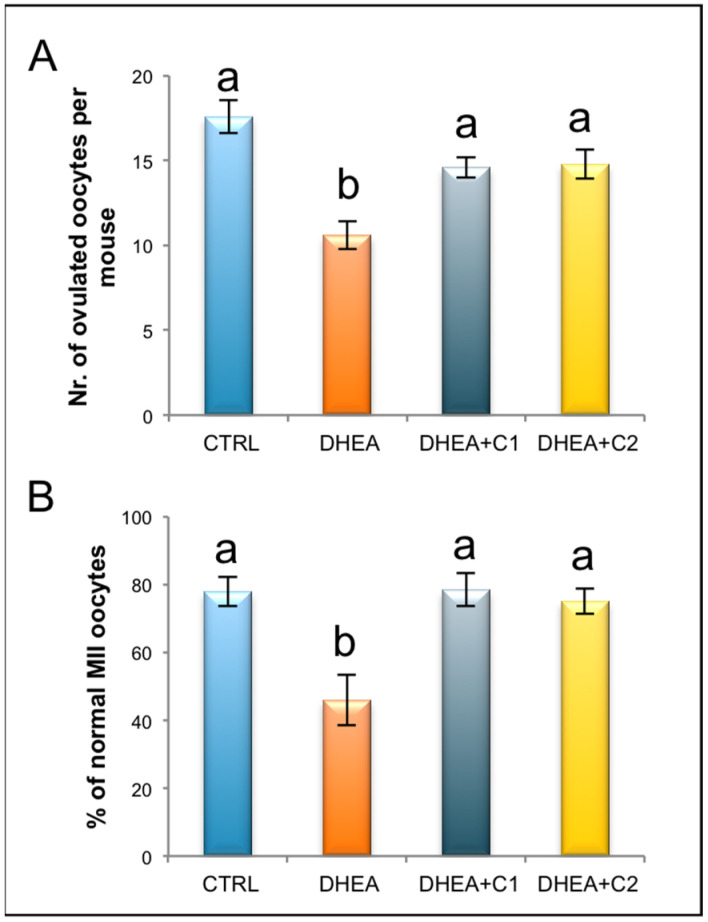
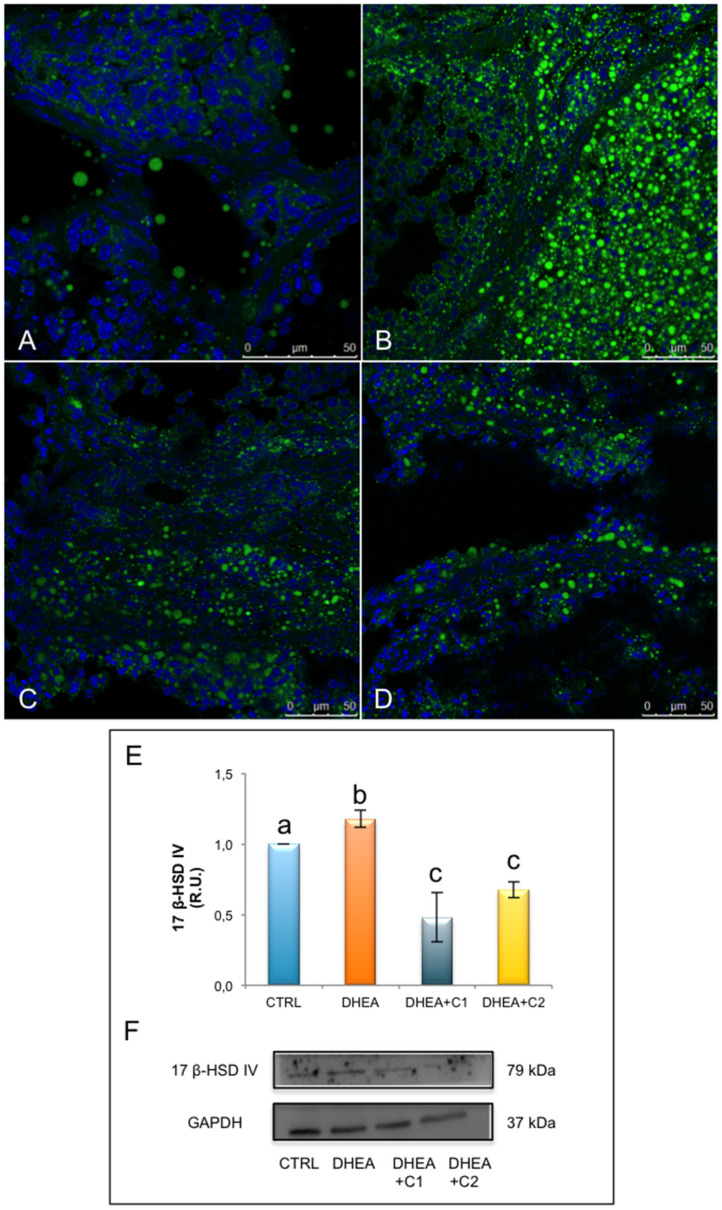
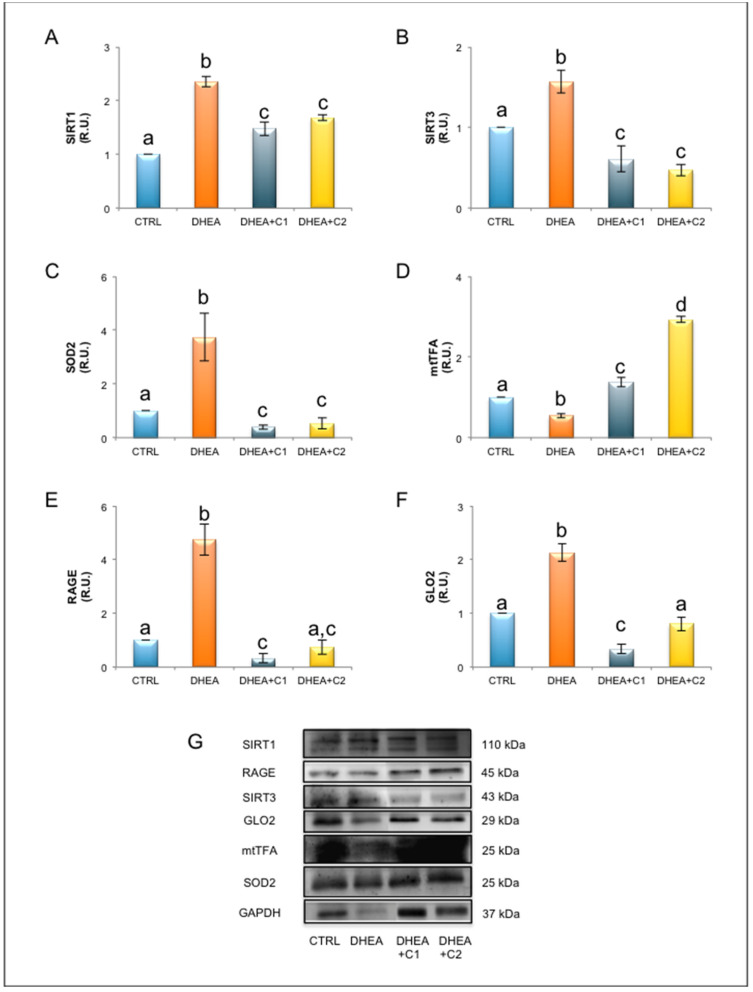
Polycystic ovary syndrome (PCOS) is a complex metabolic disorder associated with female infertility. Based on energy and antioxidant regulatory functions of carnitines, we investigated whether acyl-L-carnitines improve PCOS phenotype in a mouse model induced by dehydroepiandrosterone (DHEA). CD1 mice received DHEA for 20 days along with two different carnitine formulations: one containing L-carnitine (LC) and acetyl-L-carnitine (ALC), and the other one containing also propionyl-L-carnitine (PLC). We evaluated estrous cyclicity, testosterone level, ovarian follicle health, ovulation rate and oocyte quality, collagen deposition, lipid droplets, and 17ß-HSD IV (17 beta-hydroxysteroid dehydrogenase type IV) expression. Moreover, we analyzed protein expression of SIRT1, SIRT3, SOD2 (superoxide dismutase 2), mitochondrial transcriptional factor A (mtTFA), RAGE (receptor for AGEs), GLO2 (glyoxalase 2) and ovarian accumulation of MG-AGEs (advanced glycation end-products formed by methylglyoxal). Both carnitine formulations ameliorated ovarian PCOS phenotype and positively modulated antioxidant molecular pathways in the ovarian microenvironment. Addition of PLC to LC-ALC formulation mitigated intraovarian MG-AGE accumulation and increased mtTFA expression. In conclusion, our study supports the hypothesis that oral administration of acyl-L-carnitines alleviates ovarian dysfunctions associated with this syndrome and that co-administration of PLC provides better activity. Molecular mechanisms underlying these effects include anti-oxidant/glycative activity and potentiation of mitochondria.
多囊卵巢综合征(PCOS)是一种与女性不孕相关的复杂代谢紊乱疾病。基于肉碱的能量和抗氧化调节功能,我们研究了酰基-L-肉碱是否能改善由脱氢表雄酮(DHEA)诱导的小鼠模型中的PCOS表型。CD1小鼠接受DHEA处理20天,并同时给予两种不同的肉碱制剂:一种含有L-肉碱(LC)和乙酰-L-肉碱(ALC),另一种还含有丙酰-L-肉碱(PLC)。我们评估了发情周期、睾酮水平、卵巢卵泡健康状况、排卵率和卵母细胞质量、胶原蛋白沉积、脂滴以及17β-羟类固醇脱氢酶IV(17ß-HSD IV)的表达。此外,我们分析了沉默信息调节因子1(SIRT1)、沉默信息调节因子3(SIRT3)、超氧化物歧化酶2(SOD2)、线粒体转录因子A(mtTFA)、晚期糖基化终产物受体(RAGE)、乙二醛酶2(GLO2)的蛋白表达以及卵巢中甲基乙二醛形成的晚期糖基化终产物(MG-AGEs)的积累情况。两种肉碱制剂均改善了卵巢PCOS表型,并对卵巢微环境中的抗氧化分子途径产生了积极调节作用。在LC-ALC制剂中添加PLC可减轻卵巢内MG-AGEs的积累并增加mtTFA的表达。总之,我们的研究支持以下假设:口服酰基-L-肉碱可减轻与该综合征相关的卵巢功能障碍,并且PLC的联合给药具有更好的活性。这些作用的分子机制包括抗氧化/抗糖基化活性和线粒体增强作用。