Research Center for Emerging Viral Infections, College of Medicine, Chang Gung University, Kwei-Shan, Tao-Yuan, Taiwan.
Department of Medical Biotechnology and Laboratory Science, College of Medicine, Chang Gung University, Kwei-Shan, Tao-Yuan, Taiwan.
Sci Rep. 2020 Sep 17;10(1):15234. doi: 10.1038/s41598-020-71970-3.
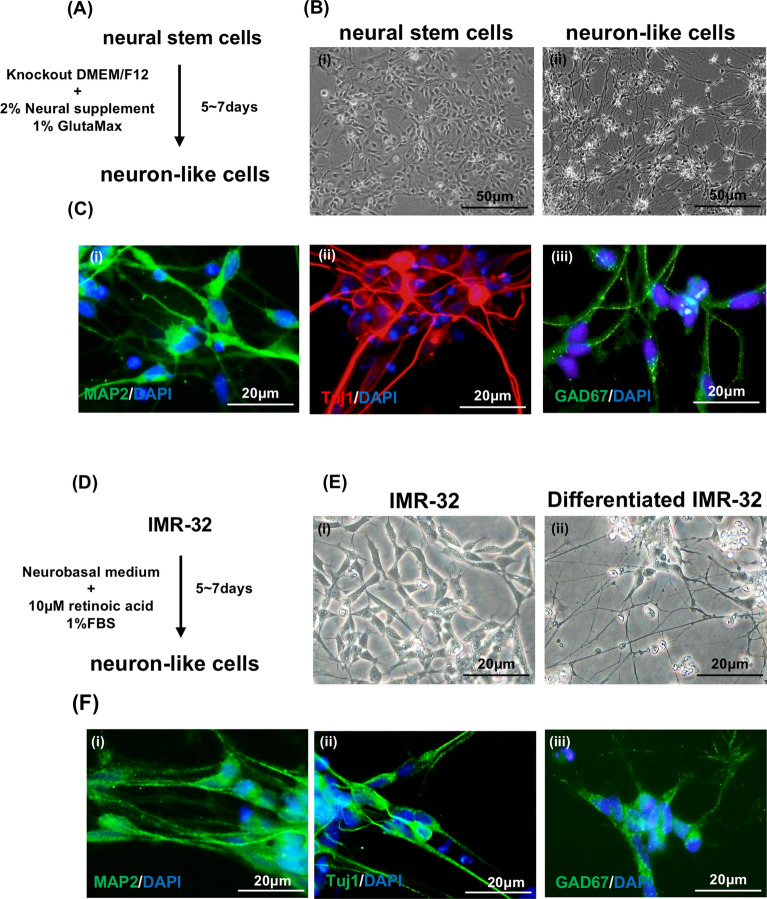
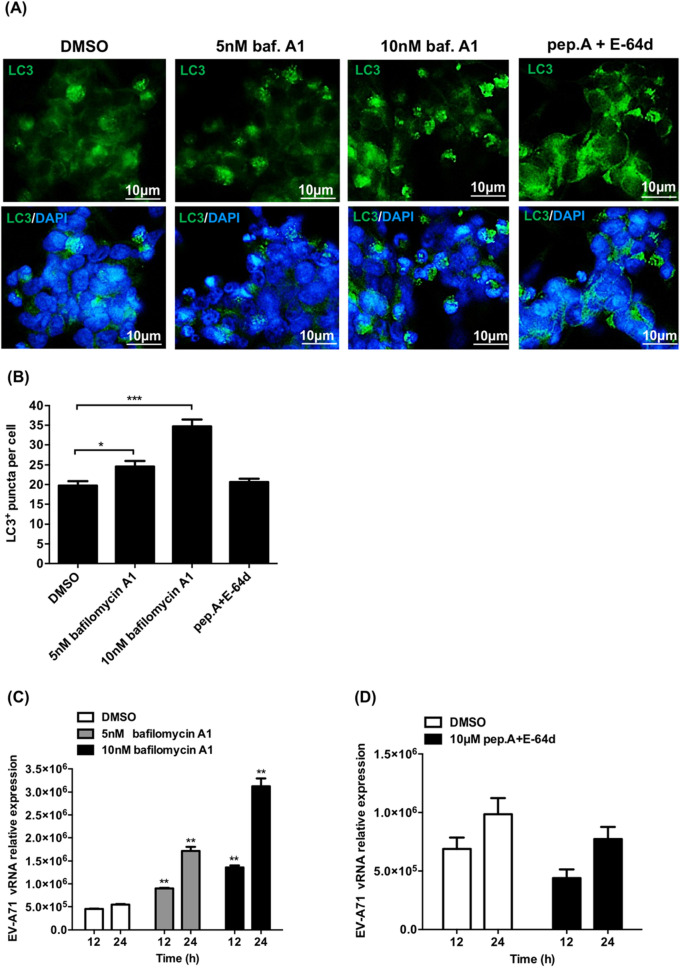
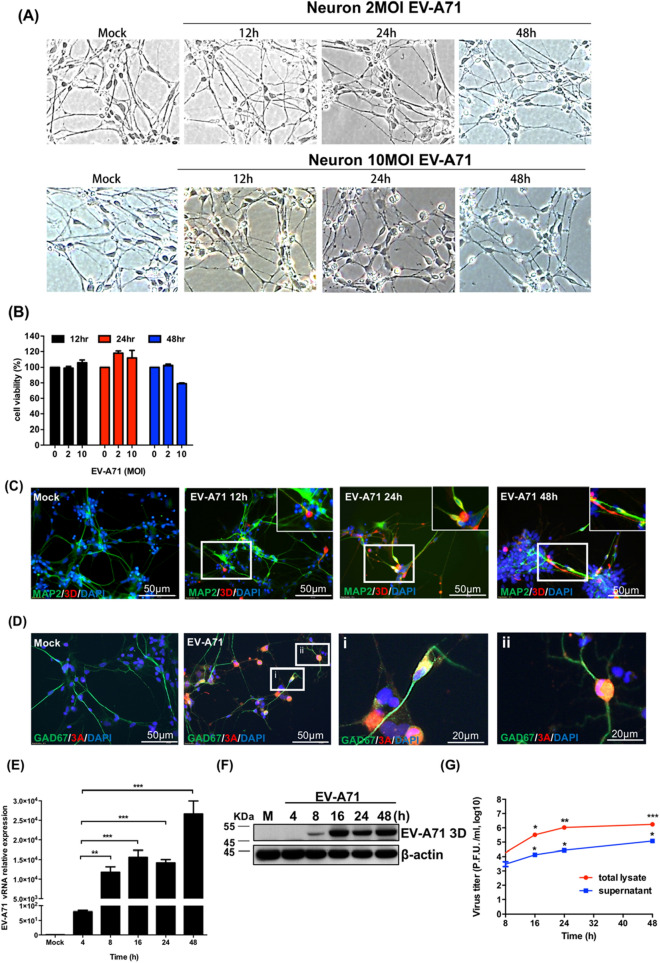
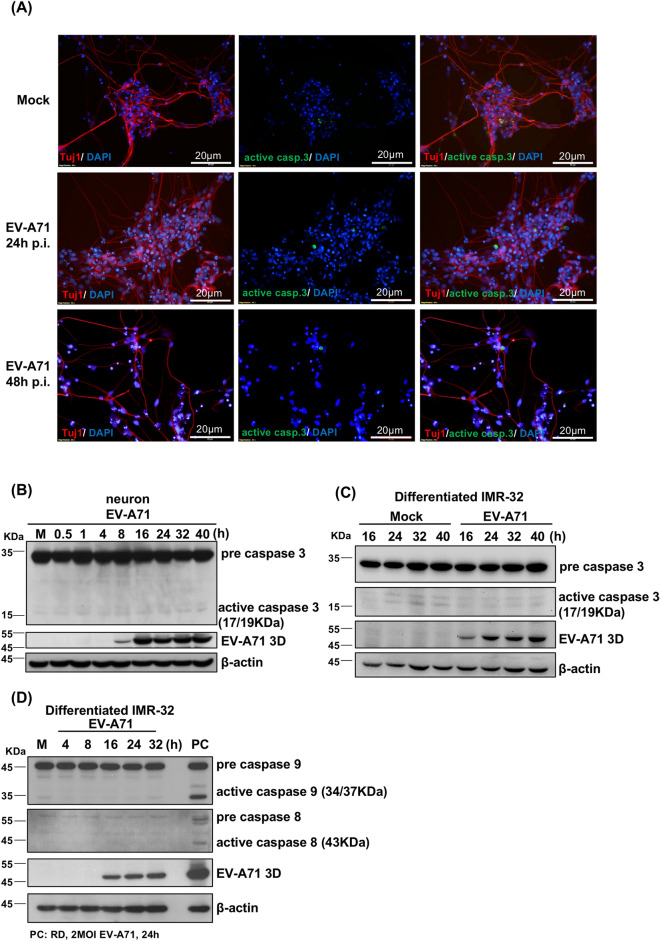
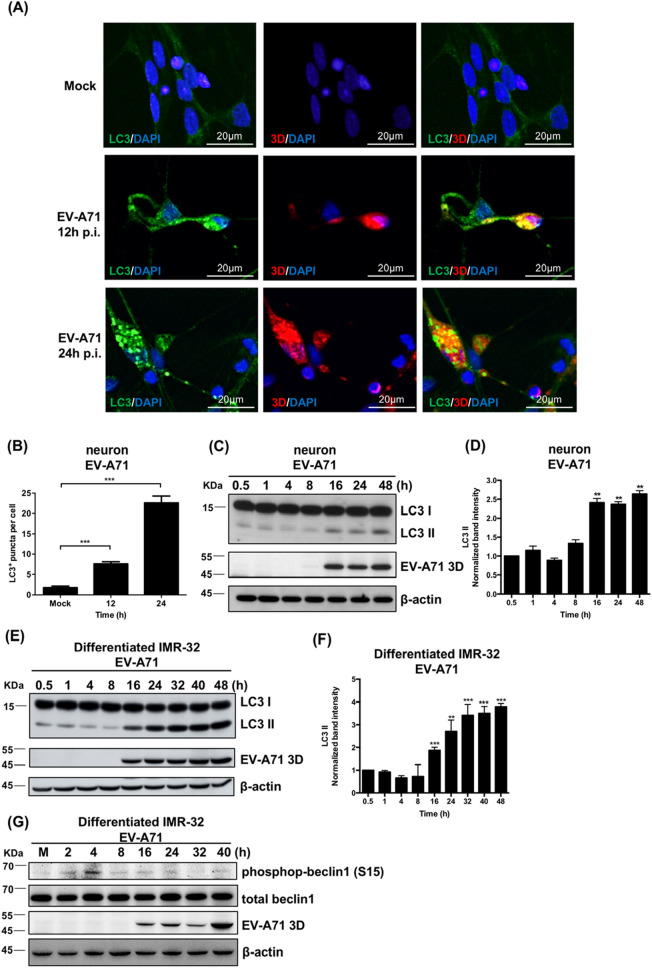
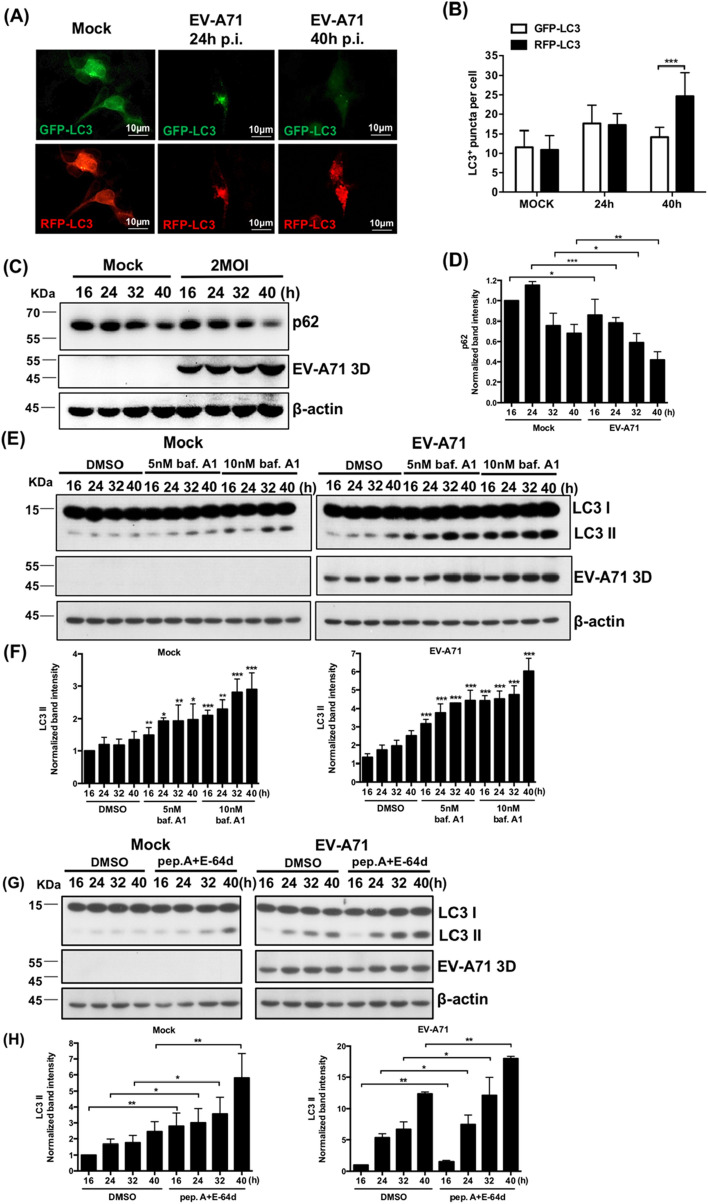
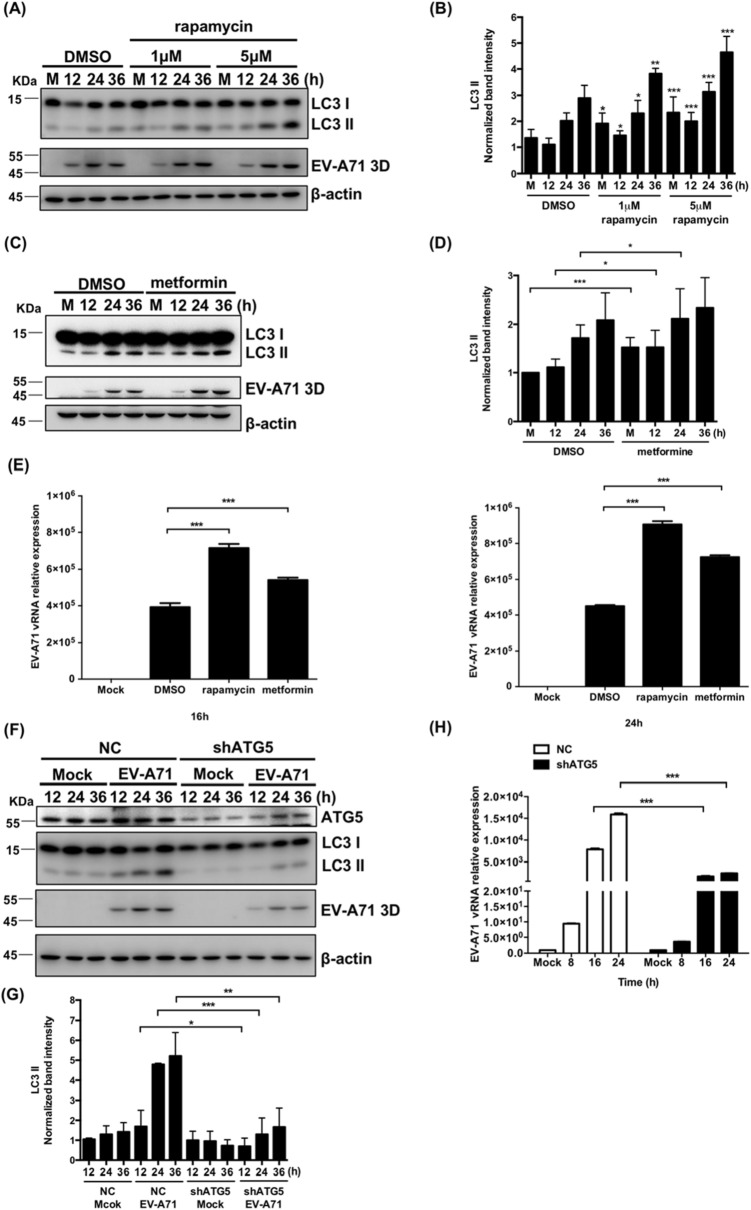
Enterovirus A71 (EV-A71), which belongs to the family Picornaviridae, can invade the central nervous system (CNS) and cause severe CNS complications or death. The EV-A71 antigen has been detected in the neurons in the brains of humans who died from EV-A71 infection. However, the effect of EV-A71 infection on human neuronal cells remains poorly understood. Human neural stem cells (NSCs) and IMR-32 neuroblastoma cells were differentiated into neuronal cells for this study. Although the neuronal cells were permissive to EV-A71 infection, EV-A71 infection did not induce an obvious cytopathic effect on the neuronal cells. EV-A71 infection did not induce apoptosis in neuronal cells. However, autophagy and autophagic flux were induced in EV-A71-infected neuronal cells. The production of autophagosomes was shown to be important for EV-A71 viral RNA (vRNA) replication in neuronal cells.
肠道病毒 A71(EV-A71)属于小 RNA 病毒科,可侵犯中枢神经系统(CNS)并导致严重的 CNS 并发症或死亡。在死于 EV-A71 感染的人类大脑神经元中已检测到 EV-A71 抗原。然而,EV-A71 感染对人类神经元细胞的影响仍知之甚少。本研究中将人神经干细胞(NSCs)和 IMR-32 神经母细胞瘤细胞分化为神经元细胞。尽管神经元细胞允许 EV-A71 感染,但 EV-A71 感染并未在神经元细胞上引起明显的致病变效应。EV-A71 感染不会诱导神经元细胞凋亡。然而,在 EV-A71 感染的神经元细胞中诱导了自噬和自噬流。显示自噬体的产生对于神经元细胞中的 EV-A71 病毒 RNA(vRNA)复制很重要。