Renal Division, Peking University First Hospital, Peking University Institute of Nephrology, Beijing, 100034, People's Republic of China.
Key Laboratory of Renal Disease, Ministry of Health of China, Beijing, 100034, People's Republic of China.
Stem Cell Res Ther. 2020 Sep 23;11(1):410. doi: 10.1186/s13287-020-01917-y.
Acute kidney injury (AKI) is a common clinical disease with complex pathophysiology and limited therapeutic choices. This prompts the need for novel therapy targeting multiple aspects of this disease. Human amnion epithelial cell (hAEC) is an ideal stem cell source. Increasing evidence suggests that exosomes may act as critical cell-cell communicators. Accordingly, we assessed the therapeutic potential of hAECs and their derived exosomes (hAECs-EXO) in ischemia reperfusion mouse model of AKI and explored the underlying mechanisms.
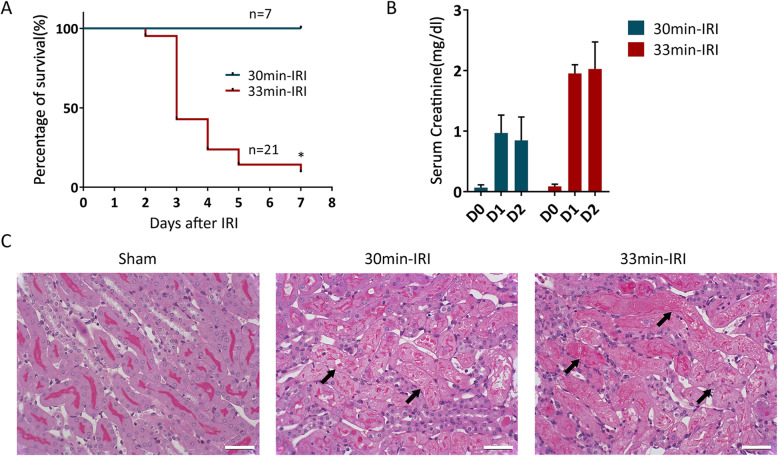
The hAECs were primary cultured, and hAECs-EXO were isolated and characterized. An ischemic-reperfusion injury-induced AKI (IRI-AKI) mouse model was established to mimic clinical ischemic kidney injury with different disease severity. Mouse blood creatinine level was used to assess renal function, and kidney specimens were processed to detect cell proliferation, apoptosis, and capillary density. Macrophage infiltration was analyzed by flow cytometry. hAEC-derived exosomes (hAECs-EXO) were used to treat hypoxia-reoxygenation (H/R) injured HK-2 cells and mouse bone marrow-derived macrophages to evaluate their protective effect in vitro. Furthermore, hAECs-EXO were subjected to liquid chromatography-tandem mass spectrometry for proteomic profiling.
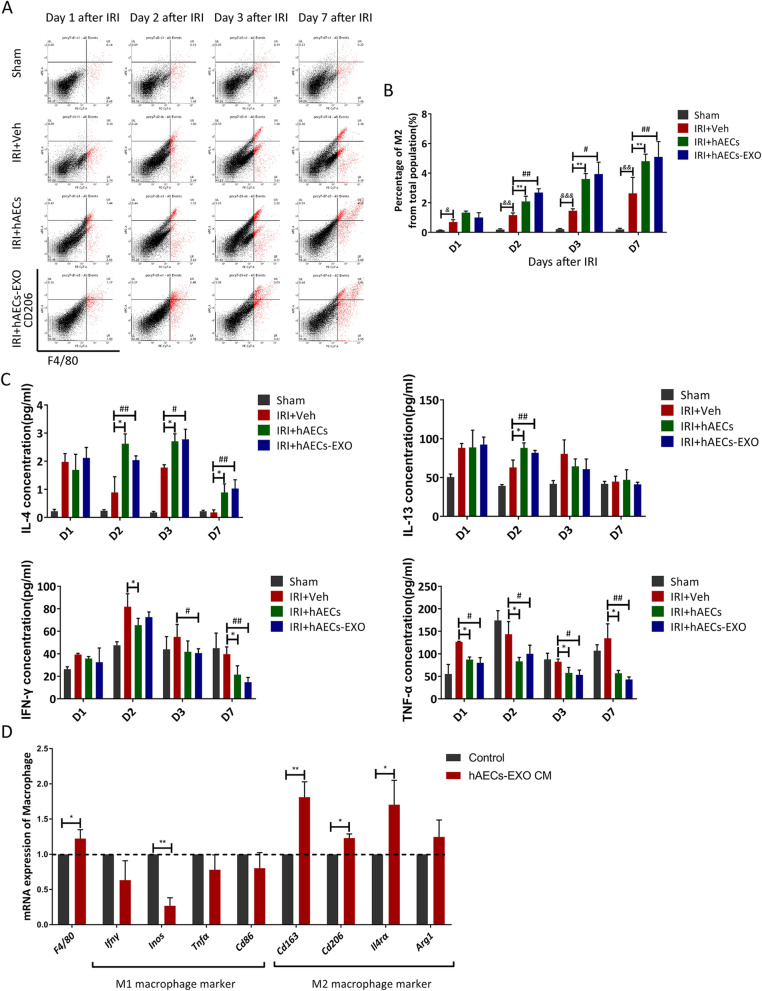
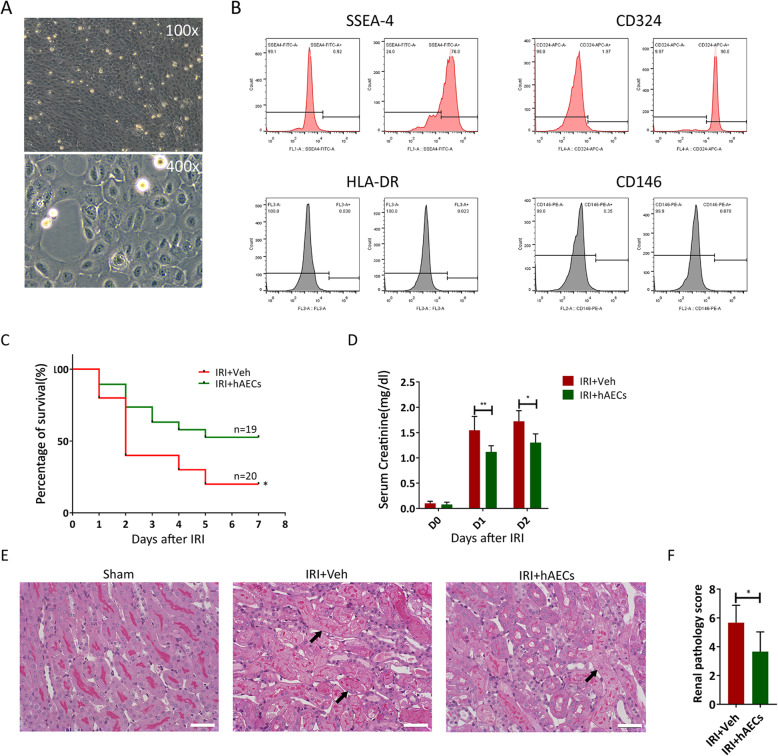
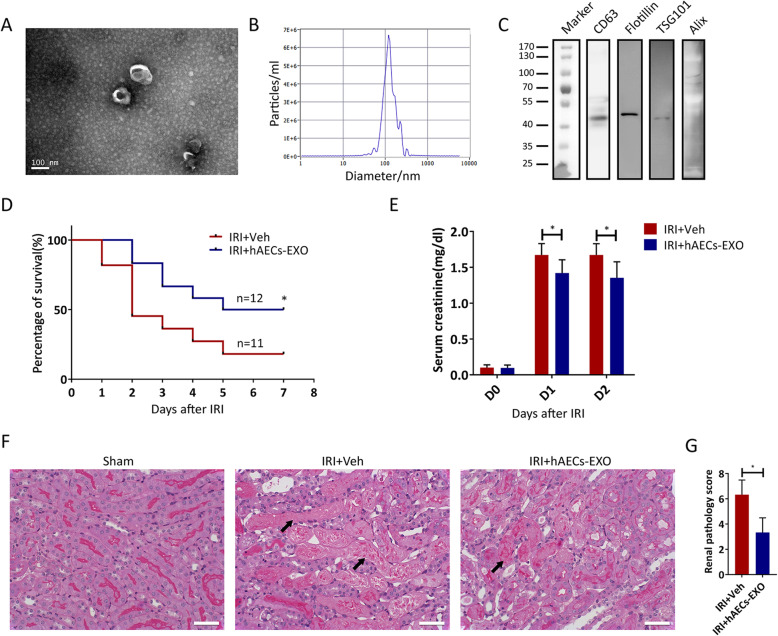
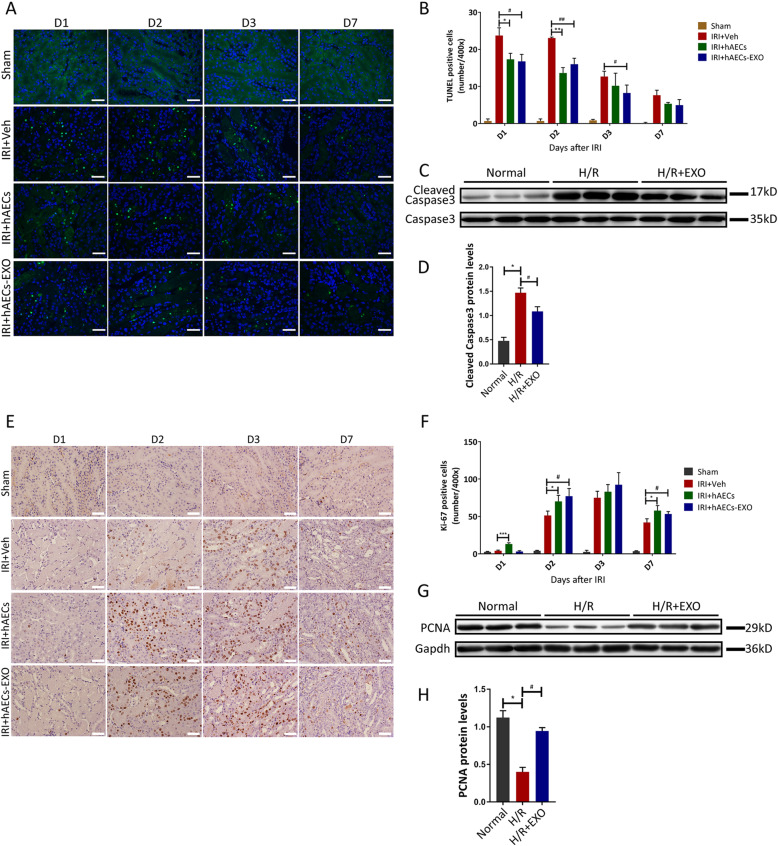
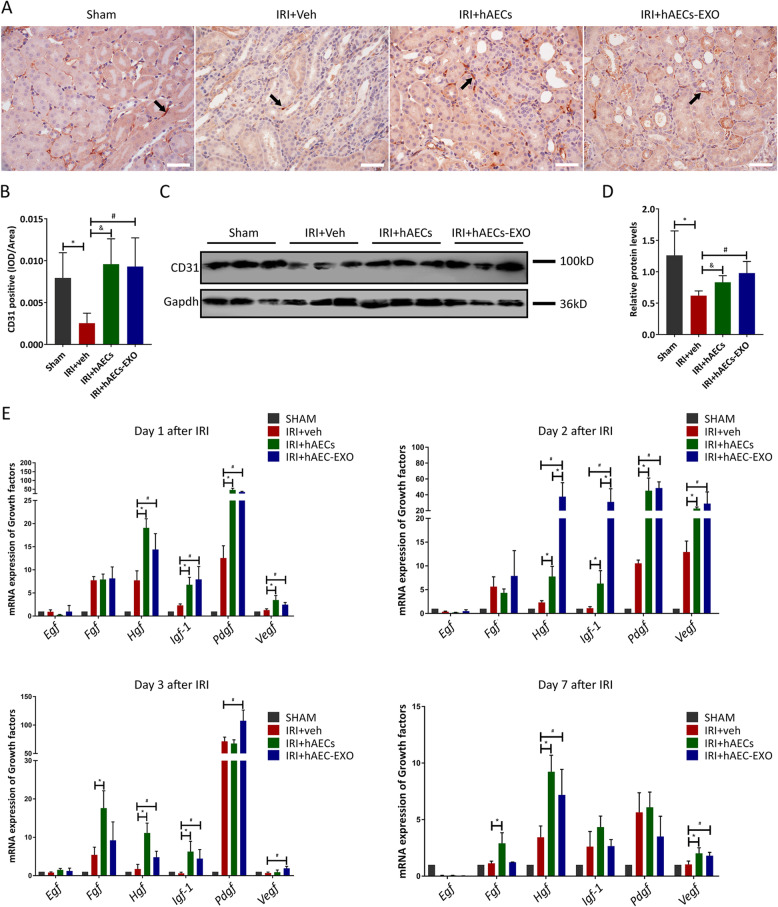
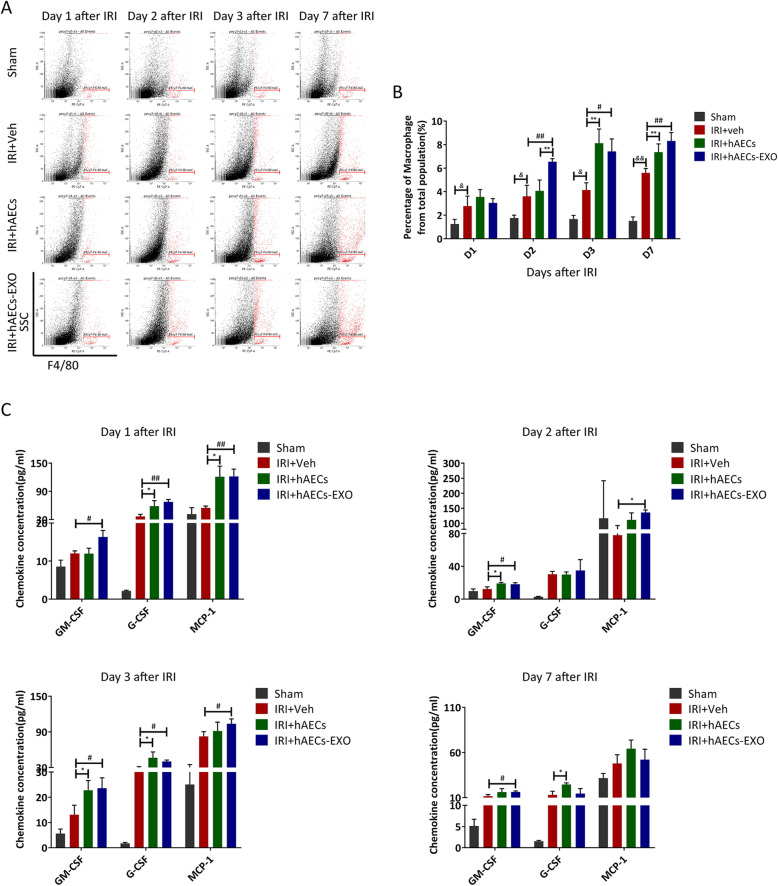
We found that systematically administered hAECs could improve mortality and renal function in IRI-AKI mice, decrease the number of apoptotic cells, prevent peritubular capillary loss, and modulate kidney local immune response. However, hAECs showed very low kidney tissue integration. Exosomes isolated from hAECs recapitulated the renal protective effects of their source cells. In vitro, hAECs-EXO protected HK-2 cells from H/R injury-induced apoptosis and promoted bone marrow-derived macrophage polarization toward M2 phenotype. Proteomic analysis on hAECs-EXO revealed proteins involved in extracellular matrix organization, growth factor signaling pathways, cytokine production, and immunomodulation. These findings demonstrated that paracrine of exosomes might be the key mechanism of hAECs in alleviating renal ischemia reperfusion injury.
We reported hAECs could improve survival and ameliorate renal injury in mice with IRI-AKI. The anti-apoptotic, pro-angiogenetic, and immunomodulatory capabilities of hAECs are at least partially, through paracrine pathways. hAECs-EXO might be a promising clinical therapeutic tool, overcoming the weaknesses and risks associated with the use of native stem cells, for patients with AKI.
急性肾损伤(AKI)是一种常见的临床疾病,具有复杂的病理生理学和有限的治疗选择。这促使我们需要针对这种疾病的多个方面进行新型治疗。人羊膜上皮细胞(hAEC)是一种理想的干细胞来源。越来越多的证据表明,外泌体可能是重要的细胞间通讯者。因此,我们评估了 hAEC 及其衍生的外泌体(hAEC-EXO)在 AKI 缺血再灌注小鼠模型中的治疗潜力,并探讨了其潜在机制。
原代培养 hAEC,分离并鉴定 hAEC-EXO。建立缺血再灌注诱导的 AKI(IRI-AKI)小鼠模型,模拟临床缺血性肾损伤,具有不同的疾病严重程度。通过小鼠血液肌酐水平评估肾功能,并处理肾脏标本检测细胞增殖、凋亡和毛细血管密度。通过流式细胞术分析巨噬细胞浸润。用 hAEC 衍生的外泌体(hAEC-EXO)处理缺氧复氧(H/R)损伤的 HK-2 细胞和小鼠骨髓来源的巨噬细胞,评估其在体外的保护作用。此外,对 hAEC-EXO 进行液相色谱-串联质谱分析以进行蛋白质组学分析。
我们发现,系统给予 hAEC 可改善 IRI-AKI 小鼠的死亡率和肾功能,减少凋亡细胞数量,防止肾小管周围毛细血管丢失,并调节肾脏局部免疫反应。然而,hAEC 仅在非常低的水平整合到肾脏组织中。hAEC 分离的外泌体再现了其来源细胞的肾脏保护作用。在体外,hAEC-EXO 可保护 HK-2 细胞免受 H/R 损伤诱导的凋亡,并促进骨髓来源的巨噬细胞向 M2 表型极化。hAEC-EXO 的蛋白质组学分析显示,外泌体中包含涉及细胞外基质组织、生长因子信号通路、细胞因子产生和免疫调节的蛋白质。这些发现表明,外泌体的旁分泌可能是 hAEC 减轻肾缺血再灌注损伤的关键机制。
我们报道了 hAEC 可提高 IRI-AKI 小鼠的存活率并改善其肾脏损伤。hAEC 的抗凋亡、促血管生成和免疫调节能力至少部分是通过旁分泌途径实现的。hAEC-EXO 可能是一种有前途的临床治疗工具,克服了使用天然干细胞相关的弱点和风险,为 AKI 患者提供了治疗选择。