Department of Immunology and Microbiology, Faculty of Health and Medical Sciences, University of Copenhagen, Copenhagen, Denmark.
Department of Infectious Diseases, Copenhagen University Hospital, Copenhagen, Denmark.
Front Immunol. 2020 Aug 31;11:1836. doi: 10.3389/fimmu.2020.01836. eCollection 2020.
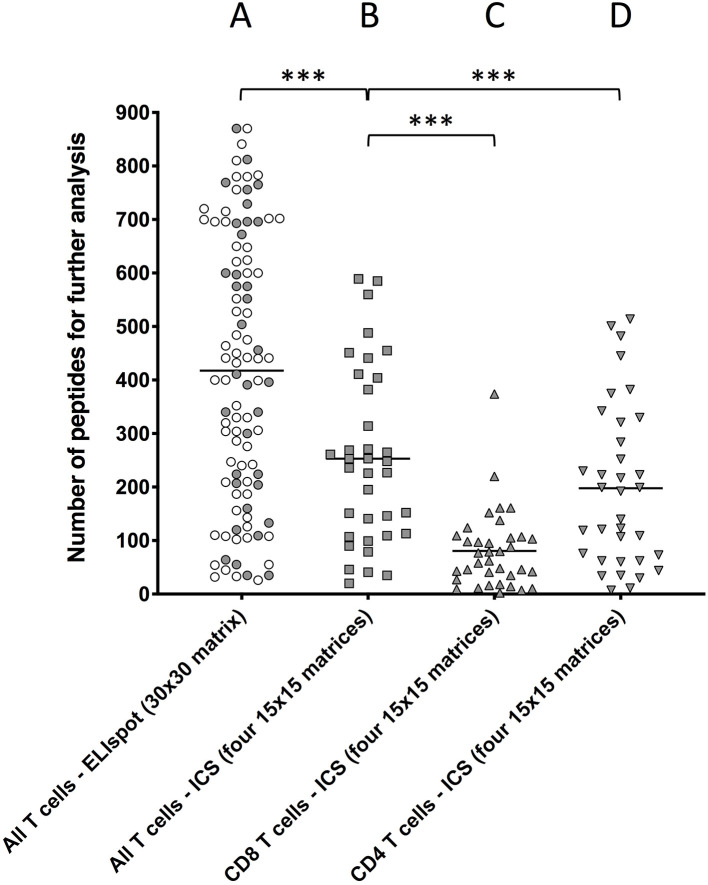
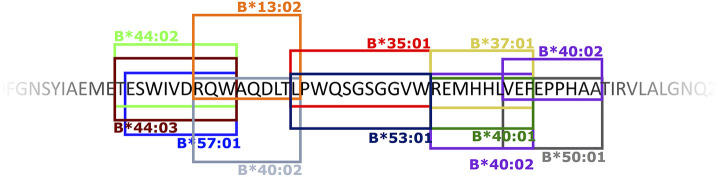
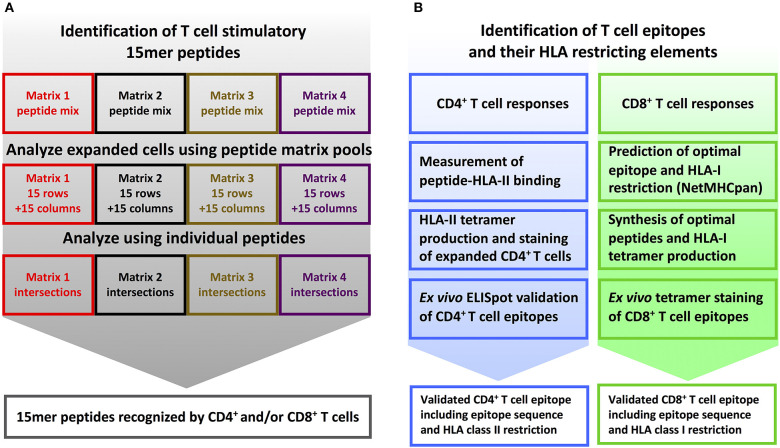
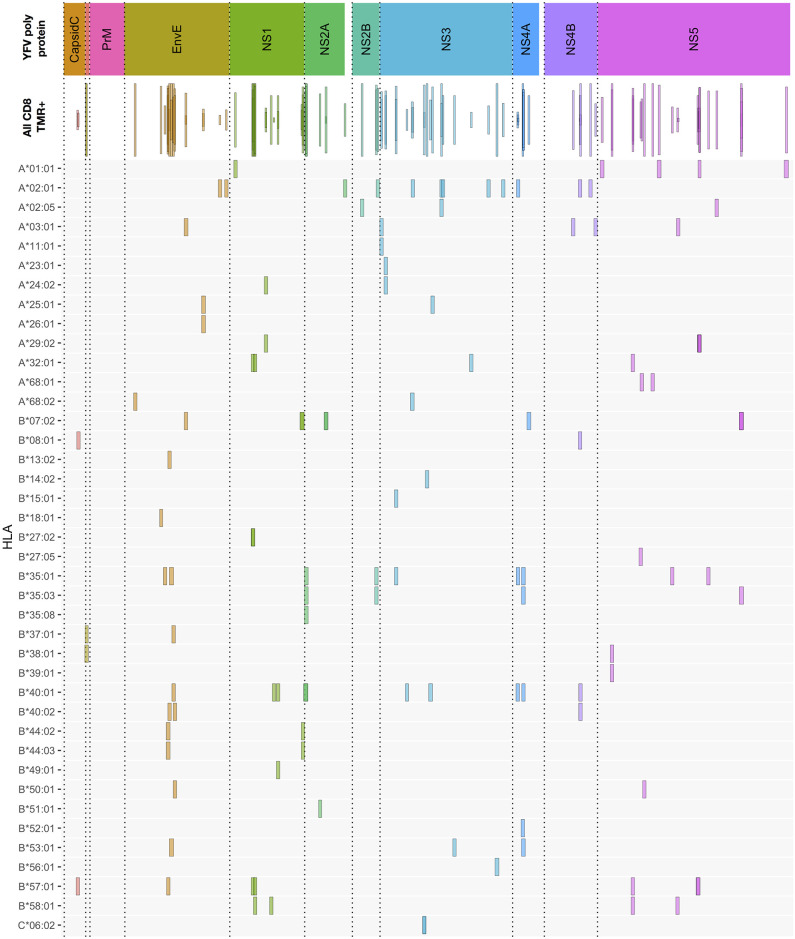
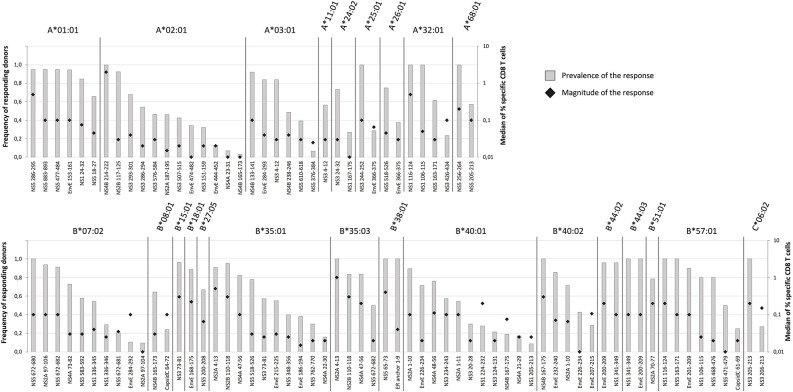
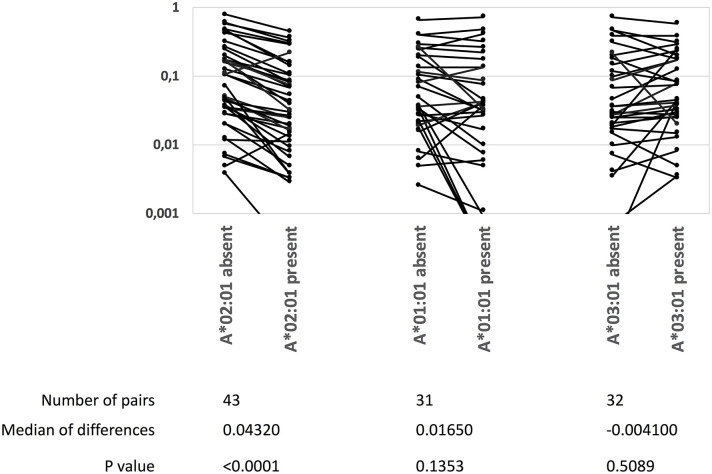
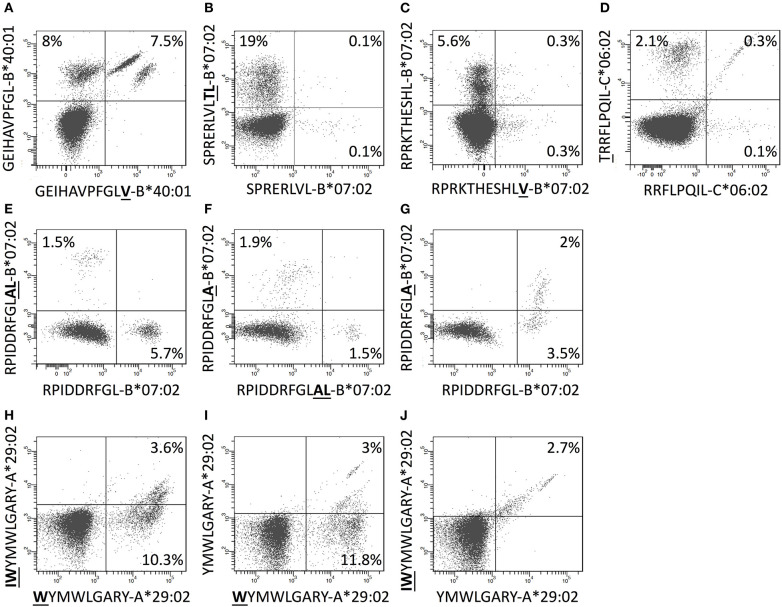
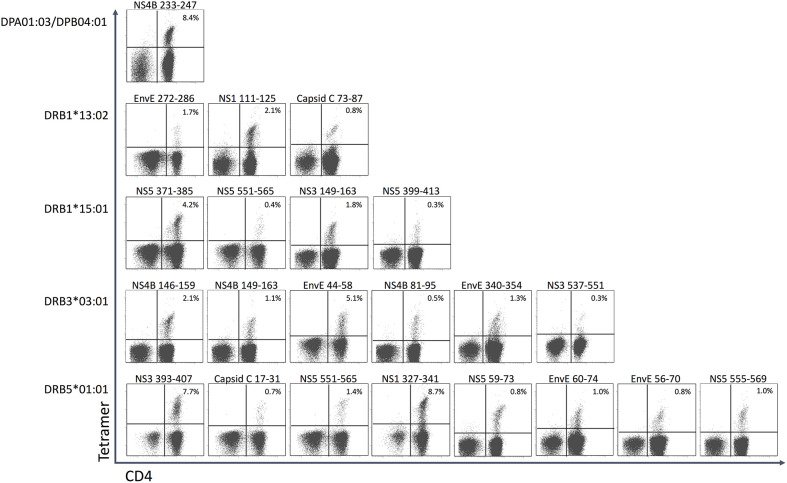
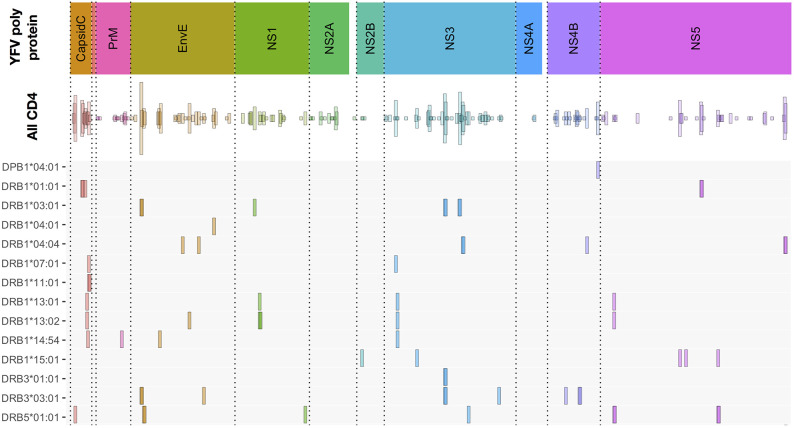
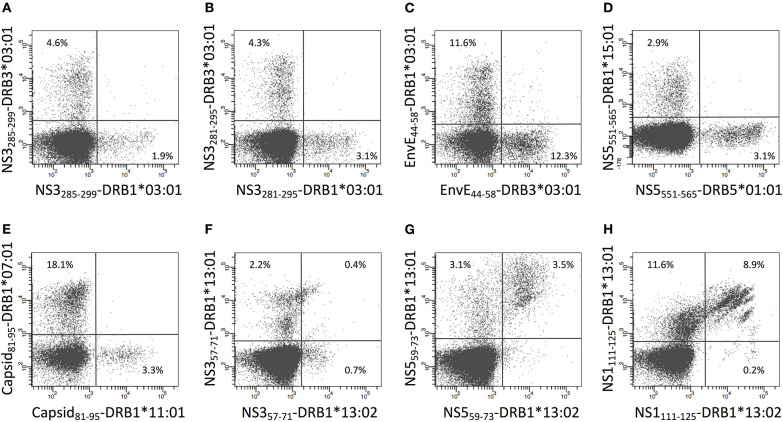
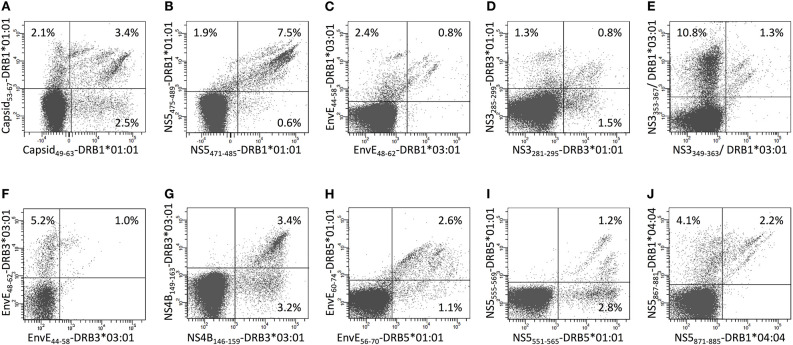
Examining CD8 and CD4 T cell responses after primary Yellow Fever vaccination in a cohort of 210 volunteers, we have identified and tetramer-validated 92 CD8 and 50 CD4 T cell epitopes, many inducing strong and prevalent (i.e., immunodominant) T cell responses. Restricted by 40 and 14 HLA-class I and II allotypes, respectively, these responses have wide population coverage and might be of considerable academic, diagnostic and therapeutic interest. The broad coverage of epitopes and HLA overcame the otherwise confounding effects of HLA diversity and non-HLA background providing the first evidence of T cell immunodomination in humans. Also, double-staining of CD4 T cells with tetramers representing the same HLA-binding core, albeit with different flanking regions, demonstrated an extensive diversification of the specificities of many CD4 T cell responses. We suggest that this could reduce the risk of pathogen escape, and that multi-tetramer staining is required to reveal the true magnitude and diversity of CD4 T cell responses. Our T cell epitope discovery approach uses a combination of (1) overlapping peptides representing the entire Yellow Fever virus proteome to search for peptides containing CD4 and/or CD8 T cell epitopes, (2) predictors of peptide-HLA binding to suggest epitopes and their restricting HLA allotypes, (3) generation of peptide-HLA tetramers to identify T cell epitopes, and (4) analysis of T cell responses to validate the same. This approach is systematic, exhaustive, and can be done in any individual of any HLA haplotype. It is all-inclusive in the sense that it includes all protein antigens and peptide epitopes, and encompasses both CD4 and CD8 T cell epitopes. It is efficient and, importantly, reduces the false discovery rate. The unbiased nature of the T cell epitope discovery approach presented here should support the refinement of future peptide-HLA class I and II predictors and tetramer technologies, which eventually should cover all HLA class I and II isotypes. We believe that future investigations of emerging pathogens (e.g., SARS-CoV-2) should include population-wide T cell epitope discovery using blood samples from patients, convalescents and/or long-term survivors, who might all hold important information on T cell epitopes and responses.
在 210 名志愿者的队列中,我们研究了原发性黄热病疫苗接种后 CD8 和 CD4 T 细胞反应,鉴定并四聚体验证了 92 个 CD8 和 50 个 CD4 T 细胞表位,其中许多表位诱导强烈和普遍(即免疫优势)的 T 细胞反应。这些反应分别受到 40 个和 14 个 HLA-I 和 II 同种型限制,具有广泛的人群覆盖范围,可能具有相当大的学术、诊断和治疗意义。表位和 HLA 的广泛覆盖克服了 HLA 多样性和非 HLA 背景的混杂影响,首次提供了人类 T 细胞免疫优势的证据。此外,用代表相同 HLA 结合核心的四聚体对 CD4 T 细胞进行双重染色,尽管侧翼区域不同,但证明了许多 CD4 T 细胞反应特异性的广泛多样化。我们认为这可以降低病原体逃逸的风险,并且需要多四聚体染色来揭示 CD4 T 细胞反应的真实规模和多样性。我们的 T 细胞表位发现方法结合了以下几种方法:(1) 代表整个黄热病病毒蛋白质组的重叠肽,用于搜索含有 CD4 和/或 CD8 T 细胞表位的肽;(2) 预测肽-HLA 结合以提示表位及其限制 HLA 同种型;(3) 生成肽-HLA 四聚体以鉴定 T 细胞表位;(4) 分析 T 细胞反应以验证相同的表位。这种方法是系统的、详尽的,可以在任何 HLA 单倍型的个体中进行。它是全面的,因为它包括所有的蛋白质抗原和肽表位,涵盖 CD4 和 CD8 T 细胞表位。它是高效的,重要的是,降低了假阳性率。这里提出的 T 细胞表位发现方法的无偏性应该支持未来肽-HLA 类 I 和 II 预测器和四聚体技术的改进,这些技术最终应该涵盖所有 HLA 类 I 和 II 同种型。我们相信,未来对新兴病原体(如 SARS-CoV-2)的研究应该包括使用来自患者、康复者和/或长期幸存者的血液样本进行人群范围的 T 细胞表位发现,这些人群可能都持有关于 T 细胞表位和反应的重要信息。