Department of Internal Medicine, Section Geriatrics, Amsterdam Cardiovascular Sciences, Vrije Universiteit Amsterdam, Amsterdam UMC, 1011-1109 Amsterdam, The Netherlands.
Department of Internal Medicine, Section Vascular Medicine, Universiteit van Amsterdam, Amsterdam UMC, 1011-1109 Amsterdam, The Netherlands.
Nutrients. 2020 Sep 29;12(10):2982. doi: 10.3390/nu12102982.
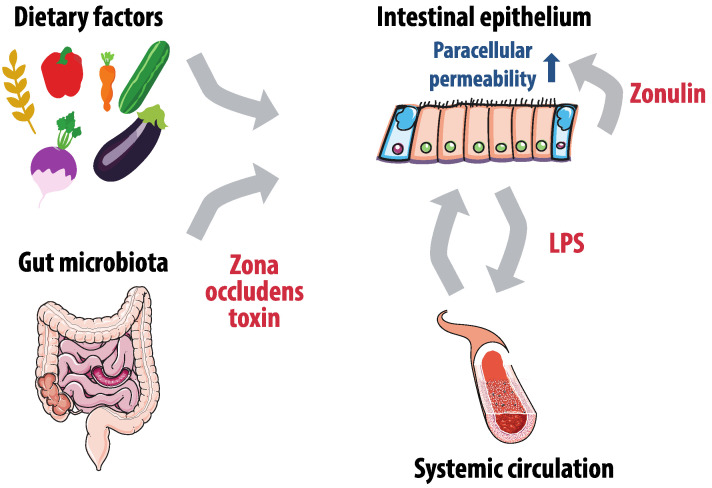
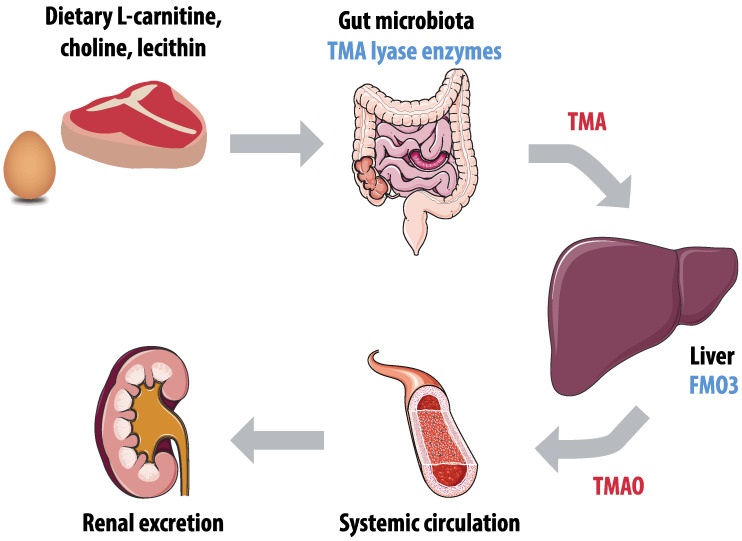
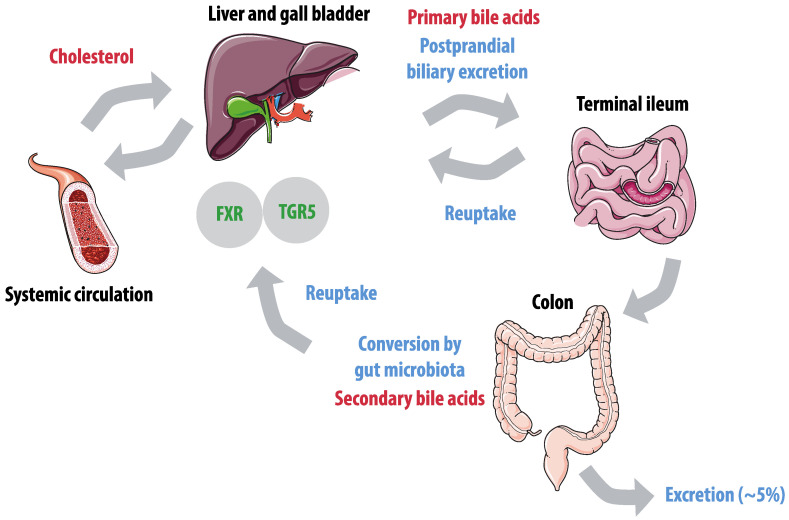
Gut microbiota and its metabolites such as short chain fatty acids (SCFA), lipopolysaccharides (LPS), and trimethylamine-N-oxide (TMAO) impact cardiovascular health. In this review, we discuss how gut microbiota and gut metabolites can affect hypertension and atherosclerosis. Hypertensive patients were shown to have lower alpha diversity, lower abundance of SCFA-producing microbiota, and higher abundance of gram-negative bacteria, which are a source of LPS. Animal studies point towards a direct role for SCFAs in blood pressure regulation and show that LPS has pro-inflammatory effects. Translocation of LPS into the systemic circulation is a consequence of increased gut permeability. Atherosclerosis, a multifactorial disease, is influenced by the gut microbiota through multiple pathways. Many studies have focused on the pro-atherogenic role of TMAO, however, it is not clear if this is a causal factor. In addition, gut microbiota play a key role in bile acid metabolism and some interventions targeting bile acid receptors tend to decrease atherosclerosis. Concluding, gut microbiota affect hypertension and atherosclerosis through many pathways, providing a wide range of potential therapeutic targets. Challenges ahead include translation of findings and mechanisms to humans and development of therapeutic interventions that target cardiovascular risk by modulation of gut microbes and metabolites.
肠道微生物及其代谢产物,如短链脂肪酸(SCFA)、脂多糖(LPS)和氧化三甲胺(TMAO),影响心血管健康。在这篇综述中,我们讨论了肠道微生物群和肠道代谢物如何影响高血压和动脉粥样硬化。研究表明,高血压患者的 alpha 多样性较低,产生 SCFA 的微生物丰度较低,革兰氏阴性菌丰度较高,而革兰氏阴性菌是 LPS 的来源。动物研究表明 SCFA 直接参与血压调节,并表明 LPS 具有促炎作用。LPS 易位到全身循环是肠道通透性增加的结果。动脉粥样硬化是一种多因素疾病,通过多种途径受到肠道微生物群的影响。许多研究都集中在 TMAO 的促动脉粥样硬化作用上,但尚不清楚这是否是一个因果因素。此外,肠道微生物群在胆汁酸代谢中起关键作用,一些针对胆汁酸受体的干预措施往往会减少动脉粥样硬化。总之,肠道微生物群通过多种途径影响高血压和动脉粥样硬化,为潜在的治疗靶点提供了广泛的选择。未来的挑战包括将发现和机制转化为人类,并开发通过调节肠道微生物和代谢物来靶向心血管风险的治疗干预措施。